A bird-safe bug spray is one whose active ingredients and label directions don't pose meaningful risk to birds in your yard. In practice, that means avoiding organophosphates and broad-spectrum pyrethroids applied near roosting spots, feeders, or water, and instead choosing either targeted low-toxicity formulations or non-chemical pest controls that handle insects without putting birds in the crossfire. EPA archive pages for federal register notices include processes related to methyl anthranilate as a bird repellent, such as tolerance exemption and experimental use permit context blank" rel="noopener noreferrer">Selected Mammal and Bird Repellents.
Bird Safe Bug Spray Guide: Choose, Read Labels, Apply Safely

Marcus Weatherby
27 Apr 2026
What 'bird-safe bug spray' actually means (and what to stay away from)
There's no official EPA certification that stamps a product 'bird safe.' What you're really looking for is a product whose active ingredient has low avian toxicity and whose label doesn't include warnings like 'This product is toxic to birds' or 'Do not apply to water or areas where surface water is present.' That language is there because the EPA has documented avian toxicity evidence for that specific formulation and it means something practical: birds can be harmed by direct exposure, residue, or contaminated food sources.
The ingredient classes to avoid most are organophosphates (like malathion and chlorpyrifos) and carbamates. EPA research confirms that organophosphates can be more acutely toxic to birds than pyrethroids under some circumstances. Broad-spectrum synthetic pyrethroids (permethrin, bifenthrin, cypermethrin) are less acutely toxic to birds than organophosphates, but they still carry ecological risk warnings, especially near water and in open areas where drift can reach feeding zones. If you're spraying anywhere near a bird feeder, bird bath, nesting box, or natural water source, those products are the wrong tool.
Lower-risk options for bird-conscious pest control include pyrethrins derived from chrysanthemum flowers (which break down faster than synthetic pyrethroids), insecticidal soaps, neem-oil based sprays, and certain registered bird repellent concentrates like methyl anthranilate that target birds' feeding behavior rather than killing insects outright. For mosquito larvae specifically, Bacillus thuringiensis israelensis (Bti) is a biological larvicide that targets mosquito larvae with virtually no impact on birds or mammals and is widely available for home use.
How to read a label for bird safety before you buy anything
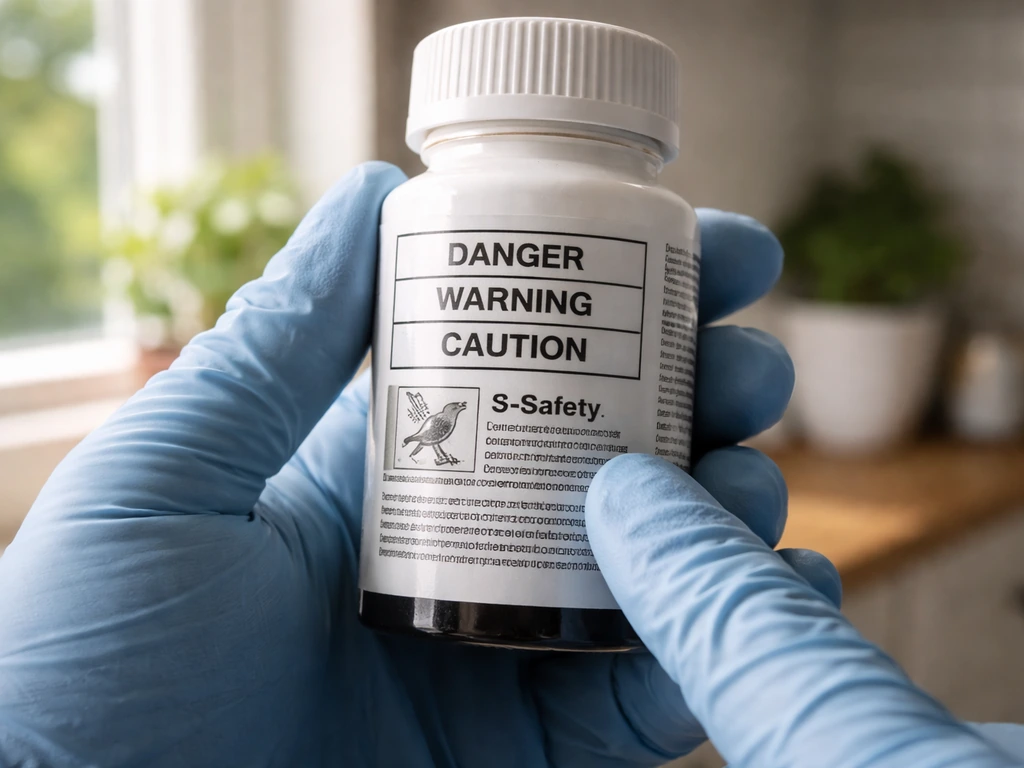
The product label is a legal document and it tells you almost everything you need to know. Here's what to look for specifically:
- Signal word: DANGER means highest acute toxicity, WARNING is moderate, CAUTION is lowest. For bird-conscious use, stick with CAUTION-rated products when possible.
- Environmental hazards section: This is where you'll find phrases like 'toxic to birds,' 'toxic to fish and aquatic invertebrates,' or 'do not apply directly to water.' If the bird warning is there, take it literally.
- Active ingredient: Look this up before you buy. EPA's pesticide registration database lists every registered product with its full label text so you can verify claims before opening the container.
- Precautionary statements: These spell out buffer zones, re-entry intervals, and restrictions on where and how to apply. If it says 'do not apply near bird feeding stations,' that's a hard line.
- Repellent vs. kill agent: A product labeled as a bird repellent (like a methyl anthranilate concentrate) works by making an area unpleasant for birds to land in, not by poisoning insects. Separate these mentally from insecticides.
- EPA registration number: Any legitimate product has one. If a product claims to be 'natural' or 'bird safe' without an EPA reg number and a verified label, that claim has no regulatory backing.
OSU's pesticide guidance makes a useful point: when the label says 'this product is toxic to birds,' that language reflects real incident and toxicity data the EPA reviewed during registration. It isn't boilerplate. Treat it as a direct warning to keep the product away from areas where birds feed, roost, or nest.
Application steps that keep birds safer
Timing matters more than most people realize
Spray in the early morning or late evening when birds are least active. Avoid midday in summer: high temperatures and low humidity increase evaporation and drift, which means more of the product ends up where you didn't intend it. If there's a temperature inversion (cool air trapped near the ground under warm air above), fine droplets can travel unusually long distances. Check the conditions before you start.
Wind is your main drift risk
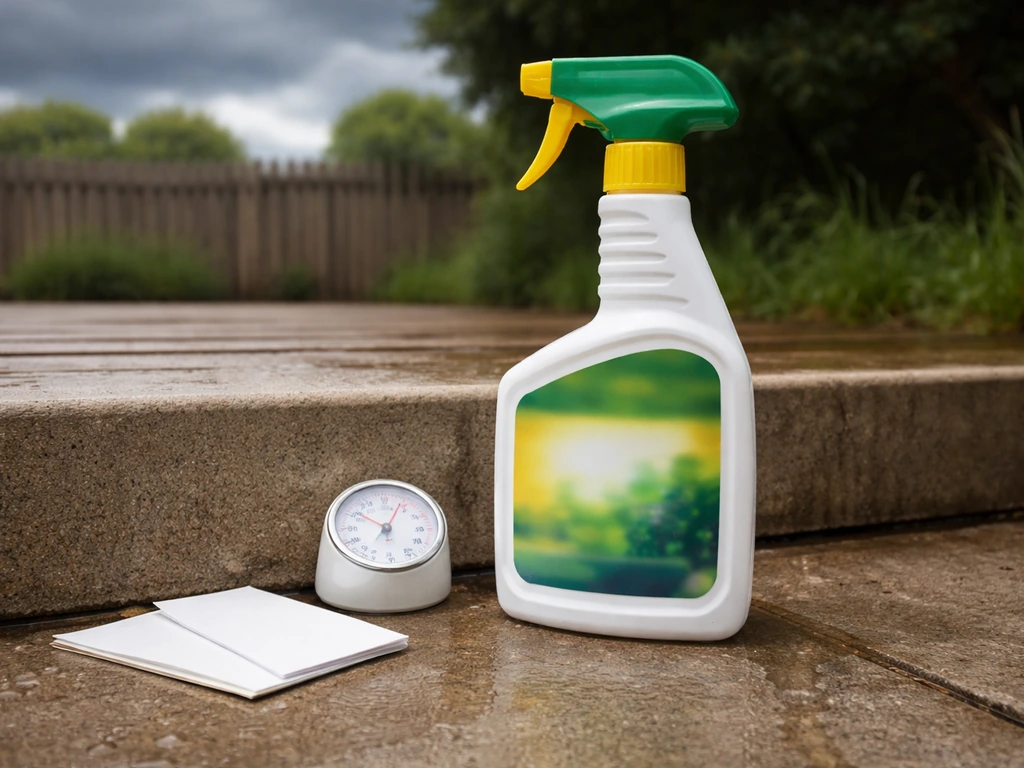
Virginia Tech extension guidance is direct on this: don't spray when wind exceeds 10 mph, and don't spray when wind is blowing toward a sensitive area like a bird feeder, nest, pond, or garden bed where birds forage. UMN extension adds that droplet size matters too. Coarser sprays drift less than fine mists, so if you have an adjustable nozzle, dial it toward a coarser stream when applying near bird activity zones.
Spot treat, don't broadcast
Target the actual pest habitat: under deck planks, along fence lines, in mulch beds, around trash cans. Broadcast spraying a whole lawn or patio with a general insecticide dramatically increases the chance that birds foraging in that area will pick up residue on their feet or ingest contaminated prey. Smaller, targeted applications reduce overall exposure significantly.
Reapplication and runoff
Follow the label's reapplication interval exactly. More frequent applications don't improve results and increase cumulative exposure to non-targets. Avoid applying before rain is forecast, since runoff can carry insecticide residues into drainage areas, puddles, and water features where birds drink. This is especially important with pyrethroids, which are highly toxic to aquatic organisms even at very low concentrations.
Non-chemical alternatives that actually work

If you're dealing with mosquitoes, the single most effective step is source reduction: eliminating standing water. Mosquito larvae need water to develop, and removing that habitat cuts the population before adults ever emerge. The American Mosquito Control Association calls this the most effective means of mosquito control available to homeowners. Check gutters, bird baths (change water every few days), pet dishes, wheelbarrows, tarps, and any container that holds even a small amount of water.
For mosquito larvae in ornamental ponds or water features you can't drain, Bti dunks or granules are a genuinely low-risk option. They're EPA-registered, specifically target mosquito and fungus gnat larvae, and have no documented harm to birds, fish, or mammals. You can find them at most garden centers.
Physical and sensory deterrents round out a bird-conscious pest strategy. If insects are clustering around lights, switching to yellow or amber LED bulbs reduces attraction. Fine mesh screens on patios and windows keep mosquitoes and flies out without any chemistry at all. For areas where birds themselves are contributing to a pest problem (bird mites being a common one), the pest-control approach shifts significantly and you'd want to look at targeted treatments specific to that scenario.
Insecticidal soap and neem-oil sprays are worth considering for aphid, whitefly, and soft-bodied insect problems in gardens. They have contact action only (no residual), break down quickly, and carry minimal risk to birds when applied as directed on foliage. Reapplication is more frequent, but the tradeoff in safety near bird activity is worth it.
Area-by-area guidance for common situations
| Area | Main pest concern | Best bird-safe approach | What to avoid |
|---|---|---|---|
| Patio/deck | Mosquitoes, flies | Bti for nearby standing water, citronella candles, fan airflow, CAUTION-rated pyrethrin spray targeted at baseboards/crevices only | Broadcasting permethrin across the entire surface; spraying near feeders or bird baths |
| Garden beds | Aphids, whiteflies, caterpillars | Insecticidal soap or neem oil on affected plants, hand removal, row covers | Pyrethroid broadcast sprays over whole beds; organophosphates of any kind |
| Windows and roofs | Wasps, hornets | Foam or dust application directly into nest entry points at night, CAUTION-rated wasp spray aimed precisely at nest | Wide-area spray along rooflines where birds may roost; foggers |
| Pool/water features | Mosquito larvae | Bti dunks/granules, keep water circulating with pump, eliminate adjacent standing water | Any pyrethroid or organophosphate near water; their runoff toxicity to aquatic organisms is extreme |
| Solar panels | Insects attracting birds underneath panels | Physical mesh barriers around panel edges to exclude birds and reduce sheltered pest habitat; targeted crevice treatment only | Fogging or broadcast spray near panels; drift onto adjacent roofing where birds land |
Aviation-adjacent and commercial settings (hangars, warehouses, large commercial rooftops) need a different level of planning entirely. In those environments, product drift, runoff pathways, and ecological buffer requirements are more complex than a homeowner checklist can address.
Keeping pets, kids, and wildlife protected during and after application
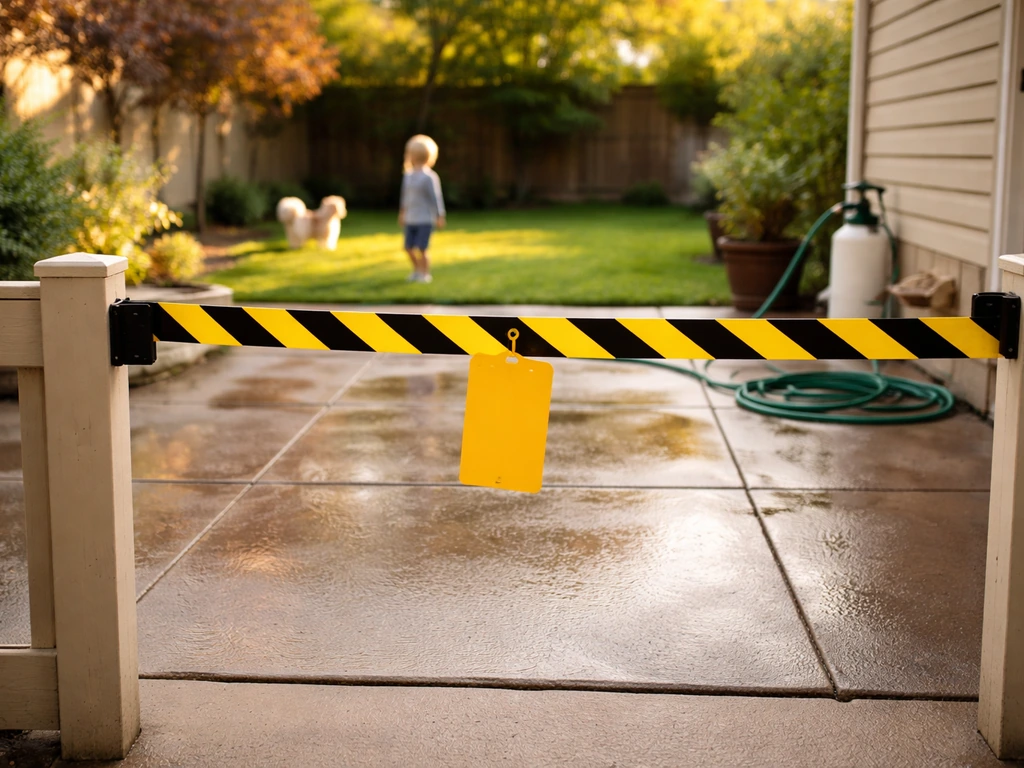
Keep pets and children out of treated areas until surfaces are fully dry and any recommended re-entry interval on the label has passed. Pyrethroids can cause neurologic signs in cats and dogs if they contact wet product or groom it off their paws, even if the risk is lower than organophosphates. Merck veterinary guidance notes that toxicity varies by formulation, so the label's specific re-entry guidance is the number to follow, not a general 'wait an hour' rule.
Before spraying any outdoor area, physically move bird feeders, bird baths, and water dishes at least 20 to 30 feet from the treatment zone, and don't return them until the area has dried and ideally had rain or irrigation rinse it. If you can't relocate a feeder, skip the chemical option for that area entirely and use a physical or biological control instead.
Control drift proactively: spray low to the ground, use a coarse spray setting, treat only on calm days under 10 mph wind, and stop if wind direction shifts toward water, gardens, or bird activity zones. This isn't optional caution; it's the difference between a targeted application and one that ends up harming non-target wildlife via routes (contaminated prey, water runoff, residue on surfaces) that you didn't anticipate.
When a product or DIY approach isn't enough
If you're dealing with a widespread infestation, a recurring pest problem that keeps coming back despite source reduction, or a situation in a commercial or aviation context, a licensed pest control professional is the right next step. They have access to application equipment that delivers more precise targeting and lower drift, and they're trained to read the full label implications in ways that matter at scale. Calling a pro isn't giving up; it's recognizing that some situations genuinely exceed what a careful homeowner should attempt with off-the-shelf products.
The same applies if the insects involved are bird mites rather than general garden or yard pests. Bird mites are typically repelled by targeted deterrents and by removing the bird source so they stop feeding there. Bird mites require identifying and addressing the bird source first, then treating the infestation, and the product and process choices are different from standard bug spray scenarios. If you need a chemical option, choose the best fogger for bird mites that’s labeled for this use and keep it away from feeders and water to protect birds. A professional who handles both bird control and pest management is often the most efficient path when those two problems overlap.
Your practical next steps checklist
- Identify your actual pest and the specific area before buying anything.
- Read the full label including the Environmental Hazards section. If it says 'toxic to birds,' find a different product.
- Check the active ingredient: avoid organophosphates and carbamates near birds; use pyrethrins or Bti when possible.
- Remove all bird feeders, bird baths, and water dishes from the treatment zone before applying.
- Check wind speed and direction. Stop if it exceeds 10 mph or shifts toward a sensitive area.
- Spot treat only. Do not broadcast spray an entire lawn, patio, or garden bed.
- Follow the label's re-entry interval before letting pets, kids, or birds back into the treated area.
- Eliminate standing water as your baseline mosquito control step; add Bti for any water you can't drain.
- If the problem is complex, recurring, or involves bird mites or commercial-scale settings, call a licensed professional.
FAQ
If a product doesn’t explicitly say “toxic to birds,” can I assume it’s a bird safe bug spray?
Not necessarily. “No bird warning” is a good sign, but you still need to check the label for restrictions on water, surface runoff, and application near wildlife habitat. Also verify the active ingredient class, since some ingredients can still pose meaningful risk through drift or contaminated prey even when bird wording is limited.
Are natural options like neem oil or insecticidal soap automatically safer for birds?
They’re often lower risk, but not automatically safe. Neem and soaps can still irritate or contaminate surfaces birds contact, and they have label-specific application limits. Use them only as directed, avoid treating where birds feed, and keep treated areas dry before birds return.
What should I do if I already sprayed and birds are still using the area?
Stop further applications immediately. Keep feeders, bird baths, and water dishes out of the area until the label’s dry time and any re-entry interval have passed. If residue may have reached water sources, rinse or replace water after it has dried and after any runoff risk window has passed, then reassess whether you need non-chemical or targeted spot control.
Can I spray around a bird bath or pond if I “avoid getting it in the water”?
You should treat that as a no-go for chemical bug sprays in most homeowner situations. Even “missed water” can mean drift, overspray, or runoff that contaminates drinking spots and aquatic prey. If you need mosquito control, use larvicides like Bti specifically labeled for water features rather than broad insect spraying.
How far away should I keep bird feeders from a treated area?
A practical rule is moving feeders at least 20 to 30 feet when possible, and keeping them out until the area has fully dried and ideally had an irrigation or rain rinse as the label allows. If you cannot relocate, switch to a control approach that doesn’t require broadcast spraying in that zone.
Does spraying at night make bird exposure safer?
Night can help reduce active bird presence, but it can increase certain risks like lingering fine droplets and visibility-related drift. If wind shifts or dew increases persistence, exposure can still occur. Follow the wind-speed and drift controls from the label, and consider turning off exterior lights that attract insects if you’re using deterrents instead of chemicals.
Is it safe to spray if the wind is below 10 mph but gusty?
If it’s gusty, treat it like it’s higher risk. Gusts can suddenly carry droplets farther than expected, especially with fine mists. Only spray when conditions are consistently calm, and stop immediately if you see any drift toward feeders, nests, gardens, or water.
Do I need to worry about residue on the ground, not just direct spray?
Yes. Birds can pick up residues on feet or feathers, then ingest contaminated prey. This is why targeted, spot applications matter more than broadcast treatments, and why you should avoid spraying when rain is forecast to reduce runoff into puddles, drainage paths, and water features.
What mistakes most often make “bird safe” intentions fail?
The common failures are broadcasting a whole lawn instead of treating pest hotspots, spraying near feeders or natural water, ignoring wind direction changes, using fine mist settings that drift farther, and applying more frequently than the reapplication interval. Each one increases the chance birds encounter treated surfaces or contaminated insects.
For mosquitoes, what’s the safest approach if I want to protect birds and still reduce bites?
Start with source reduction by removing standing water, it prevents larvae from ever reaching the adult biting stage. For water you cannot drain, use a larvicide like Bti that targets larvae. Avoid adult “bug spray” as a first resort near bird drinking or foraging areas.
If insects are coming from my deck or fence line, should I still spray the whole yard?
No, spot treatment is usually the better choice. Treating only the likely habitat (under decking, fence lines, mulch edges, along ground clutter) reduces residue footprint and lowers the number of foraging routes birds cross through treated zones.
Can I use a bird repellent product that targets feeding behavior instead of killing insects?
Sometimes, yes. If a product is labeled as a bird repellent or behavior-targeting repellent for your situation, it can reduce bird presence in the treated area without relying on insecticide toxicity. However, “repellent” doesn’t mean zero exposure, so still keep products away from bird water and follow application directions exactly.
What if I suspect bird mites rather than typical yard insects?
Don’t treat it like a general bug spray problem. Bird mites usually require removing or addressing the bird source first, then using treatments specifically labeled for that scenario. If you do use any chemical option, keep it far away from feeders and water and consider a specialist if the infestation is persistent.
Next Article
How to Avoid Bird Attack Drone: Practical Safety Checklist
Practical, humane steps to reduce bird–drone collisions: preflight checks, deterrents, tactics, and legal guidance.