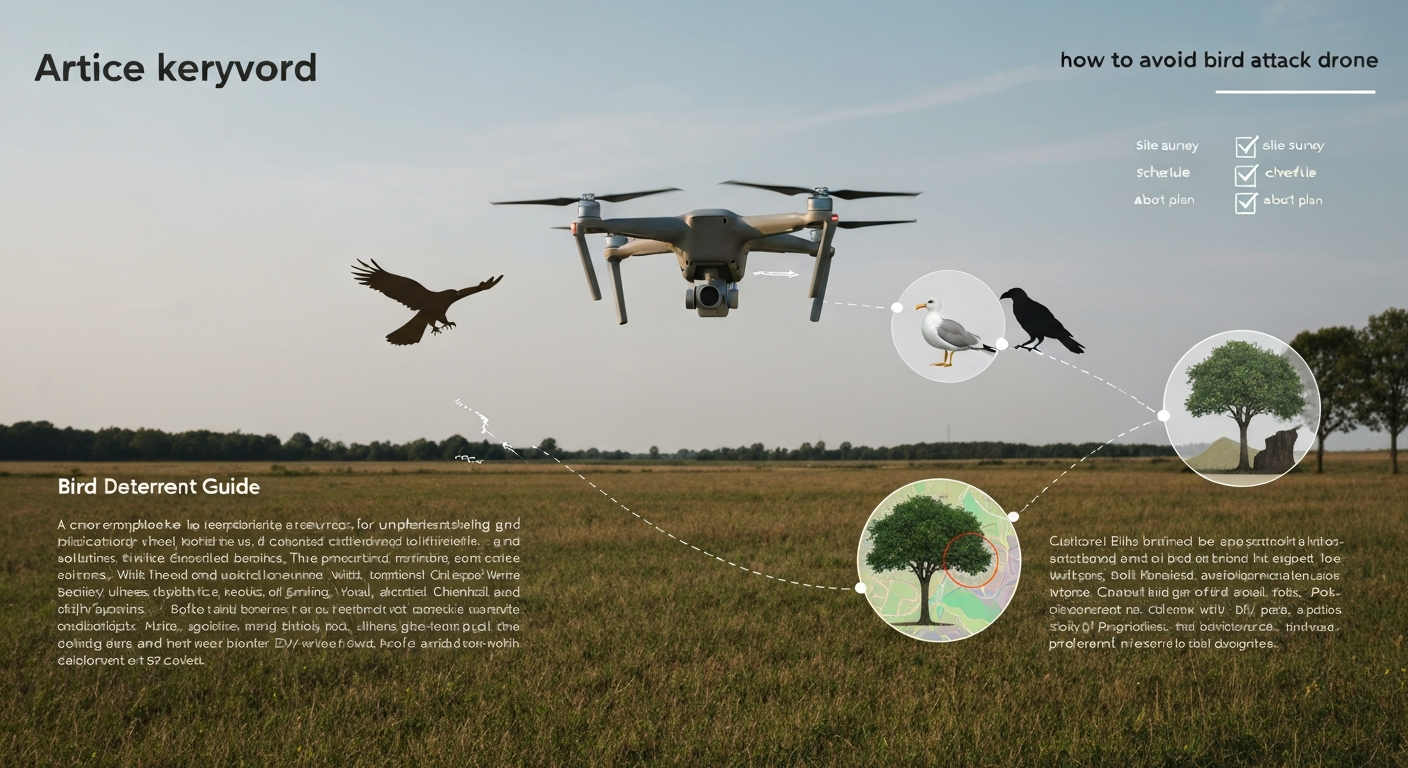
Bird scare tape does work, but only in the right conditions and for a limited time. Yes, bird tape can work, but it only works reliably in the right conditions and for a limited time before birds get used to it. Reflective or flash tape can genuinely push birds away from small, open areas when there's plenty of sunlight and wind to make it flash and move. The catch is that birds habituate to it fairly quickly, especially if the tape just hangs there doing nothing. Used correctly, with regular repositioning and good placement, it's a useful tool. Used incorrectly, it becomes decoration birds learn to ignore within days.
Does Bird Scare Tape Work? Effectiveness, Setup, and Next Steps

Marcus Weatherby
26 Apr 2026
How bird scare tape actually works
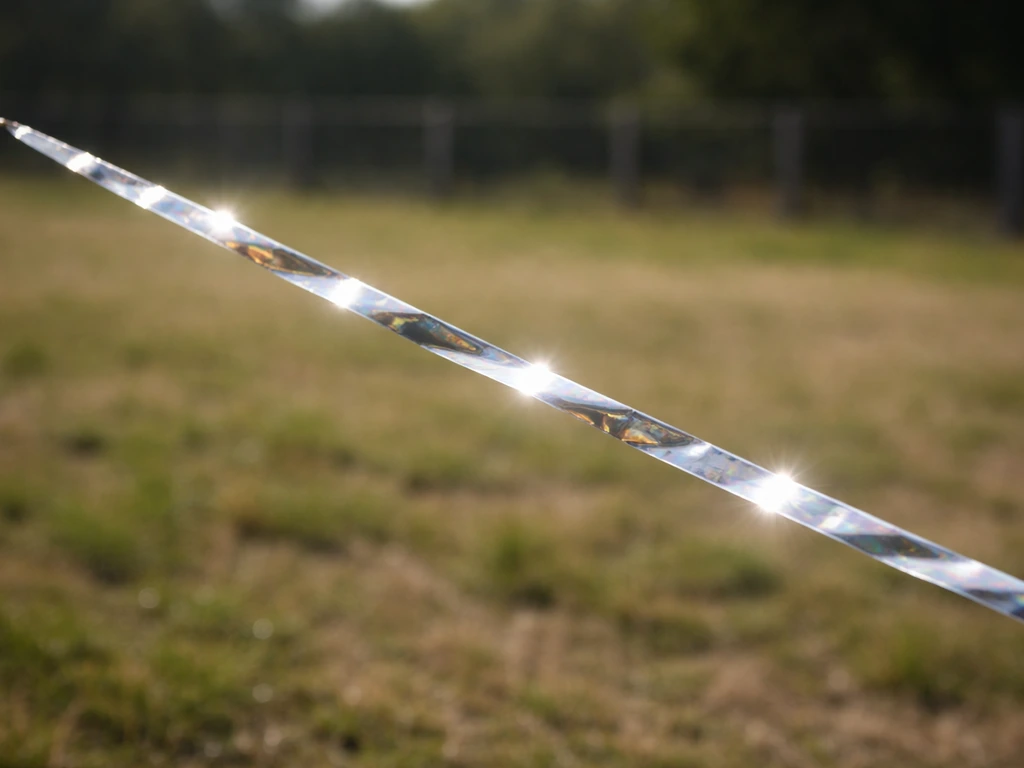
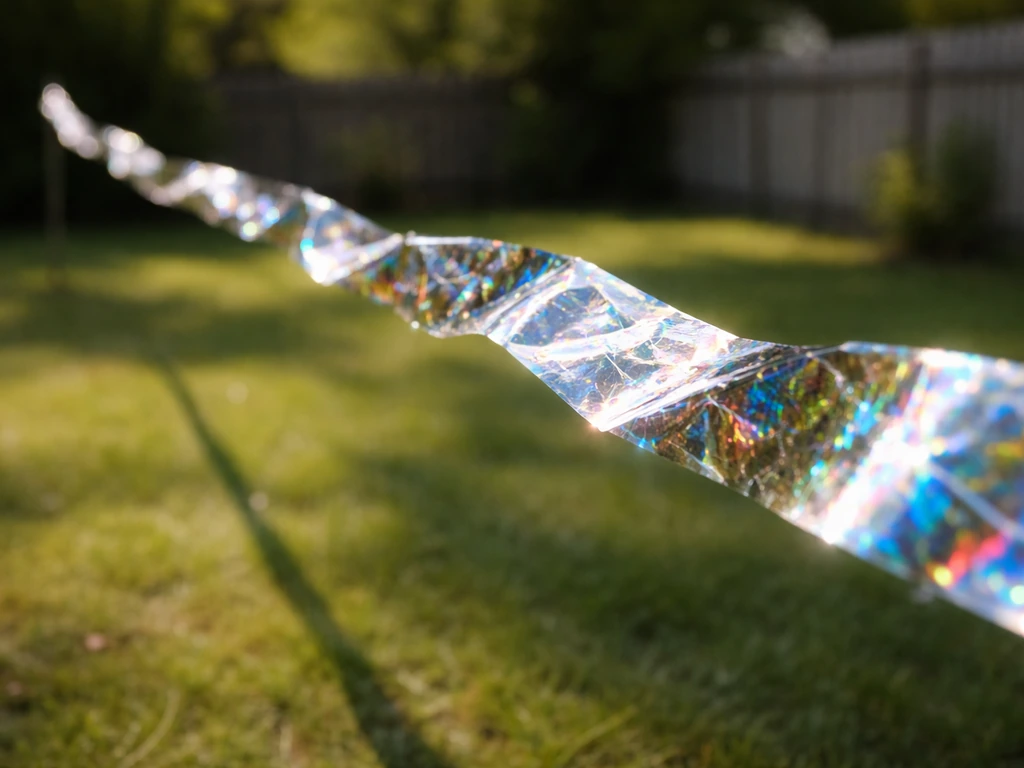
Standard bird tape and flash tape (also called reflective tape or Mylar tape) work on the same core principle: they create a visual disturbance that startles birds and makes an area feel unsafe. If you want the quick summary on how does bird scare tape work in the first place, the basics are covered by the section on the core principle and how birds react how bird scare tape actually works. The shiny Mylar surface reflects sunlight as bright, erratic flashes, and when the tape moves in the breeze it produces a faint metallic crackling or humming sound. Birds associate unpredictable flashing movement with potential danger and tend to avoid the area, at least initially.
Flash tape is the more effective version of basic bird tape. Where standard tape might be a simple holographic or foil strip, flash tape is specifically engineered with a high-reflectivity Mylar surface and a lightweight construction so it flutters with minimal wind. The flashing reflection is the primary deterrent. The sound component is real but minor, and researchers note the auditory effect is probably minimal compared to the visual disruption. The key driver is the erratic, unpredictable light stimulus hitting the birds' eyes.
One important nuance: not all bird species respond the same way. Some birds show a strong initial startle response and avoid taped areas reliably, at least early on. Others barely react. Pigeons and starlings, for example, tend to habituate faster than many other species. If you're dealing with a particularly bold or established flock, tape alone is unlikely to be enough. The FAA Wildlife Hazard Management at Airports manual notes that no single deterrent method works universally for all species and situations, so tape alone often cannot address every scenario tape alone is unlikely to be enough.
Where it works best and where it fails
Tape performs best in open, sunny, breezy environments where it can do its job. Think gardens, fruit trees, berry patches, small patios, pool surrounds, or the perimeter of a flat roof. These are spots with clear sightlines, good wind exposure, and direct sunlight for most of the day. When tape flashes and flutters freely, birds approaching from a distance get a strong visual warning signal and often turn away.
It fails in predictable ways. Shaded areas with no direct sun kill the flash effect entirely. Sheltered spots with no wind leave the tape hanging still and useless. Covered patios, dense tree canopies, solar panel undersides, and enclosed eaves are all poor environments for tape. It also fails when left in the same spot too long. Birds learn quickly that flashing tape poses no real threat, and habituation sets in within days to a couple of weeks under constant exposure.
| Scenario | Tape Likely to Work? | Notes |
|---|---|---|
| Open garden or berry patch | Yes | Good sun and wind; rotate every 1–2 weeks |
| Fruit tree perimeter | Yes | Hang from branches so it moves freely |
| Covered patio or pergola | Poor | Limited sun and wind; flash effect reduced |
| Shaded roof or eave | Poor | No direct light; tape just hangs |
| Pool area (open, sunny) | Moderate | Works initially; pair with other methods |
| Solar panel edges (open roof) | Moderate | Useful perimeter deterrent; supplement with mesh |
| Dense tree canopy or enclosed area | No | Blocked light and no movement |
| Large open space or field | Limited | Tape covers small zones; birds avoid then return |
What results to expect and when
In good conditions, you should see results within the first few days. Birds approaching a freshly installed, actively flashing tape setup will often veer off, perch elsewhere, or avoid the taped zone entirely. For short, high-pressure periods like harvest season or a temporary bird problem, tape can be genuinely effective as a quick-deploy first response.
Expect habituation to begin within one to two weeks if the tape stays in exactly the same position. Some birds start testing the area again within just a few days. This doesn't mean the tape has permanently failed, it means you need to move it. Repositioning even a small distance or changing the height resets the novelty and can buy you another week or two of deterrence.
The effective zone per strip of tape is relatively small. Spacing strips every 10 to 20 feet covers a reasonable area, but tape is not a solution for large open fields or sprawling rooflines without a lot of coverage. For persistent or large-scale bird pressure, tape is best treated as one layer of a broader strategy rather than a standalone fix.
How to set it up so it actually works
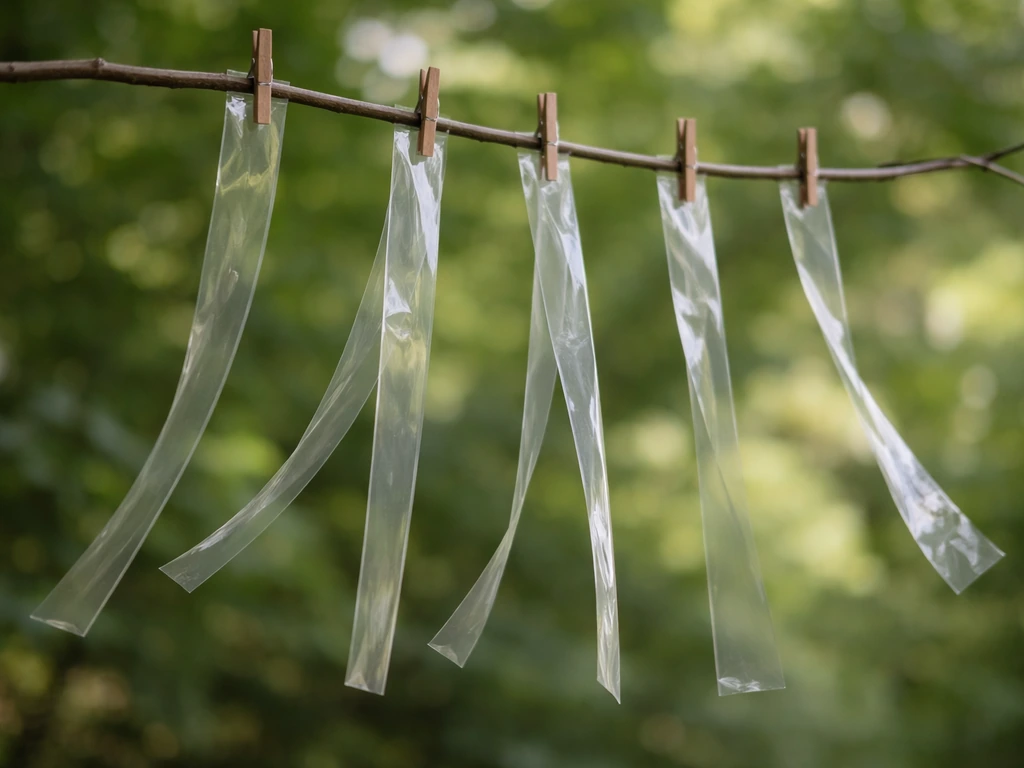
Installation details matter more than most people realize. Tape hung too tightly, tied at both ends, or looped around a branch without room to flutter will not flash or move the way it needs to. Here's how to get it right from day one.
- Cut tape into 2- to 3-foot lengths. Longer strips tangle; shorter ones don't flutter as well.
- Tie or attach one end only, leaving at least 10 inches of tape free to flutter in the breeze. Never tie both ends taut.
- For gardens and lawns, mount tape on stakes 3 to 4 feet off the ground. Space stakes 10 to 20 feet apart to cover the area without gaps.
- For fruit trees, hang strips from perimeter branches where they get light and movement. Avoid tucking them deep into the canopy.
- For patios, eaves, or structures, attach to the outermost points where wind and sun reach. Avoid sheltered interior spots.
- Make sure each strip has a clear line of sight from the direction birds approach. Cover blind spots where birds could land without seeing the tape.
- Reposition tape every 7 to 14 days, even if just moving each strip a foot or two. Changing height or angle helps reset the novelty.
- Check tape after wind or rain. Tangled, wet, or dirty tape loses its reflective and movement properties quickly.
One practical tip: set a reminder on your phone to check and reposition tape every week. It takes five minutes and is the single biggest thing you can do to keep tape working longer. Static tape is ignored tape.
How long to trial before moving on
Give tape a genuine 10 to 14 days before deciding it isn't working. Deploy it properly, reposition it once mid-trial, and monitor bird activity. If you're still seeing the same level of bird activity after two weeks of correct installation, tape alone probably isn't going to solve your specific problem and it's time to layer in other methods.
When tape isn't enough: alternatives and combined strategies
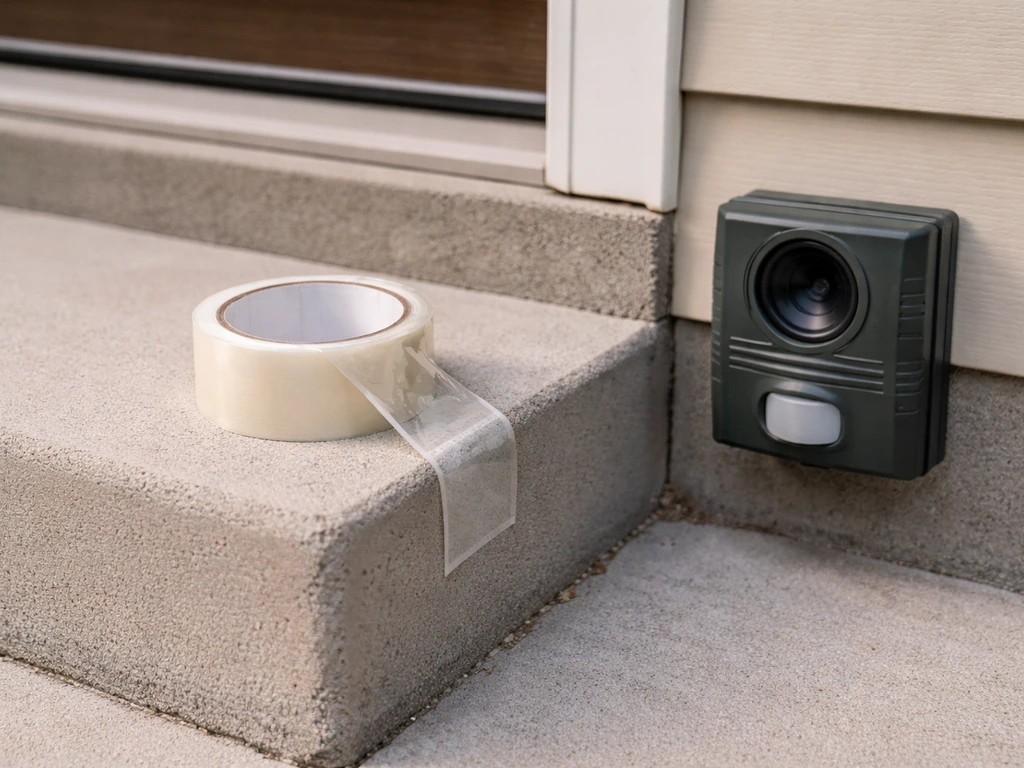
If tape has stopped working or isn't working at all, don't just replace it with more tape. MU Extension notes that reflective Mylar tape, often marketed as “bird scare tape,” may discourage or frighten woodpeckers Missouri Extension. The evidence base for visual deterrents alone is modest. Multiple reviews have found that reflective tape and similar visual tools have little to no effect in some contexts, particularly with habituated or bold bird populations. Combining tape with other methods consistently outperforms any single approach.
Pair with sonic or ultrasonic deterrents
Sonic devices that broadcast bird distress calls or predator calls add an auditory threat that tape can't provide. When birds see flashing tape and hear distress signals simultaneously, the effect is more convincing. Ultrasonic devices work in some enclosed or semi-enclosed spaces where sonic devices might disturb people nearby. The combination of a visual signal and an auditory one addresses habituation better than either alone, since birds have to discount two separate warning signals rather than one.
Add physical barriers for persistent problems
For areas where birds are roosting, nesting, or regularly landing, physical exclusion is the most reliable long-term fix. Netting is highly effective for fruit trees, gardens, patios, and the undersides of solar panels because it physically removes access rather than trying to scare birds away. Bird spikes on ledges, railings, and rooflines prevent landing without harming birds. Physical barriers don't rely on birds being scared and don't suffer from habituation, which makes them the go-to for chronic problems.
Scenario-specific recommendations
- Patios: Combine tape along the perimeter with a sonic device set to run during peak bird hours. If birds are roosting on structural elements, add spikes.
- Windows: Tape hung near windows can reduce strikes, but dedicated window collision deterrent films or strings often work better for that specific problem.
- Pools: Tape around the perimeter works short-term; pair with a motion-activated sprinkler or decoy predator (like a floating alligator head) for open water deterrence.
- Gardens and fruit trees: Tape plus netting over the crop is the most effective combination for active harvest periods.
- Roofs and solar panels: Tape at panel edges can discourage perching, but mesh barriers installed under panel edges are the definitive fix for nesting birds.
Safety, legal, and practical things to know
Bird scare tape is generally low-risk, but there are a few practical and situational considerations worth knowing before you deploy it.
Wind durability is a real issue. Thin Mylar tape can shred, tangle, or detach in strong winds, especially if it's been out for several weeks. Check it regularly and replace damaged strips. Tape that breaks into small pieces creates litter that can be ingested by wildlife or end up in water. Dispose of old tape responsibly rather than leaving degraded strips in the garden.
Placement near walkways and high-traffic areas needs some thought. Reflective tape hung at face height is a nuisance and a minor hazard for people moving through an area. Keep tape either well above head height or clearly away from walking paths. Near driveways or paths, make sure strips are anchored well enough that they won't blow across at eye level.
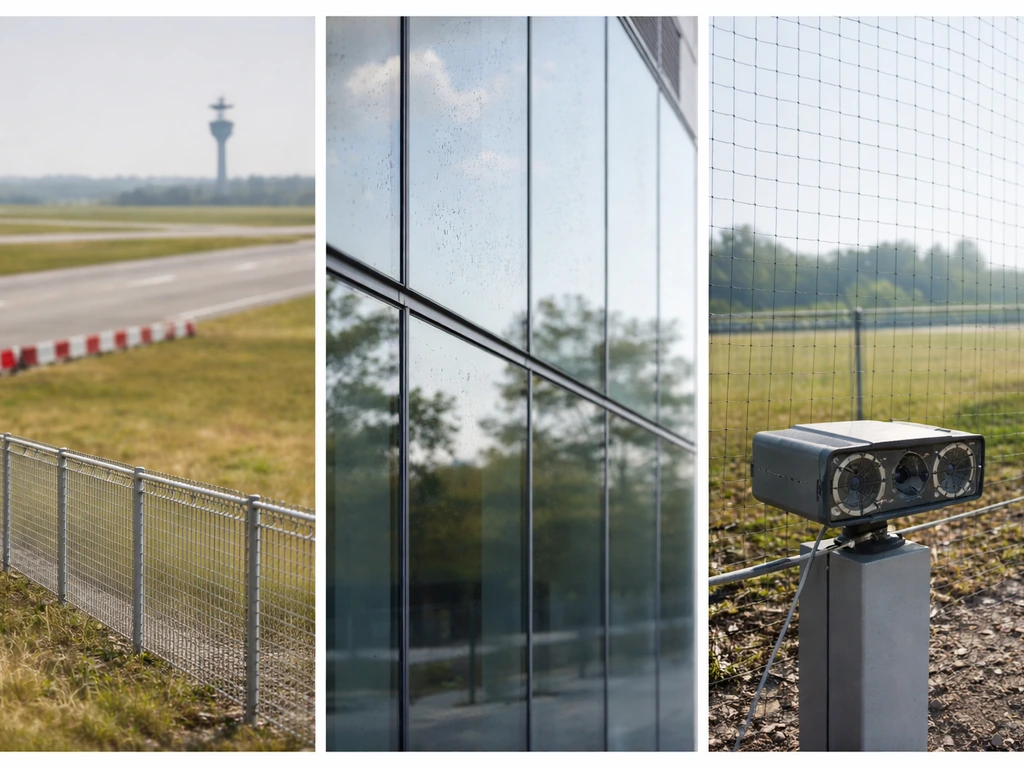
If you're in or near an aviation environment, even at the edges of private land close to an airport, be aware that bird control activities near airfields are subject to coordination with airport authorities and relevant aviation safety regulations. Visual deterrents including reflective tape can have indirect effects on bird movement patterns in those contexts, and formal wildlife management programs at airports operate under specific guidance. For anything near an active airfield, check local requirements before deploying any deterrent independently.
For most residential and commercial users, there are no specific legal restrictions on using bird scare tape for common pest bird species. However, if you're dealing with protected native species rather than common nuisance birds like pigeons, starlings, or sparrows, it's worth checking local wildlife regulations before using any deterrent method, since some species have additional protections in certain jurisdictions.
The bottom line is that bird scare tape is a legitimate, practical deterrent with real limitations. It works well as a quick-deploy, low-cost first step, especially in open sunny areas during high-pressure bird seasons. It works best when you actively manage it by moving it regularly, pairing it with other deterrents, and switching to physical exclusion when scare tactics stop doing the job.
FAQ
Does bird scare tape work indoors or in shaded areas?
It can, but only if the tape is exposed to direct sun and consistent airflow so it can flash and flutter. In enclosed garages, shaded storage areas, or near walls where it cannot move freely, the deterrent effect drops sharply, so you may need a physical barrier instead.
If I have a large yard or long fence line, how much tape do I actually need for it to work?
Yes, but you should use a larger number of shorter runs rather than one long strip. For bigger spaces, tape coverage becomes the limiting factor, so spacing strips and using clear sightlines from where birds approach matters more than adding extra tape to a single line.
Does bird scare tape work to stop birds from nesting or roosting in one spot?
If the goal is to stop landing and roosting, tape usually is not enough by itself. Tape is best for discouraging initial approaches over open, visible zones, while nets, spikes, or other exclusion methods are more reliable for areas where birds repeatedly land or nest.
How do I tell the difference between habituation and poor placement when bird scare tape isn’t working?
Start with fresh, active-flashing placement and plan to reposition at least once during the trial window. If you leave it in the exact same position, habituation often begins within days, so “it didn’t work” sometimes really means “it was never reset.”
What installation mistakes make bird scare tape ineffective?
Avoid hanging it so tight that it cannot move, and do not tie both ends in a way that prevents flutter. Also keep it out of full contact with branches, because rubbing and tight loops reduce the erratic motion that birds associate with danger.
Will bird scare tape work on pigeons and starlings specifically?
It depends on the species, but many flocking birds adapt quickly. If you see pigeons or starlings repeatedly testing the edge of the taped zone, treat tape as a short-term layer and add an audio deterrent or switch to exclusion methods for lasting results.
Can I leave bird scare tape up year-round, or should I rotate it?
Yes, but it should be treated as a time-limited tool. A good approach is to use tape during high-pressure windows, then transition to netting, spikes, or other exclusion once birds stop reacting to the visuals.
What should I do about wind damage and tape breakage?
In strong winds, thin tape can tear and create litter, which undermines effectiveness and creates wildlife risk. If your area gets frequent gusts, inspect weekly and replace damaged pieces immediately rather than waiting until “it’s fully broken.”
Why does bird scare tape fail even when it looks shiny and is installed correctly?
Most people see best results early, but if you have no direct sun or the tape cannot create flashes from the birds’ approach direction, the effect may be minimal from the start. Use a “line-of-sight check” from where birds enter the area to confirm the tape is visible and moving.
After two weeks, what is the right next step if bird scare tape still isn’t reducing bird activity?
Do not rely on tape alone for a persistent problem where birds repeatedly land, feed, or roost. If after about 10 to 14 days of correct placement you see no meaningful reduction, combine methods (for example, add auditory deterrents) or move to physical exclusion.