
Agricultural experts developing bird deterrents all start from the same place: figure out exactly which bird is causing the problem and what it is actually doing, then match the deterrent to that specific behavior. Skip that step and you will spend money on solutions that do nothing. This guide walks you through the full process, from identifying the species and the damage, to choosing and combining deterrents, to maintaining them so they keep working over time. If you are looking specifically for the best bird deterrent UK, start by matching the approach to the species and the behavior you observed.
Agricultural Experts Guide to Bird Deterrents That Work

Marcus Weatherby
23 Mar 2026
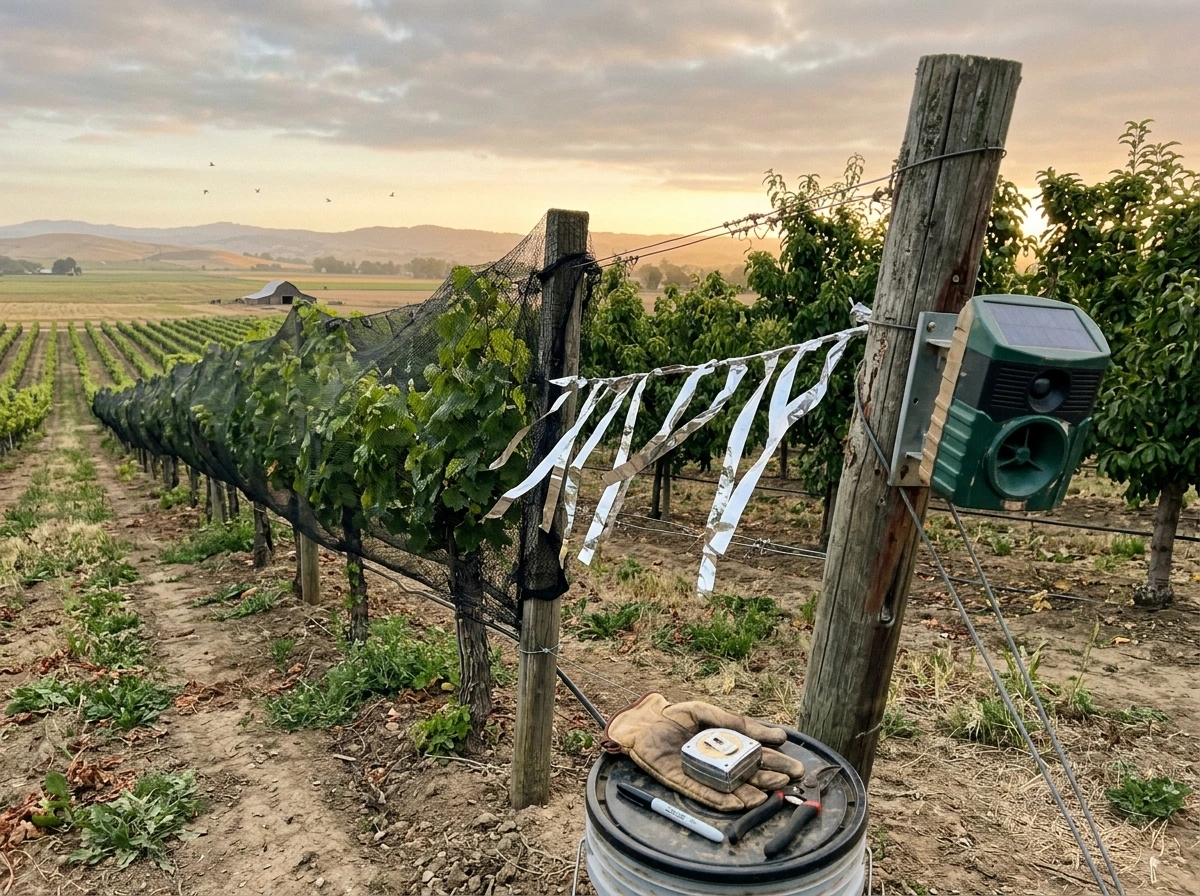
Start by identifying the bird species and what's at risk
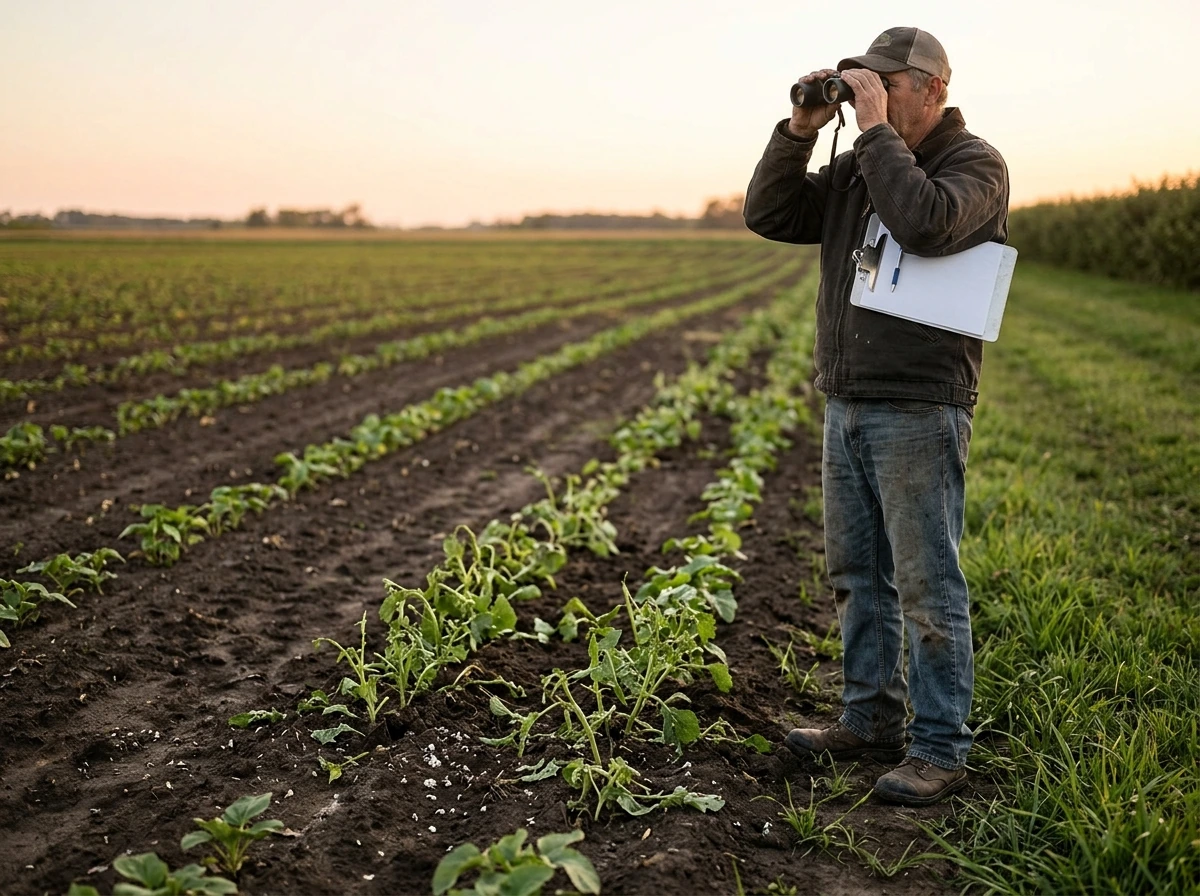
Before you buy a single device or roll of netting, spend time at the damage site. The International Center for Wildlife Damage Management (ICWDM) recommends identifying problem wildlife by looking at the evidence present at the damage location, including droppings, feeding patterns, timing, and physical markings on crops or structures. Errors in species identification are one of the core reasons deterrents fail. A crow hazing strategy will not help you if the culprit is a starling flock.
Go out at different times of day, especially dawn and dusk, and watch for a few minutes. Note the size, color, and behavior of the birds. Look for droppings, which can tell you whether birds are roosting in a fixed location or just passing through to feed. Roosting birds require a different approach than transient foragers. Droppings concentrated under a specific structure or tree line are a reliable sign you have an established roost nearby.
Once you have a likely species, think about what resource is drawing them. Is it a ripening crop? Standing water near an irrigation area? A warm roof or barn structure for roosting? Starlings and blackbirds are typically after grain and fruit. Pigeons tend to roost in structures and damage roofs and equipment with their droppings. Corvids like crows and ravens go after newly planted seed and young produce. Knowing the draw helps you choose the right deterrent category.
| Bird Species | Primary Agricultural Target | Key Behavioral Clue |
|---|---|---|
| European Starling | Grain, fruit, feedlots | Large flocks, murmuration patterns, roosting at dusk |
| Blackbirds (Red-winged, Common Grackle) | Corn, sunflower, rice | Seasonal flocks at harvest, feeding on the ground |
| Pigeons (Feral Rock Dove) | Stored grain, rooftop equipment | Concentrated droppings, cooing, perching on ledges |
| Crows / Ravens | Newly planted seed, young fruit | Digging at soil surface, fruit with clean beak marks |
| Canada Goose | Turf, pasture, ponds near crops | Heavy droppings, grazing damage, nesting near water |
| Rose-ringed Parakeet | Fruit orchards, grain | Loud calls, crop damage with clean cuts at stem |
Choose your deterrent strategy: physical, sensory, visual, or chemical
There is no single deterrent that works for every bird on every crop. What agricultural experts consistently do is combine two or three approaches, because birds habituate to any single static method over time. Here is how each category works in practice.
Physical barriers
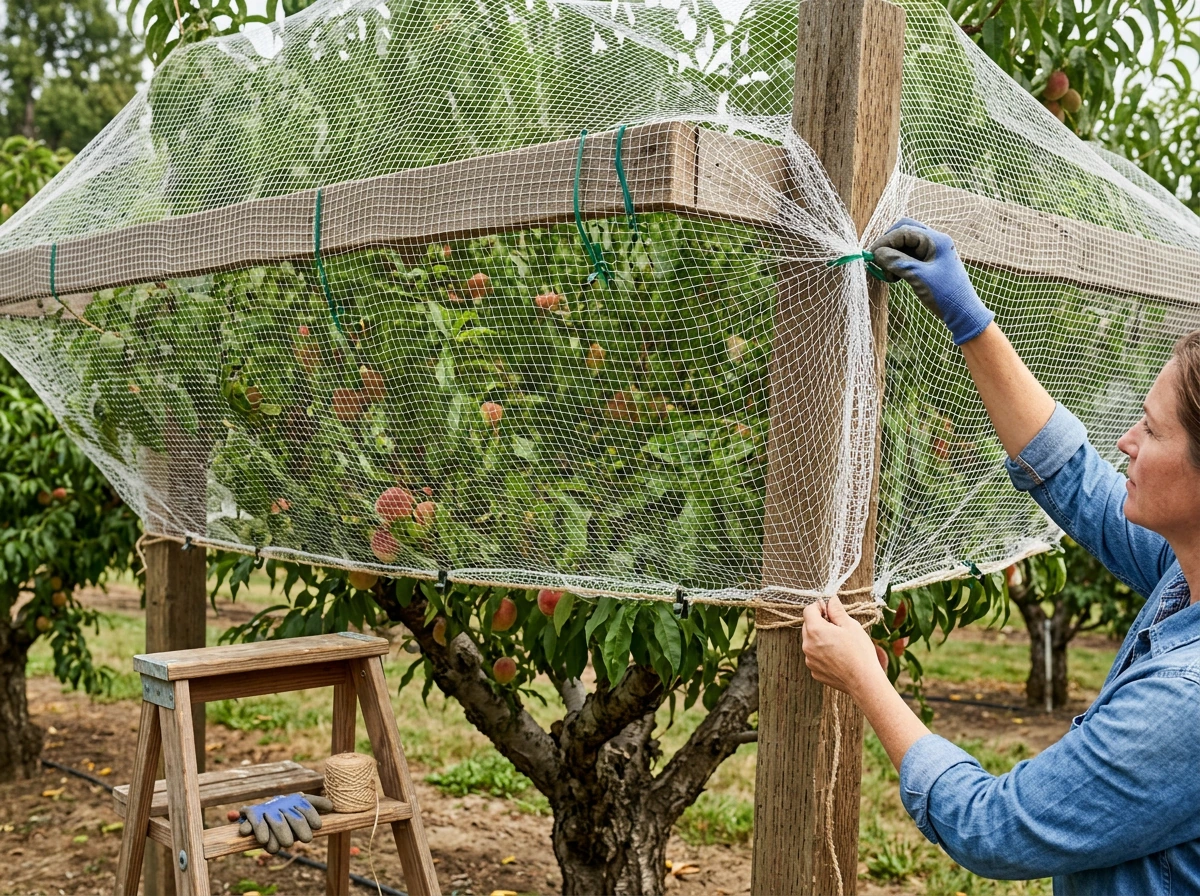
Exclusion is the most reliable long-term solution when it is feasible. Netting draped over fruit trees, berry bushes, or row crops physically prevents birds from reaching the crop without harming them. The key is using appropriately sized mesh: 3/4 inch or smaller for most songbirds and starlings, and making sure the net is taut and secured at ground level to prevent birds from walking under it. Bird exclusion netting on barns, processing facilities, and solar panel arrays works on the same principle. Spikes and ledge barriers are better suited to preventing roosting on structures than protecting open fields.
Sensory deterrents: sonic, ultrasonic, and laser
Sonic devices that broadcast recorded predator calls, alarm calls, or distress calls from the target species are widely used in agricultural settings. USDA APHIS materials confirm that distress and alarm call systems are a legitimate harassment tool, but they are subject to habituation if used continuously. USDA APHIS provides risk assessment guidance for nonchemical deterrents to help prioritize human health and safety when using wildlife damage management deterrent devices USDA APHIS materials confirm. Vary the timing, the call type, and the broadcast location regularly. Ultrasonic devices are less effective outdoors because the frequencies dissipate quickly in open air and birds do not respond to them the way rodents sometimes do.
Lasers are a different story. USDA research and APHIS environmental assessments note that laser hazing at roost sites, particularly for starlings and blackbirds, has shown promise and that habituation to lasers in field situations had not been widely observed in those studies. Green lasers (532nm wavelength) are typically used at dusk to haze birds from roost trees or structures. This is a more hands-on method that requires a person to operate the device, but it is effective as part of a nightly harassment rotation.
One emerging approach worth noting is vibration-triggered sonic devices, sometimes called Sonic Dissuaders, that activate only when a bird lands and begins pecking. Because the sound is triggered by actual bird behavior rather than running on a timer, birds do not easily learn to ignore it, which directly reduces the habituation problem.
Visual deterrents
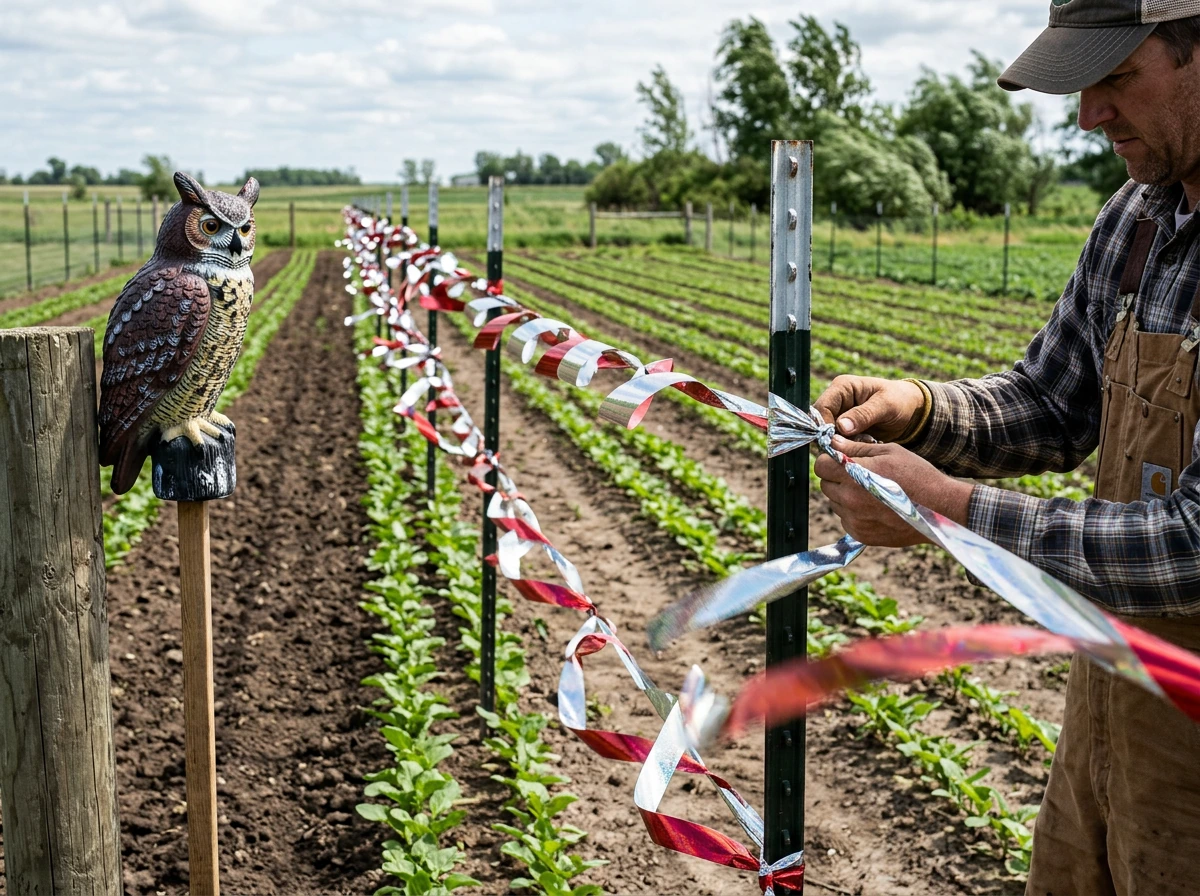
Visual scare tactics include reflective tape, predator decoys (owls, hawks, coyotes), and flash tape. These work initially because they signal potential danger. The problem, as the UC ANR bird hazing manual points out, is that mylar tape and similar static visual deterrents cause habituation fairly rapidly because there is no real danger associated with them. Birds quickly learn nothing bad happens.
To get more mileage from visual deterrents, build in movement and variability. Hang reflective tape so it spins in the wind rather than lying flat. Move predator decoys to a new location every two to three days. Use decoys with realistic detail and, if possible, ones with moving parts. Combine them with a sonic element so there is both a visual and audio cue. Alone, visual deterrents are rarely enough for an established bird problem, but they add value as part of a layered approach.
Chemical repellents
USDA-registered chemical bird repellents like methyl anthranilate (a grape-derived compound) and anthraquinone-based products can be applied to crops, turf, or treated seed to make them unpalatable or cause mild digestive discomfort that conditions birds to avoid the area. These are most useful as a preventive measure applied before birds establish a feeding habit, or as part of a hazing rotation. Always read the label for application rates, re-application schedules after rain, and any pre-harvest intervals that apply to food crops. Not all repellents are registered for all crops or states, so confirm product eligibility before purchasing.
How to implement deterrents step by step on a farm or agricultural property
The following process reflects what expert wildlife damage management programs actually recommend when setting up a deterrent system, not just buying one product and hoping for the best.
- Map the problem area. Walk the field, barn, or facility perimeter and note exactly where damage is occurring, where birds are entering, and where they are roosting or landing.
- Document the species and timing. Spend two to three mornings or evenings observing and recording what you see. Take photos if possible. This becomes your baseline for measuring effectiveness later.
- Address the attractants first. Remove or cover any food source, standing water, or shelter that is drawing birds unnecessarily. Grain spillage around processing areas, open water tanks near fields, and accessible stored feed are common draws.
- Install physical barriers at the highest-value assets first. Net the ripest or most vulnerable crop blocks, cover stored grain, and install spikes or netting on any structure where roosting is already established.
- Deploy sensory and visual deterrents at field edges and entry points. Set up propane cannons, alarm call speakers, or laser hazing at the perimeter birds use to approach the crop. Position visual deterrents near the areas where birds first land.
- Establish a rotation schedule from day one. Plan to move or change deterrents every five to seven days at minimum. Log what method was used where and when. This makes it easier to identify when habituation starts.
- Consider crop management timing as a deterrent. USDA NWRC research highlights that seasonal timing and spatial arrangement of crops influence where bird damage concentrates. Delaying planting dates to shift away from peak flock migration, or harvesting promptly when crops ripen, can reduce exposure windows.
- For roost hazing: conduct nightly laser or noise hazing starting at dusk and continue for 15 to 30 minutes as birds attempt to settle. Repeat until the roost is abandoned, which may take one to three weeks of consistent effort.
Why deterrents stop working and how to fix it
Habituation is the number one reason bird deterrents fail. If you want a deeper overview of how to choose and apply the right bird deterrents, see what is a bird deterrent as a helpful related option. If you’re wondering where to buy bird deterrents, choose products that match the species and the behavior you identified. Birds are smart and they are highly motivated to feed. When a deterrent poses no real consequence, they learn to ignore it, sometimes within days. The UC ANR bird hazing manual specifically names habituation as the central challenge in bird hazing operations and recommends switching to a different technique when it occurs.
The fix is systematic rotation and unpredictability. Do not run a propane cannon at the same intervals every day. Move sonic speakers to new positions. Alternate laser hazing nights with distress call broadcasts. If you have been using a predator decoy in one spot for more than a week, move it and change the silhouette if possible. The goal is to keep birds uncertain about whether the area is actually safe.
Maintenance also matters. Netting that has developed gaps or tears gives birds a way in and effectively trains them that persistence pays off. Inspect physical barriers weekly during high-pressure seasons. Replace faded reflective tape, which loses its effectiveness as UV degradation reduces the flash. Recharge or recalibrate sonic devices according to manufacturer schedules, since speakers that produce distorted or quiet calls lose credibility fast.
- Rotate deterrent locations every five to seven days
- Vary timing of sound-based deterrents rather than running them on fixed intervals
- Inspect and repair physical barriers weekly
- Replace faded or damaged visual deterrents promptly
- Reapply chemical repellents after rain events or at the label's recommended interval
- Log all changes and bird activity to identify patterns in what is working
Safety, legality, and humane considerations
Almost all wild bird species in the U.S. are protected under the Migratory Bird Treaty Act (MBTA). This means you cannot trap, kill, or destroy nests and eggs of most species without a federal depredation permit, even if they are damaging your crops. There are exceptions: feral pigeons, European starlings, and house sparrows are not protected under the MBTA and can be managed more freely. But for most songbirds, waterfowl, raptors, and shorebirds, your deterrents must be non-lethal unless you have a permit in hand.
If you are operating in states with additional wildlife protection statutes, check with your state fish and wildlife agency before deploying any method that could injure or kill birds, even unintentionally. Chemical repellents must be EPA-registered and used only on labeled crops and surfaces. Laser devices used for hazing should never be aimed at people, aircraft, or reflective surfaces where scatter could cause eye injury to workers.
Worker safety is also a real consideration. Propane cannons produce sharp sound reports that exceed safe noise exposure thresholds with prolonged close proximity. Workers operating in fields with active cannons should be wearing hearing protection during setup and maintenance. Laser operators should use appropriate eye protection rated for the wavelength of the device.
On the humane side, the goal of any well-designed deterrent program is to make the area unattractive, not to harm the birds. Properly installed exclusion netting should be checked daily to free any birds that may become entangled. Sticky gel repellents applied to perches can trap birds if applied too thickly, so follow application guidelines carefully and avoid using them in areas with high activity where many birds land simultaneously.
When to bring in professional bird control experts and how to measure results
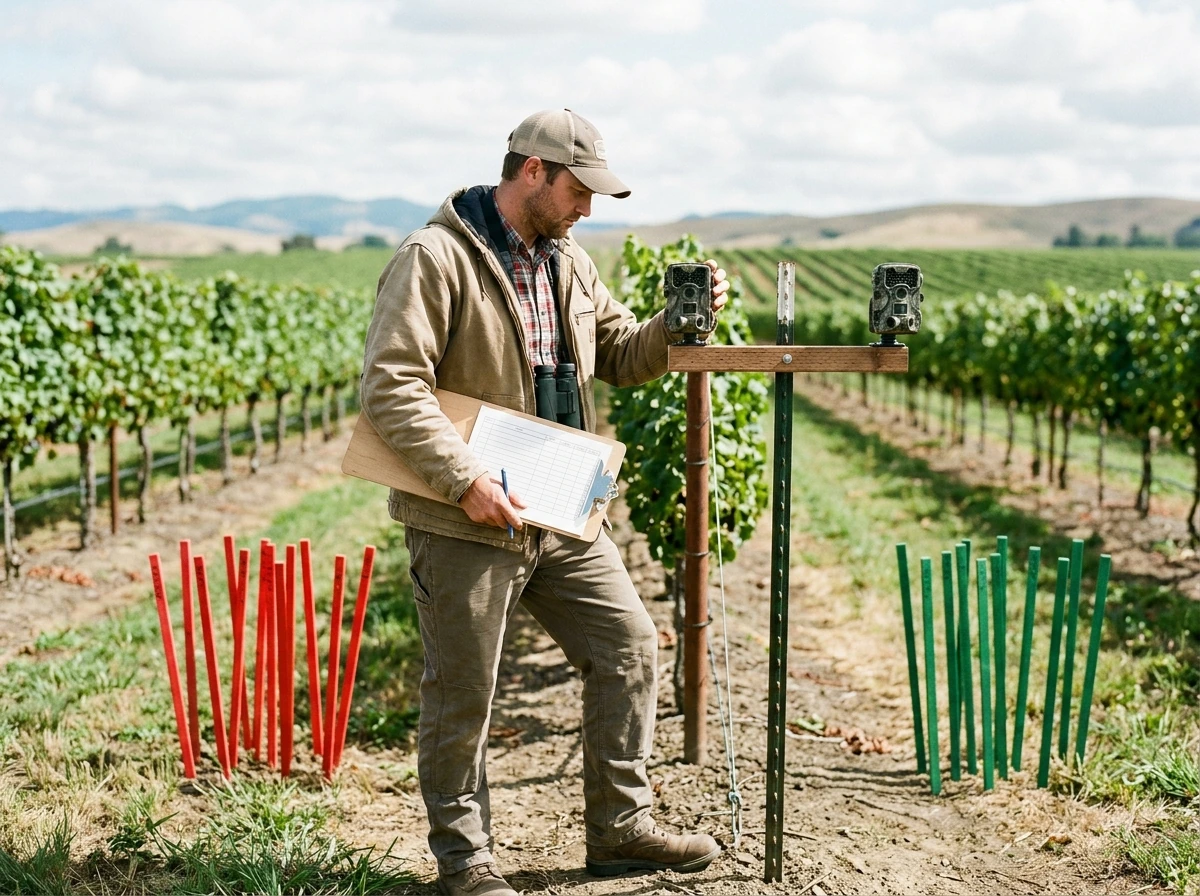
Some bird problems are manageable with a solid DIY deterrent program. Many readers looking for the best bird deterrent often start by comparing real-world recommendations and discussions online, including what people say on best bird deterrent Reddit. Others require professional help. Bring in a qualified agricultural pest or wildlife control professional when any of the following apply.
- You have tried two or more deterrent categories for three or more weeks with no measurable reduction in damage
- The flock size is in the thousands, which is common with starling or blackbird roost scenarios
- You need a federal or state depredation permit to use lethal control, since professionals can navigate that process
- The damage is at critical agricultural infrastructure like grain storage, processing facilities, or irrigation equipment where contamination risk is high
- You need to comply with food safety audits (GAP, SQF, or similar) that require documented pest management programs
- Birds have established nesting inside a structure, which triggers MBTA protections and requires careful, timed exclusion
When evaluating candidates, look for professionals certified through NWCO (Nuisance Wildlife Control Operator) programs in your state, or those affiliated with the National Wildlife Control Operators Association (NWCOA). Ask specifically about their experience with your target species and crop type, and request references from other agricultural operations. A good contractor will conduct a site assessment before quoting and will provide a written management plan.
Measuring effectiveness is straightforward if you documented your baseline. Compare daily or weekly counts of birds observed in the problem area before and after deployment. Track crop damage metrics, such as the percentage of sampled fruit showing bird damage, or the volume of grain showing contamination. For roost hazing, count the number of birds returning to the roost site each evening. A 50 percent or greater reduction over two to three weeks is a reasonable target for an active deterrent program. If you are not hitting that threshold, the deterrent mix needs to change, not just the schedule.
Your decision path and implementation checklist
If you are not sure where to start, use this short decision path to narrow your approach before spending anything.
- Identify the species causing damage and the specific behavior (roosting, foraging, nesting). Do this through direct observation before doing anything else.
- Determine whether you are dealing with a prevention scenario (birds have not established a strong habit yet) or an active damage scenario (birds are already entrenched).
- For prevention: start with chemical repellents on the crop or seed, add visual deterrents at field entry points, and install physical exclusion on your highest-value blocks.
- For active damage: lead with sensory harassment (sonic or laser hazing) to disrupt the established habit, then layer in physical barriers and chemical repellents as birds begin to disperse.
- Build a rotation schedule before you deploy anything so you are changing tactics proactively rather than reactively.
- Set a review date at two weeks post-deployment. If damage is not measurably reduced, adjust the deterrent mix or consult a professional.
The underlying principle behind every effective deterrent program, whether designed by USDA researchers, UC extension specialists, or experienced farm managers, is the same: birds make cost-benefit decisions. If you want the most dependable results, align your plan with the best bird deterrents for your species and behavior, then rotate methods to prevent habituation. Make the cost of visiting your crop or structure high enough, through enough variability and enough real-seeming threats, and they will find somewhere easier.
Get the species right, layer your methods, and keep rotating, this is the best bird deterrent uk approach. You can also use the same species-specific, layered approach to choose the best bird deterrent Australia for your situation. best bird deterrent uk
FAQ
How long should I test a deterrent before deciding it is not working?
For most layered bird deterrent setups, plan for at least 2 to 3 weeks with documented bird counts and crop-damage sampling. If you do not see a meaningful drop (for example, around a 50 percent reduction) by then, the issue is usually species mismatch or habituation, so switch technique categories rather than only changing timing or intensity.
What is the safest first step if I cannot confidently identify the bird species?
Do a behavior-led reassessment at dawn and dusk and match evidence first (roosting locations, droppings distribution, feeding timing), not just appearance. If you still cannot distinguish similar species, start with exclusion where feasible (netting with correct mesh and ground-level sealing) because it does not rely on birds being scared by species-specific cues.
Do I need to worry about roosting behavior versus only protecting feeding areas?
Yes. If birds are returning to a fixed roost, protecting only the feeding crop may reduce damage temporarily but the problem can rebound nightly. Use your droppings and timing observations to decide whether to combine crop exclusion with a nightly roost harassment rotation (such as lasers or distress/alarm calls) at the roost site.
Can I use one deterrent all season as long as I keep it running?
Not reliably. Birds habituate to consistent cues, especially static visual or continuously repeating audio. Even if the device stays on schedule, you should rotate call types, move speaker positions, change visual placement, and alternate techniques so the risk signals do not become predictable.
How should I handle netting if birds can still access the area at ground level?
Netting failures often happen when birds can walk under or through gaps. Make sure the net is taut, secured along edges, and sealed at ground level, then inspect for new access points weekly during high pressure. Repairing small tears quickly matters because it can effectively teach birds that persistence works.
What is the most common mistake with reflective tape and other static visual deterrents?
Leaving visual deterrents in the same position so birds learn there is no real consequence. Use tension and mounting so tape spins in wind, replace faded tape (UV reduces reflectivity), and reposition decoys on a 2 to 3 day cadence to maintain variability.
Are ultrasonic devices worth buying for outdoor farms?
They are often disappointing outdoors because sound waves spread and lose intensity in open air. If you try them, treat them as supplementary at close range and do not rely on them alone. Your better plan is to combine audio methods that have proven behavior responses, plus exclusion or true deterrent rotations.
Do lasers require me to operate them manually, and how should I use them safely?
Field laser hazing for roost sites is typically an operator-based nightly activity, and it should only be used as directed for the target wavelength and setting. Never aim at people, aircraft, or reflective surfaces where stray light could cause eye injury, and ensure operators use wavelength-appropriate eye protection.
What is a good way to measure success beyond just counting birds?
Track crop impact in addition to bird sightings. Use a simple sampling plan, like the percentage of fruit with pecking or the volume of grain contaminated, and compare pre-deployment baselines to weekly results. For roost sites, count birds returning each evening to see whether harassment is reducing nightly activity.
When is it better to call a professional instead of continuing DIY?
Bring in a qualified wildlife control operator when the species is hard to identify, when roosting is persistent across multiple structures, when you are dealing with large infestations, or if you need help designing a compliant and safe plan under wildlife protection rules. A good contractor should do a site assessment, propose a written management plan, and discuss permit constraints if applicable.
How do I stay compliant with the Migratory Bird Treaty Act while using deterrents?
Use non-lethal, deterrent-focused methods and avoid any activity that would trap, kill, or destroy nests or eggs for protected species. If your situation appears to require exceptions, do not proceed on your own, contact the relevant wildlife authority for guidance and permits, and also check state rules that may add extra limits.
What should I do if I already see birds roosting in a specific tree or structure?
Treat it as a roosting problem, not just a crop problem. Plan nightly harassment at the roost location, rotate techniques (for example, laser nights mixed with alarm or distress call nights), and consider movement in decoy placement. You may also need structure-focused barriers if the birds are selecting a consistent landing or perching spot.