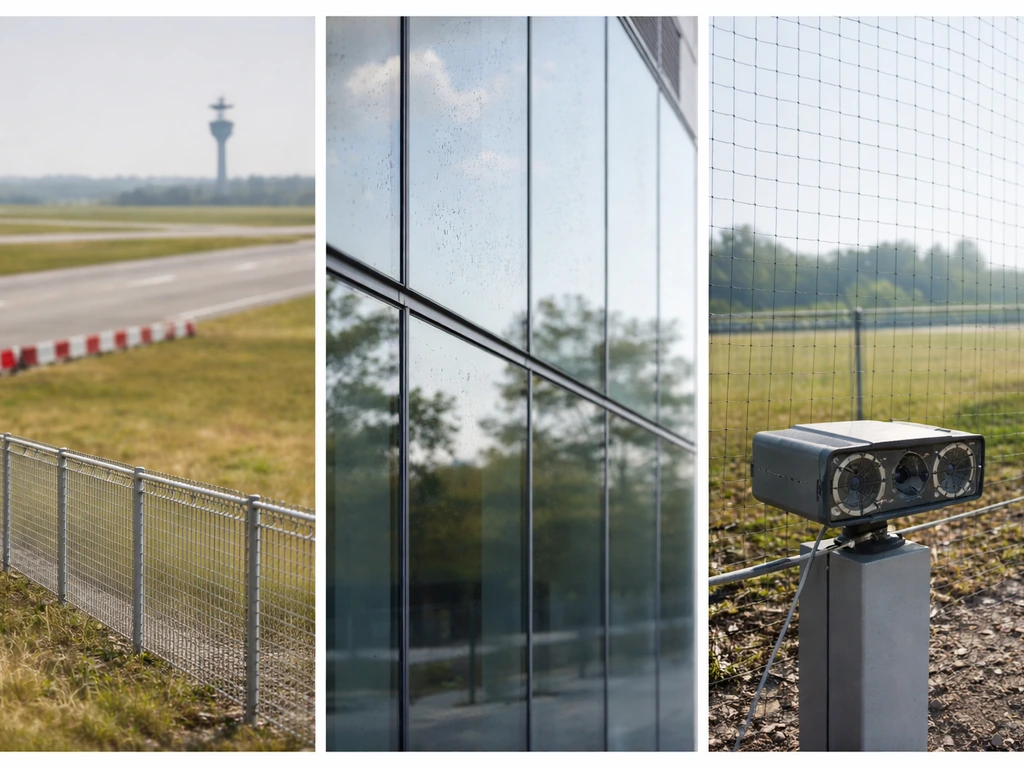
The top 10 bird killers in and around homes are window collisions, cats, entrapment in vents, drowning in pools or water features, toxic pesticides, sticky traps, entanglement in netting or wire, vehicle strikes, exposure to rodenticides, and collisions with fences or structures. USGS reports that up to two billion birds are killed each year in the United States due to collisions with glass [up to two billion birds are killed each year in the U. S.
Top 10 Bird Killers and Humane Prevention Steps

Marcus Weatherby
22 May 2026
due to collisions with glass](https://www. usgs. gov/labs/bird-banding-laboratory/science/bird-window-collisions). Audubon summarizes research estimating that U.
S. building-related collision mortality kills about 1. 3 to 3. 5 billion birds per year [window collisions](https://www.
audubon. org/magazine/window-strikes-are-even-deadlier-birds-we-thought). Most of these are preventable with the right barrier, deterrent, or simple habitat change. This guide walks through each one, tells you how to spot which problem you're dealing with, and gives you concrete steps to fix it without harming birds in the process.
Leading causes of bird deaths in and around homes
Before you can fix a problem, you need to know what's actually killing birds on your property. Some causes are obvious (a bird lying beneath a window), others are slow and less visible (rodenticide exposure, entrapment in roof vents). Here are the categories that account for the vast majority of bird deaths at residential and commercial sites.
- Window and glass collisions: Up to 2 billion birds are killed annually in the U.S. by striking glass. Birds don't see the glass itself. They see the reflection of sky or trees and fly straight into it. This makes windows the second leading direct human-caused bird mortality, just behind cats.
- Cats (feral and free-roaming): Cats are the single leading direct human-caused killer of birds in the U.S., responsible for billions of deaths per year. Even well-fed domestic cats hunt instinctively.
- Entrapment in vents and cavities: Uncovered dryer vents, roof vents, and open soffits are common death traps. Birds enter to nest, get stuck, or are unable to exit.
- Pool and water feature drowning: Birds that land in pools, troughs, or fountains with steep or slippery sides can exhaust themselves and drown, especially fledglings.
- Pesticide and herbicide exposure: Insecticides applied to lawns and gardens kill insects that birds eat, or poison birds directly through contact or consumption.
- Sticky traps and glue boards: Devices meant for rodents or insects can trap and injure or kill birds that land near them.
- Entanglement in netting, wire, or fishing line: Improperly installed or loose netting, barbed wire, or discarded fishing line catches birds and causes fatal injuries.
- Vehicle strikes: Birds foraging on roads or near parking lots are frequently hit, especially in areas with heavy ground-feeding species.
- Rodenticide secondary poisoning: Birds of prey (hawks, owls, kestrels) eat rodents that have consumed anticoagulant poison. The poison then accumulates in the bird.
- Structure and fence collisions: Low fences, guy wires, antennas, and reflective surfaces on commercial or industrial buildings cause collisions similar to window strikes, particularly at night or in poor visibility.
Top 10 bird killers mapped to real solutions
Here's the practical list: each hazard paired with the intervention that actually works. These aren't theoretical fixes. They're the methods that bird-control professionals and wildlife managers use day to day.
| Bird Killer | Best Intervention | Difficulty |
|---|---|---|
| Window and glass collisions | Collision-deterrent window film, exterior screens, or UV-reflective dots on glass | Low to Medium |
| Cats (feral and free-roaming) | Exclusion fencing, motion-activated sprinklers, keep pet cats indoors | Medium |
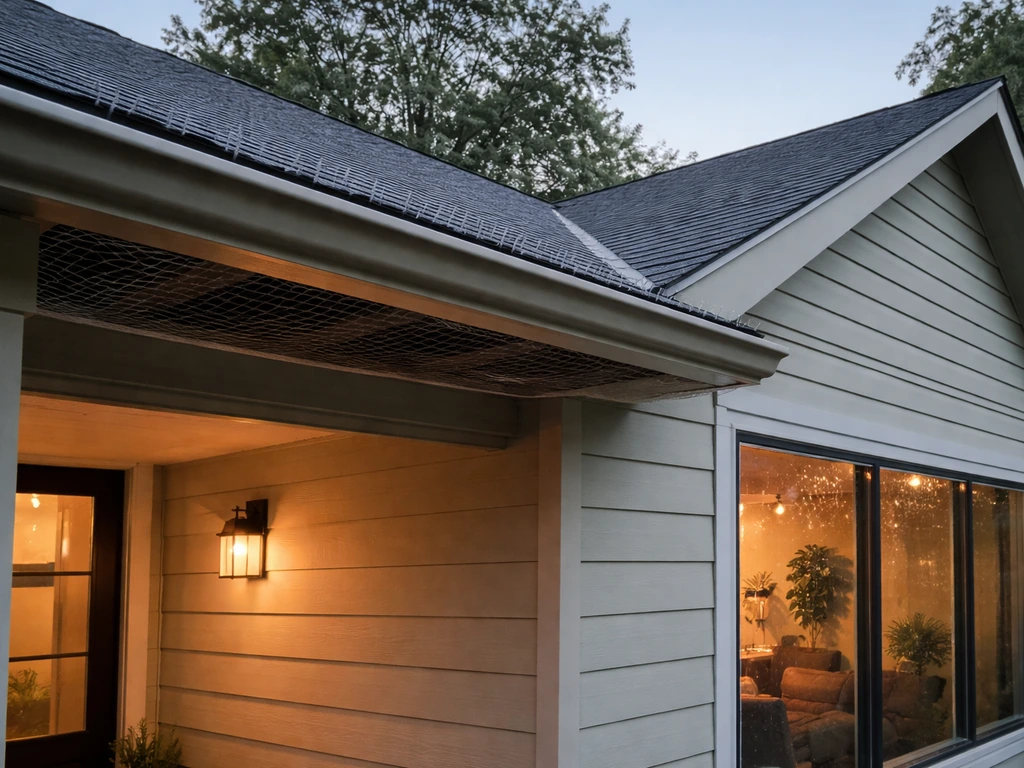
| Entrapment in vents/cavities | Hardware cloth covers, commercial vent guards, professional exclusion | Low to Medium |
| Pool and water feature drowning | Pool covers, slope-ramps, escape ladders, or mesh over water features | Low |
| Pesticide/herbicide exposure | Switch to bird-safe integrated pest management (IPM), reduce or eliminate lawn chemicals | Low |
| Sticky traps and glue boards | Remove immediately, replace with snap traps or enclosed bait stations away from birds | Low |
| Netting/wire entanglement | Use properly tensioned, fine-mesh exclusion netting designed for bird control; remove loose materials | Medium |
| Vehicle strikes | Reduce attractants near roads (spilled seed, standing water); install speed reduction signage in commercial lots | Low to Medium |
| Rodenticide secondary poisoning | Switch to first-generation rodenticides or non-toxic traps; avoid broadcast anticoagulants outdoors | Low |
| Structure and fence collisions | Apply reflective tape, collision markers, or bird-safe markings to low structures; add visual breaks to guy wires | Low to Medium |
Notice that most of these solutions don't require killing or capturing any bird. They modify the environment so birds stop encountering the hazard in the first place. That's what effective bird control actually looks like.
How to identify which risk is affecting your specific space
You don't need to guess. The clues are usually right there if you know what to look for. Walk your property and ask these questions for each area.
Windows and glass surfaces
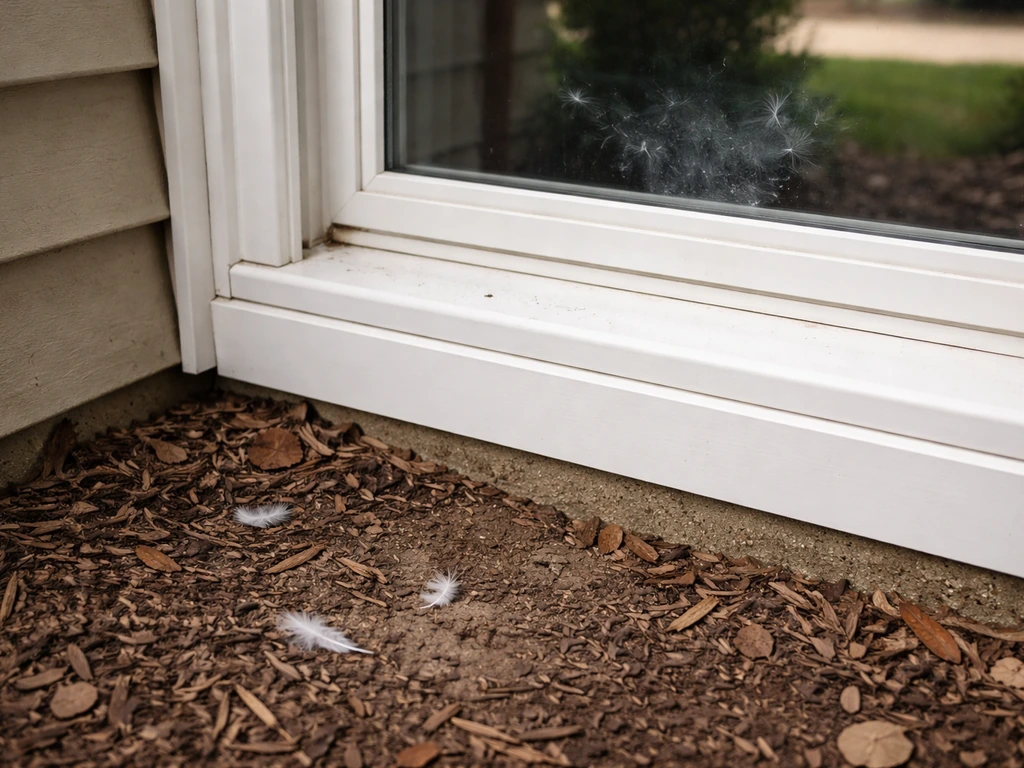
Look for feather smudges, oil prints, or dead/stunned birds on the ground below windows. If you find one or two per season, you have a low-level collision problem. If you're finding multiple birds per month, you likely have a highly reflective window facing a garden or open sky. Windows facing bird feeders are particularly hazardous.
Roof vents, soffits, and gaps
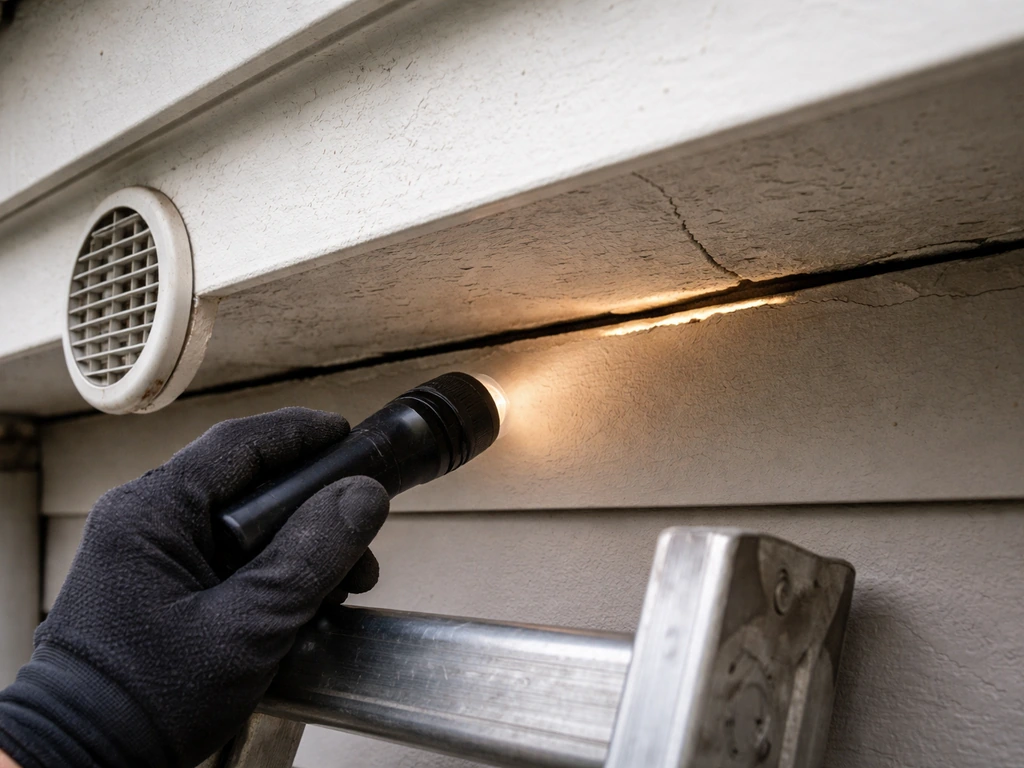
Listen for scratching or chirping inside walls or eaves, especially in spring. Check dryer and bathroom exhaust vents from outside. If the flap doesn't close completely or is missing, you have an entry point. Starlings, sparrows, and swifts are the most common offenders.
Patios, pools, and gardens
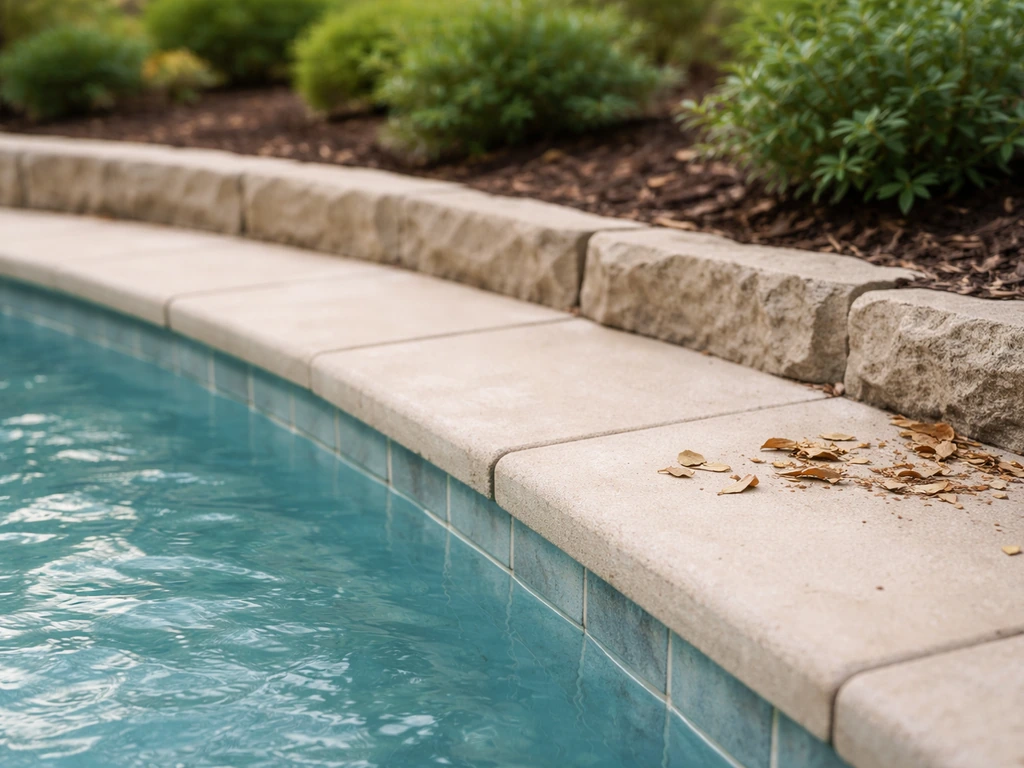
If you're finding dead or injured birds near your pool or fountain, look at the wall angle. Birds that land on tile pools with no exit ramp can't climb out. For gardens, check whether you've recently applied pesticides and whether the local bird population has declined noticeably.
Roofs, solar panels, and commercial sites
Pigeon or starling droppings concentrated under solar panels, on ledges, or along rooflines tell you birds are roosting there. Look for nesting material in gaps around the panels. Commercial buildings should also check exterior lighting at night since lit buildings during migration season attract and confuse birds, leading to collision events. Aviation-adjacent sites have additional zoning and wildlife management considerations that go beyond DIY scope.
Best prevention and exclusion methods
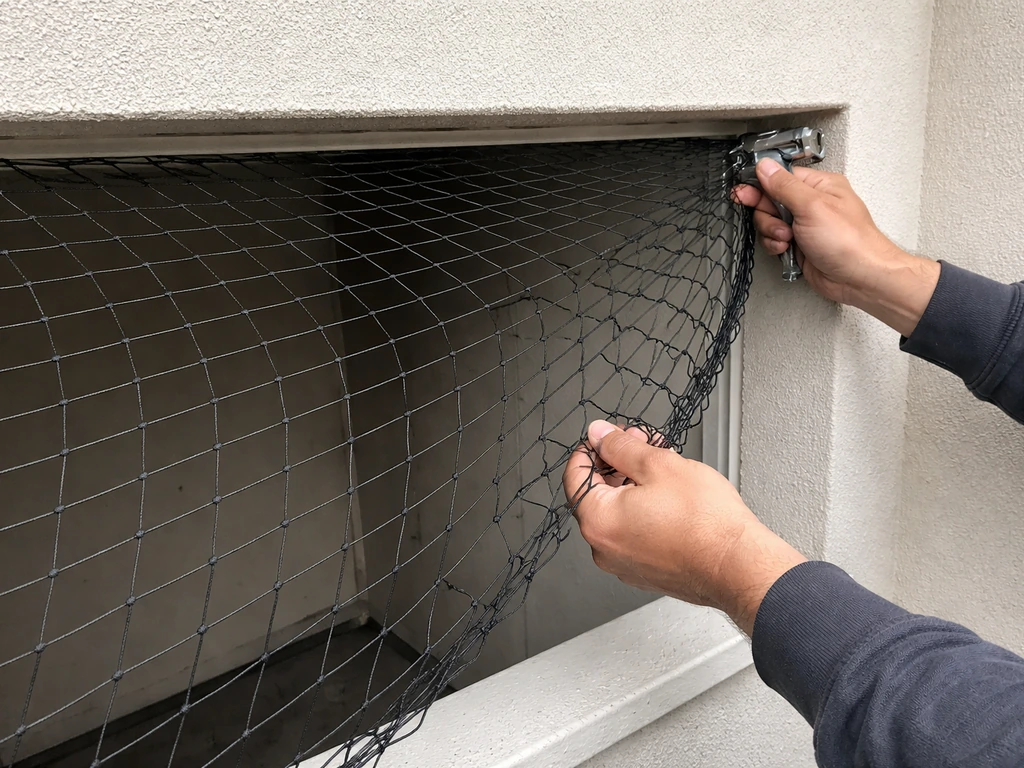
Physical exclusion is the most reliable long-term solution for most bird problems. When properly installed, it stops the issue completely without repeated maintenance or ongoing cost. Here's how to use the main types correctly.
Bird netting
Heavy-duty polypropylene or knotted nylon netting works for large open areas: under solar panels, across loading bays, over garden beds, and beneath bridge structures. The key is tension. Loose netting is dangerous because birds can get tangled in the sag. Use proper tensioning cables and anchor points, and choose mesh size appropriate to the bird species you're targeting (19mm for sparrows and starlings, 50mm for pigeons and larger birds).
Bird spikes
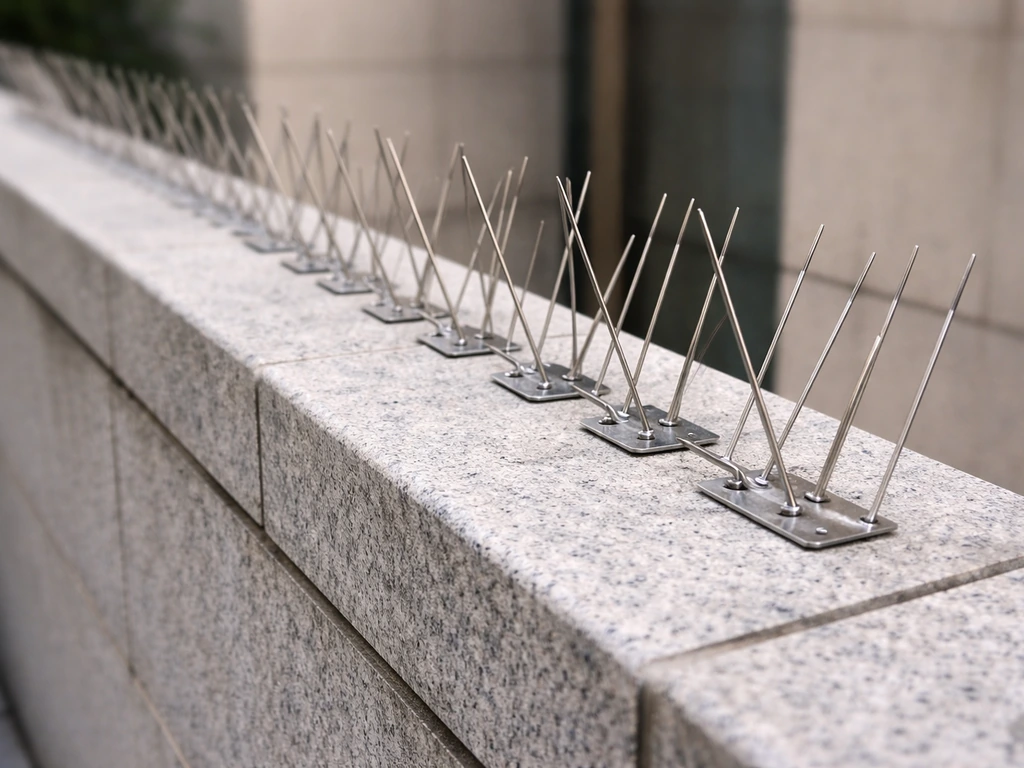
Spikes work best on ledges, parapets, railings, and roofline edges where pigeons and gulls like to perch and roost. Stainless steel spikes are the most durable option. Install them with no gaps between sections (birds will use any gap wider than 2 inches). Spikes do not harm birds. They make a surface impossible to land on comfortably. They're not effective in open areas or on curved surfaces without specialized products.
Vent guards and cavity exclusion
Hardware cloth (galvanized 1/4-inch or 1/2-inch mesh) cut to size and secured over vents is the simplest and most cost-effective vent guard. Commercial louvered vent covers with integrated wire mesh are also widely available. Check them annually since plastic clips can fail and mesh can corrode or pull away.
Window collision film and treatments
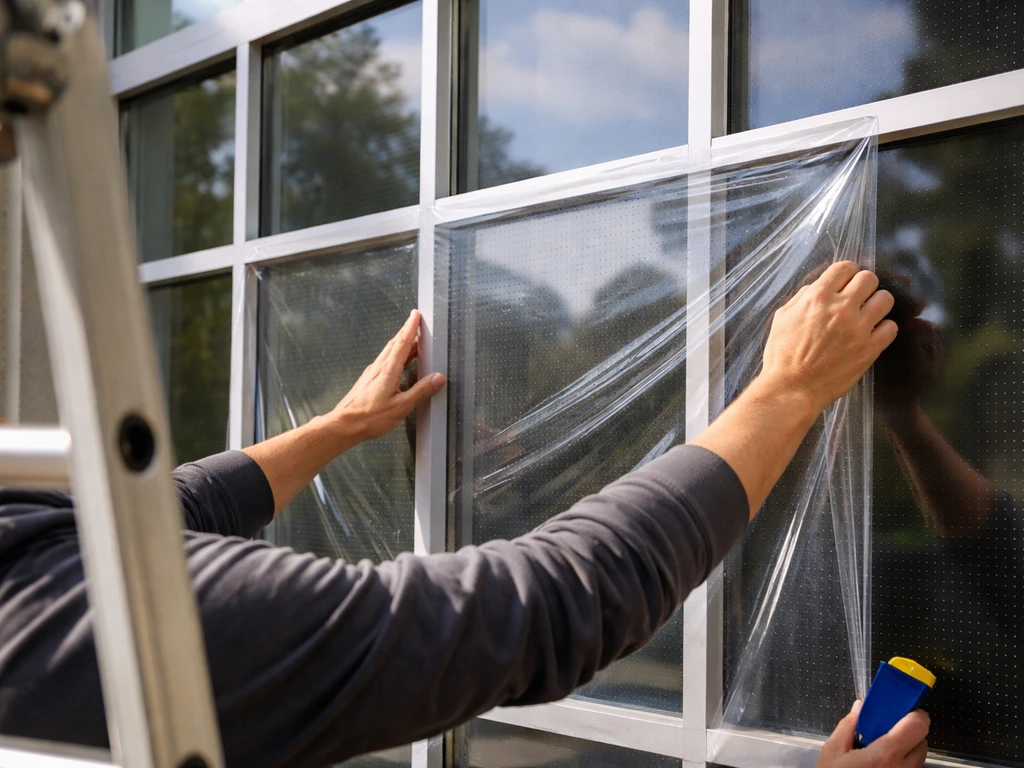
This is the highest-impact fix for window collisions. Options include exterior window screens (most effective), ABC Bird Tape or similar collision-deterrent tape in a 2-inch by 4-inch pattern, Feather Friendly dot patterns applied to glass, and UV-reflective film that birds can see but humans barely notice. The pattern spacing matters: horizontal stripes no more than 2 inches apart, vertical lines no more than 4 inches apart. A Philadelphia café retrofit using dot patterns dropped its annual bird collision count from 40 birds per year to just 4 in 2024 after treatment. That's a 90% reduction from a relatively simple fix.
Sensory and visual deterrents that reduce harm
Physical exclusion handles the roosting and nesting problems. Sensory deterrents are better suited for open spaces where netting and spikes aren't practical, such as large patios, flat rooftops, orchards, and parking lots.
Visual deterrents
Reflective tape, Mylar balloons, predator decoys (hawk kites, owl models with moving heads), and holographic foil strips all work by exploiting birds' natural fear responses or disrupting their perception of a safe landing area. The limitation is habituation. Birds figure out that the fake owl doesn't move. Rotate positions every few days, combine methods, and use decoys with movement (spinning, flapping, or wind-driven) to slow down that habituation.
Sonic deterrents
Sonic bird deterrents broadcast predator calls, distress calls, or species-specific alarm sounds through weatherproof speakers. They're effective for open areas like fields, large flat roofs, loading docks, and agricultural settings. Programmable units that vary call timing and type are more effective than units that loop the same sound. Neighbors and local noise ordinances matter here. Check whether your site has sound level restrictions before installing outdoor audio systems.
Ultrasonic deterrents
Ultrasonic devices emit high-frequency sound above human hearing range. The evidence for their effectiveness on birds is mixed. Most birds hear in a similar range to humans, so true ultrasonic frequencies don't reliably deter them. Ultrasonic units work better on rodents than birds. If a product claims to repel birds ultrasonically, treat that claim skeptically and look for documented field results.
Laser deterrents
Automated laser systems that sweep moving green laser beams across roosting areas are increasingly used in commercial agriculture, airports, and large warehouses. Birds interpret the moving beam as a threat and leave the area. These systems are expensive but effective for large-scale problems. Manual laser pointers (handheld) have some short-term effectiveness at dusk dispersal but aren't a substitute for a systematic deterrent program.
Chemical repellents and safety and legality considerations
Chemical repellents occupy a narrow, carefully regulated space in bird control. They're not a first resort, and some commonly available products cause serious harm if used incorrectly.
What actually works
The most widely used and EPA-registered bird repellents are methyl anthranilate (a grape-derived flavor compound that irritates bird mucous membranes without harming them) and polybutene gel. Methyl anthranilate is available as a fogging liquid or spray and is used in turf, vineyards, and ponds to deter geese and waterfowl. Polybutene gel is a sticky, non-toxic substance applied to ledges that makes surfaces uncomfortable to land on, similar in concept to spikes but covering curved or irregular surfaces.
What to avoid and why
Avitrol is a poison marketed as a "bird repellent" but it causes seizures and death in birds that consume it, and is illegal to use without a license in many states. Anticoagulant rodenticides used near bird-populated areas cause secondary poisoning in raptors and corvids. Any poison placed where birds can access it directly is almost certainly illegal under the Migratory Bird Treaty Act, which protects most native species. Sticky glue boards placed outdoors near bird activity areas have the same problem. The legal and ethical standard is clear: the goal is deterrence, not lethal control, for protected species.
Children, pets, and environmental safety
Even non-toxic repellents require care. Polybutene gels can trap small birds if applied too thickly and can foul the feet and feathers of non-target animals. Methyl anthranilate foggers should not be used near people with asthma or respiratory sensitivities. Always read label instructions and observe required buffer distances from water features, since some formulations are harmful to aquatic invertebrates.
DIY vs pro-grade solutions for residential, commercial, and aviation-adjacent sites
The honest answer is that most residential bird problems are DIY-solvable. Window film, vent covers, basic spikes, and pool escape ramps are all products a homeowner can install in an afternoon. Where professional help becomes necessary is when the scale, height, liability, or regulatory complexity goes beyond what a homeowner can safely manage.
| Scenario | DIY or Pro? | Why |
|---|---|---|
| Single window with collision smudges | DIY | Window film or tape is easy to apply and inexpensive |
| One or two roof ledge perch spots | DIY | Standard spike strips install with adhesive or screws |
| Dryer vent or bathroom vent cover | DIY | Hardware cloth and zip ties handle most cases |
| Active bird nest in vent (during nesting season) | Pro | Migratory Bird Treaty Act restrictions apply; removal requires permits in most cases |
| Solar panel exclusion for a full roof array | Pro or advanced DIY | Requires working at height with proper safety gear and correct mesh tensioning |
| Commercial warehouse or loading dock | Pro | Scale, liability, and recurring service contracts justify professional involvement |
| Airport or aviation-adjacent property | Pro (wildlife management specialists) | Aviation wildlife hazard requires FAA-coordinated management and licensed professionals |
| Large-scale pigeon or starling infestation | Pro | Integrated approach (exclusion, trapping, ongoing monitoring) exceeds typical DIY scope |
For commercial sites and anything aviation-adjacent, skip the DIY phase entirely. Aviation wildlife management is a specialized field that intersects with FAA regulations, Part 139 airport certification requirements, and coordinated wildlife hazard assessments. A licensed wildlife control operator with aviation experience is the right call there.
For residential use, the best bird control products are widely available online and at hardware stores. You don't need pro-grade equipment for a patio or a garden. But if you want to compare general approaches before buying anything, it helps to understand the broader landscape of what makes a bird control solution effective. That's worth reading up on separately to learn what makes a bird control solution effective. That's worth reading up on separately.
Monitoring results and choosing your next steps
Installing a deterrent or barrier isn't the end of the process. Birds are adaptable, and what works in week one may need adjustment by week four. Here's how to know whether your solution is actually working.
How to measure whether it's working
- Establish a baseline before you install anything. Count collision events, bird sightings in the problem area, or droppings in a given week. Write it down.
- After installation, check the same metrics weekly for the first month.
- Look for signs of workaround behavior: birds roosting just outside the spiked area, nesting in a vent adjacent to the covered one, or finding a new window to strike.
- For visual deterrents, watch for habituation. If birds start landing near the decoy without hesitation, it's time to move it or replace it with something different.
- At 30 days, compare your post-install numbers against your baseline. A 70% or greater reduction is a good result. Below 50% means your solution is incomplete or wrongly targeted.
When to escalate or change approach
If a single method isn't getting results within 30 days, layer in a second approach. Physical exclusion plus a visual deterrent usually outperforms either alone. If you're still dealing with entrapment or injury events after exclusion attempts, the gap or entry point you've missed is almost certainly still there. Do another full walkthrough of the structure, ideally at dusk when birds are returning to roost and will visibly show you where they're entering.
Keeping it humane through the process
The goal of this whole process is to stop birds from being harmed on your property, and to stop birds from causing harm to your property. Those two outcomes are compatible. The most effective long-term bird control strategies are the ones that make a space genuinely uninviting to birds without injuring or killing them. That means prioritizing exclusion and deterrence, avoiding poisons and sticky traps, and being willing to iterate when something isn't working. If you want the best bird killer outcomes, focus on prevention and exclusion methods that stop collisions, entanglement, and poisoning in the first place. For many homeowners and businesses, choosing a humane, exclusion-first approach is the foundation of a good life bird control plan.
If you're evaluating specific products or want to understand what separates a genuinely effective solution from a gimmick, understanding what makes any bird control method work is a useful next step. If you are weighing options for the specific job of bird control, you can also compare DIY methods like the best bb gun for bird control against humane deterrents. And if lethal control is something you're considering for pest species like feral pigeons or invasive starlings, the legal and practical considerations around that deserve their own careful look before you act.
FAQ
Are the “top 10 bird killers” the same everywhere, or should I expect different causes in my area?
They usually come from the same categories (collisions, cats, entrapment, toxic exposure), but the mix changes with local bird species, building layout, and seasonal migration. If you see birds repeatedly at the same spots, prioritize the hazard that matches that behavior, for example, window strikes near a feeder usually point to visual collision risk rather than roosting entry points.
How can I tell whether my problem is a collision issue versus an entrapment or roosting issue?
Collision events tend to show injured or dead birds directly under landing areas like windows and bright glass, often with feather smears or oil marks. Entrapment shows up as birds hitting a surface or disappearing into eaves, rooflines, or vents, then reappearing distressed or not leaving. A simple check is to observe at dusk and early morning, when birds actively return to roost and entry points become obvious.
Do I need to cover every window, or just the ones facing the yard?
Cover the windows that birds can see through or interpret as open sky, especially those facing feeders, gardens, reflective landscaping, or open outdoor light. If only one side of the building has bird activity, start there, because treating all glass at random can waste money and still leave the main hazard untouched.
What’s a common mistake with bird netting that makes it more dangerous than helpful?
Loose, sagging netting is the biggest problem. Birds can become tangled in slack areas, especially over time if anchors loosen or tension changes due to weather. Use correct mesh size, tensioning cables, and inspect after storms. If you see any droop, retension immediately rather than waiting for a scheduled maintenance date.
How often should I inspect vent covers and exclusion barriers?
At least once per year, and more often on exposed rooflines where clips loosen or corrosion can develop. Also check after any nearby work like landscaping, roof repair, or gutter changes, because small alignment changes can create new gaps even when the original installation was correct.
Will predator decoys or reflective tape keep working long term?
Most visual deterrents lose effectiveness as birds habituate. Decoys and tape can still help, but you typically need rotation and repositioning every few days to a couple of weeks. The best results usually come from combining a visual method with a physical barrier or a second deterrent type, so birds cannot safely land even after they “learn” the decoy is not a threat.
Are ultrasonic and “bird repellent” sound devices worth trying?
They are often inconsistent for birds. If a unit claims strong bird-specific results without clear field evidence, treat it cautiously. If you do try sound, choose programmable models that vary timing, and confirm you can comply with local noise rules. In many residential settings, physical exclusion and window treatments provide more reliable outcomes.
Can I use a UV film or dot pattern on all glass types, including curved or skylights?
Straight, flat glass is easiest to treat effectively, but curved or specialty surfaces can need carefully matched products and correct pattern alignment. Before applying to skylights or unusually shaped windows, test a small section and monitor collision activity for a few weeks, because poor coverage or pattern mismatch can leave a workable “landing path” for birds.
What should I do if birds keep getting into my attic or walls after I install vent guards or screens?
If birds persist, there is likely another entry path. Do a structured walkthrough at dusk to see where they enter, then re-check for gaps around soffits, roof penetrations (pipes and cables), damaged eave edges, and poorly sealed access points. The exclusion piece must be complete, because sealing one vent without addressing roofline and eave gaps can simply move the problem to the next opening.
If a product is labeled “repellent,” how do I know it is actually humane and safe?
Look for deterrent-only ingredients and application methods designed to prevent landing or approach, not products that can injure birds if they make contact. Avoid anything positioned as a poison “repellent,” and be especially careful with products that can also affect non-target animals or aquatic life near water features. When using any repellent, follow buffer-distance guidance and label restrictions exactly.
Is it legal to use bird poisons, glue boards, or trap-and-kill methods on native birds?
In many places, it is illegal to harm or possess most native birds, and poison or glue applications can also violate wildlife protection rules even if the label markets them as “repellent.” If you are considering anything lethal or potentially harmful to protected species, stop and confirm local legal requirements or hire a properly licensed wildlife control professional.
What’s the best next step if my first solution doesn’t work after a month?
Reassess the hazard location and add a second strategy rather than switching randomly. A common high-success pairing is physical exclusion plus a visual deterrent. Also repeat the “find the entry point” walkthrough at dusk, because persistent injury or trapping after exclusion usually means there is still a gap or a route you missed.
Do birds use pool areas differently than we expect, and how do I prevent drowning without making the pool unsafe?
Bird drowning often happens when the landing area is hard for birds to climb. Add an escape ramp or textured exit designed for wildlife, and ensure it remains usable during the times birds arrive most, often early morning or evenings. Also consider clearing nearby obstacles that can trap birds in corners so they have a clear path to the exit.
Next Article
What Is Already Being Done to Prevent Bird Collisions
Learn what’s already used to prevent bird collisions, from airport safeguards to building glass and humane deterrents, p