
Airports prevent bird strikes through a layered system that starts long before any plane takes off: they assess the site for bird attractants, modify the habitat to make the airfield unappealing, then deploy active deterrents and physical exclusion to keep birds out, and finally track every incident so the strategy keeps improving. No single device or tactic does the job alone. The whole system works because each layer catches what the previous one misses. These same strategies are what airports use to prevent bird collisions by reducing attractants and applying layered deterrence.
How Do Airports Prevent Bird Strikes A Practical Guide

Marcus Weatherby
4 May 2026
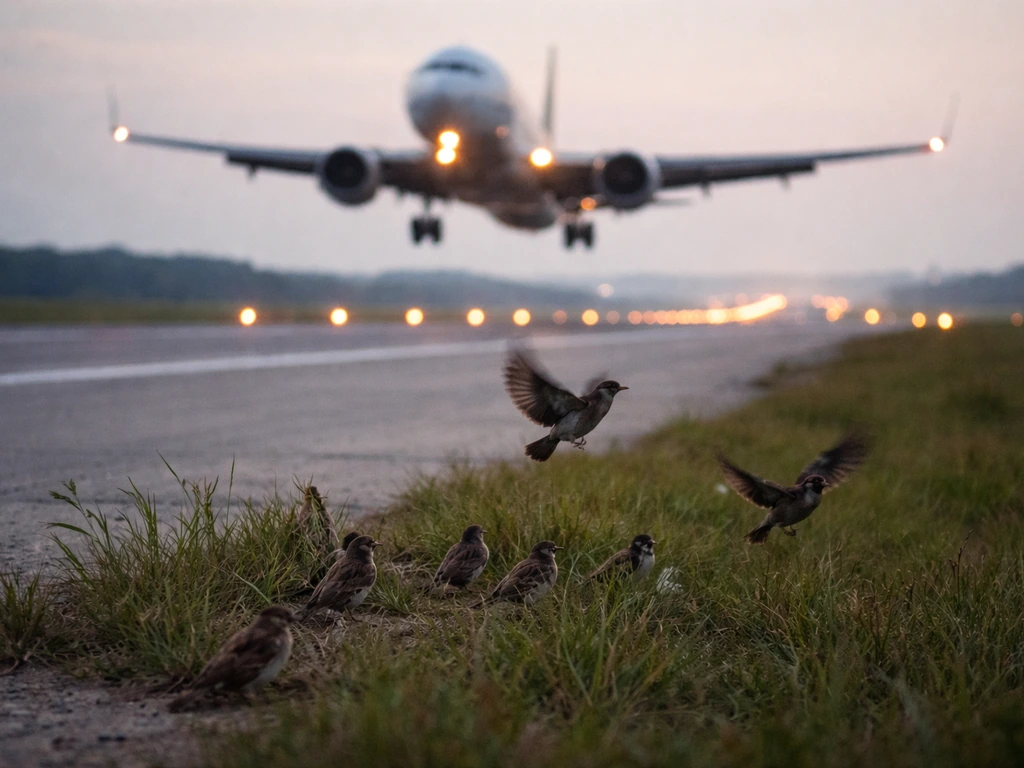
Bird strike basics and why airports are so high-risk
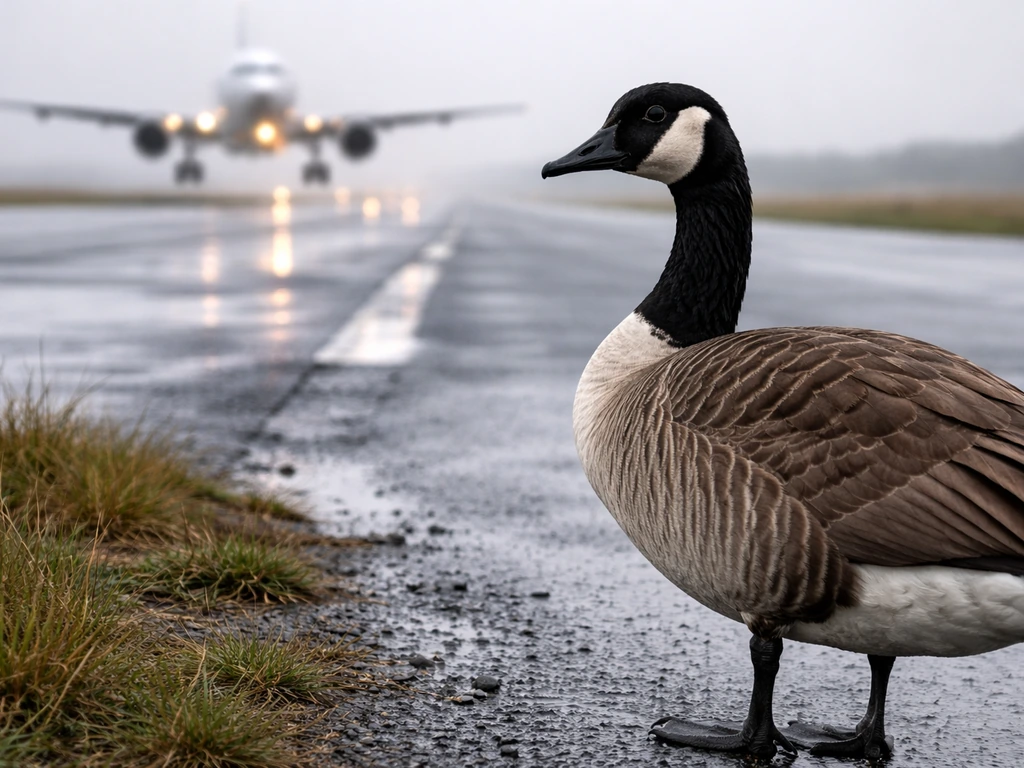
A bird strike happens when a bird collides with an aircraft in flight or during ground operations. The physics are brutal: even a 4-pound Canada goose can destroy a jet engine at approach speed. The FAA's strike database (covering 1990 through 2024) shows that roughly 61% of all bird strikes with fixed-wing civil aircraft happen during the landing phase, which includes descent, approach, and landing roll. Another 36% occur during take-off run and initial climb. Only about 3% happen en route at altitude. That means the danger is almost entirely concentrated in the first and last few minutes of every flight, right where the aircraft is closest to the ground and closest to birds.
Airports are magnets for birds. You have large open grass areas that hold insects and small mammals, retention ponds and drainage ditches for water, structures that offer nesting ledges, and food waste from terminals and catering operations. Birds are opportunists, and an airfield ticks almost every box on their checklist. The most commonly struck bird in U.S. civil aviation is the mourning dove, which accounts for about 11% of all birds identified to exact species in the FAA database from 1990 to 2023. That's a small, fast-moving bird that forms large flocks, which shows you don't need a goose to cause a serious problem.
The same principles that make airports vulnerable also show up at large commercial properties, warehouses near wetlands, solar farms, and industrial sites. The risk scale is different, but the logic of the solution is the same.
The airport bird management workflow: from assessment to action plan
Airports that do this well don't just react to bird strikes. They build a formal wildlife hazard management plan, usually driven by FAA requirements (Advisory Circular 150/5200-36 for certificated airports), and that plan follows a consistent workflow.
- Wildlife hazard assessment: A qualified wildlife biologist surveys the airport and surrounding land to identify which species are present, when they're most active, what's attracting them, and what the collision risk looks like for each species.
- Risk ranking: Not all birds are equally dangerous. Large flocking species near active runways get prioritized. The assessment produces a ranked list of hazards.
- Action plan development: Based on the assessment, the airport writes a Wildlife Hazard Management Plan (WHMP) that specifies which tactics to use, who is responsible, and how success will be measured.
- Implementation: Habitat changes, deterrent deployment, and exclusion work are carried out according to the plan.
- Monitoring and reporting: Every strike is logged, and wildlife activity near runways is tracked on a regular schedule so the plan can be updated.
If you're managing a large commercial or industrial site and dealing with persistent bird problems, this same workflow applies. Start with an honest assessment of what's attracting birds before you spend money on deterrents. You'll save time and get better results.
Habitat management: the most underrated part of the strategy
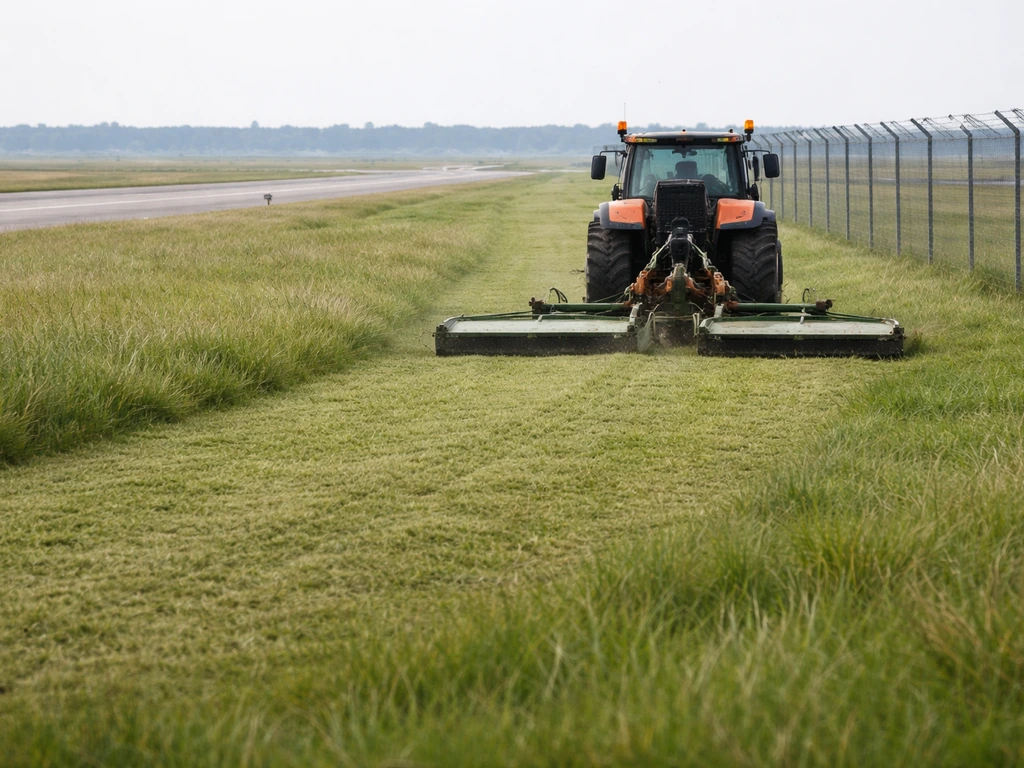
Wildlife managers at airports say the same thing consistently: if you eliminate what's attracting birds in the first place, you reduce your deterrence workload by a huge margin. Habitat management is less exciting than a propane cannon, but it's the foundation everything else rests on.
Grass and vegetation control
Most airports maintain grass at a height between 7 and 14 inches on the airfield. That might sound counterintuitive, but tall grass discourages raptors from hunting (they can't see prey easily) and makes it harder for flocking birds like starlings and sparrows to land and forage. Some airports switch to turf grass varieties that are less palatable to geese and other grazers. Dense plantings of native shrubs along perimeter fences can also block bird flight paths into the airfield without creating nesting habitat.
Water source management

Standing water is one of the biggest attractants. Airports work hard to eliminate puddles, reduce drainage ditch vegetation, install steep-sided retention basins that birds can't easily access, and in some cases use wire grids over water features to prevent landing. If your site has a decorative pond, flat rooftop drain, or poorly graded parking area that pools after rain, you're running a bird hotel. Fixing drainage is one of the highest-return moves you can make.
Food source elimination
Open trash receptacles near terminals, uncovered dumpsters, outdoor food service areas, and even spilled aircraft fuel (which attracts insects, which attract birds) all need to be addressed. Airports use covered waste containers, scheduled cleaning, and pest control programs to cut off food sources. At any commercial site, this means auditing your waste management and making sure nothing edible is accessible.
Nesting and roosting site removal
Buildings on airport property often provide ledges, gaps, and cavities where birds nest. Airport wildlife teams conduct seasonal surveys and seal gaps, install exclusion products on ledges, and remove nests before breeding season where legally permitted. The key point on legality: most wild birds in the U.S. are protected under the Migratory Bird Treaty Act, which means you need permits before removing active nests or eggs. Plan ahead and work with your local wildlife agency.
Active deterrence: visual, auditory, and harassment methods
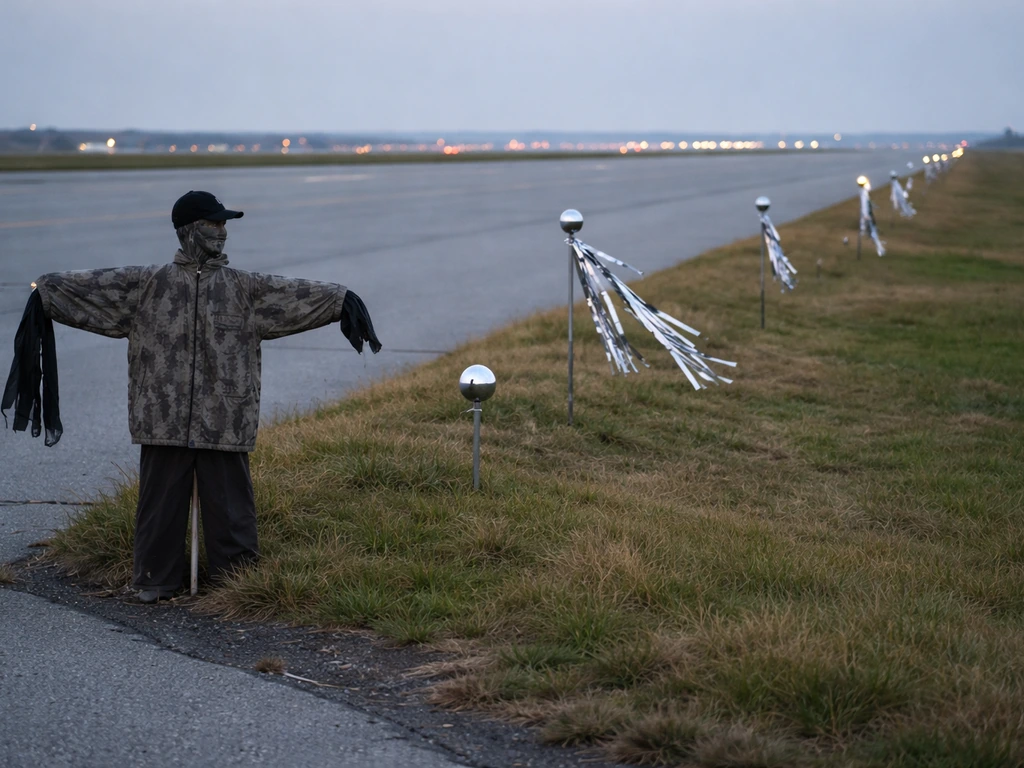
Once habitat has been cleaned up, airports layer in active deterrence to move birds that still show up. The goal is to make the airfield feel unsafe and uncomfortable, not to harm birds. This is where the toolkit gets interesting.
Visual deterrents
These work by triggering a bird's instinct to avoid predators or perceived threats. Common options at airports include predator effigies (realistic coyote or raptor decoys), reflective tape and mylar balloons that catch light and move unpredictably, laser devices used in low-light conditions to sweep birds off roosting areas, and dead bird effigies hung in areas where birds congregate. The big limitation with visual deterrents is that birds habituate to static objects relatively quickly, sometimes within days. Effective use requires rotating and repositioning devices frequently and combining them with other methods.
Auditory and sonic deterrents
Propane cannons (also called bird bangers or exploders) are one of the most widely used tools on airfields. They fire a loud, random-interval bang that startles birds and triggers flight responses. Bioacoustic systems are another step up: they broadcast species-specific distress calls and predator calls through speakers positioned around the airfield. When a bird hears the distress call of its own species, its instinct is to leave the area. Some airports use both systems together. Ultrasonic devices are sometimes marketed for bird control, but the evidence for their effectiveness outdoors against most bird species is weak. Birds don't rely heavily on ultrasonic hearing, so the results in open environments tend to be disappointing. Sonic and bioacoustic systems have a much stronger track record in aviation wildlife management.
Active harassment and falconry
Some airports employ trained raptors (hawks and falcons) as part of their wildlife management program. Falconry-based harassment is highly effective because it presents a real, living predator that birds take seriously. A few passes by a Harris's hawk over a runway will clear most flocking birds far more reliably than a static decoy. Trained wildlife technicians also conduct vehicle-based harassment patrols, driving the airfield perimeter and using pyrotechnics (cracker shells, screamer sirens) to flush birds from runway areas, especially during high-risk periods like dawn and dusk. Pyrotechnic devices require training and handling precautions, so this is squarely in professional territory.
Chemical repellents
Methyl anthranilate (a grape-derived compound) is an EPA-registered bird repellent that irritates birds' mucous membranes without harming them. It can be applied to turf areas or water surfaces to deter geese and other foraging birds. It's one of the few chemical options with a solid safety and regulatory profile for outdoor use. It needs to be reapplied after rain and works best as part of a broader program rather than as a standalone fix.
Physical exclusion and structural controls on airport property
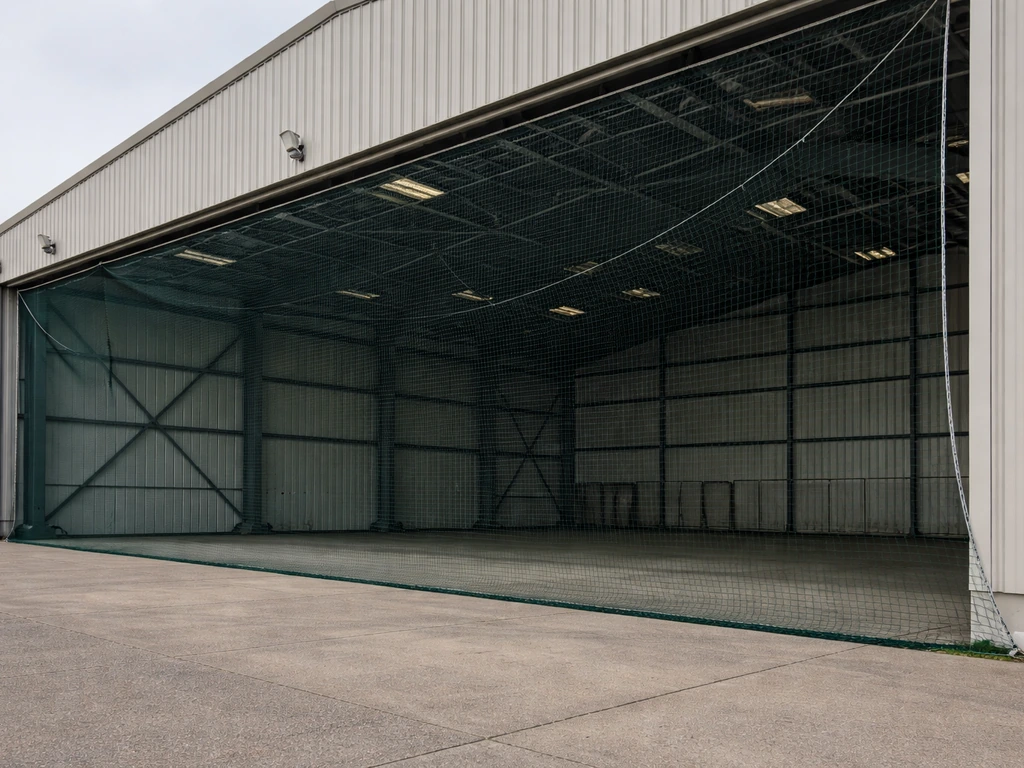
Physical barriers stop birds from accessing specific structures and areas. On airport property, this applies primarily to buildings, hangars, and perimeter fencing rather than open runway areas, where you can't net the sky.
| Method | Best application | Key consideration |
|---|---|---|
| Bird netting | Hangars, terminal roof gaps, undercrofts, cargo bays | Must be properly tensioned and sized for target species; regular inspection required |
| Bird spikes | Ledges, signs, light fixtures, equipment housings | Ineffective on wide flat surfaces; choose correct spike width for the bird size |
| Wire systems (stainless parallel wires) | Parapet walls, beams, overhead structures | Low-profile, durable; discourages perching without harming birds |
| Electric track systems | Ledges and flat rooftop areas with persistent pressure | Provides mild conditioning shock; requires periodic cleaning and maintenance |
| Pond/water body wire grids | Retention basins, drainage features | Stainless wire at 6–10 inch spacing prevents waterfowl landing |
| Perimeter fencing | Airport boundary to prevent wildlife incursion | Wildlife-compatible fence design (no gaps at base, wildlife-proof mesh) |
Exclusion on buildings is something that translates directly to commercial and residential property management. If birds are roosting under solar panels, nesting in HVAC equipment gaps, or perching on rooftop ledges and creating fouling problems, the physical exclusion toolkit from aviation wildlife management applies directly. The difference is scale, not principle.
One point worth emphasizing: physical exclusion is a permanent fix for the specific location it's installed. It doesn't require ongoing effort once it's properly installed and maintained. That makes it cost-effective over time compared to deterrents that need to be operated, moved, or replaced regularly.
Monitoring, reporting, and making the system better over time
The best wildlife hazard management programs treat every bird strike as data. In the U.S., airport operators and pilots report strikes using FAA Form 5200-7, the Bird/Other Wildlife Strike Report. The FAA collects these reports into a national database that tracks species, flight phase, location, damage type, and dozens of other variables. That database is what produces findings like the 61% landing-phase strike rate. Without consistent reporting, you'd be managing blind.
At the airport level, wildlife technicians keep separate logs of bird activity near runways, deterrent usage, and any changes in species presence or flock size. This information feeds directly into the annual review of the Wildlife Hazard Management Plan, allowing the airport to shift resources, try different tactics, or request updated surveys if the bird population changes.
What good monitoring looks like in practice
- Regular (often daily) wildlife activity logs for runways and taxiways, especially during high-risk periods like dawn, dusk, and seasonal migration
- Immediate documentation of any strike event including species (if identifiable), flight phase, and any aircraft damage
- Periodic perimeter surveys to check for new attractants, nesting activity, or changes in vegetation
- Seasonal reassessment as migrating species move through the area (spring and fall bring entirely different bird communities)
- Annual review of deterrent effectiveness using strike rate trends and wildlife activity data
For non-aviation sites, this monitoring discipline still applies. Keep a simple log of where you're seeing birds, what they're doing (roosting, foraging, nesting), and whether your deterrents are changing that behavior. Without a baseline, you can't tell whether your intervention is working. Give each new method at least two to four weeks before evaluating, and document what you observe.
Your practical next steps
Whether you're managing an airfield, a commercial property, or a large residential site, the starting point is the same: walk the property and identify every attractant before buying a single deterrent. If you need a drone safety plan, focus on the same bird-attractant controls and site-specific deterrent workflow described for airports starting point. These same principles also show you how to prevent bird strikes by reducing attractants near takeoff and landing areas. These prevention steps are especially important on or near airfields, because bird strikes are most likely during takeoff and landing how to prevent bird strikes on aircraft. Look for standing water, exposed food sources, nesting opportunities in structures, and vegetation that supports foraging. Fix those first. Then layer in the deterrents that match your bird species and site layout, starting with habitat changes and physical exclusion where possible, adding auditory and visual deterrents where birds still show up. For wind turbines, preventing bird deaths follows the same logic: reduce nearby attractants and use targeted exclusion or deterrence during high-risk times habitat changes and physical exclusion. Set up a simple monitoring log from day one. Review it monthly. Adjust what isn't working.
If you're working at a scale where professional wildlife assessment makes sense, it's worth the cost. A qualified wildlife biologist can identify species quickly, point out attractants you'd miss, and help you build a plan that actually matches the problem. The airport model works because it's systematic, not because it uses expensive equipment. The same systematic approach can work at any scale.
FAQ
If I scare birds away during the day, why do they still collide with aircraft at dawn or dusk?
Use a two-step test: first confirm the birds are actually using your site (foraging paths, roost locations, repeated return times). Then track whether the strike-risk window changes, not just whether birds show up less. If deterrents only create short-term avoidance but birds relocate to a nearby feeding or watering spot, the risk may shift rather than improve.
How often should visual deterrents like reflective tape or balloons be moved to stay effective?
Start by rotating tactics on a schedule, not by assuming one device will keep working. Static visual tools can lose effectiveness quickly as birds habituate, so pair visual items with habitat changes, and vary locations and timings (especially around high-risk phases like approach and landing roll) while you collect observations.
How long should I test a new deterrent before deciding it failed?
Don’t evaluate too early or based on a single event. Let any habitat change or new deterrent run for at least two to four weeks, then compare bird presence and behavior (roosting, foraging, flock size) to your baseline. Also note weather, because standing water and insect abundance can quickly recreate attractants after rain.
Can physical exclusion eliminate bird strikes, or is it only a partial fix?
In many cases, physical exclusion should target the specific nesting or roosting points, not the open airfield. For example, sealing ledges, blocking gaps around HVAC units, and covering or re-grading access points can permanently remove local nesting opportunities. You still may need other layers for birds that feed or roost elsewhere on-site.
What’s the safest way to handle nesting birds on a property if I’m trying to reduce risk?
The main legal trap is removing active nests or eggs without authorization. In the U.S., most wild birds are protected under the Migratory Bird Treaty Act, so you typically need permits or guidance from your local wildlife agency. Plan surveys before the breeding season, and coordinate on allowable actions.
When is methyl anthranilate a good option, and when should I skip chemical deterrents?
Chemical repellents like methyl anthranilate can be useful for certain foraging situations, but they are usually not a standalone solution. They require reapplication after rain and work best as part of a broader plan that removes food and water attractants and uses exclusion or deterrence for birds that still remain.
Do bird deterrence strategies need to change with time of day or weather?
If you see birds circling near certain lighting or weather conditions, factor that into your response window. Low-light timing matters for some tools like laser systems, and dawn and dusk often concentrate activity for many species. Build a schedule that matches your observation logs and adjust patrol and deterrent timing accordingly.
Why do birds return even after I fix one attractant like trash or food?
A common mistake is ignoring secondary attractants. For instance, reducing open waste may not help if standing water or insect-rich areas remain, since birds will switch to the next high-value resource. Walk the property and re-audit attractants after each major intervention.
What metrics should I use to judge whether my program is actually reducing strike risk?
Use trend-based decision rules. For example, track bird counts, flock size, and where birds are located relative to runways or high-risk areas, then review monthly. If the same species and behaviors persist in the same zones, increase habitat control first and then adjust deterrent selection and placement.
Does the airport wildlife hazard approach work the same way for wind turbines and solar farms?
Yes, but the approach should still prioritize attractant reduction. For wind turbines and solar or industrial sites, the risk-management logic is similar, but you may need site-specific exclusion (like blocking access to perching or nesting areas) during high-risk periods, and you still should keep a simple monitoring log to confirm species patterns.
Next Articles
How to Prevent Bird Strikes on Aircraft: A Step-by-Step Guide
Step-by-step bird strike prevention: assess local risk, apply layered deterrents and habitat controls, and manage safety

Best Window Decals to Prevent Bird Strikes: How to Pick and Install
Choose and install the best window decals to reduce bird strikes with placement, spacing, and testing tips for any glass

Best Window Film to Prevent Bird Strikes: How to Choose
Learn how bird-safe window film deters strikes and choose the right pattern density, placement, and specs for your windo