
If you've just seeded a lawn and watched birds pick it clean within hours, you already know the problem is real. The good news is that "bird repellent grass seed" is a genuine product category, not just marketing. The better news is that treated seed works best when you pair it with a few low-cost deterrents at the same time. For the most effective results, look for the best bird nest repellent approach that matches the level of pressure you’re seeing. This guide walks you through everything: what to buy, how to apply it, what to add alongside it, and how to keep deterrents working until your grass actually germinates.
Best Bird Repellent Grass Seed: Pick and Apply Safely

Marcus Weatherby
23 Mar 2026
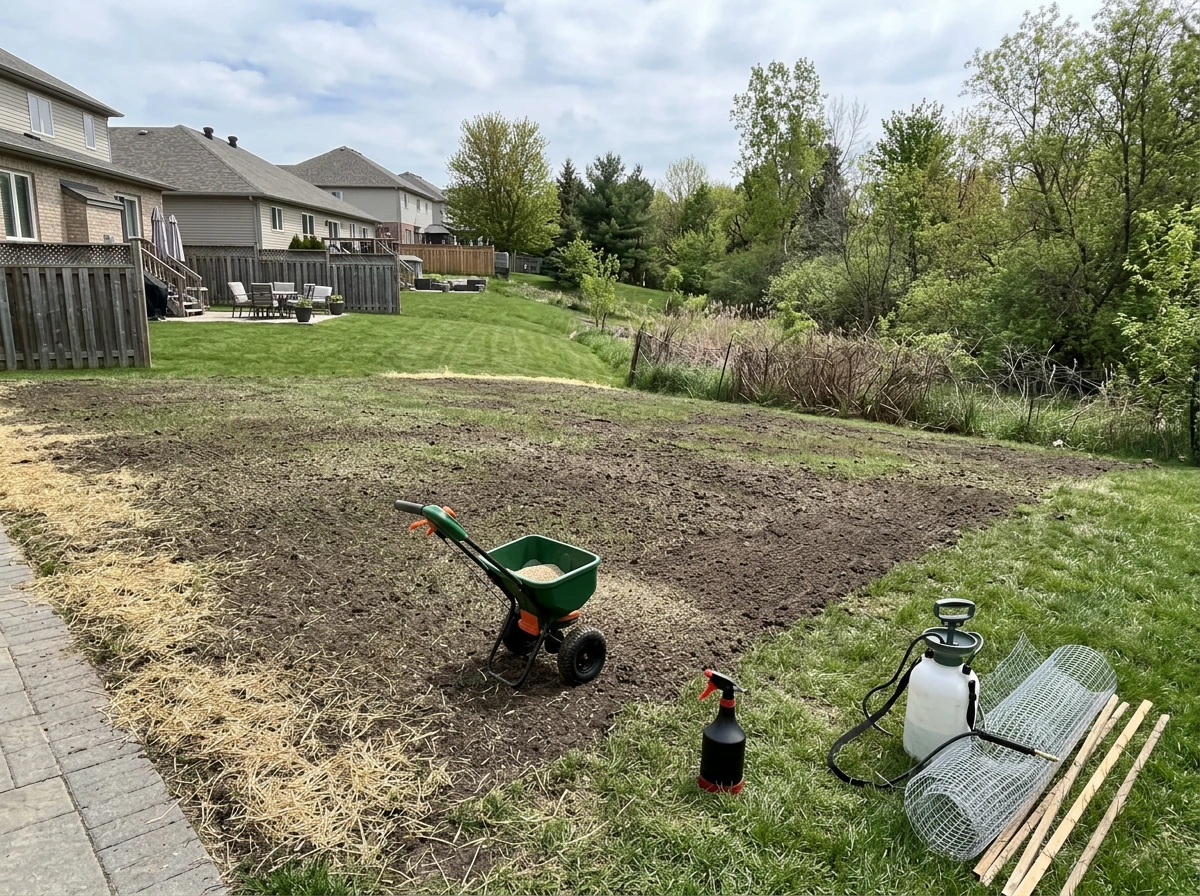
What "bird-repellent grass seed" actually means
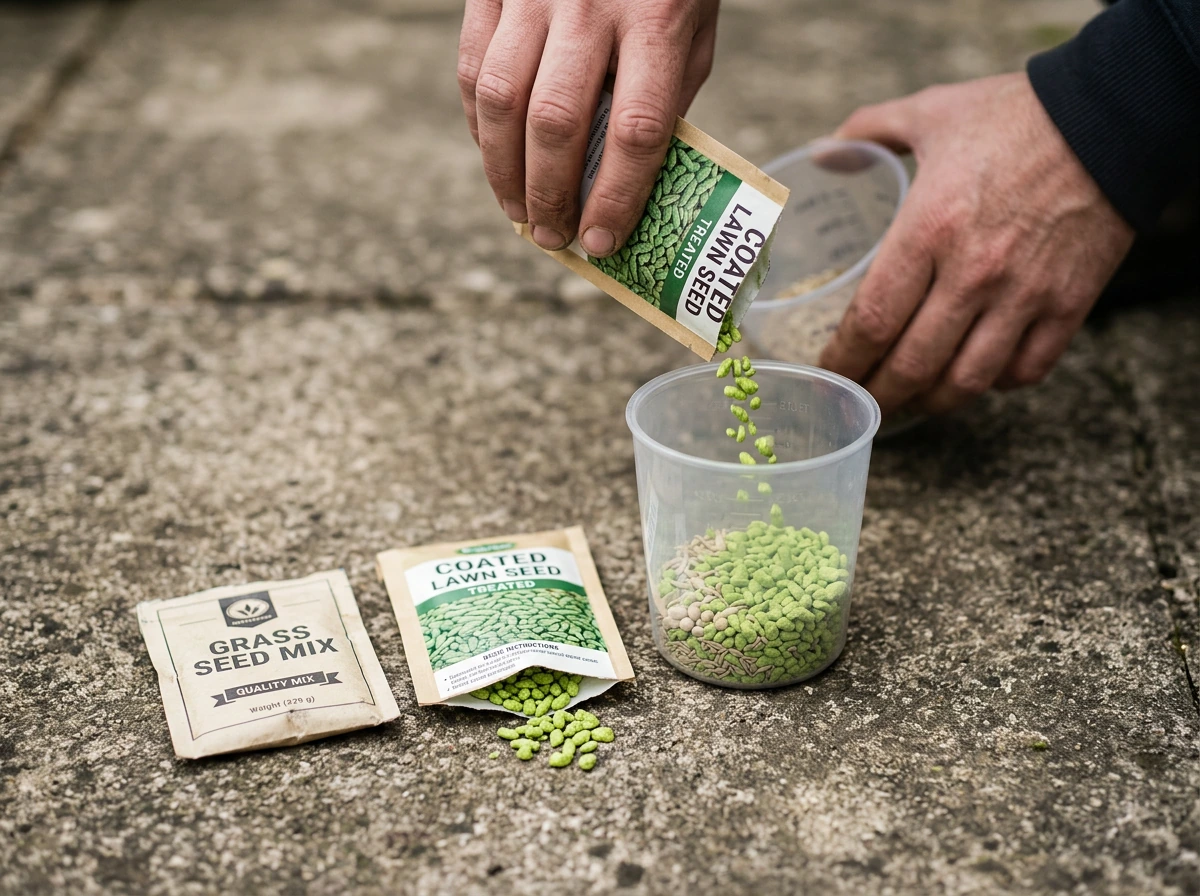
There are two different things people mean when they search for bird-repellent grass seed, and confusing them leads to wasted money.
The first type is treated seed. This is regular grass seed coated with a bird-deterrent compound before it's packaged. The most commercially credible example is Ecovelex, a seed coating technology from Corteva Agriscience that uses microencapsulation (their Sustaine system) to keep a naturally derived repellent active on the seed surface. Birds pick up the seed, dislike the taste or smell, and drop it. This coating approach is the closest thing to true "bird-repellent grass seed" in a strict sense.
The second type is less palatability through seed blend design. Some seed mixes are marketed as being less attractive to birds because they contain species like tall fescue or perennial ryegrass rather than high-preference seeds like millet or bare wheat. This is real but modest. Birds will still eat ryegrass and fescue if they're hungry and the seed is sitting on bare soil with no cover.
In practice, the most effective approach is treated seed (if you can source it for residential use) combined with a liquid methyl anthranilate repellent applied over the seeded area, plus at least one physical or visual deterrent. Treated seed alone reduces losses; treating the whole area does more.
Which bird deterrents actually work on grass seed areas
Not all bird deterrents are created equal for a freshly seeded lawn. The area is large, flat, and open, which limits some options. Here is an honest look at what works and what doesn't in this specific situation.
Methyl anthranilate (MA) liquid sprays are the most consistently effective deterrent for open seeded areas. For a quick shopping starting point, look for the best bird repellent spray formulated for outdoor use on seeded lawns, and apply it according to the label before birds start feeding. MA is a food-grade compound derived from grape extract that irritates the trigeminal system in birds, making feeding in the area unpleasant. Products like Bird Stop (Bird-X) and Avian Control (Grochem/ADAMA) both use MA as the active ingredient. Birds associate the treated area with discomfort and avoid it. It doesn't kill them or harm them permanently; it just makes your lawn an unpleasant place to eat.
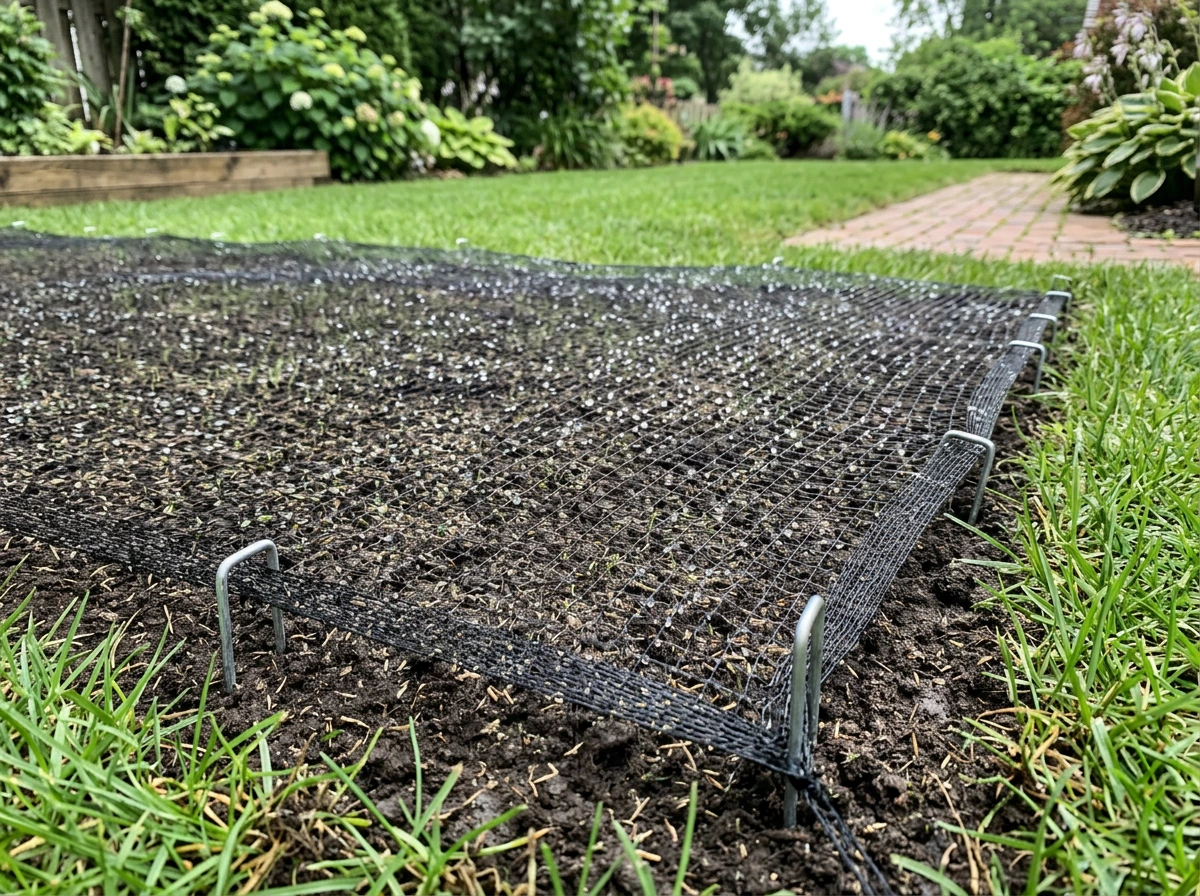
Lightweight garden netting laid directly over a seeded area is the most reliable physical deterrent available to a homeowner. It physically blocks ground-feeding birds from reaching the seed. Combined with MA spray, it creates two independent layers of protection.
Reflective tape and visual scare devices work initially but lose effectiveness in 5 to 10 days as birds habituate to them. Oregon State University and University of Nebraska extension research both confirm this clearly. They're worth using, but only as a supplement, and you need to move or rotate them every few days to slow the habituation process.
Sonic and ultrasonic devices are the weakest option for a lawn seeding project. Birds habituate to repetitive sounds quickly, especially when the sounds don't coincide with any real threat. USDA APHIS research on sonic deterrents notes that context-dependent performance is a major variable, and most off-the-shelf ultrasonic devices have poor evidence behind them for outdoor open areas. If you use one, look for models with detection-triggered activation rather than continuous looping sounds.
Choosing between treated seed and seed blends

If you can find Ecovelex-coated seed in your area or through a turf supplier, it's worth using for high-risk areas like bare slopes, thin lawns with heavy sparrow or starling pressure, or commercial property seedings. The microencapsulated coating is designed to stay on the seed surface through normal handling and provides a repellent effect at the point of contact where birds are actually trying to eat.
If treated seed isn't accessible to you (and for many residential buyers it isn't yet widely stocked at retail), choosing a blend that matches your region's grass type is still the right call. A properly matched grass seed will germinate faster in your climate, which shortens the vulnerable window when seed is sitting on the surface. A seed that germinates in 5 to 7 days is exposed to birds for far less time than one that takes 21 days. For most of the US, that means: tall fescue or perennial ryegrass for cool-season lawns, bermudagrass or zoysia for warm-season lawns.
| Option | Bird Deterrence | Germination Benefit | Availability | Best For |
|---|---|---|---|---|
| Ecovelex-treated seed | High (coating repels at point of contact) | No change | Limited, turf/ag suppliers | High-pressure areas, commercial projects |
| Fast-germinating species blend | Low (less palatable than millet but not repellent) | High (shortens exposure window) | Widely available | Most residential lawns |
| MA liquid spray over any seed | High (area-wide aversion) | No change | Widely available online/hardware stores | Any seeding project as a complement |
The practical recommendation for most homeowners: buy the best regionally appropriate grass seed you can find, apply an MA spray over the seeded area, and cover with lightweight netting. That combination outperforms treated seed alone in most residential situations because it protects the whole seeded surface, not just individual seeds. If you want a quick way to choose the best bird repellents for your seeded lawn, prioritize MA spray and physical coverage together.
How to apply seed and deterrents together
Timing and sequencing matter here. Do these steps in order for best results.
- Prepare the seedbed first: loosen the top quarter inch of soil, remove debris, and grade the area. Good seed-to-soil contact reduces the amount of seed sitting exposed on the surface.
- Spread seed at the label rate. Don't overseed hoping birds will miss some. Excess seed on the surface just attracts more birds.
- Lightly rake seed in so it's covered by about an eighth to a quarter inch of soil. Seed that's covered even slightly is much less accessible than seed sitting on top.
- Apply your MA liquid spray immediately after seeding, before birds discover the area. Follow the product label rate. For Avian Control, the guidance is to reapply every 8 to 10 days, or sooner if rain washes it off.
- Lay lightweight bird netting or a seed germination blanket over the entire seeded area. Stake the edges down so birds can't walk under it from the sides.
- Set up reflective tape or visual deterrents at the perimeter. Move them every 3 to 4 days to slow habituation.
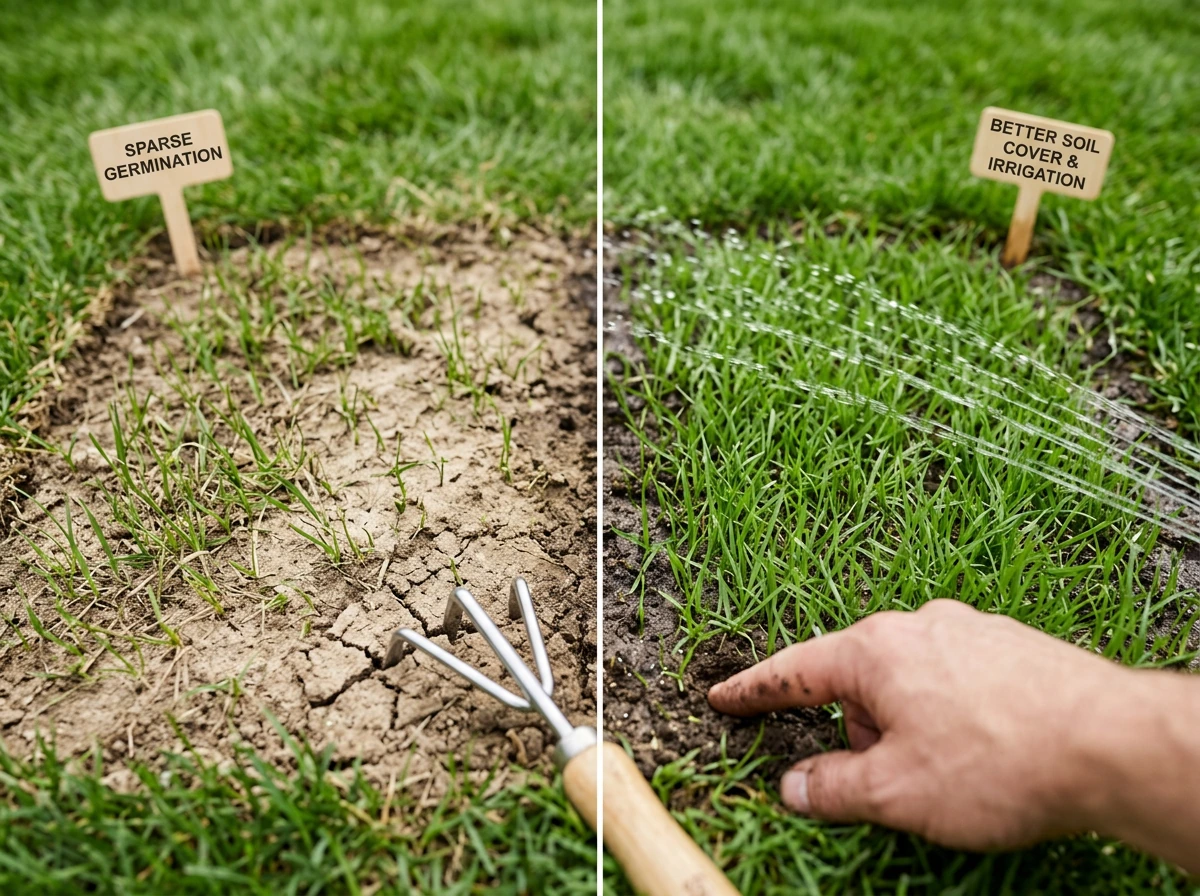
- Water gently twice daily (morning and late afternoon) to keep the seedbed moist without washing out the MA spray. If you irrigate heavily, reapply MA after watering.
The critical period is the first 7 to 21 days depending on your grass species and soil temperature. Warm soil (above 60°F for cool-season grasses, above 70°F for warm-season) speeds germination significantly. If you're seeding in marginal temperatures, your seed will sit exposed longer, and you need to keep deterrents active for the full duration.
Physical and visual barriers that pair well with grass seeding
Netting: the most reliable physical option
Lightweight polypropylene bird netting with a half-inch to three-quarter-inch mesh is the go-to choice for seeded lawns. It's inexpensive, easy to stake down, and lets rain and light through. Leave it on until the grass is at least an inch tall and well enough established that birds pecking at it won't dislodge seedlings. For most grass types, that's about 3 to 4 weeks.
Alternatives include floating row covers (used in vegetable gardening), burlap, and straw mulch. Straw mulch is worth mentioning because it serves double duty: it reduces bird access to seed on the surface and holds moisture for germination. Use a light layer, about one bale per 1,000 square feet, so sunlight still reaches the soil.
Visual deterrents: useful but only if you rotate them
Reflective mylar tape, flash tape, and predator decoys (owls, hawks) can help in the first few days. The key is movement and novelty. A plastic owl sitting in the same spot on day 10 is furniture to most birds. Move decoys every 2 to 3 days, and combine them with reflective elements that move in the breeze. Place reflective tape at eye level for ground-feeding birds, roughly 12 to 18 inches above the seed surface, and run it across the area in multiple directions rather than just around the perimeter.
Sensory deterrents for newly seeded grass
Sonic devices that play predator calls or distress calls can be effective in the first few days of a seeding project, but the evidence for long-term effectiveness is thin. USDA APHIS research is clear that habituation is a real problem when sounds loop continuously without any genuine threat following them. Birds are smart enough to learn that a recorded hawk cry with no actual hawk means nothing.
If you use a sonic device, choose one with variable programming so you can change the calls and patterns regularly. Detection-triggered models, like those based on the Sonic Dissuader concept that activates when it detects pecking vibrations, are theoretically better at avoiding habituation because the response is tied to the birds' own behavior rather than a fixed schedule.
Ultrasonic devices marketed for outdoor lawns have very little peer-reviewed support. Most birds don't hear in the ultrasonic range the way rodents do, and open outdoor areas don't contain sound waves effectively. Skip ultrasonic units for lawn seeding and put that money toward netting or MA spray instead.
One sensory approach that does get traction in research is interference with bird communication using broadband noise systems (sometimes called sonic nets). These work differently from predator call broadcasts, but they're expensive and primarily used in commercial agriculture, not residential lawns. For a home project, the practical takeaway is: use sonic deterrents as a supplement, not as your primary defense.
Chemical and scent-based repellents: what's safe and what to watch for
Methyl anthranilate is the most widely used and best-supported chemical bird repellent for lawns and open areas, one of the best black bird repellent options for seeded areas. best black bird repellent It's food-grade, used as a flavoring in grape candy, and the EPA considers it a minimum-risk pesticide when used as directed. Products like Bird Stop, Avian Control, and Avian Block all use MA as their active ingredient. For lawn seeding, liquid MA spray is the most practical form.
A few important safety and usage notes:
- Always follow the product label. The label is a legal document, and using MA products at rates above the label rate doesn't improve effectiveness and may cause unnecessary irritation.
- MA can irritate human eyes and respiratory systems at high concentrations. Apply on calm days, wear gloves and eye protection, and avoid spraying near open windows or HVAC intakes.
- MA is generally considered safe for pets and wildlife at label-directed rates, but keep pets off treated areas until the spray has dried.
- Reapplication is necessary after heavy rain. Avian Control's technical guidance recommends reapplying every 8 to 10 days under normal conditions.
- pH affects MA performance. Highly alkaline water can reduce effectiveness when mixing concentrates. Use neutral or slightly acidic water if possible.
- MA products are labeled for pest bird species. In the US, most common lawn birds (sparrows, starlings, crows, pigeons) are not protected under the Migratory Bird Treaty Act and can be legally deterred. However, you should never use any repellent in a way that targets or harms protected species.
Capsaicin is sometimes suggested as a bird repellent for seed. Research on capsaicin as a repellent to birdseed shows mixed results. Birds have fewer capsaicin receptors than mammals, meaning many species are less sensitive to it than cats or dogs would be. Some studies show modest aversion effects; others show birds ignore treated seed entirely once hungry enough. Capsaicin isn't a reliable primary repellent for a lawn seeding project.
For other scent-based repellents (peppermint oil, predator urine products), there's no strong independent evidence of consistent effectiveness on lawns. Stick with MA-based products where the research and registration actually support the use.
Keeping deterrents working until germination (and what to do when they don't)
Your maintenance plan through germination
Think of the period from seeding to first mow as your active protection window. Here's a week-by-week approach:
| Timeframe | Task |
|---|---|
| Day 1 (seeding day) | Seed, cover lightly with soil or straw, apply MA spray, install netting, set out visual deterrents |
| Days 2 to 7 | Water twice daily, check netting edges for gaps, move visual deterrents every 2 to 3 days |
| Day 8 to 10 | Reapply MA spray, inspect for bird activity or bare patches, check germination progress |
| Days 11 to 21 | Continue watering, reapply MA after any significant rain, keep netting in place until grass is 1 inch tall |
| After first mow (usually week 4 to 6) | Remove netting, reduce deterrents gradually as grass establishes |
Common failures and how to fix them
Birds are still eating seed despite MA spray: Check whether you applied before or after birds discovered the area. MA works better as a preventive than a cure. If birds are already feeding regularly, combine MA with netting to physically block access while the aversion response builds. Also check that rain hasn't washed the spray off; reapply if it's been more than a few days or if there's been measurable rain.
Poor germination in patches: This is often a soil contact or moisture issue, not just bird predation. Check whether the patchy areas are also showing signs of soil crusting, shade, or low-moisture spots. If birds have scratched seed into uneven distributions, those patches will germinate unevenly. Overseed bare patches and protect them with a fresh layer of straw mulch.
Deterrents stopped working after a week: Habituation is the issue. Visual deterrents need to be moved, rotated, or changed. If you're using a sonic device on a fixed schedule, vary the timing and call types. Layer deterrents so birds face multiple independent reasons to avoid the area, not just one stimulus they've learned to ignore.
Seed washout: Heavy irrigation or rain can both move seed and dilute MA spray. Seed on slopes is especially vulnerable. Use a germination blanket or erosion control mesh on sloped areas, which holds seed in place mechanically while still allowing water and light through. Reapply MA after any washing event.
Seasonal differences: Bird pressure is highest in early spring and fall when migrating flocks move through, and food is scarce. If you're seeding in those windows, expect heavier pressure and plan for more frequent MA reapplications and more aggressive netting coverage. Summer seedings in warm-season grasses often face lower bird pressure but higher heat stress on seedlings, so your biggest challenge shifts from birds to moisture management.
When to call in professional help
For most residential lawn seedings, the combination of MA spray, lightweight netting, and rotating visual deterrents is enough. If you're managing a large commercial property, a golf course, or a sports field where repeated overseeding is disrupted by heavy bird pressure, it's worth consulting a wildlife management professional. They can assess the specific bird species involved, recommend registered products at appropriate rates, and design a deterrent rotation that avoids habituation over longer time periods. The general bird repellent and bird control resources elsewhere on this site can point you toward the right deterrent type for your specific bird species and site context.
FAQ
Is treated “bird repellent grass seed” enough on its own, or should I still use MA spray and netting?
Treated seed helps, but it protects only the individual seed kernels. For fast, repeatable results on bare soil, pair it with liquid methyl anthranilate and at least one physical barrier (netting or light straw). This is especially important on open, flat areas where birds can focus on the whole surface and quickly strip uncovered seed.
Can I apply MA spray after birds have already started eating the seed?
Yes, but it’s less effective as a first-line step. When birds are already feeding, switch to a layered approach immediately: apply MA to re-establish aversion and add netting (or straw mulch) to stop continued access while the aversion response catches up.
How soon after seeding can I use bird netting without damaging seedlings?
Install netting right after you finish seeding and lightly rake/press it for soil contact. If you wait until seedlings emerge, you risk birds scratching and you’ll also have to remove and replace netting around tender growth. Netting should rest above the seed layer with a small gap so sprouts are not crushed.
What mesh size of bird netting should I choose, and when is it safe to remove?
Aim for about half-inch to three-quarter-inch mesh so birds are blocked but rain and light pass. Remove it when the grass reaches roughly 1 inch tall and looks established enough that pecking won’t pull seedlings out. For most lawn types this is around 3 to 4 weeks, longer in cool or damp periods.
Does mowing timing matter, and how do I avoid dislodging seedlings?
Mow only after the seedlings are firmly rooted, and keep the first mow high (do not scalp). If you remove netting, do it a few days before mowing so the area can settle and you can see which patches hold up when disturbed.
How often should I reapply methyl anthranilate, and what changes the schedule?
Reapply after wash-off events and when the repellent appears to have lost effect. Heavy rainfall, repeated irrigation, and windy conditions increase loss. If you’re seeding in colder temperatures where germination takes longer, keep deterrents active over the full vulnerable window rather than stopping after a week.
Will birds ignore MA if the weather is rainy or the lawn stays wet?
Rain can reduce MA residue and also makes seed more attractive to birds. In wet spells, treat MA as a shorter-duration layer and rely more on netting or straw mulch to prevent access. If you notice birds resuming heavy feeding after rain, reapply MA and check netting seals at edges and stakes.
Is capsaicin a good alternative to MA for seeded lawns?
Capsaicin is not reliable as a primary repellent for lawn seeding. Different bird species respond inconsistently, and hungry birds often continue feeding despite capsaicin-treated seed. If you’re choosing between options, prioritize MA-based products where use is supported and combine with netting for dependable control.
Do I need to match grass species to my region if I’m using bird repellent grass seed products?
Yes. Repellent strategies work best when the vulnerable seed exposure is brief. Using locally appropriate seed helps it germinate faster, reducing the time birds can pick at kernels sitting on the surface.
Which situation makes netting non-negotiable, even if I use MA and treated seed?
Netting is most important when seed sits on bare soil for more than a week, when you’re on a slope or erosion-prone area, and during peak bird pressure (early spring and fall). It’s also critical when birds have already learned the area and are stripping seed repeatedly.
Can sonic or ultrasonic devices replace MA or netting?
They should not replace physical and MA layers for open lawn seedings. Birds can habituate to fixed predator calls quickly, and many ultrasonic units have weak outdoor performance. If you use sound, choose detection-triggered or variable programming models and treat them as a supplement only.
How do I prevent seed washout on slopes when using MA spray?
Use an erosion-control approach that mechanically holds seed in place, such as a germination blanket or erosion mesh, especially on slopes. These help prevent seed migration and reduce how often you need to reapply MA after wash events.
Why are some patches germinating poorly if I protected against birds?
Patchiness is often soil and moisture related, not only bird loss. Check for crusting, shade, or dry pockets, and confirm seed is getting adequate soil contact. If birds scratched seed into uneven distributions, overseed those areas and cover with a light straw layer to improve consistency.
What’s the safest way to handle and apply methyl anthranilate products around pets and people?
Follow the label instructions precisely, especially regarding re-entry timing and application rate. Because MA is considered minimum-risk when used as directed, the main safety variable is over-application and exposure due to not letting it dry or not allowing sufficient time between spraying and access. Keep pets from the treated area until the product is dry.
If I see birds feeding right away, what should I check first before buying more deterrents?
Confirm sequencing (repellents applied before birds discover the area), check whether the repellent has washed off, and inspect netting coverage for gaps at edges and corners. Many failures come from delayed application or small access points, not from the deterrent being inherently ineffective.
Next Articles
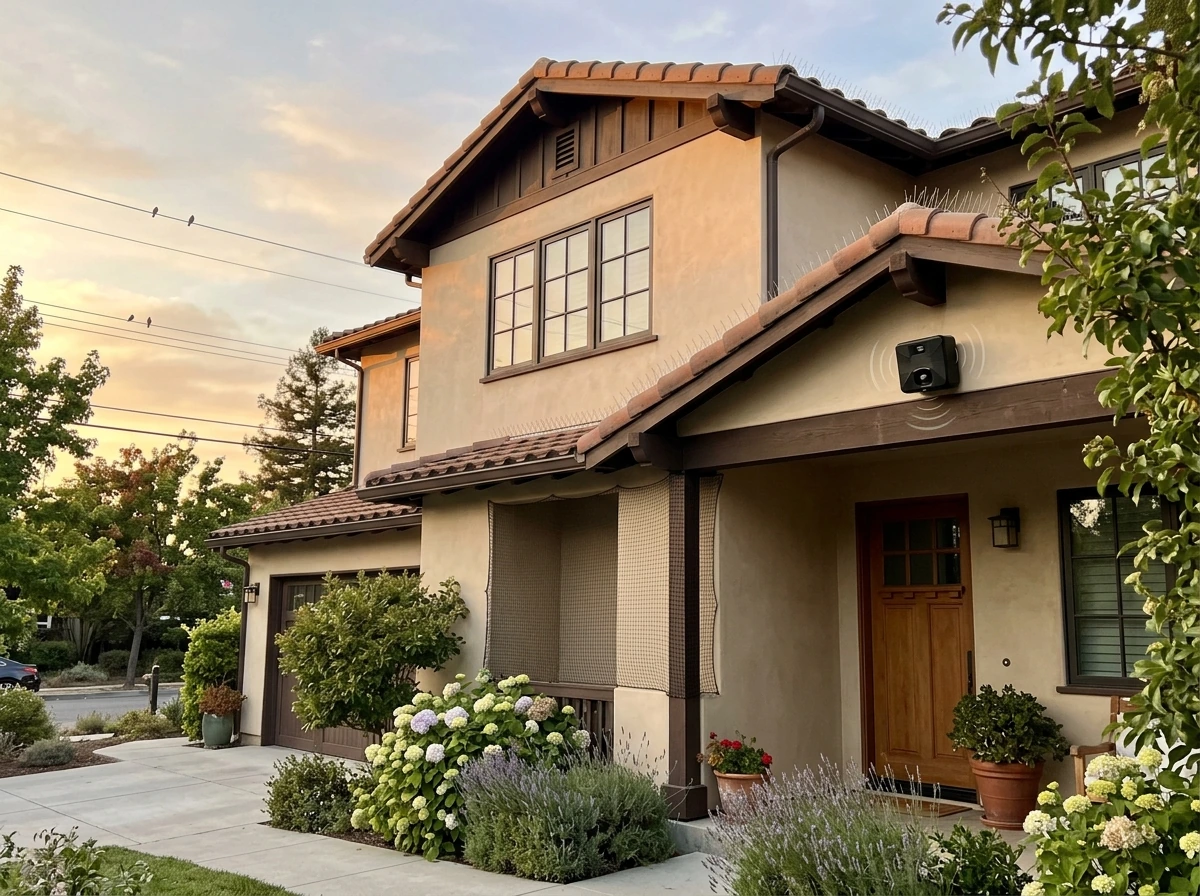
Best Bird Repellents: Device Reviews by Location
Best bird repellents by device and location with reviews, coverage, setup tips, and when to choose safer professional op
How to Avoid Bird Attack Drone: Practical Safety Checklist
Practical, humane steps to reduce bird–drone collisions: preflight checks, deterrents, tactics, and legal guidance.
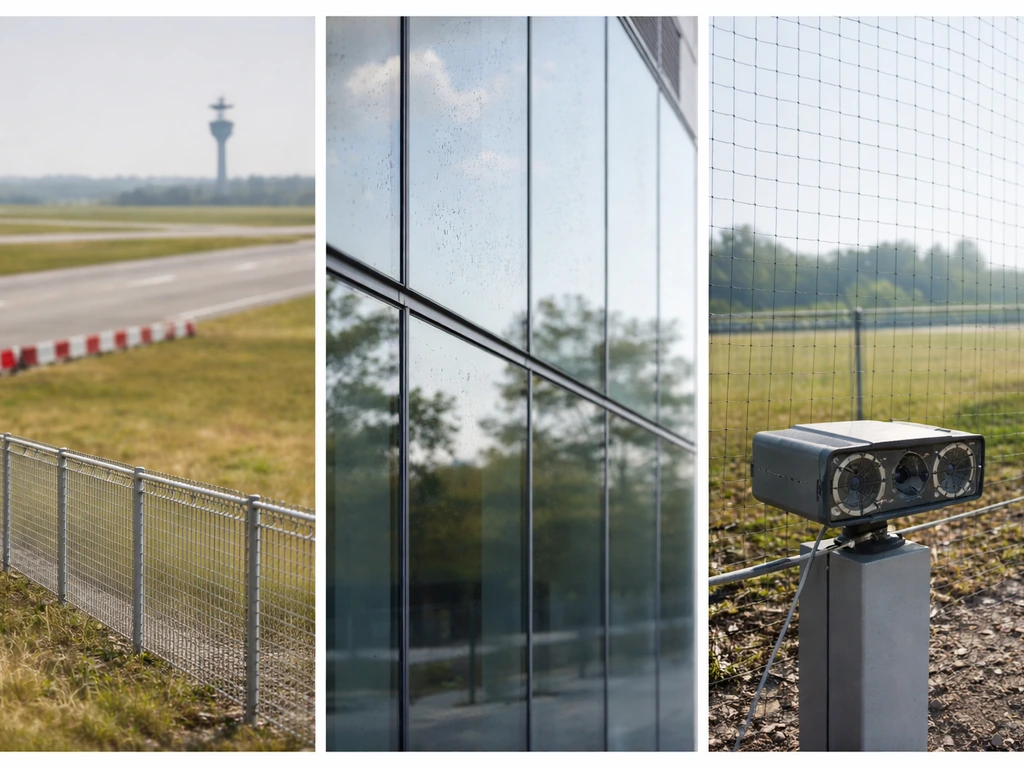
What Is Already Being Done to Prevent Bird Collisions
Learn what’s already used to prevent bird collisions, from airport safeguards to building glass and humane deterrents, p