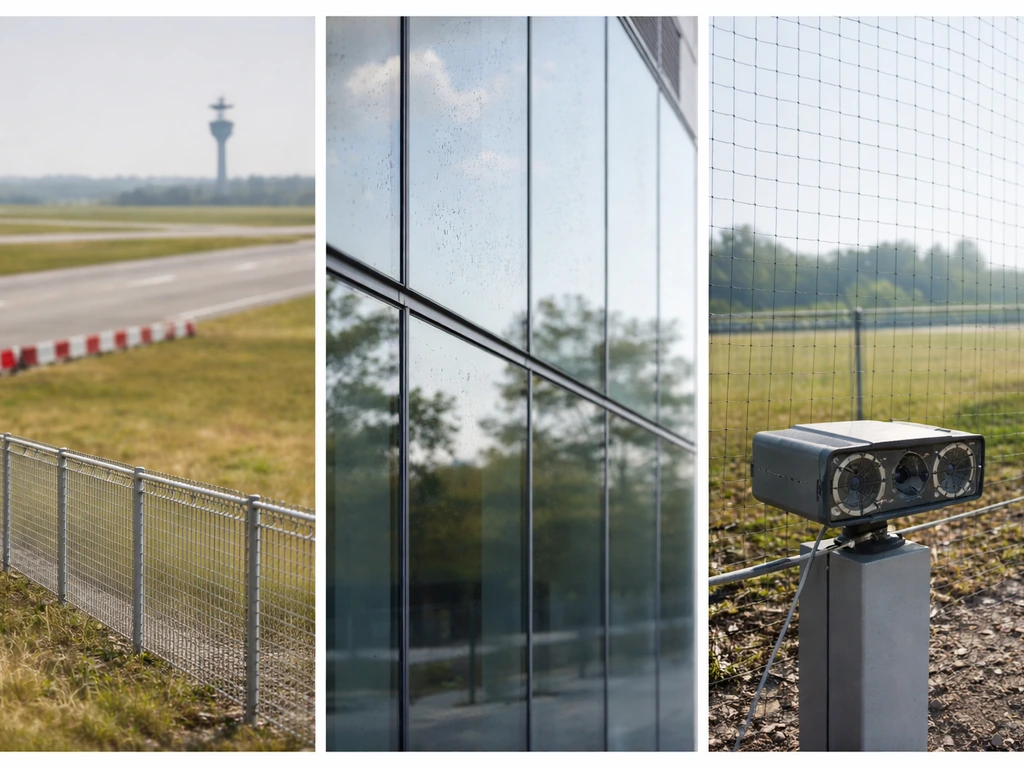
You can make a basic bird repellent spray at home today using ingredients you probably already have. The most effective DIY options use either capsaicin (hot pepper), peppermint oil, or a citrus-vinegar mix. None of these will permanently solve a serious bird problem on their own, but they do work well enough to discourage casual visitors from landing on patios, windowsills, garden beds, and similar spots, especially when applied consistently. Here is exactly how to make them, where to use them, and what to expect.
How to Make Bird Repellent Spray: DIY Recipes and Tips

Marcus Weatherby
9 Apr 2026
Choosing the right bird-repellent ingredient
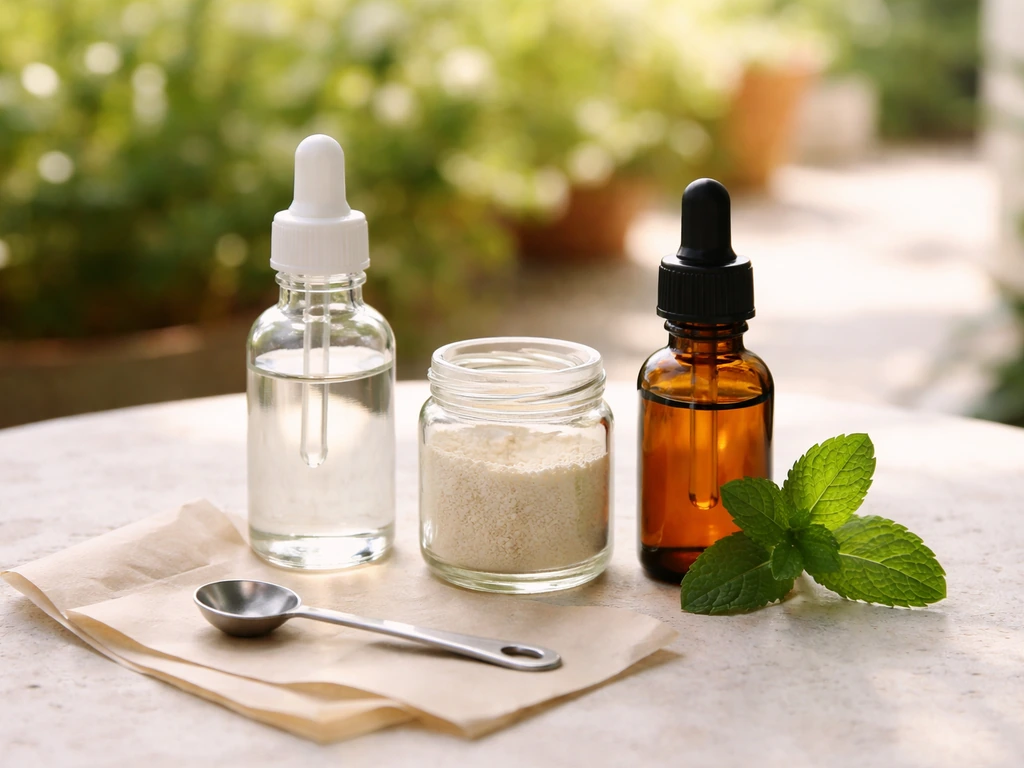
Before you start mixing, it helps to understand why certain ingredients bother birds and which ones are actually safe and legal to use at home. Birds have different sensory sensitivities than mammals. They are highly sensitive to capsaicin in the trigeminal nerve (which controls the face and beak), to strong aromatic oils like peppermint and eucalyptus, and to the sharp acidic smell of vinegar and citrus. These are the three categories worth working with for a DIY spray.
One ingredient worth knowing about is blank" rel="noopener noreferrer">methyl anthranilate (MA), the active ingredient in commercial products like Avian Control. It is a naturally occurring compound found in Concord grapes and is widely used as a bird aversive in agriculture. However, commercial MA-based products are registered with the EPA and sold as regulated concentrates, not something you can replicate at home with food-grade ingredients. If you want the reliability of an MA-based product, you are better off buying it than trying to DIY it. To understand whether bird repellent spray actually works for your specific situation, it is worth reading up before committing to any single approach.
Two ingredients you should absolutely avoid making at home are Avitrol (4-aminopyridine) and thiram. Avitrol is a federally regulated chemical that can harm non-target raptors like kestrels and sharp-shinned hawks, and its use is tightly controlled by USDA APHIS. Thiram is an EPA-regulated fungicide/bird repellent with strict label requirements and residential restrictions. Neither is a DIY ingredient. Stick with the capsaicin, peppermint, and citrus options described below and you will stay on safe, legal ground.
DIY homemade bird repellent spray recipes
These three recipes cover the most practical and widely used DIY approaches. Each one is straightforward to make with a standard spray bottle and common household items.
Recipe 1: Hot pepper spray (capsaicin-based)
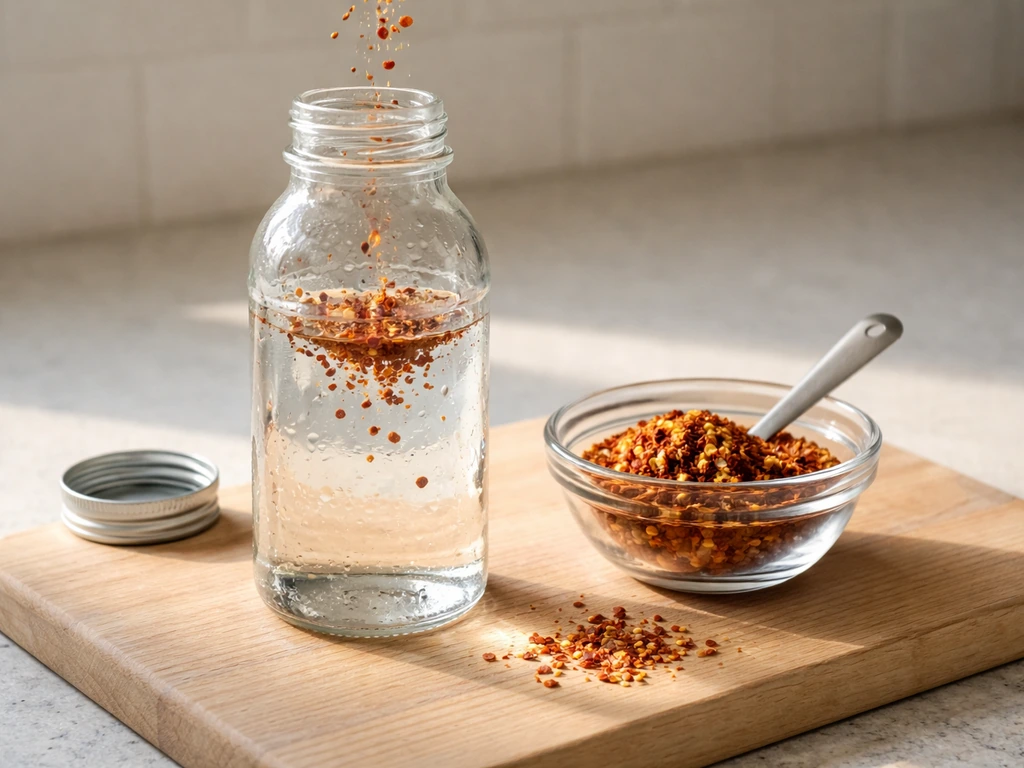
This is the most popular DIY bird repellent and works well on hard surfaces like railings, windowsills, and garden borders. Birds have receptors that react strongly to capsaicin, while mammals largely do not, making it species-selective in a useful way.
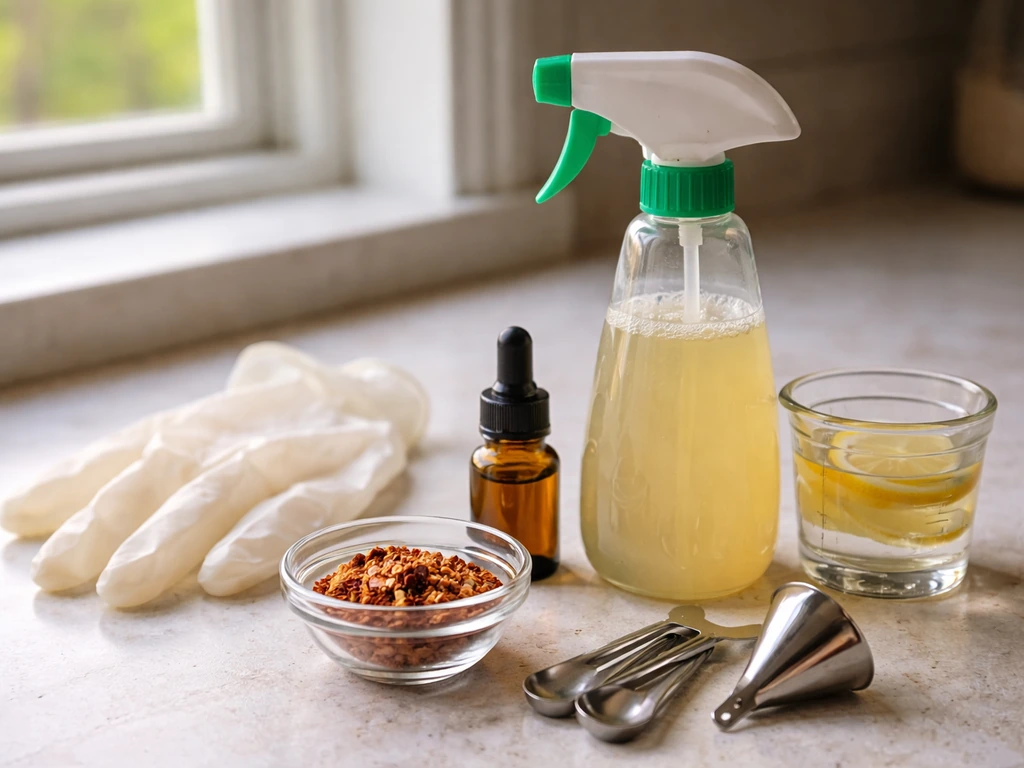
- Mix 2 tablespoons of crushed red pepper flakes (or 1 tablespoon of cayenne pepper powder) into 1 quart (32 oz) of water.
- Add 5 drops of dish soap to help the mixture adhere to surfaces.
- Stir well and pour into a clean spray bottle.
- Shake before each use, as the particles settle quickly.
- Apply directly to surfaces where birds land or perch.
You can also use fresh hot peppers. Blend 4 to 6 whole chili peppers with 2 cups of water, strain out the solids, add a few drops of dish soap, and dilute to 1 quart total. The resulting liquid is more potent than the dry-powder version but needs to be strained carefully to avoid clogging the spray nozzle.
Recipe 2: Peppermint oil spray
Peppermint and other strong essential oils are particularly useful around areas where you do not want a pepper smell lingering, such as outdoor dining spaces or windows near living areas. Birds find the strong menthol aroma irritating and will avoid treated areas.
- Combine 10 to 15 drops of peppermint essential oil with 2 cups of water in a spray bottle.
- Add 5 drops of dish soap to help the oil mix into the water and stick to surfaces.
- Shake well before each application.
- Spray onto ledges, window frames, garden furniture, and fence tops.
- Reapply every 3 to 5 days, or immediately after rain.
You can swap peppermint for eucalyptus oil or a blend of both. Some people add a few drops of citronella oil to the mix for an even broader aromatic deterrent profile. Keep the total oil concentration between 10 and 20 drops per 2 cups of water. Going higher risks leaving an oily residue that attracts dust and looks messy.
Recipe 3: Vinegar and citrus spray
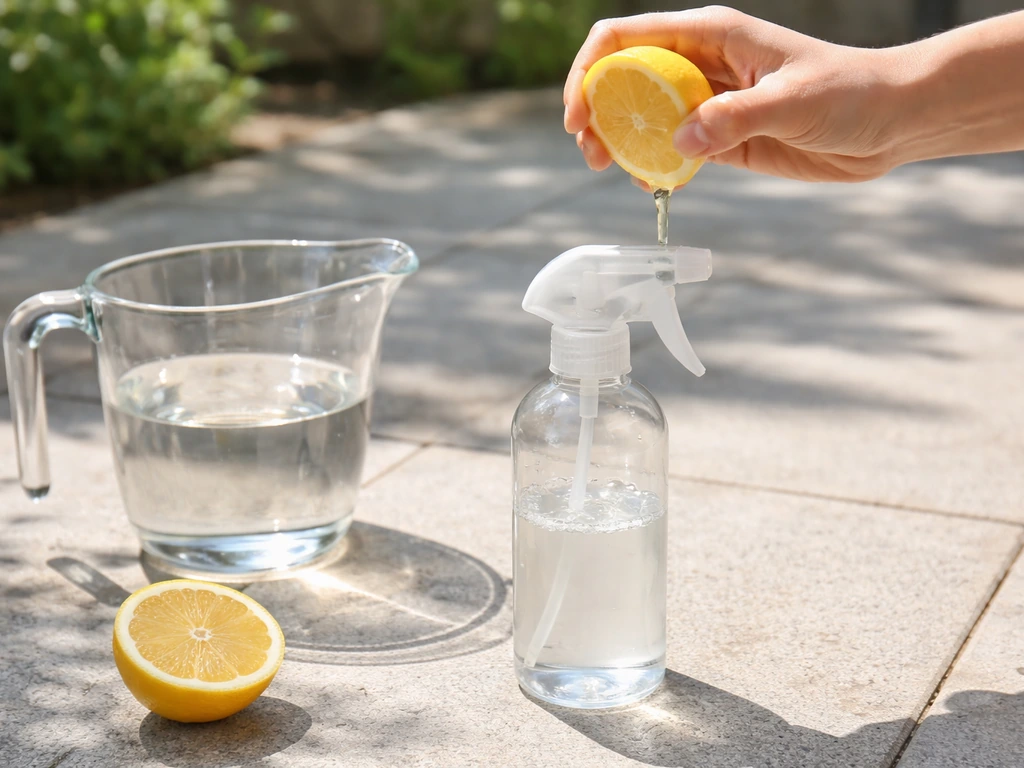
This is the simplest option and works best as a surface treatment on hard outdoor surfaces where you need something cheap and quick. It is less potent than the pepper or oil sprays but is completely harmless to plants and surfaces.
- Mix 1 cup of white vinegar with 1 cup of water in a spray bottle.
- Squeeze in the juice of one lemon or lime, or add 10 drops of lemon essential oil.
- Shake to combine and apply to affected surfaces.
- Reapply every 2 to 3 days or after any rain.
How to apply spray for specific areas
Patios and outdoor furniture
Apply the pepper or peppermint spray directly to chair backs, table edges, umbrella poles, and any railings birds use as perches. Do not spray seat cushions directly, as the residue can transfer to clothing. Treat the perimeter surfaces and the underside of railings where birds like to grip. Reapply every 5 to 7 days in dry weather.
Windows and windowsills
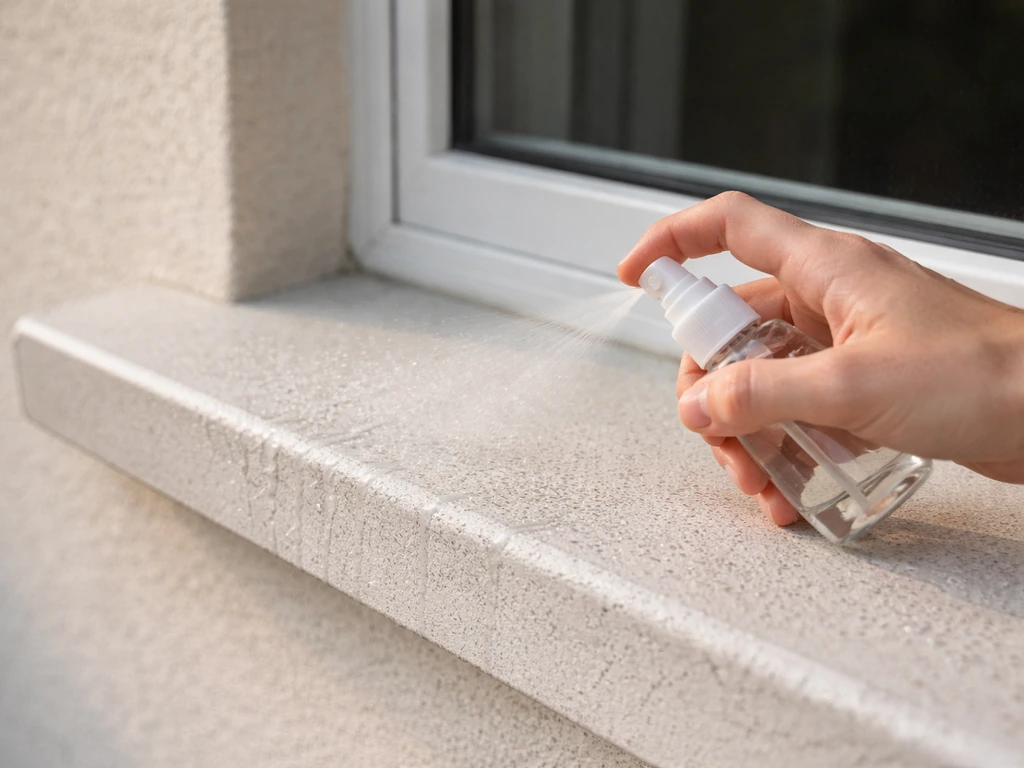
Use the peppermint or vinegar spray on the exterior sill surface and the surrounding ledge. Apply a thin, even coat rather than soaking the surface. Avoid spraying directly onto glass in strong sunlight, as oil-based mixtures can leave streaks. For birds that are colliding with windows rather than perching on them, a spray deterrent on the sill is only part of the solution. You may need visual deterrents on the glass as well.
Gardens and plants
The pepper spray works well directly on plant foliage that birds are pecking at, such as berry bushes, seedling beds, and ripening vegetables. Spray the leaves and fruit lightly and reapply after every rain. Avoid applying to flowers you intend to eat or to edibles within a few days of harvest. Do not spray directly onto pollinators like bees. Apply in the early morning or evening when bee activity is low. Timing matters: apply shortly before fruit starts ripening, when birds begin foraging in earnest, rather than waiting until damage is already occurring.
Roofs and gutters
Rooftop applications are trickier because wind disperses the spray quickly and rain washes it away faster than at ground level. If you are treating a flat roof, focus on parapet edges and HVAC equipment where birds perch. Use the pepper spray at double concentration (4 tablespoons per quart instead of 2) to compensate for faster dispersal. Apply on calm days and expect to reapply every 4 to 5 days in any kind of weather.
Pool areas
Spray the coping, pool deck edges, and any fencing or rails around the pool. Do not spray directly into the water. The goal is to treat the perch points birds use to access the pool area. Peppermint and citrus work better here than pepper spray if you have bare feet walking the deck, since pepper residue can be irritating to skin. Reapply every 5 to 7 days.
Solar panels
Birds typically nest under solar panels rather than on top of them, which means spray alone is rarely sufficient. That said, treating the edges of the panel frames and the roof surface immediately surrounding them can discourage initial roosting. Use the vinegar-citrus spray rather than oil-based options, which can leave residue on panel surfaces. For persistent solar panel problems, physical exclusion is a much more reliable fix, which is covered in the alternatives section below.
What to expect and when to reapply
Do not expect birds to leave on the first day. Most species are cautious but persistent. You will typically see a reduction in visits within 2 to 4 days as birds start associating the treated area with an unpleasant sensory experience. Some species, particularly pigeons and house sparrows, are more stubborn and may take longer.
Reapplication is the single biggest factor in whether a DIY spray works long term. Rain is the main enemy. Even a light shower washes capsaicin and essential oils off most surfaces. UV sunlight also degrades aromatic compounds quickly, with dissipation possible within 2 to 3 days of strong sun exposure. A good rule of thumb for DIY sprays: reapply every 5 to 7 days in dry weather, and immediately after any significant rain.
Commercial MA-based products like Avian Control follow a similar pattern. Cornell Cooperative Extension trials used reapplication intervals of 6 to 8 days, with reapplication required any time rain washed the product off. Seller guidance puts the practical lifespan at 10 to 14 days in dry conditions. Your DIY spray will generally be less durable than a commercial formulation, so lean toward the shorter end of that range for reapplication.
Keep a simple log: date applied, weather since last application, and whether bird activity changed. This takes 30 seconds and tells you a lot about whether your spray is actually working or whether you need to adjust the formulation or try a different approach.
Safety and environmental considerations
The ingredients in these DIY recipes are generally low-risk, but there are a few cautions worth taking seriously.
- Wear gloves when mixing pepper-based sprays. Capsaicin is a strong irritant and will cause serious discomfort if transferred to your eyes or face.
- Avoid spraying near bird feeders, nest boxes, or areas where birds you want to keep (like songbirds) are active. Spray deterrents are not selective about which species they repel.
- Do not apply oil-based sprays to wood surfaces that are prone to staining, painted surfaces without testing a small area first, or directly onto solar panel glass.
- Vinegar is mildly acidic and can etch certain stone surfaces like marble or unsealed limestone with repeated application. Test on an inconspicuous area first.
- All three recipes are biodegradable and low in environmental toxicity. They will not harm soil, groundwater, or non-target wildlife in the concentrations used.
- Keep spray away from children's play areas until dry, and do not let pets walk through freshly sprayed areas, especially pepper-based ones.
One broader point: the regulatory picture for bird repellent products is more complex than most people realize. In the US, EPA registration is required for products making specific repellent efficacy claims. In the EU and UK, biocidal products must be authorized for exact formulations and use categories. This does not mean your homemade spray is illegal, but it does mean you should not expect it to perform like a commercially tested, registered product.
When spray is not enough: more reliable alternatives
Spray repellents work best as a first line of defense or as part of a broader strategy. If you are dealing with persistent roosting, nesting, or large flocks, spray alone will rarely solve the problem. Here is a quick comparison of the main alternatives.
| Method | Best for | Durability | Installation effort | Cost range |
|---|---|---|---|---|
| DIY spray repellent | Light perching on patios, sills, gardens | 3–14 days per application | Very low | Near zero |
| Physical spikes | Ledges, rooftop edges, gutters, beams | Years with minimal maintenance | Low to moderate | Low to moderate |
| Bird netting | Solar panels, gardens, eaves, fruit trees | Several years | Moderate to high | Moderate |
| Visual deterrents (reflective tape, predator decoys) | Open areas, gardens, pools | Weeks to months before birds habituate | Very low | Low |
| Sonic/ultrasonic deterrents | Large open spaces, rooftops, commercial properties | Ongoing with power supply | Low to moderate | Moderate to high |
| Repellent gels | Ledges, beams, window frames | Several months indoors, less outdoors | Low | Low to moderate |
Physical barriers are the gold standard for long-term bird control. Spikes prevent perching on narrow ledges without harming birds, and netting excludes them entirely from areas like solar panels and garden plots. If you are curious about how well gel-based products compare to sprays, the answer depends heavily on the surface and species. You can get a full breakdown in this guide on whether bird repellent gel actually works and under what conditions it outperforms spray.
Gel products deserve special mention because they are a middle ground between DIY spray and full physical exclusion. They stick to surfaces longer than liquid sprays and create a tactile deterrent that birds dislike landing on. If you want to try gel but are not sure where to start, this walkthrough on how to apply bird repellent gel covers placement, coverage, and the surfaces where it works best.
One specific gel product worth understanding if you are dealing with pigeons on ledges is Bird Barrier Optical Gel, which works differently from standard contact gels. It combines sensory deterrents in a way that confuses birds' visual perception. If that sounds relevant to your situation, this article on how Bird Barrier Optical Gel works explains the mechanism clearly.
For a broader look at whether any of the deterrent categories available to you are actually worth the investment, it is useful to step back and ask whether bird protectors actually work in real-world conditions before spending money on hardware.
Finally, if you have been wondering about gel as a standalone option, particularly whether it is worth using over spray in a specific location, the focused comparison in this piece on whether bird gel works will help you decide.
Troubleshooting when birds ignore your spray
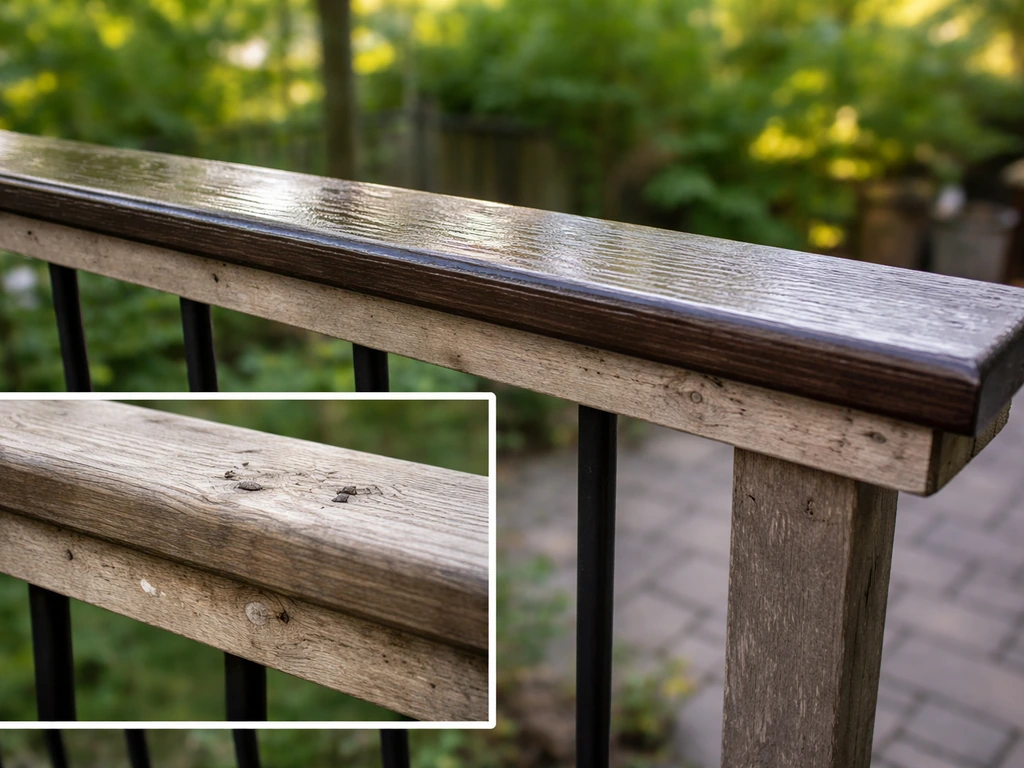
If you have been applying your DIY spray consistently and birds are still landing in the same spots, here is how to diagnose the problem.
Check your coverage
Birds are precise. If you treated the top of a railing but not the underside or the nearby post, they will simply shift to the untreated spot. Walk through the area after applying the spray and look for every possible landing point within a few feet of where birds have been. Treat all of them. Wind also matters: on exposed rooftops and open areas, you need heavier, more frequent applications because dispersal is faster. Apply in calm conditions when possible so the spray actually settles on the surface.
Consider the surface type
Porous surfaces like raw wood, rough concrete, and brick absorb liquid sprays quickly, leaving little active ingredient on the surface after 24 to 48 hours. On these surfaces, add the dish soap and increase the concentration of your active ingredient (use 3 tablespoons of cayenne instead of 2, or 15 drops of oil instead of 10). Smooth non-porous surfaces like metal, glass, and painted wood hold the spray longer and need less frequent reapplication.
Adjust for the species you are dealing with
Not all birds respond equally to DIY sprays. Pigeons and house sparrows are among the most stubborn, while smaller songbirds tend to be more easily deterred. Canada geese, in particular, are notably resistant to MA-based sprays in some contexts, as research from the University of Nebraska found that foliar sprays failed to reduce crop damage in certain field trials. If you are dealing with geese, ducks, or large flocks of any species, spray repellent is likely not going to be your main solution. Combine it with visual deterrents and, if the area allows, physical exclusion.
Switch up the formulation
If the pepper spray is not working, try the peppermint version, or combine both. Some birds become accustomed to a single deterrent type over time, particularly if the concentration is too low to cause real discomfort. Rotating between formulations or layering approaches (spray plus a visual deterrent like reflective tape) gives you a better chance of breaking the habit.
The bottom line on troubleshooting: spray repellents need to be applied to the right surfaces, at sufficient concentration, and reapplied consistently to have any lasting effect. When they stop working, the most common culprits are incomplete coverage, weather degradation, and species-specific resistance. Addressing those three factors will solve most DIY spray failures before you need to step up to a hardware-based solution.
FAQ
Will DIY bird repellent spray damage plants, paint, or furniture?
Do a quick compatibility test on a hidden spot first. Oil-based peppermint blends can leave oily streaks on untreated or textured paint, and cayenne peppers can stain light-colored surfaces. If you see discoloration or lingering slipperiness after it dries, switch to the citrus-vinegar method for that surface or reduce the oil drop count.
How do I know if I diluted my DIY repellent correctly?
Yes, but the right way to dilute depends on the recipe. For pepper, strain thoroughly and dilute to the stated quart total, then shake well before each spray to keep the capsaicin evenly suspended. For peppermint or eucalyptus, keep within 10 to 20 drops per 2 cups of water, because going higher increases residue and also raises the chance of surface smearing.
My spray bottle clogs or sprays unevenly. What should I change?
Warm the water slightly before mixing (not hot), and shake right before filling the sprayer. Pepper concentrates can separate quickly, and essential oils separate even more. If your nozzle clogs often, run the mixture through a finer strainer (coffee filter style) and avoid using “blended pepper solids” unless you are prepared to strain very carefully.
Can I spray the birds themselves to make them leave faster?
Do not spray birds directly. The DIY recipes are meant for treated surfaces that birds choose to land or grip, and direct spraying can be messy and unpredictable. If you need immediate relief while you set up coverage, block access temporarily with tape, temporary netting, or by removing the perching points you can reach, then start consistent surface treatment.
What should I do if the birds are nesting where I sprayed?
If birds are nesting, assume spray alone will not remove them safely. Many species will continue nesting until the nest is inactive, and you also risk attracting attention from predators if adult birds get startled and rush around. In active nesting situations, prioritize exclusion (netting or blocking entry points) and pause spraying on those areas until the nest is cleared.
I reapply regularly, but the birds keep using the same spot. How can I figure out why?
If you get birds returning to the exact treated zone after a few days, check for “missed landing points,” especially undersides of rails, nearby posts, and the transition surfaces within a couple feet. Also reduce the chance of birds finding a dry escape route by treating after every rain and in calm weather so the active compounds settle where birds land.
I have window collisions. Should I spray the window glass or only the sill?
For collision-prone windows, spraying only the sill often is insufficient. Birds may see reflections or patterns through glass, so pair the sill treatment with a visual change to the glass (for example, blocking reflections or adding a visible deterrent on the window). Make sure you also treat the outer ledge or nearby perch points that they can access from the outside.
Can I use DIY repellent spray on fruiting plants and still eat the harvest?
For edible plants, aim for timing and minimal contact. You can lightly treat foliage that birds peck at, but do not spray blossoms that you expect to be visited by pollinators, and avoid applying to harvest items right before you plan to eat them (use a few-day buffer). After rain, reapply lightly, but only on parts you can safely wash before use.
Why does the spray fade so quickly on wood or brick?
On porous surfaces, the blend soaks in and loses deterrent strength fast. Increase concentration as recommended in the article (for example, more cayenne per quart or more oil drops within the stated range), and expect more frequent reapplication. If you are not willing to increase concentration, choose a different approach like physical barriers on those porous ledges.
How often should I rotate between pepper and peppermint, and when should I stop DIY spraying?
Rotate ingredients when you are seeing reduced effectiveness, but keep records so you know what is working. A practical approach is to alternate pepper and peppermint on the same “perch points” in separate cycles (for example, one interval per formulation), while still maintaining the reapplication schedule after rain. If there is no improvement after a couple rotations, switch strategies to visual deterrents and exclusion.
Next Article
What Is Already Being Done to Prevent Bird Collisions
Learn what’s already used to prevent bird collisions, from airport safeguards to building glass and humane deterrents, p