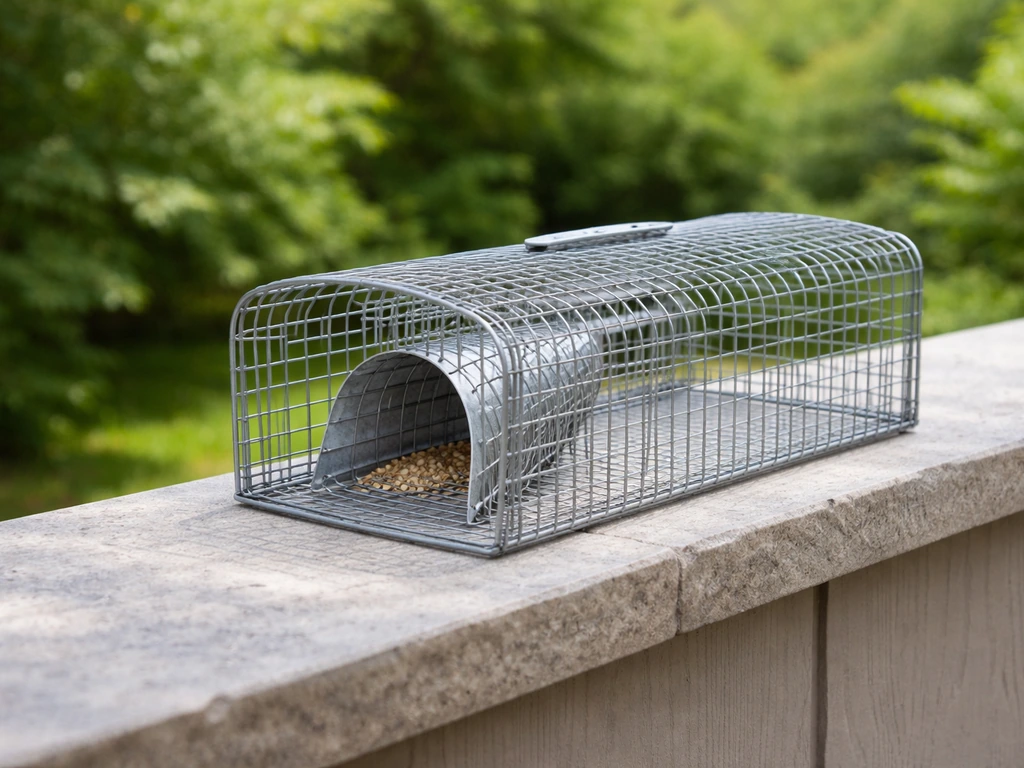
The most effective cat collars for reducing bird catching are Birdsbesafe® high-visibility collar covers and weighted bell collars, ideally fitted with a breakaway safety mechanism. If you are wondering what a bird catcher is called, the most common term is a “cat,” especially when discussing cats that hunt birds what is a bird catcher called. Research shows these can cut the number of birds a cat brings home by 41–51%, but no collar eliminates hunting entirely. If your cat is a serious bird hunter, a collar is a good first step, not the whole solution.
Best Cat Collars to Stop Bird Catching: A Practical Guide

Marcus Weatherby
30 Apr 2026
How collar designs actually affect bird catching (and where they fall short)
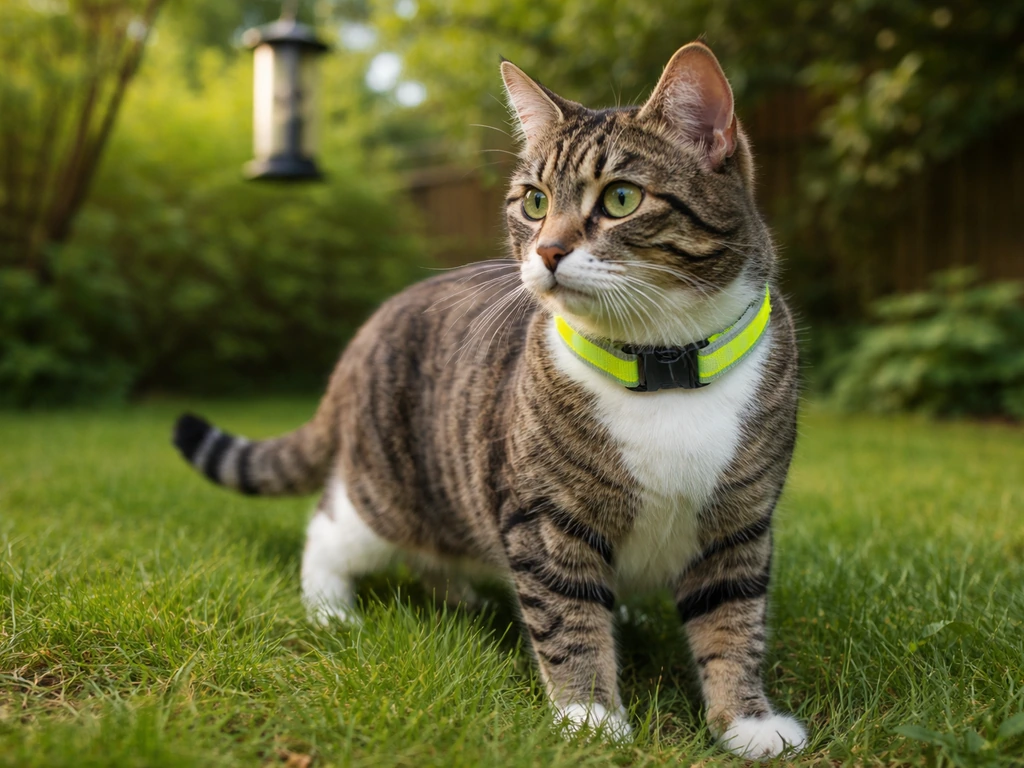
Collars work through three basic mechanisms: sound (bells alert birds to an approaching cat), visual distraction (bright or flashing colors break up the cat's silhouette and disrupt a bird's threat-detection), and high visibility (reflective or brightly colored covers make the cat more obvious in a bird's peripheral vision). Each of these gives birds a small but measurable additional fraction of a second to react and escape.
The key word there is 'measurable. ' A UK study published in 2005 found that bell collars produced a 41% reduction in birds brought home, while a sonic collar device (CatAlert™) produced a 51% reduction. In controlled tests, Nelson et al. (2005) reported that cats wearing a bell returned 41% fewer birds and 34% fewer mammals than cats wearing a plain collar [bell collars produced a 41% reduction in birds brought home](https://www.
sciencedirect. com/science/article/abs/pii/S0168159105000742). A high-visibility collar cover like Birdsbesafe® has shown similar or better results in multiple trials, including a 2015 study in Global Ecology and Conservation and a 2022 Frontiers in Ecology and Evolution study that found the collar cover alone was effective, with no measurable added benefit from also adding a bell.
Where collars fall short is worth being honest about. Both the U.S. Fish and Wildlife Service and Audubon note that by the time a bell rings, a hunting cat is already close enough that many birds cannot escape in time. Fledglings on the ground are especially vulnerable, because they cannot fly away regardless of any warning. Collars do not change the cat's motivation or skill, and a highly experienced hunter will adapt over time. Think of a collar as reducing your cat's success rate, not switching off the hunting instinct.
Choosing the right collar type for your situation
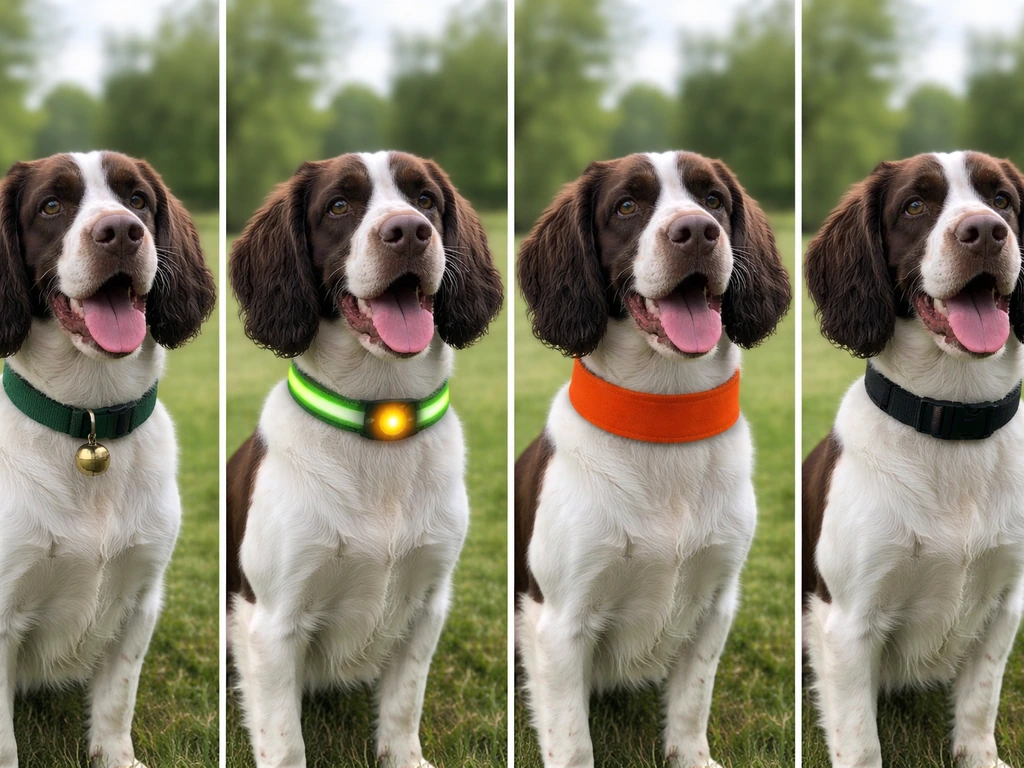
There are four main types worth considering. Here is how they compare across the factors that matter most to most people.
| Collar Type | How It Works | Best Setting | Effectiveness Evidence | Main Limitation |
|---|---|---|---|---|
| Bell collar | Sound warns birds on approach | Open yards, gardens, mixed terrain | ~41% fewer birds returned (Nelson et al., 2005) | Birds often don't escape in time; fledglings unprotected |
| Weighted bell collar | Heavier bell rings more consistently with subtle movement | Dense vegetation, slow stalkers | Similar to standard bell; more reliable ringing | Same timing limitations as standard bell |
| Birdsbesafe® / high-visibility collar cover | Bright ruff disrupts cat's outline in bird's peripheral vision | Gardens, patios, near roosting or feeding areas | Statistically significant reduction in multiple studies; no clear added benefit from combining with bell | Less effective in low-light conditions; cat may resist wearing it |
| Reflective / flashing collar | Reflects light or uses LED to alert birds visually | Dawn/dusk patrol zones, near windows or feeders | Limited controlled studies, but logical extension of visual deterrence principle | Battery replacement needed for active LED types; daytime-only effect for passive reflective |
Which one should you buy?
If your cat hunts mainly in a garden or near bird feeders during daylight, start with a Birdsbesafe® collar cover in the brightest color available (red-orange and rainbow patterns have the most documented success). If you are looking for the best bird trap in the world, start by prioritizing practical cat-collar and deterrent choices that reduce hunting in your exact setting Birdsbesafe® collar cover.
If you're looking for the best bird trap ever, focus on prevention methods that protect birds without harming them, then pair them with collar coverage for added results. For the best results with cat deterrents, pair the right approach with the best bait for bird traps so you are not inviting repeat attempts near your yard. If your cat is a stealth stalker that barely moves before pouncing, a weighted bell may help more than a standard bell.
If budget allows, combining a high-visibility cover with a weighted bell is a reasonable approach, though the 2022 Frontiers study found no statistically clear incremental benefit from the bell addition in that specific setting. At a minimum, any collar you choose must have a breakaway buckle.
Fit, safety, and the breakaway requirement
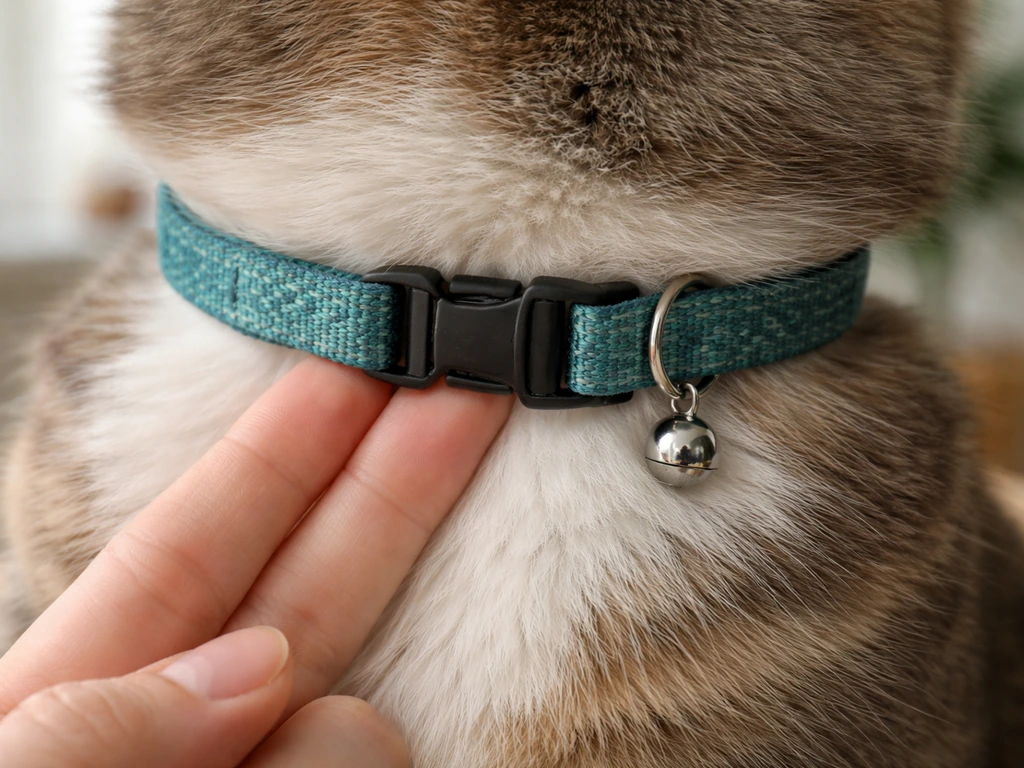
A non-breakaway collar on a cat is a genuine entanglement and strangulation risk. If your cat climbs fences, squeezes through gaps, or hunts in brush, a standard fixed collar can catch on a branch, fence wire, or their own leg and cause serious injury. Every collar you put on a hunting cat must have a breakaway (also called quick-release) buckle that releases under about 2–3 kg of pulling force.
Sizing is equally important. The traditional guide is the 'two-finger rule': you should be able to slide two fingers flat under the collar around the full circumference, but not more. Too loose and the collar slips off or snags; too tight and it causes rubbing, pressure sores, or restricts breathing. Most adult cats fit a collar between 20 and 30 cm in circumference, but measure your individual cat rather than guessing.
Inspect the collar every week for the first month, then at least monthly after that. Check for fur matting or skin irritation under the collar band, wear on the buckle mechanism (breakaway buckles weaken with repeated releases), and whether the collar has shifted forward toward the throat. If a Birdsbesafe® cover is attached, also check that the ruff material hasn't compressed or tangled enough to pull the collar forward. USGS reports testing Birdsbesafe® in cat trials over multi-week bird-breeding-season periods, including 12-week/8-week alternation designs in New York and Florida contexts Birdsbesafe® cover.
One practical note: some cats, especially those new to collars, will shake, scratch, and paw at the collar for the first few days. This is normal adjustment behavior. If it persists beyond a week, or if the cat is losing fur or developing sores, remove the collar and consult a vet before trying again with a wider or lighter design.
Behavioral tips that make the collar work better
A collar gives birds a warning, but if the cat still has every environmental advantage, that warning may not be enough. A few behavior-side changes significantly improve the collar's effectiveness.
- Keep the cat indoors during peak bird activity: the two hours after sunrise and the hour before sunset are when most songbirds feed and fledglings are most active on the ground. This one change, even without a collar, can dramatically reduce catches.
- Remove cover near feeding areas: if your cat hunts from dense shrubs within a meter of a bird feeder or birdbath, remove the low cover or relocate the feeder to an open area where a bell or bright collar has more time to warn the birds.
- Feed the cat just before you let it outside: a well-fed cat is a less motivated hunter. It won't eliminate hunting (cats hunt for instinct, not just hunger), but it reduces intensity.
- Enrich the indoor environment: if the cat is hunting partly out of boredom or understimulation, interactive toys and vertical climbing space can reduce the pressure to hunt outdoors.
- Reward calm outdoor behavior: if you supervise outdoor time, redirect and reward the cat for non-hunting behaviors like sitting and watching rather than stalking postures.
Installation checklist and how to tell if it's working
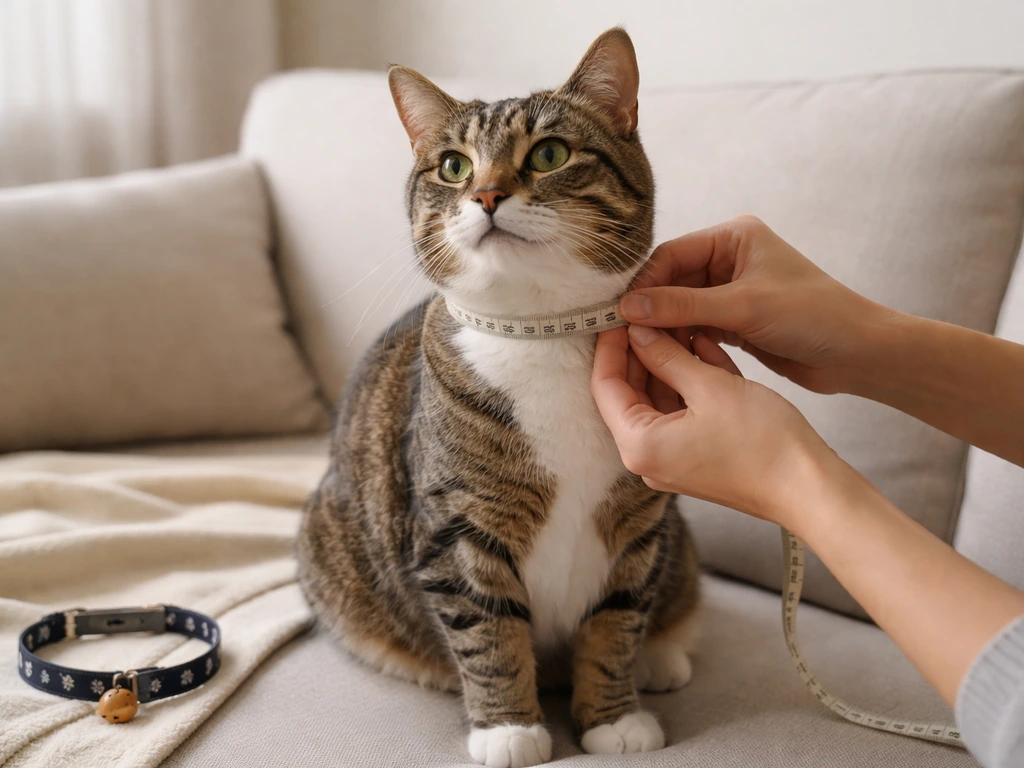
Before you put the collar on
- Measure the cat's neck circumference with a soft tape measure.
- Choose a collar with a verified breakaway buckle (test it yourself: it should release with firm but not extreme hand pressure).
- If using a Birdsbesafe® cover, attach it to the collar before fitting, as the cover adds a small amount of bulk.
- Check the bell, if included, is securely attached and rings freely when you shake the collar gently.
- Write down today's date so you can track the evaluation period.
After fitting
- Run the two-finger check immediately after buckling.
- Watch the cat for 15–20 minutes for signs of distress, excessive pawing, or difficulty breathing.
- Check again after the first 24 hours, as collars sometimes shift overnight.
- Log any birds, mice, or other prey the cat brings home in a simple notepad or phone note.
How long before you see results?
Give it a minimum of four weeks before judging effectiveness. If you think your OSRS bird snare is not working, double-check that the bait, location, and timing match the setup you are using OSRS bird snare not working. Bird-catching rates vary a lot by season: spring and early summer (when fledglings are on the ground) are peak times, so your baseline and test period need to overlap with active hunting periods to be meaningful.
If the cat was bringing home an average of three birds per week before the collar and is now bringing home one or fewer, that is a meaningful reduction. If the rate hasn't changed at all after six weeks, the collar type may not be well-matched to your cat's hunting style or environment, and it's time to try a different type or add a backup strategy.
When collars aren't enough: your next options
Audubon and the U.S. Fish and Wildlife Service are both clear that keeping cats indoors or otherwise preventing outdoor access is the strongest available method for reducing bird mortality. If you still need extra protection beyond collars, choosing the best bird trap alternatives can help safeguard vulnerable birds around your home. Collars are useful, but if they aren't producing a noticeable change, these are the next layers to add. If you are considering other ways to stop hunting, you may also want to understand what is a bird snare and why safer alternatives are usually recommended.
Physical containment options
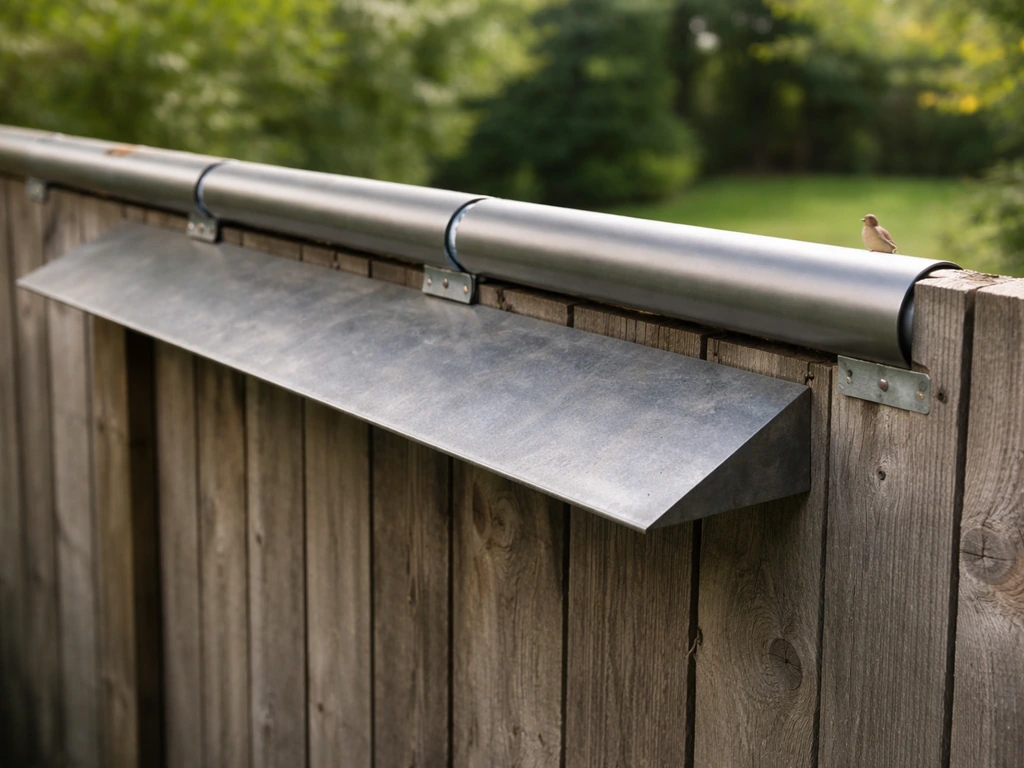
- Cat-proof garden fencing: roller bars or angled overhangs on existing fences prevent cats from climbing out of (or into) a defined space. These are widely available as DIY kits and are especially useful if the cat is hunting in a neighbor's garden rather than your own.
- Catios and enclosed runs: a fully enclosed outdoor structure gives the cat fresh air and stimulation without unsupervised roaming. These range from small window-box units to large permanent structures.
- Garden netting over bird feeding or nesting areas: if there are specific zones where birds are most vulnerable, physical netting (the kind used for crop protection) installed as a low barrier around shrubs and ground-level areas blocks cat access without harming birds.
- Spikes and barriers on fences and ledges: anti-perch and anti-climb strips on fence tops and shed roofs reduce the launching platforms cats use for stalking. These are standard bird-control tools that double as cat-management tools in residential settings.
Supervised access and schedule changes
Restricting outdoor access to the middle of the day (roughly 10am to 4pm, with a leash or supervised free time) removes the cat from the garden during the two periods of highest bird vulnerability. During fledgling season (typically May through July in the northern hemisphere), it is worth being especially strict about this schedule.
Sensory deterrents around vulnerable areas
If the goal is protecting a specific zone, such as a bird feeder, nesting box, or roosting area, motion-activated water sprayers (like the Scarecrow sprinkler) placed at cat entry points are effective at deterring cats without harming them or the birds. If you are specifically trying to stop a “coke can bird trap” style setup, focus on cat-proof deterrents and remove any reachable improvised traps near the feeder or nesting areas motion-activated water sprayers. Ultrasonic cat deterrents positioned at garden entry points can also discourage cats from entering a defined area. These tools are a natural complement to the collar-based approach and are part of the broader deterrent toolkit covered elsewhere on this site.
If the problem is neighboring cats, not your own
Collars obviously only help if you own the cat and can fit one yourself. If free-roaming neighborhood cats are the issue, physical barriers, motion-activated deterrents, and protected feeding station placement are your main tools. Relocating feeders and birdbaths to open areas at least 3 meters from any shrub or fence cover significantly reduces ambush opportunities, regardless of whether any cat is collared.
FAQ
Do bells actually scare birds, or are they just a warning too late?
Bells can add an extra fraction of a second for birds to react, but they do not guarantee a retreat. If your cat stalks silently and only rings the bell right before the pounce, the warning may arrive after most birds would already be unable to escape. In that case, prioritize high-visibility covers first, then consider a weighted bell if the cat’s behavior is still a problem.
What’s the difference between a collar cover and adding a bell to the same collar?
A high-visibility cover works mainly by making the cat easier for birds to spot in peripheral vision. Adding a bell focuses on sound-based alerts. Some research found little to no measurable improvement from adding a bell on top of a visibility cover, so if budget is limited, you’ll often get more value by starting with the best visibility option and only adding sound if your cat’s hunting pattern suggests it will help.
My cat shakes and scratches at the collar, how long should I wait before giving up?
A few days of pawing, scratching, and collar shaking is common during adjustment. If it continues beyond about a week, if fur loss starts, or if you see skin redness, sores, or the collar shifting toward the throat, remove the collar and consult a vet. Then try a different fit, lighter design, or wider coverage that reduces rubbing.
How tight should a cat collar be to avoid both slipping and injury?
Use the two-finger rule around the full circumference, two fingers flat between collar and neck, not so loose it can slip off and not so tight it restricts movement or causes rubbing. Measure the individual cat rather than using a generic size, since “standard adult” ranges can vary by breed and build.
How often should I check that the breakaway buckle is still safe?
Do a careful weekly inspection for the first month, then at least monthly. Look specifically for buckle wear and whether repeated releases seem to have weakened the mechanism. Also check the collar’s position, if it has migrated forward, and fur matting under the band, since pressure points can appear even if the collar still looks secure.
What if my cat is a fence climber or squeezes through gaps, can I use a breakaway buckle only sometimes?
No. If your cat climbs, explores brush, or hunts where entanglement is possible, the collar must have a breakaway or quick-release buckle every time. Even brief collar use without the release feature increases strangulation and entanglement risk if the collar catches on fence wire, branches, or a leg.
When will I know the collar is working, and what numbers should I track?
Give it at least four weeks before concluding it’s ineffective, and overlap your observation with peak hunting periods, especially spring and early summer when fledglings are on the ground. Track birds brought home per week. A drop from roughly three birds per week to one or fewer is a meaningful change, while little to no improvement after about six weeks suggests the collar type may not match your cat’s hunting style or environment.
Should I compare before-and-after using the same conditions each time?
Yes. Hunting success varies by season and time of day, so compare across similar conditions and monitor during active periods. A collar might look ineffective if the “before” week happened in colder weather or during low bird activity, while the “after” period coincides with fledgling peaks.
Can I use collar deterrents if the cat mostly hunts at night or in dense cover?
Bird-friendly collars may work less predictably in dense cover or during darkness because birds have fewer opportunities to visually detect the cat at range. If your cat hunts in brush or at dusk, consider combining visibility-focused collars with environmental changes, such as removing ambush cover, relocating feeders farther from cover, and using entry-point deterrents at likely routes.
What should I do if collars reduce bird catching but my cat still brings birds home sometimes?
Treat the collar as success-rate reduction, not elimination. If you’re still getting brought-home birds after the initial adjustment period, add at least one other layer, such as restricting outdoor access during peak vulnerability windows, cat-proofing the feeder area, and using motion-activated deterrents at entry points, rather than repeatedly changing collar types without addressing environment.
What if the problem is free-roaming neighborhood cats, not my pet?
Collars only help when they are on your cat. For neighborhood cats, focus on barriers, managing feeder placement, and deterrents that protect specific zones. Relocating bird feeders and birdbaths to open areas at least 3 meters from shrubs or fences reduces ambush opportunities even without any collar use.
Are there situations where I should choose a different deterrent approach than collars?
If you cannot reliably fit and monitor a collar, if your cat persistently irritates the skin despite correct sizing, or if outdoor access cannot be controlled at least partially, collars alone may not be practical. In those cases, prioritize indoor time or supervised outdoor windows, plus zone protection (like motion-activated water sprayers at cat entry points) since those can reduce risk without relying on constant collar wear.
Next Article
Best Bird Trap Guide: Choose, Install, and Prevent Returns
Buyer setup guide for the best bird trap: choose humane options, install correctly, prevent returns, avoid common mistak