
The bird control method that works for you depends on three things: what species you're dealing with, where they're showing up, and why they keep coming back. Get those three answers right and you can match the right tool to the problem. Skip that step and you'll spend money on products that do nothing. This guide walks you through every major category of bird control, how to deploy each one correctly, and how to combine them for locations like patios, roofs, solar panels, and pools.
Bird Control Methods: A Practical Guide for Real Homes

Marcus Weatherby
18 Apr 2026
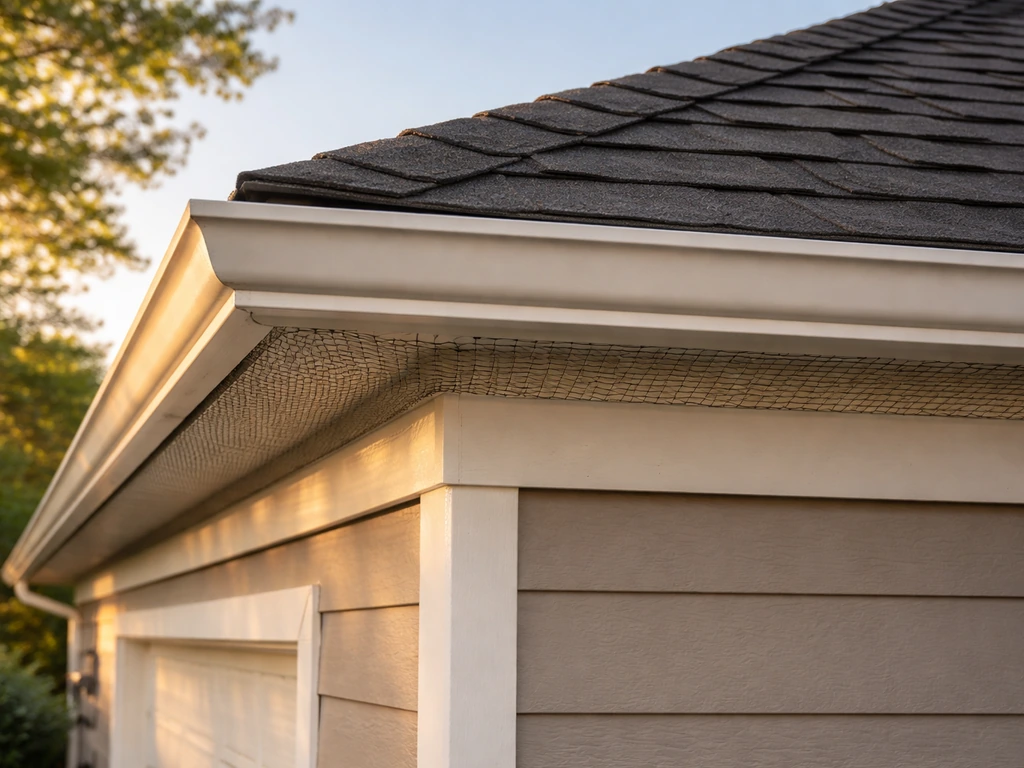
Step one: figure out exactly what you're dealing with
Before you buy anything, spend a day observing the birds. Note when they arrive, where they land first, where they roost overnight, and what's drawing them in. A flock of pigeons roosting on a ledge is a different problem from starlings nesting in a soffit or gulls landing on a rooftop. The species matters because it changes the tools and the legal rules around what you can do.
Most pest birds fall into a short list: pigeons, house sparrows, European starlings, Canada geese, and ring-billed gulls are the most common in residential and commercial settings. Each has different roosting preferences, body sizes (which affects mesh sizing for netting), and behavioral tendencies. A pigeon is a ledge rooster. A starling is a cavity nester. A goose is a ground feeder. The method you need follows directly from those habits.
Also confirm whether any birds on your property are protected under the Migratory Bird Treaty Act. In the U.S., almost all native wild birds are federally protected, which means trapping, harming, or destroying active nests can be illegal without a permit. Pigeons, house sparrows, and European starlings are not protected under MBTA, which gives you more flexibility. If you're unsure, check with your local wildlife agency before doing anything that could disturb nesting birds.
Physical exclusion: the most reliable long-term fix
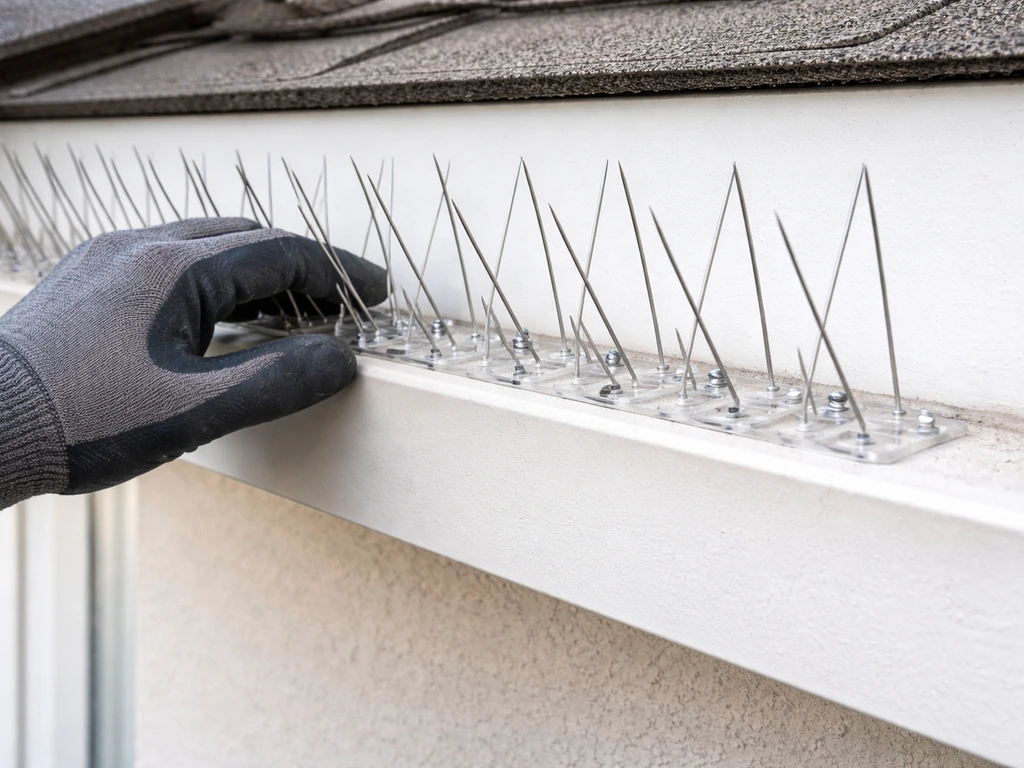
Physical exclusion means putting a barrier between the bird and the spot it wants to use. Done correctly, it's the most dependable category of bird control because it doesn't rely on frightening birds that may habituate over time. The two main tools are spikes and netting, and both require correct installation to work.
Bird spikes
Spikes work by making a ledge physically uncomfortable to land on. They don't injure birds; they just take away the flat surface. The critical detail is coverage. According to Dura-Spike installation specs, tips can be spaced up to 2.5 inches apart, and a 12-inch-wide ledge typically needs two rows of wide-format spikes to cover it fully. Leaving any gap between spike strips, or between the end of a strip and a wall corner, gives birds exactly the foothold they need. Run strips end-to-end with no breaks, and use the correct width for your ledge.
Bird netting
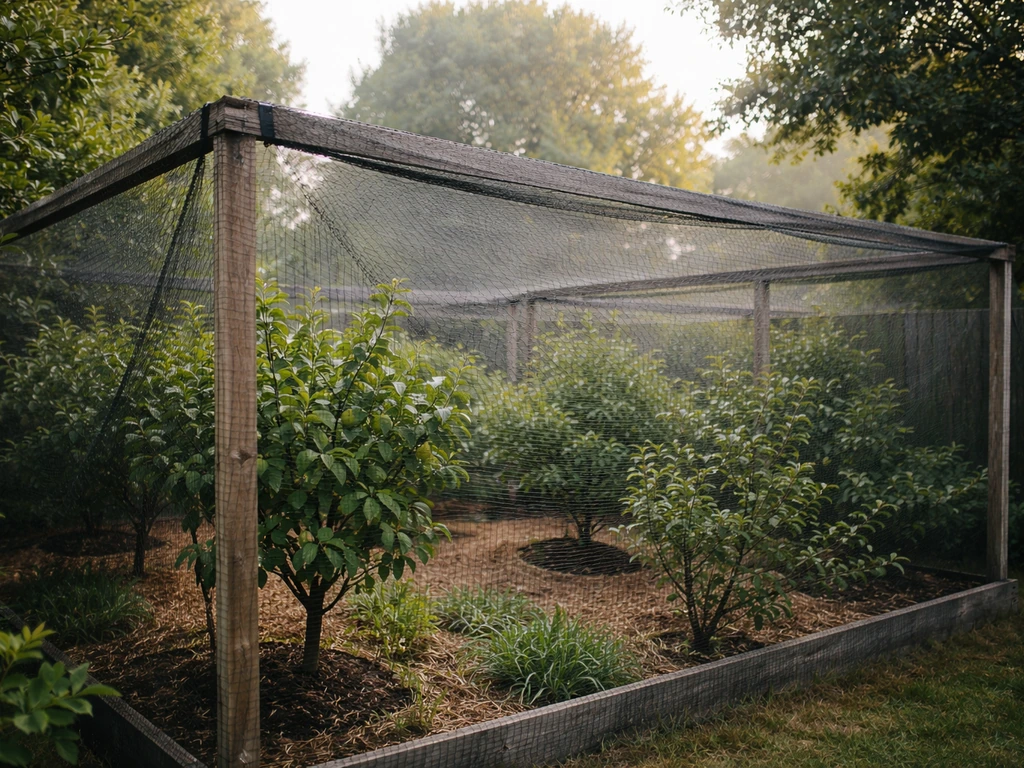
Netting is the go-to solution for larger areas like loading docks, under overhangs, open warehouse spaces, or fruit trees and gardens. The mesh size has to match the target species. A 3/4-inch mesh is appropriate for small birds like sparrows, while larger openings work for pigeons. The installation has to be taut, continuous, and sealed at every edge. Nixalite's netting guidance is direct: no gaps, no wrinkles, no excessive sag, because each of those defects becomes a bypass route. Use wire rope clamps and net zippers to keep edges tight.
One safety point worth taking seriously: the U.S. Fish & Wildlife Service warns that improperly installed or wrong-type netting can trap and entangle birds, which can be illegal under migratory bird protections and is obviously not the outcome you want. Choose netting rated for bird exclusion (not generic construction netting), install it before nesting season begins where possible, and check it regularly for sagging sections or holes.
Sealing gaps and entry points
For cavity nesters like starlings, sealing is as important as any deterrent. Walk the perimeter of your building or structure and look for openings larger than 1.5 inches in soffits, roof vents, gaps under eaves, and HVAC penetrations. Use hardware cloth (welded wire mesh), foam backer rod and caulk, or purpose-built bird screen to close these permanently. Do this work outside of nesting season if at all possible to avoid trapping birds inside.
Wire systems for larger areas
For flat rooftops or open water areas where gulls are the problem, tensioned wire systems are sometimes used instead of solid netting. Wire spacing is species-specific: Minnesota DNR guidance specifies that a wire spacing of 20 feet is preferred for managing ring-billed gulls. This is a detail that matters, and it's one reason gull management on commercial rooftops often ends up being a professional job.
Deterrents: visual, auditory, ultrasonic, and reflective
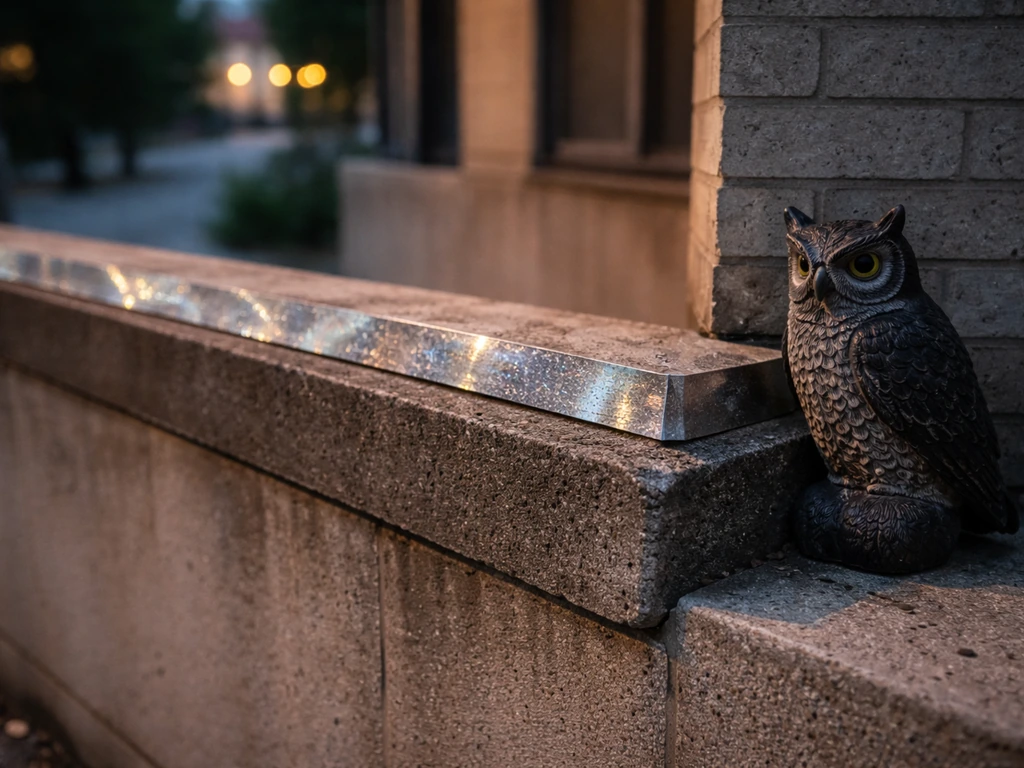
Deterrents work by making birds uncomfortable or scared enough to choose somewhere else. They're less permanent than physical exclusion, but they're often cheaper and easier to deploy, and they work well as part of a layered system. The main categories are visual, auditory (sonic), ultrasonic, and reflective.
Visual deterrents
Predator decoys (owls, hawks), hawk kites, flash tape, and mylar balloons fall into this category. They can work well initially, but habituation is the main weakness. Transport Canada's Sharing the Skies guide notes that visual deterrents including reflecting tape, predator models, and hawk kites are susceptible to habituation. Birds figure out quickly that a plastic owl sitting in one spot never actually moves or attacks them. To extend effectiveness, move decoys every few days, use motion-activated versions, and combine visual deterrents with another method.
Auditory (sonic) deterrents
Sonic systems broadcast distress calls and predator calls through speakers. ICAO's wildlife hazard management guidance supports combining audio methods with visual deterrents, noting that audio loudspeakers can be effective in bird hazard management. For residential use, propane cannons are powerful but often prohibited by local noise ordinances. Speaker-based distress call systems are more neighbor-friendly and can be programmed to operate during daylight hours. As with visual deterrents, rotate call sequences and vary timing to slow habituation.
Ultrasonic devices
Ultrasonic units emit frequencies above human hearing range. Some products marketed by manufacturers like Bird-X combine ultrasonic output with sonic calls and visual elements in a single device. The honest assessment is that ultrasonic-only devices have mixed results outdoors, where sound dissipates quickly, but they can be more useful in enclosed spaces like parking garages or covered loading areas. If you go this route, pick a unit that also includes sonic or visual elements for broader coverage.
Reflective and motion-based deterrents
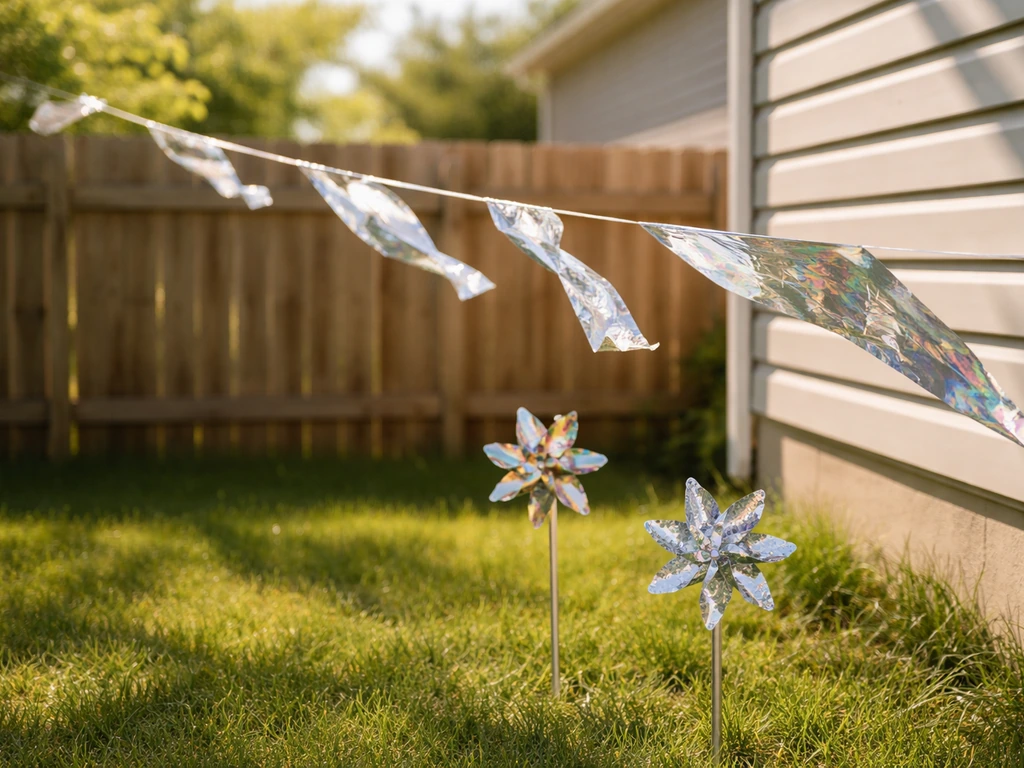
Reflective tape, holographic bird diverters, and spinning pinwheels use light and motion to startle birds. These work best in sunny, windy locations where the tape can flutter and catch light constantly. In calm or shaded areas they do very little. Use them as a supplement to other methods, not as a standalone solution.
Habitat modification: take away the reason birds are there
This is the part most people skip, and it's why their deterrents eventually fail. If birds keep coming back despite spikes and decoys, something on your property is worth coming back for: food, water, or a good nesting site. Remove those attractants and every other method works better.
- Remove food sources: secure trash cans with locking lids, clean up fallen fruit from trees, stop leaving pet food outdoors, and eliminate accessible compost.
- Remove water sources: drain standing water from flat roofs, tarps, planters, and pool covers; fix leaking outdoor faucets; consider fountains with moving water instead of still basins.
- Block nesting materials: trim back dense shrubs and ivy close to structures; cap chimneys and roof vents; install mesh under eaves before nesting season.
- Modify landscaping: species like Canada geese prefer open lawns near water because they can see predators coming. Letting lawn grass grow taller along pond edges or using landscaping buffers (shrubs, native plantings) disrupts that sightline and makes the area less attractive.
- Clean up roosting debris: regularly remove droppings and nesting material from ledges and gutters. Old nesting material actively attracts returning birds.
Habitat modification is the only approach that addresses the root cause. Everything else just inconveniences birds at specific spots. Pair it with exclusion and you get results that last.
DIY vs. hiring a professional: how to decide
A lot of bird control problems are genuinely DIY-friendly. If you're dealing with a small ledge or patio, installing spike strips is straightforward. Running reflective tape along a fence or setting up a sonic unit takes an hour. But there are situations where professional deployment is worth the cost.
| Scenario | DIY appropriate? | Notes |
|---|---|---|
| Spike installation on a single ledge or windowsill | Yes | Follow spacing specs precisely; leave no gaps between strips |
| Netting a small patio or pergola | Yes with care | Use rated bird netting, seal all edges, check for sag after install |
| Netting a large commercial area or warehouse | Professional recommended | Requires tensioning systems, anchor points, and regular inspection |
| Gull management on a commercial flat roof | Professional recommended | Wire spacing is species-specific and requires structural attachment |
| Solar panel bird-proofing | Yes for simple mesh kits | Pro install preferred for large arrays or steep roofs |
| Sealing cavity nesting sites in a building envelope | Yes outside nesting season | Requires inspection to confirm cavities are empty before sealing |
| Ongoing deterrent rotation and maintenance programs | DIY manageable for small properties | Commercial properties benefit from scheduled pro visits |
Whatever approach you take, schedule maintenance into your plan. The GSA notes that debris accumulation around spike and net systems is a common issue that can undermine effectiveness over time. Blocked gutters and debris-filled netting can eventually become nesting material themselves. A quick quarterly check of all installed hardware keeps everything working.
For rotating deterrents, set a reminder to move or change your visual and sonic elements every two to four weeks during active bird pressure seasons. Consistent rotation is the single biggest factor in preventing habituation.
Chemical repellents: what they are, how they work, and what to watch out for
Chemical repellents are a legitimate category of bird control, but they come with more caveats than spikes or netting. The two main types are taste-aversion chemicals and contact repellents (tactile gels and coatings).
Taste-aversion repellents
Methyl anthranilate (MA) is the most commonly registered active ingredient for bird taste-aversion repellents. It's derived from Concord grapes and is registered with the EPA for use in various bird control contexts, including turf, water surfaces, and some crop applications. The FAA's wildlife hazard management guidance also references methyl anthranilate as a bird management tool at airports. It works by irritating birds' mucous membranes, which discourages feeding and roosting. It's generally considered low-toxicity to humans and other mammals at labeled rates, but always read the product label and follow application rates exactly.
Contact and tactile repellents
Sticky gels (like polybutene-based products) are applied to ledges and surfaces to make landing uncomfortable. They work, but they have drawbacks: they collect debris, can trap small birds or insects (which creates legal and ethical problems), and require reapplication. If you use them, apply a thin layer only, avoid areas where small songbirds might land, and do not use them around nesting areas. Some formulations are not compatible with painted or synthetic surfaces, so test in an inconspicuous spot first.
Legality and surface compatibility
Always confirm that any chemical repellent product is registered for the use site listed on your label. Applying a pesticide or repellent in a manner inconsistent with its label is illegal under federal law in the U.S. Some states have additional registration requirements. For water-surface applications (to deter geese from ponds, for example), only products specifically labeled for aquatic use should be applied. For rooftop or solar panel applications, check the product's surface compatibility to avoid damaging coatings or voiding warranties.
Tailored setups for common problem areas
Here's how to approach the most common bird control scenarios with the right combination of tools.
Patios and balconies
Pigeons and sparrows are the usual culprits. For railings and ledges, install spike strips end-to-end with no gaps, using two rows if the ledge is wider than about 5 to 6 inches. For the overhead area under a pergola or patio cover, netting is the most complete solution. Use 1-inch mesh for pigeons or 3/4-inch for sparrows, stretch it taut between anchor points, and seal all edges. Add reflective tape or a hawk decoy that you move every few days as a secondary deterrent. If you want windmill-style deterrents, you can follow bird repellent windmill instructions to position them correctly for your yard’s layout. If feeding birds attracts the problem in the first place, stop feeding.
Windows and ledges
Window ledges are classic pigeon roosting spots. Spike strips are the most practical fix. For windows themselves, bird-strike collisions (birds flying into glass) are a different problem that calls for UV-reflective window film, external screens, or closely spaced vertical cords or patterns on the glass surface. For bird strike prevention methods, focus on reducing collisions with UV-reflective films, screens, and properly spaced visual patterns. Spacing of about 2 inches vertically and 4 inches horizontally on window patterns is the commonly referenced guideline for preventing strike-through.
Roofs and gutters
Gutters fill with nesting material from sparrows and starlings. Install gutter guards that use a tight mesh screen across the gutter opening. For the roof ridge and peaks, spike strips or coiled wire deterrents work well. If you have a flat commercial roof with a gull problem, tensioned wire systems installed by a professional are more appropriate than spikes. Clean gutters and remove debris at least twice per year, because accumulated debris is nesting material.
Solar panels
The gap between solar panels and the roof surface is one of the most attractive nesting sites for pigeons and sparrows. It's sheltered, warm, and often undisturbed. The standard solution is a dedicated solar panel bird exclusion kit: a UV-stabilized mesh or coil wire system that attaches to the panel frame and wraps around the perimeter, blocking access under the panels. Some kits use clips and mesh, others use a coiled wire similar to post-mounted deterrents. Check that any product used is compatible with your panel warranty before installing. For large arrays or steep roofs, a professional installer is safer and worth the added cost.
Pools
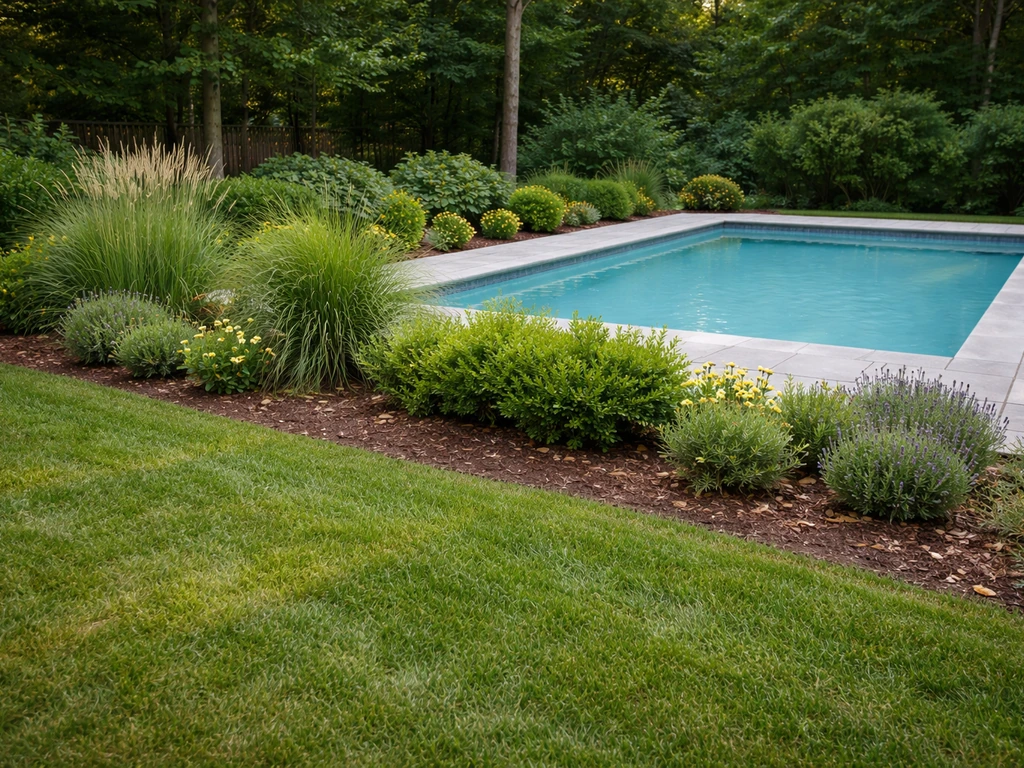
Geese are the main pool and pool-deck problem. Remove the attractants first: keep surrounding lawn mowed short but install a landscaping buffer of taller plants along the pool edge so geese can't easily walk in from the lawn. Decoy predators (coyote silhouettes or predator-eye balloons) work temporarily. A trained border collie harassment program, used at commercial properties, is one of the most effective long-term goose deterrents available, though that's squarely in professional territory. For pool water itself, methyl anthranilate products labeled for water-surface use can discourage geese from treating the pool as a bathing area.
Gardens and yard areas
Garden beds and fruit trees attract a wide range of species. Netting over berry bushes, fruit trees, and vegetable beds is the most reliable protection. Use garden-specific bird netting (not construction netting) with a mesh size appropriate for your target bird, and secure the bottom edge to the ground so birds can't walk underneath. Reflective tape strung through rows works as a short-term supplemental deterrent but will need rotation. For ground-feeding birds in open lawn areas, removing seed sources (fallen fruit, birdfeeders near garden beds) is often more effective than any deterrent device.
Putting it all together
The most effective bird control programs use at least two categories of methods at the same time. Exclusion handles the specific spots birds want most. Habitat modification removes the reason they keep trying. Deterrents add pressure during the transition period while birds find somewhere else to go. Chemical repellents fill specific gaps where physical installation isn't practical.
If you're dealing with a particularly persistent problem involving trapping, coordinated hazing programs at airports or large commercial facilities, or protected migratory species, those scenarios move into specialized territory. Nuisance bird control at scale, bird strike prevention near aviation infrastructure, and trapping programs each have their own regulatory frameworks and methods that go beyond general deterrence. If you're trying to narrow down nuisance bird control methods for your property, focus first on species, entry points, and the kind of attractants that are keeping the birds coming back. Because the right bird trapping methods depend heavily on the species and local regulations, it helps to use a qualified wildlife professional when trapping is on the table.
Start with the observation step. Know your species, know your location, and know what's attracting them. Then match your methods to that specific situation, install everything correctly with no gaps or shortcuts, and build in a maintenance schedule. That combination solves the vast majority of bird problems without needing anything exotic.
FAQ
What should I check if birds keep coming back even after I install exclusion?
If birds are still present after spikes or netting, it usually means there is an installation gap, a nearby alternate landing surface, or an attractant nearby (food or nesting cover). Recheck every edge and corner, look for access points within the same flight path (nearby ledges, plant pots, or roof vents), then remove attractants before changing deterrents.
How can I tell whether my spikes or netting are installed well enough?
For exclusion, the most common mistake is leaving even small bypass routes, like a break between spike strips, a small gap where netting meets a wall, or sagging netting that creates a tunnel. Do a “toe test” by running your hand along every seam and edge, and fix any loose, bent, or debris-clogged sections right away.
Can I use deterrents while birds are actively nesting?
Never rely on deterrents alone when birds are nesting or roosting successfully. If you have active nests, focus on excluding access without disturbing active interiors, and plan timing around nesting season. When in doubt about whether birds are actively nesting, pause and confirm before attempting any sealing or removal work.
Do chemical repellents work everywhere, like rooftops, solar panels, and pools?
Yes for many common nuisance species, but you must ensure the product is specifically registered for the site on your label (for example, water-surface versus turf versus rooftop). Using the wrong labeled use site, or exceeding the labeled rate, can create legal and safety problems even if the ingredient itself is “low toxicity” at label directions.
What surfaces are most likely to be damaged by sticky gels or contact repellents?
Take extra care around painted, textured, or coated surfaces. Some tactile gels and coatings may damage finishes, stain materials, or be incompatible with synthetic coatings, and they can void warranties in certain applications (especially on solar hardware). Do a small inconspicuous test patch and confirm surface compatibility before treating the whole area.
Do I need to treat the entire building, or only the birds’ favorite spot?
Start by identifying the first landing and roost site, because that determines where you need exclusion. If birds keep landing near but not on the treated area, you may need to expand the barrier to include the adjacent “setup” ledges, not just the obvious roost spot.
Where do reflective tape and spinning pinwheels work best, and where do they usually fail?
Reflective tape and pinwheels help most when there is reliable wind and direct sun, and they typically do less in shaded or sheltered areas. Use them where they can flutter consistently, and treat them as a supplement that you rotate, not the primary solution.
Why do ultrasonic bird repellent devices often disappoint outdoors?
Even if a product claims “ultrasonic,” outdoors it may still underperform because sound dissipates quickly and wind can reduce effectiveness. If you use ultrasonic devices, choose models that also include sonic or visual components, and place them where birds must pass within effective range.
What are the most important netting details people overlook (mesh, sealing, or edges)?
For netting to be effective, it needs to stay taut and sealed at all edges, and you must secure the bottom edge in places where birds could walk underneath. Also confirm mesh size matches the target bird, because using overly large mesh can allow birds to enter without touching the net.
Is it ever worth hiring a professional for gull or rooftop wire systems?
Yes, gull management on large open or commercial roofs is often best handled professionally, especially when using tensioned wire systems. Professional installation matters because spacing and anchor tension must be consistent, and rooftop access safety and equipment handling are non-trivial.
How do I know if my issue is roosting versus bird strikes on windows?
For window strike issues, exclusion is not usually the fix because the problem is collisions, not roosting access. Use UV-reflective films or external screening to change how birds perceive glass, and ensure the pattern spacing matches bird size and flight behavior.
What attractants should I remove first for the fastest improvement?
Remove or prevent sources of food and water that are easy for birds to reach, like uncovered pet food, accessible bird feeders, standing water, and unsecured garbage. Habitat modification is the long-term lever, because once attractants are gone, even temporary deterrents tend to work for longer.
What if removing food sources is not possible on my property?
If you can’t remove a food source, you still need to manage access and landing. For example, combine exclusion over ledges with habitat changes like relocating feeders away from structures, and keep gutters and eaves free of nesting material so birds do not find protected sites.
How do I find and fix small openings that birds use for nesting?
If birds are repeatedly using gaps, penetrations, or cavities, you may need permanent sealing with hardware cloth or purpose-built bird screen, ideally during periods when nesting activity is least likely. Sealing around vents and eaves often requires detailed inspection so you close every opening larger than your target-species access size.
How often should I inspect and maintain bird control installations?
Schedule inspections on a cycle you can actually maintain, typically a quick check every few weeks during peak pressure and a more thorough check at least quarterly for debris, sagging, and loose edges. In practice, debris and blocked drainage areas are the “silent” failure mode that makes exclusion look like it stopped working.
Can I combine spikes, netting, and deterrents in the same area?
In many cases, yes, but it depends on whether the birds are causing a nuisance by roosting, nesting, or striking. Plan as a layered system: start with exclusion or habitat modification at the problem entry points, then use deterrents for the transition period while birds search for alternatives.
When does bird control cross from DIY deterrence into trapping or regulated hazing?
If trapping is being considered, it moves into specialized and regulated territory, especially for native migratory species. Before any trapping or nest disruption, confirm the species, check legal protections, and involve a qualified wildlife professional because methods, permits, and timelines differ by species and location.
Next Articles
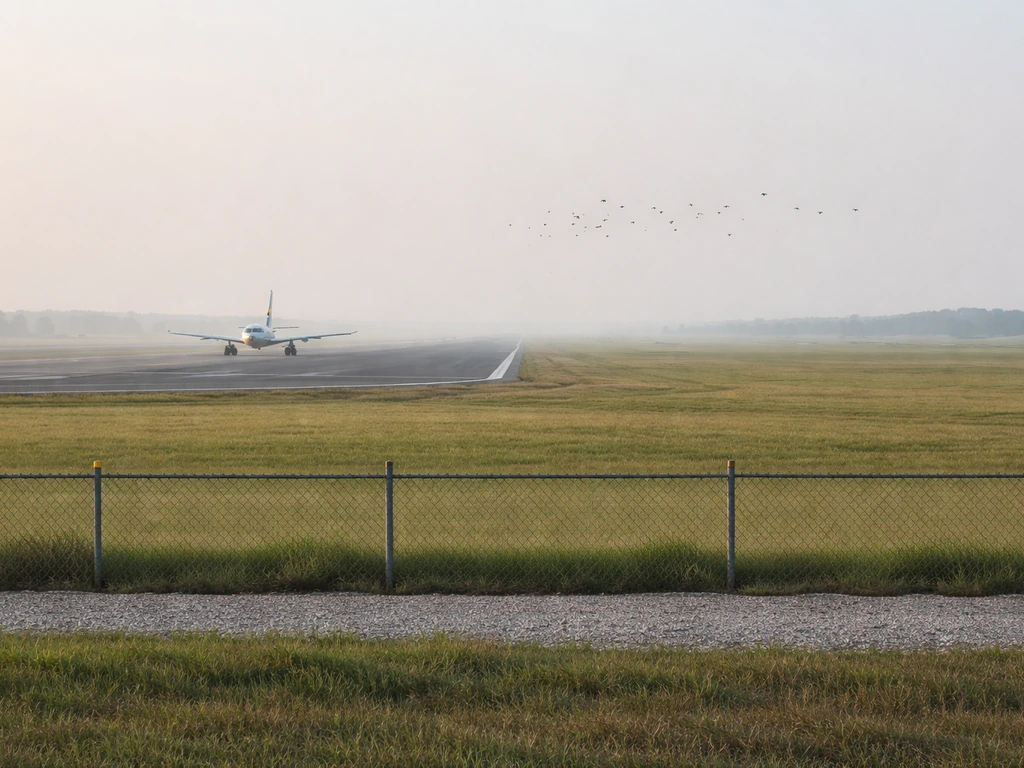
How to Prevent Bird Strikes: Practical Steps and Prevention Plan
Learn how to prevent bird strikes with layered steps, deterrent setup, maintenance, and when to hire pros.
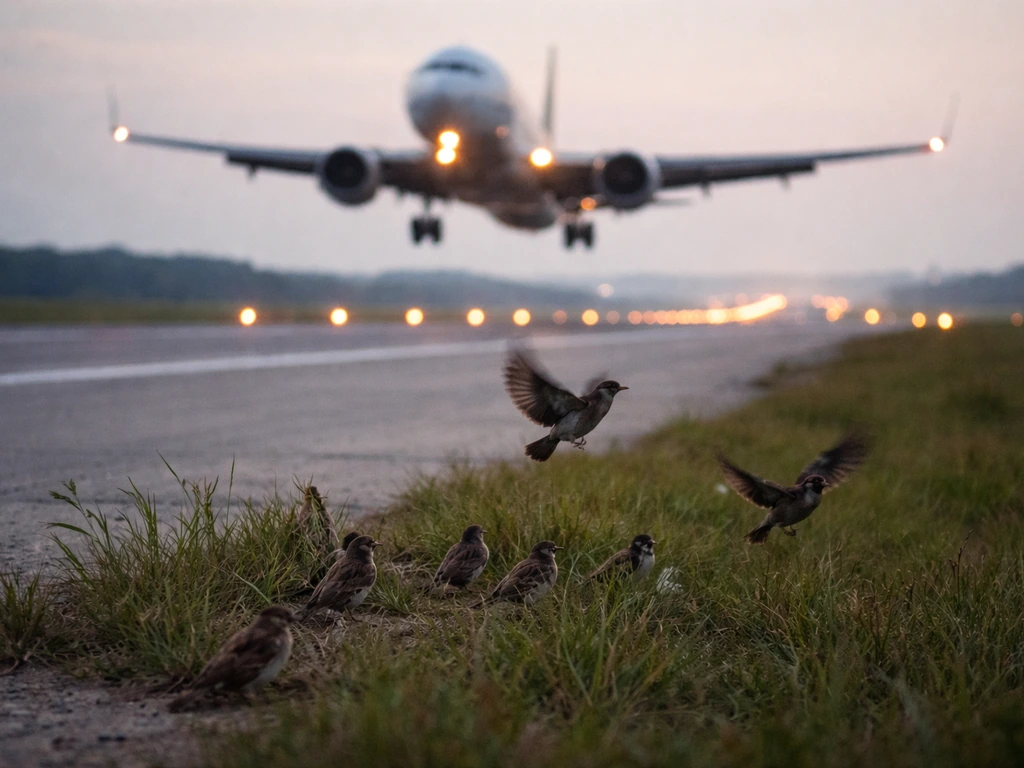
How Do Airports Prevent Bird Strikes A Practical Guide
How airports prevent bird strikes using risk assessment, habitat control, exclusion, layered deterrents, and ongoing mon

How to Prevent Bird Strikes on Aircraft: A Step-by-Step Guide
Step-by-step bird strike prevention: assess local risk, apply layered deterrents and habitat controls, and manage safety