
The bird deterrent methods that work best depend on the behavior you're trying to stop and where it's happening. For roosting and landing on ledges, physical barriers like spikes or wire systems are the most reliable long-term fix. For open areas like gardens or pools, combining visual scare devices with sonic deterrents gives you the best shot. Chemical repellents fill the gaps where hardware can't go. Most bird problems respond well to one or two layered methods, but the biggest mistake people make is picking a single product without first understanding why the birds are there in the first place.
Bird Deterrent Methods: What Works Now and How to Use It

Marcus Weatherby
13 May 2026
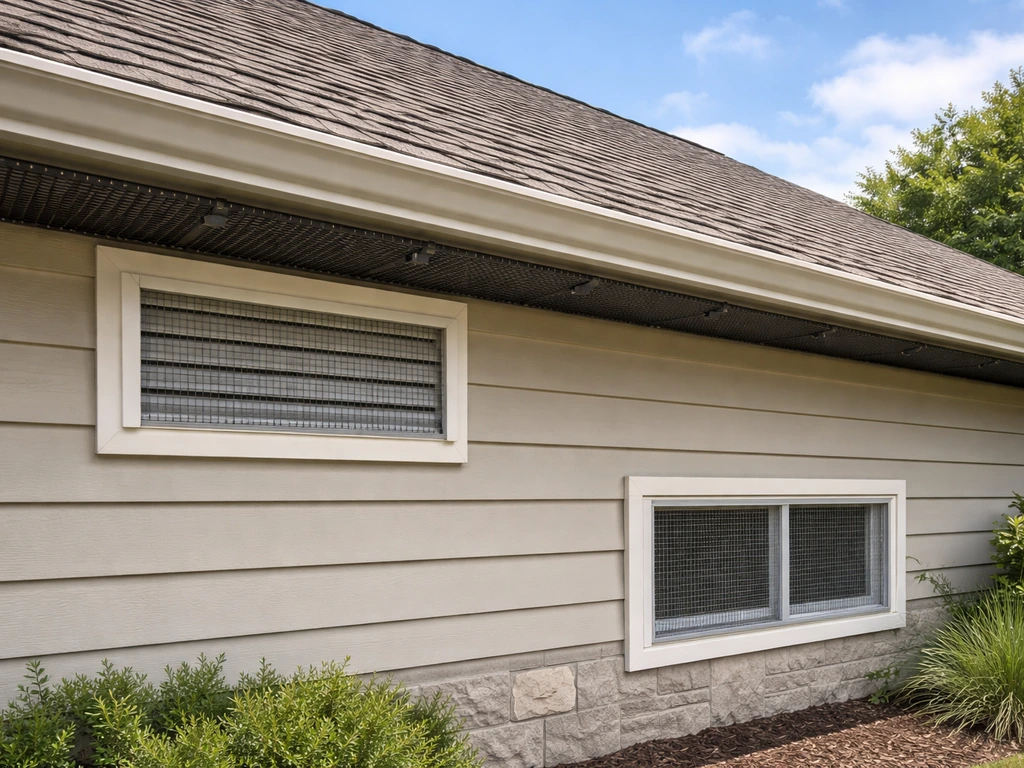
Figure Out Why Birds Are There Before You Buy Anything
Birds aren't randomly picking your property. They're there because something is attracting them: food, water, shelter, or a safe perch with a good view. Before you spend money on deterrents, spend ten minutes watching what the birds are actually doing.
Are they roosting overnight on ledges or rooflines? Nesting in gutters, vents, or roof corners? Congregating near a pool or garden for water and food? Each behavior calls for a different approach. A sonic device might scatter birds from an open lawn, but it won't stop pigeons that have been roosting on your ledge for two seasons.
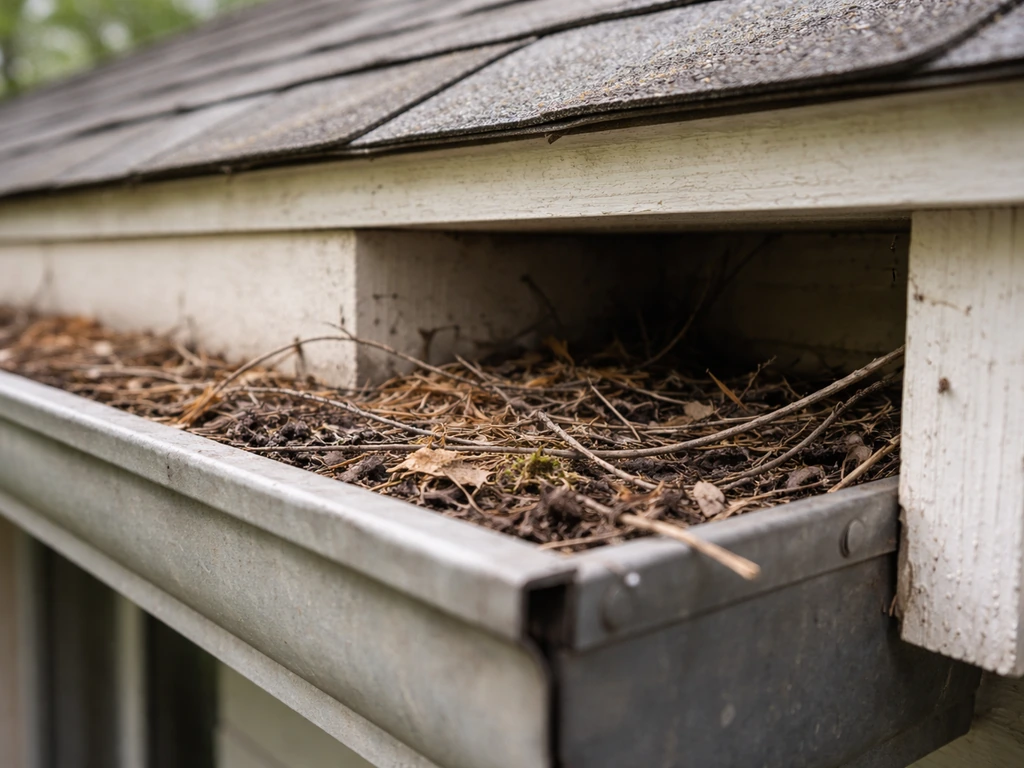
Look for the classic signs of a real problem: concentrated white droppings on ledges, walkways, A/C intake screens, or window sills; nesting material like twigs, grass, and feathers packed into gutters, vents, or roof corners; and increased droppings near patios or entryways when nesting is happening above. The USDA APHIS notes that where starlings and blackbirds roost or nest on buildings, their excessive feces can create health concerns and property damage, and they may also use nest cavities in or near structures, excluding native cavity-nesting birds blank" rel="noopener noreferrer">concentrated white droppings and nesting material on ledges and in building openings. If you're seeing heavy accumulation, especially from starlings or blackbirds, treat it seriously. blank" rel="noopener noreferrer">USDA APHIS research has linked enriched roost soils from droppings to health risks like histoplasmosis, and the birds themselves can displace native cavity-nesting species from your yard. The sooner you act, the easier the fix.
Also identify the species if you can. Pigeons prefer open ledges. Starlings pack into vents and tree cavities. Woodpeckers target specific siding materials. Swallows build mud nests on vertical surfaces under eaves. The species tells you where to focus your deterrent effort.
Physical Deterrents: The Most Reliable Option for Roosting and Nesting
If birds are landing or roosting in a specific spot, physical exclusion is your strongest tool. It works because it removes access entirely rather than trying to scare birds away, which they often get used to.
Bird Spikes
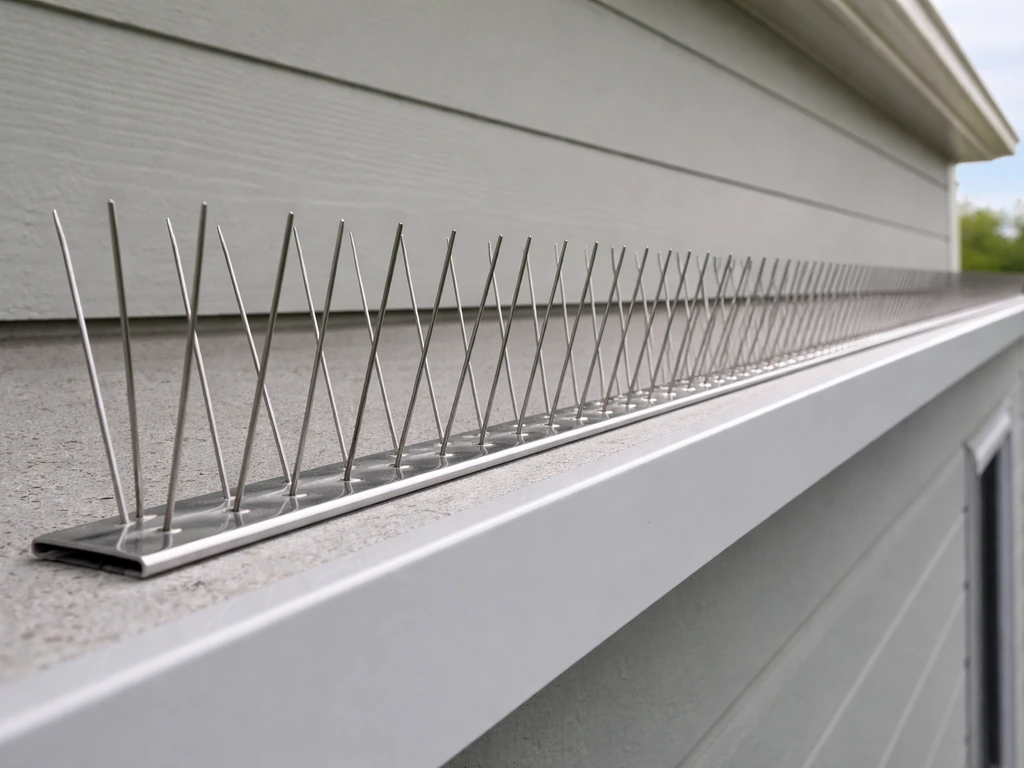
Bird spikes are the go-to for ledges, window sills, rooflines, fences, and signage. They don't harm birds, they just make landing uncomfortable or impossible. For most applications, stainless steel spikes on a UV-resistant polycarbonate base hold up the longest. You'll find them in widths from about 3 inches up to 8 inches, so measure your ledge before you buy. Attach them with construction adhesive, screws, or tie wire depending on the surface. Cover the entire ledge without gaps, because pigeons especially will squeeze into any space you leave open.
Bird Netting
Netting is the right choice when you need to block birds from a larger area like a garden, fruit tree canopy, solar panel gap, or building facade. Heavy-duty polypropylene netting in 3/4-inch or 1-1/8-inch mesh stops most common pest species. Install it taut with no sag, because birds will push through loose sections. For gardens, drape it over a frame rather than directly on plants so the net doesn't tangle in the crop. For building exclusion, you typically anchor it to standoffs and tension it across the face of the structure.
Wire and Track Systems
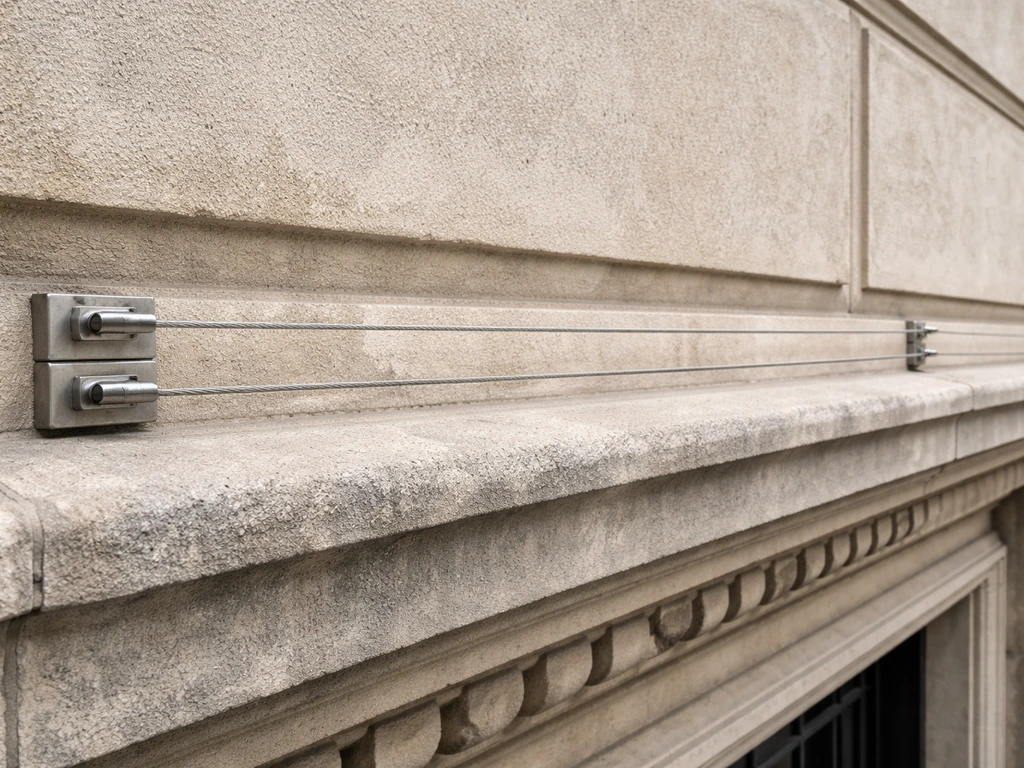
Stainless steel tension wire or parallel wire systems are cleaner-looking alternatives to spikes, often used on historic buildings or commercial facades where aesthetics matter. The wires run parallel about 2 to 3 inches above the landing surface, creating an unstable perch. They're effective for pigeons and gulls but require more precise installation than spikes. Track systems (sometimes called post-and-wire) are the professional version and work particularly well on parapets, beams, and wide ledges.
Vent and Gap Exclusion
Any opening larger than about 3/4 of an inch is a potential nesting site for starlings and sparrows. Cover soffit vents, roof vents, and dryer exhaust vents with hardware cloth or purpose-built vent covers with fine mesh. Check gutters for nesting debris and consider gutter guards to prevent birds from dropping material in. Always check for active nests and confirm they're unoccupied before sealing any opening, because many nesting birds are protected under federal law.
Visual Deterrents: Good for Discouragement, Not for Long-Term Sole Use
Visual scare devices are widely available, cheap, and easy to deploy. They can work well as part of a layered strategy, but if you rely on them alone, most bird species will habituate to them within a week or two. The key is making them look unpredictable.
What Actually Works (At Least Temporarily)
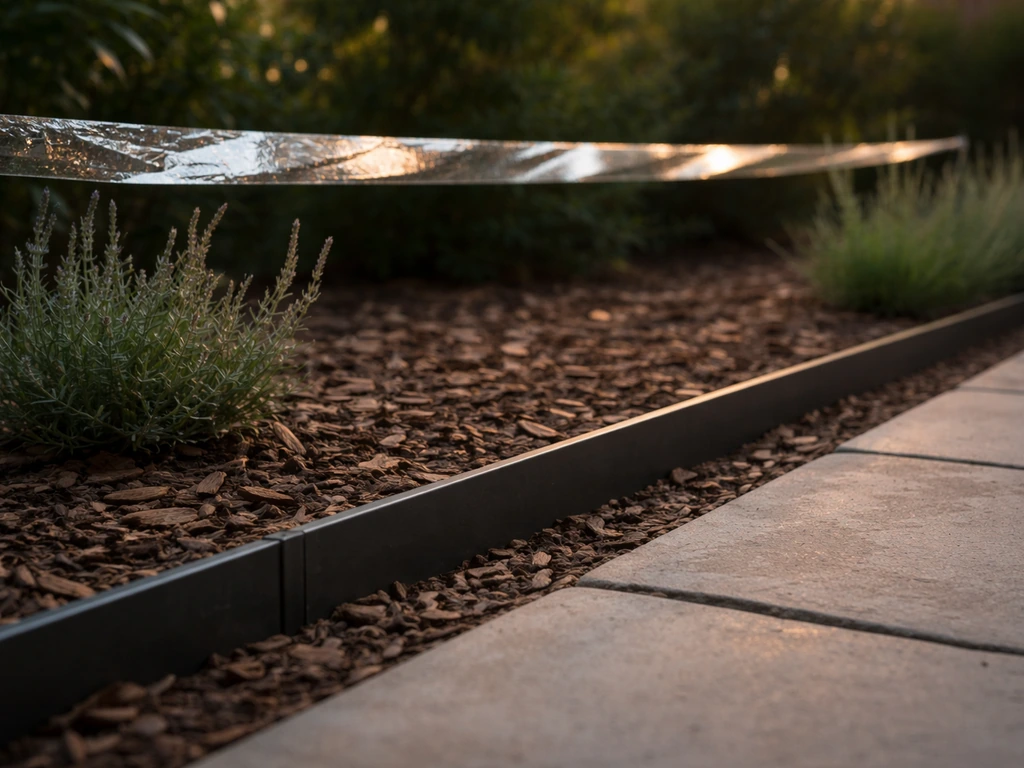
- Reflective tape and flash tape: Hang strips so they move and twist in the wind. The random light reflection bothers birds. Works best in open, sunny areas like gardens or patios.
- Predator decoys: Owl or hawk decoys scare some species initially. Move them every 2 to 3 days or birds will ignore them. Decoys with moving heads or wings last longer before habituation sets in.
- Holographic bird diverters: Disc-shaped reflectors hung from fishing line spin and flash. Good for windows, eaves, and trees.
- Mylar balloons with predator eye patterns: Work in open areas like pools and gardens. Best moved frequently.
- Scare eye balloons: Large, inflated balloons printed with predator eyes. Effective short-term over water surfaces like pools.
Preventing Habituation
The single biggest failure point with visual deterrents is leaving them in place without changing anything. Birds are smart. If the owl decoy sits in the same spot for two weeks and nothing happens, they'll perch on its head. Rotate the type and position of your visual deterrents every few days. Combine them with something that moves on its own, like pinwheels or flash tape in the wind. And pair them with another deterrent category for any area where birds are already established.
Sonic and Ultrasonic Deterrents: Useful in the Right Setting
Sound-based deterrents fall into two categories: sonic (audible distress calls and predator sounds) and ultrasonic (high-frequency sounds above human hearing). They're not a silver bullet, but in the right setting, especially open outdoor spaces, they can be genuinely effective.
Sonic Devices
Sonic bird deterrents broadcast recorded predator calls, alarm calls, or distress calls. The best units cycle through multiple sounds and include species-specific calls, because birds learn to ignore a single repeated sound quickly. Devices like the Bird-X BroadBand Pro or similar units cover areas up to around an acre and are most effective in open outdoor settings: yards, gardens, rooftops, parking lots, orchards, and commercial grounds. Place speakers so the sound projects toward the area you want to protect, not away from it. Multiple speakers work better than one central unit for larger properties.
Ultrasonic Devices
Ultrasonic units emit high-frequency sound waves that birds can hear but humans can't. They're marketed heavily, but the evidence for their effectiveness outdoors is weak. Ultrasonic sound dissipates quickly in open air and birds aren't as sensitive to it as the marketing suggests. Where they can have some effect is in enclosed or semi-enclosed spaces: attics, warehouses, parking garages, and covered structures. If you're dealing with birds in an enclosed building, an ultrasonic unit is worth trying alongside exclusion work. Don't expect much from them mounted on an exterior wall or fence post outdoors.
Placement and Limitations
Sonic devices have real limitations in residential settings because they produce audible noise that neighbors and pets will hear. Many units go down to frequencies that are uncomfortable for dogs. Check your local noise ordinances before running one overnight. They also need to be varied: units that cycle programs and randomize playback outperform simple looping devices significantly. Think of sonic deterrents as a way to discourage birds from settling rather than as a way to remove birds that are already established.
Chemical and Repellent Deterrents: When to Use Them and How to Stay Legal
Chemical bird repellents work differently from physical or sensory deterrents. If you still feel tempted to look at bird trapping methods, start by using exclusion and deterrents first since traps can create legal and welfare complications. Instead of blocking access or startling birds, they make a surface or area unpleasant to land on, taste, or smell. They're most useful where installing hardware isn't practical.
Types and Applications
- Polybutene-based gel repellents (e.g., Bird-X Roost-No-More, Bird Barrier Transparent Bird Gel): Applied to ledges, beams, and sills, these sticky gels make surfaces unpleasant to land on. They work well on narrow perches and hard-to-spike surfaces. Reapply every 6 to 12 months, and more often in dusty or high-debris environments where the gel gets coated and loses effect. Not ideal on surfaces where debris or leaves will stick to the gel and give birds something to stand on.
- Methyl anthranilate sprays: A grape-seed-derived compound that irritates birds' mucous membranes. Commonly used on lawns, turf, and water surfaces like retention ponds. Safe for use around people and pets when applied correctly. Applied by sprayer and needs reapplication after rain.
- Capsaicin-based repellents: Hot-pepper compounds applied to surfaces or in bird feed (where legal) to discourage feeding or roosting. Less common for structural use.
- Bird repellent fog systems: Used in commercial and aviation-adjacent settings, these disperse methyl anthranilate or similar compounds as a fog over large open areas to scatter flocking birds. Mostly a professional application.
Safety and Legal Considerations
Most commercial bird repellent gels and sprays sold in the US are EPA-registered and legal for the uses listed on the label. Always follow label directions for application rates and surface types. Some products aren't appropriate for food-growing areas or near water. The legal issue that catches people off guard isn't the repellent product itself but the birds. Migratory birds are protected under the Migratory Bird Treaty Act, which means you can't remove active nests, eggs, or birds without a federal permit. Repellents applied before nesting begins are fine. Spraying or gelling a surface with an active nest to force abandonment could be a violation. When in doubt, wait for the nesting season to end, then apply deterrents immediately.
Best Method by Location: A Quick-Reference Guide
Different spots on your property have different constraints. Here's what works best where.
| Location | Primary Method | Secondary/Support Method | Notes |
|---|---|---|---|
| Patio or deck | Visual deterrents (flash tape, predator decoys) | Sonic device if open area | Move visuals frequently to prevent habituation; remove food and water sources |
| Windows and sills | Bird spikes or gel repellent | Reflective window film or diverters | Spikes work best on wide sills; gel on narrow trim |
| Pool area | Scare balloons or predator decoys over water | Sonic device, methyl anthranilate spray on grass | Remove standing water from elsewhere on property; birds come for water |
| Garden or orchard | Netting over crops/fruit trees | Flash tape, pinwheels on stakes | Netting is the only reliable long-term fix for foraging birds |
| Roof and gutters | Gutter guards, vent exclusion hardware cloth | Bird spikes on ridgeline/peak | Clear nesting debris first; check for active nests before sealing |
| Solar panels | Exclusion netting clipped to panel frame | Spikes on exposed mounting rails | Pigeons nest in the gap under panels; netting seals the perimeter cleanly |
| Commercial/large open area | Sonic broadcast systems (species-specific) | Fog repellent systems, falconry (professional) | Large flocking species like starlings and blackbirds need multi-acre coverage |
How to Combine Methods Without Wasting Money
Layering two or three deterrent types is almost always more effective than going all-in on one. The basic logic is: physical exclusion handles the specific spots birds love most, sensory or visual deterrents push them away from the surrounding area, and chemical repellents cover surfaces where hardware isn't practical. These nuisance bird control methods work best when you match the deterrent category to the behavior and location you’re dealing with. For example, if pigeons are roosting on your roof, install spikes on the ridgeline and ledges, apply gel to any flat flashings they're standing on, and add a sonic device on the rooftop to discourage new birds from landing to scout the area. If you also need step-by-step bird repellent windmill instructions, apply the wind-driven visual deterrent only after you’ve handled the hotspot and verified the birds are no longer attracted to that area sonic device.
For problems that overlap multiple spaces, like a garden adjacent to a patio where birds feed and then rest, address both areas at once. If you only deter them from the patio, they'll still be in the garden, and they'll be back on the patio as soon as the deterrent loses novelty.
Implementation Checklist and What to Do When Birds Keep Coming Back
Before You Install Anything
- Identify what species is causing the problem and what behavior you're targeting (roosting, nesting, foraging, or passing through).
- Remove attractants first: bird feeders, open trash, standing water, and any spilled seed or food scraps.
- Clear away existing droppings and nesting material using appropriate protective gear (gloves, mask). Droppings accumulation from species like starlings can carry health risks, and old nesting material signals a safe site to returning birds.
- Confirm no active nests are present before installing any barrier or applying any repellent.
- Measure the areas you need to protect (ledge width, area in square feet, perimeter length) before ordering materials.
Installation Checklist
- Install physical barriers (spikes, netting, exclusion hardware) with no gaps. One uncovered foot of ledge undoes the whole installation for pigeons.
- Place visual deterrents at the birds' eye level and in locations with natural movement (wind exposure). Hang flash tape so it rotates freely.
- If using a sonic device, set it to cycle through multiple sounds and program it to run during the hours birds are most active, typically dawn through mid-morning.
- Apply gel repellent to any flat surface that can't take spikes. Prime the surface (clean, dry) before application for best adhesion.
- Mark your calendar to rotate visual deterrents every 3 to 5 days and to reapply gel or spray repellents on schedule.
Troubleshooting: Birds Are Still Showing Up
If birds are returning after you've installed deterrents, work through this in order. First, check for gaps in your physical barriers. Even small openings matter to persistent birds. Second, check whether your visual deterrents have been in the same position too long. Third, ask whether you've removed all attractants. If there's still food, water, or an obvious roosting benefit, birds will push through deterrents they'd otherwise avoid. Fourth, consider whether the problem is a species that's particularly stubborn (starlings and pigeons are both notorious) and whether you've matched the deterrent to the actual behavior.
If you've addressed all of that and birds are still winning, that's the point to consider escalating to professional pest control or a wildlife management specialist. Some infestations, particularly large starling or blackbird roosts, require coordinated deterrent programs at a scale that's hard to achieve as a DIY project. The nuisance bird control methods used at that scale often include coordinated hazing, professional-grade sonic systems, and in some cases, permits for population management through USDA APHIS programs.
For most residential situations, though, a well-installed spike strip on the favorite ledge plus a layered visual and sonic approach in the surrounding area will get the job done. Start with the physical barrier in the hotspot, add one or two supporting deterrents, remove the attractants, and give it two full weeks before you evaluate. That's usually all it takes.
FAQ
How long should I wait before I decide the bird deterrent methods are failing?
Most bird deterrent methods are meant to stop settling, not instantly remove an already-established flock. Plan on a two-step timeline, first making the hotspot unattractive or inaccessible, then waiting about 14 days to judge results. If you see activity continuing but birds are using nearby areas less, that is a sign the strategy is working but still being learned.
What are the most common mistakes with sonic bird deterrent methods?
Sonic units often lose effectiveness when the playback is too repetitive and when sound is directed away from the target area. Use units that cycle through multiple calls and position speakers so the sound projects toward the roosting or landing zone (for larger properties, place multiple speakers rather than relying on one). Avoid running deterrents only at night if the birds are roosting daytime, and consider the wind direction since it changes how far the sound carries outdoors.
Why do birds come back even after I install spikes?
Even “harmless” hardware can fail if the birds have a route to the surface without landing. After installing spikes, inspect the underside and adjacent edges for alternate landing points, such as broken mortar lines, ledges with overhanging trim, or corners where birds can hop from a nearby roof plane. Persistent birds may also use cables, railings, or nearby trees as stepping stones, so address the full approach path, not only the exact ledge surface.
Can I install exclusion around vents and soffits if I see birds there?
You should not seal or block an opening if there is any sign of active nesting. Look for fresh nesting material, ongoing adult bird activity, or newly built structures in gaps like soffit vents, roof vents, gutters, and dryer exhaust areas. If you find an active nest, pause exclusion steps until the nesting period is over, because many protected birds cannot be disturbed without permits.
What should I watch for when installing netting as a bird deterrent method?
If you use netting, the biggest risk is slack installation. Loose netting creates a foothold for birds and can lead to tangles, especially in gardens. Use a frame for crops so the mesh does not contact plants, keep the net taut with minimal sag, and anchor edges securely using proper standoffs and tensioning points on buildings.
How do I make visual scare devices work longer than a week or two?
Visual deterrents work best when they look inconsistent and when they are combined with other categories for established birds. Rotate the position and type every few days so birds cannot predict the pattern, and include movement elements such as pinwheels or flashing tape. Avoid leaving a static decoy in one spot, since birds often habituate quickly when nothing changes.
Why does identifying the bird species change which bird deterrent methods I should use?
Species matters because their preferred access points are different, and mismatched deterrents waste time and money. Pigeons often target ledges and flat surfaces, starlings frequently use vents and cavity-like spaces, and swallows build mud nests on vertical faces under eaves. Identify the species and then match the method category to the landing or nesting behavior you observe.
Are ultrasonic bird deterrent methods worth trying?
In enclosed or semi-enclosed spaces, ultrasonic units may be worth testing because sound does not dissipate as quickly as it does outdoors. However, for exterior walls, fences, and open yards, expect weak results. If you try ultrasonic in a building, pair it with physical exclusion (sealing entry gaps after confirming no active nests) because sound alone usually does not remove the underlying access opportunity.
How should I use chemical repellents safely and legally?
Yes, but use them only on the surfaces and situations allowed by the label, and be careful around food-growing areas, bodies of water, and areas where birds are actively nesting. Apply only when nesting has not started or after nesting ends, since forcing abandonment of active nests can create legal and wildlife-welfare problems. If you are unsure, treat it as a seasonal decision, not a year-round one.
What is the best troubleshooting sequence when birds return after deterrent installation?
If birds keep returning after layering methods, the usual causes are either a missed gap in exclusion, attractants still present, or deterrents positioned too predictably. Go in order: check physical barrier gaps, verify visual devices are rotated or changed in placement, remove food or water sources (including uncovered trash and pet food), and confirm the deterrent matches the actual hotspot behavior.