
Yes, bird repellent sprays are real products you can buy today at hardware stores, garden centers, and online. They use active ingredients like methyl anthranilate, anthraquinone, or capsaicin (hot pepper derivatives) to irritate birds' senses and discourage them from landing or roosting in treated areas. They work best for pigeons, sparrows, starlings, and geese on hard surfaces like ledges, patios, fences, and railings. They are not a silver bullet, but used correctly and combined with other methods, they can meaningfully reduce bird pressure. Choosing a good bird repellent spray and using it as part of a plan is key to getting lasting results.
Is There a Bird Repellent Spray? Effective Options and How to Use

Marcus Weatherby
11 May 2026
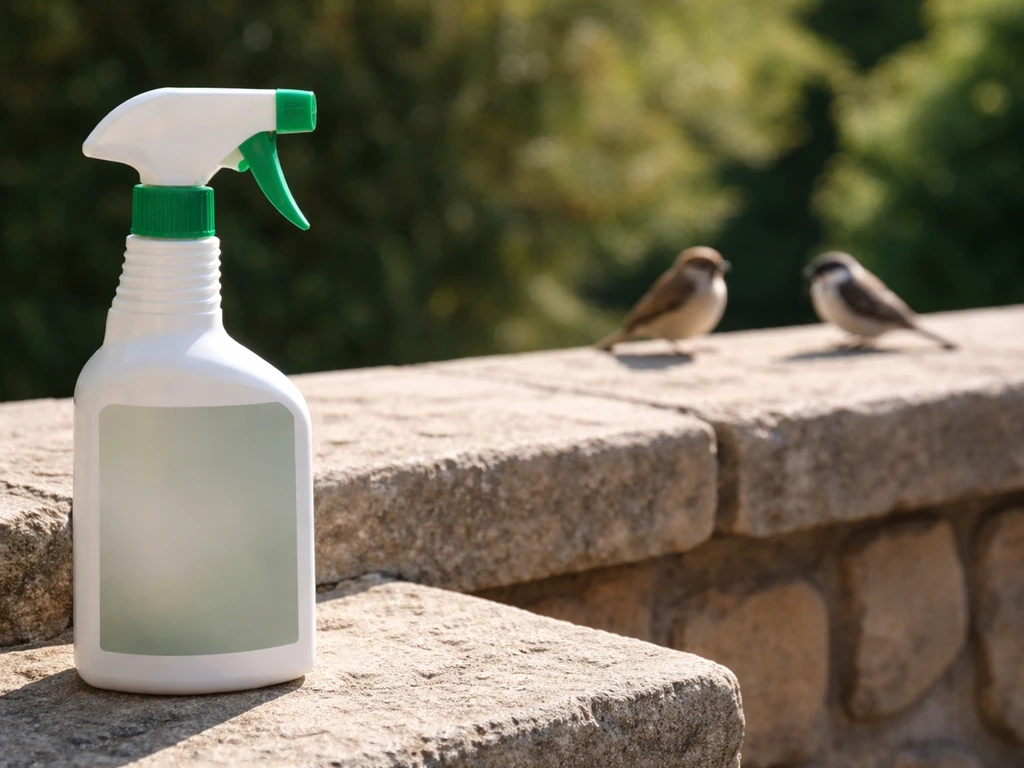
What bird repellent sprays actually are
The term 'bird repellent spray' covers a few different product types that people often confuse. The main categories are contact chemical repellents, taste/smell deterrents, and sticky or gel-based coatings. True repellent sprays work by making a surface or area unpleasant for birds through irritation of their mucous membranes or taste receptors. Products like Bird-B-Gone's Migrate (methyl anthranilate) or Avian Control fall into this category. EPA’s news release archive says EPA registered methyl anthranilate (trade name ReJex-iT MA) as a bird repellent used to repel birds including ring-billed gulls and Canada geese blank" rel="noopener noreferrer">Products like Bird-B-Gone's Migrate (methyl anthranilate). What they are not: ultrasonic devices that emit sound, physical spikes or netting, or purely visual deterrents. Some bird deterrent methods use the best bird repellent sound, but they are not the same thing as repellent sprays ultrasonic devices that emit sound. Those are all legitimate bird control tools, but they are not sprays.
Some products marketed as 'repellent coatings' are actually sticky gels or tactile deterrents rather than chemical repellents. These work differently, making surfaces uncomfortable to land on rather than irritating birds' senses. Both have their place, but knowing which type you are buying matters for choosing the right application method and surface.
What sprays can do, and where they fall short
Repellent sprays are genuinely effective on hard, non-porous surfaces where birds land, roost, or congregate. Ledges, window sills, patio furniture, railings, fences, and roof edges are good candidates. Methyl anthranilate sprays in particular work well for geese on lawns and open turf areas. Anthraquinone-based products are used heavily in agricultural settings to protect seeds and crops from birds like crows and blackbirds.
Where sprays tend to underperform: large open roosting areas, dense vegetation, and situations where birds are deeply habituated to a location. They also lose effectiveness faster outdoors because rain, UV exposure, and wind break down the active ingredients. Reapplication every 2 to 4 weeks is typical, and sometimes more frequently in wet climates.
Bird type matters too. Spray repellents are most effective against pest species like pigeons, starlings, sparrows, and Canada geese. They are largely ineffective against birds that do not land and forage on treated surfaces, like swallows that attach mud nests to walls or woodpeckers that cling vertically to siding.
| Bird Type | Spray Effectiveness | Best Product Type | Notes |
|---|---|---|---|
| Pigeons | Moderate | Methyl anthranilate, capsaicin | Best on ledges and rooflines; combine with spikes for full coverage |
| Canada Geese | Good on turf | Methyl anthranilate liquid | Anthraquinone label restrictions apply to residential turf as of 2022 |
| Starlings / Sparrows | Moderate | Capsaicin, methyl anthranilate | High habituation risk; rotate with other methods |
| Swallows | Poor | Any spray | Nest on vertical surfaces; physical barriers work better |
| Woodpeckers | Poor | Any spray | Spray does not address pecking behavior effectively |
| Crows / Blackbirds | Good for crops | Anthraquinone | Primarily agricultural use; regulatory rules apply |
Picking the right spray: ingredients and surfaces
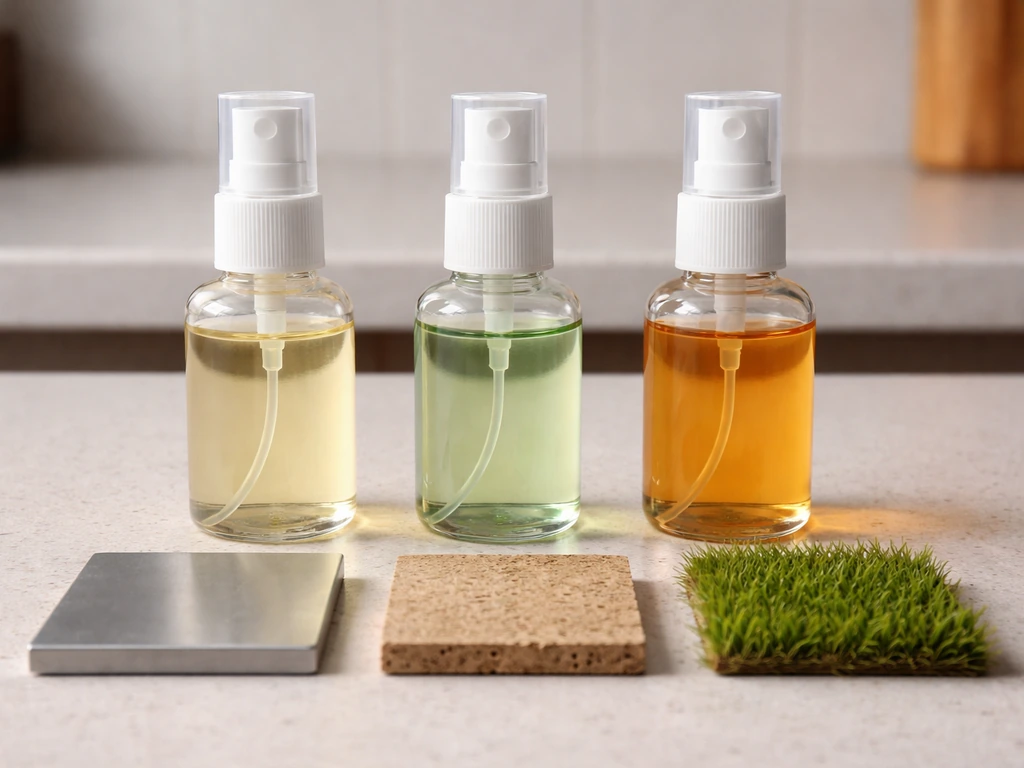
The active ingredient is the most important factor. Here is a quick breakdown of the main options and where each makes sense:
- Methyl anthranilate (MA): A grape-derived compound that irritates birds' trigeminal nerve. Safe for most surfaces, effective for geese on turf and pigeons on hard surfaces. Widely available in ready-to-use and concentrate forms.
- Capsaicin (hot pepper extract): Works as a contact irritant. Good for ledges, railings, and attic vents. Avoid using near food prep areas or anywhere pets might lick treated surfaces.
- Anthraquinone: Primarily used in agriculture for seed and turf protection. Note that EPA finalized label restrictions in May 2022 that prohibit application on residential turf, so check the label before using it in a home setting.
- 1-butanethiol-based products: Less common for consumer use; more specialized commercial applications.
- Sticky/gel repellents: Not chemical repellents in the traditional sense, but applied like a spray or caulk. Create a tacky surface birds avoid landing on. Work well on narrow ledges but can trap small birds if overapplied.
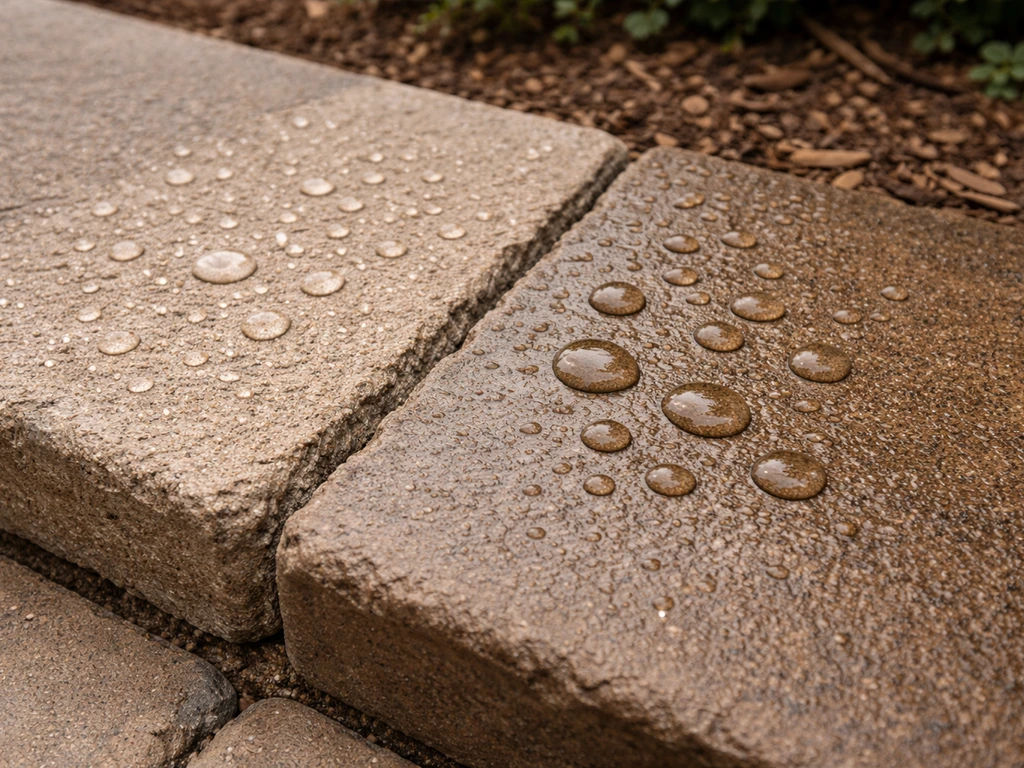
Surface type matters a lot for adhesion and longevity. Porous surfaces like raw wood, brick, and concrete absorb sprays quickly and may need more frequent reapplication. Smooth surfaces like painted metal, vinyl, and glass hold the product longer. Avoid applying chemical repellents to garden beds where edible plants grow, or to any surface that contacts food directly.
How to apply bird repellent spray the right way
Before you spray
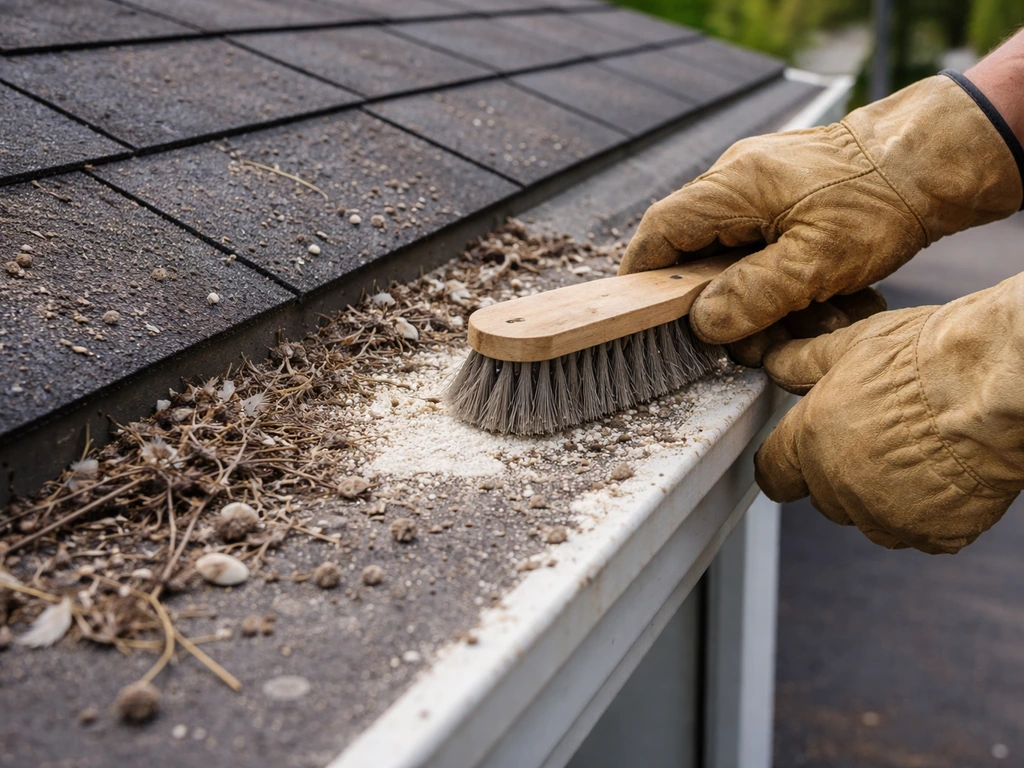
Clean the area thoroughly before any application. Bird droppings, nesting material, and debris will significantly reduce how well the product adheres and works. Use a stiff brush, hose, and a disinfectant cleaner (wear gloves and a mask when cleaning bird waste). Let the surface dry completely before spraying.
Timing your application
Apply early in the season before birds establish strong roosting or nesting habits. Once birds are settled in a spot, they are much harder to move. If you are dealing with an active problem, apply in the morning after birds have left to feed, so the product has time to dry and off-gas before they return. Avoid applying just before rain, which will wash the product away within hours.
Application steps
- Read the product label fully before starting. Pay attention to required PPE, dilution ratios for concentrates, and any surface restrictions.
- Put on gloves, eye protection, and a mask if the label recommends it. Work in a ventilated area.
- Apply an even coat to all surfaces birds are using. Do not spot-treat; incomplete coverage leaves birds an easy foothold to keep returning.
- For liquid sprays, use a hand pump sprayer for small areas or a garden sprayer for large coverage. Keep the nozzle about 6 to 8 inches from the surface for even distribution.
- Allow the product to dry completely before the area is used by people or pets.
- Mark your calendar for reapplication. Most products need reapplication every 2 to 4 weeks outdoors, or after heavy rain.
Safety: people, pets, food areas, and wildlife rules
Repellent sprays registered with the EPA are designed to deter birds without harming them, which matters both ethically and legally. Many common bird species in the US are protected under the Migratory Bird Treaty Act, so any product or method you use must be non-lethal. Many common bird species in the US are protected under the Migratory Bird Treaty Act, which prohibits unauthorized “taking” of migratory birds, including killing, capturing, transporting, and similar actions. Always verify that a product is EPA-registered before buying. If a product label does not list an EPA registration number, skip it.
For pets: capsaicin-based sprays can cause irritation to dogs and cats if they contact treated surfaces and then lick their paws or fur. Keep pets away from treated areas until the product is fully dry, and avoid applying to areas where pets spend a lot of time. Methyl anthranilate products are generally considered lower risk for mammals but still follow label guidance.
For people: wear gloves and eye protection during application. Avoid breathing the spray mist, especially in enclosed spaces. Some products have a strong odor during application that dissipates once dry. Do not use repellent sprays on or near surfaces that contact food, food prep equipment, or potable water sources.
For compliance: local ordinances in some municipalities add restrictions on top of federal rules. If you are a business or property manager, check with your local authority or a licensed pest control professional before using any chemical repellent at scale. In agricultural contexts, the anthraquinone label changes from 2022 are a good reminder that regulatory requirements can change, so always use the most current product label.
When spray is not enough: better alternatives and combinations
Spray repellents work best as part of an integrated approach, not as a standalone fix. Research on bird deterrent strategies consistently supports using multiple tactics together, because birds are adaptable and can habituate to any single deterrent over time. Here is what works well alongside or instead of spray:
- Bird spikes: Highly effective for ledges, rooflines, and signs. Physical barriers do not rely on chemical irritation so there is no habituation issue. Stainless steel spikes on a ledge combined with repellent spray on the surrounding area is a very effective combo.
- Bird netting: The gold standard for exclusion. Works for balconies, fruit trees, solar panels, and large open areas. No bird can access a properly netted space. It requires installation but is extremely durable.
- Visual deterrents: Reflective tape, predator decoys (hawks, owls), and flash tape disrupt birds' sense of safety. These work best when moved or rotated regularly so birds do not habituate. Good for open areas where spray is impractical.
- Sonic deterrents: Recorded predator calls and distress calls played through outdoor speakers can be effective, especially for geese and starlings in open settings. Note that ultrasonic devices (above human hearing range) are not effective for birds based on current evidence.
- Habitat modification: Removing food sources, standing water, and nesting material is often the most underrated step. If birds have a reason to be there, no repellent will fully solve the problem.
If you are dealing with a specific area like a pool deck, patio, or rooftop, a combination approach almost always outperforms spray alone. For example: clean the area, apply methyl anthranilate spray to the perimeter, install spikes on any flat ledges, and add reflective tape to nearby structures. That layered setup addresses multiple bird behaviors at once.
Birds keep coming back, here's why and what to do
If you have applied repellent spray and birds returned within a few days, a few things are likely going on. First, incomplete coverage: birds are good at finding the one untreated spot and using it as a foothold. Go back and look for gaps in your application, especially corners, recesses, and the undersides of ledges.
Second, product degradation: rain, UV light, and temperature swings break down the active ingredients faster than the label may suggest. If you are in a rainy climate or treated an exposed south-facing surface in summer, you may need to reapply every week rather than every month.
Third, habituation: birds, especially pigeons and sparrows, are remarkably good at learning that a deterrent is not actually dangerous if it never results in harm. If you have been using the same spray in the same spot for months without any change, they may simply have stopped reacting. Rotating product types, adding a physical deterrent, or switching to a combination approach breaks this pattern.
Fourth, the attractant is still there. If birds have an active food source, nesting site, or water source nearby, they will tolerate a lot of discomfort to get to it. Address the root cause or you will be reapplying spray indefinitely.
If you have addressed all of the above and still have a serious bird problem, it is worth consulting a licensed pest control or bird management professional. Commercial and industrial sites in particular often need a formal integrated pest management plan that goes beyond what any single spray product can deliver.
FAQ
Is there a bird repellent spray that actually works on pigeons and starlings, or is it all hype?
Yes, sprays with irritation-based active ingredients (for example, methyl anthranilate or anthraquinone) can reduce landings on ledges and railings, especially when you fully cover likely landing points. For best results, plan on reapplication on the label schedule and combine with a barrier like spikes on any flat ledge, since birds will often use one untreated foothold to persist.
How do I tell whether the product I’m buying is a true repellent spray or just a coating/gel?
Check the label and product description for whether it is intended to deter through taste or irritation (true repellent) versus only making surfaces uncomfortable to land on (sticky or tactile coatings). True repellent sprays usually target “deterrent” action on birds, while gel coatings focus on preventing landing by texture, and the application method and longevity differ.
Do bird repellent sprays work outdoors in rain and sun, or do they wash off too fast?
They can lose strength outdoors due to rain, UV exposure, and wind, but many products are designed to withstand normal weather for a limited period. If your area gets frequent storms or you treated a south-facing surface, expect shorter intervals between applications and avoid spraying right before rain.
Where should I apply spray if birds keep returning to the same spot on my balcony or roof edge?
Treat the perimeter and every likely landing point, including corners, undersides of ledges, and any recessed areas where a bird can cling or perch. Birds often “test” one small gap, so after the first application, inspect with a flashlight from different angles to find missed seams and junctions.
Can I use bird repellent spray on wood, brick, or unfinished concrete without it disappearing immediately?
It depends on porosity. Porous materials like raw wood and brick absorb product faster, which generally means more frequent reapplication and sometimes less consistent coverage. For best longevity, follow the label’s guidance for surface prep and consider whether a non-porous application (painted or sealed surfaces) is more effective.
Is it safe to use bird repellent spray around gardens with edible plants?
Avoid applying chemical repellents directly where edible plants grow or to any surface that food might contact. If you need protection near vegetable areas, limit spraying to non-food-contact surfaces (for example, railings or hardscape edges) and keep overspray off garden beds during application.
How long should I keep pets away after spraying, and what if my dog walks across treated surfaces?
Keep pets away until the spray is fully dry, then follow the label’s contact guidance for treated areas. Capsaicin-based sprays can irritate dogs and cats if they lick treated surfaces, so use extra caution on ramps, steps, and frequently walked paths, and prevent access until drying is complete.
Are there any health precautions I should take for people during application?
Wear gloves and eye protection, and avoid breathing mist, especially indoors or in enclosed balconies. If the product has strong odor while wet, keep ventilation going and do not re-enter until the label’s recommended re-entry time or until the spray has dried fully.
Do I have to worry about legal issues, like protected birds or local rules?
Yes. In many places, common bird species are protected, so use only products that are registered for the intended use and follow the label strictly. Also check local ordinances, since some municipalities impose additional restrictions, and businesses often need formal integrated pest management documentation.
What should I do if birds return within a few days even after careful spraying?
First confirm you have complete coverage and addressed undersides and corners. Then check for product degradation from weather (especially heavy sun or rain exposure), and look for habituation (birds stop reacting after repeated exposure). Finally, remove the attractant nearby, such as standing water, accessible food, or ongoing nesting sites, because birds will tolerate deterrents to reach resources.