Bird scarers do work, but not always, not for every species, and not without some effort on your part. The honest answer is that visual and sound-based deterrents can reduce bird activity by 50 to 80 percent in many situations when installed correctly and rotated regularly. The catch is that birds are smart and adaptable, so any single device used in isolation will eventually stop working as birds learn to ignore it. The scarers that consistently deliver results are the ones used as part of a layered approach, combined with the right placement, regular maintenance, and occasionally something more physical like netting or spikes when the situation calls for it.
Do Bird Scarers Work? How They Work and When They Fail

Marcus Weatherby
1 Jun 2026
What a bird scarer actually does (and what it doesn't)
It helps to be clear on the difference between a deterrent and an exclusion method before buying anything. A bird scarer is a deterrent: it makes a space feel unsafe or unpleasant to birds, ideally convincing them to land somewhere else. It does not physically stop a bird from entering. Exclusion, on the other hand, uses physical barriers like netting, spikes, or wire systems to make landing or roosting impossible. Exclusion is the stronger category because it removes the option entirely, rather than relying on a bird's learned fear response.
Most bird scarers work by triggering an instinctive alarm or avoidance reaction: a predator shape, a sudden noise, a flash of light, an unfamiliar smell. That's useful, but it comes with a built-in weakness. Once a bird figures out the threat isn't real, the deterrent loses its power. This is the core challenge with every scarer on the market, and understanding it upfront will save you a lot of wasted money and frustration.
How bird scarers work: the main types explained
Visual deterrents
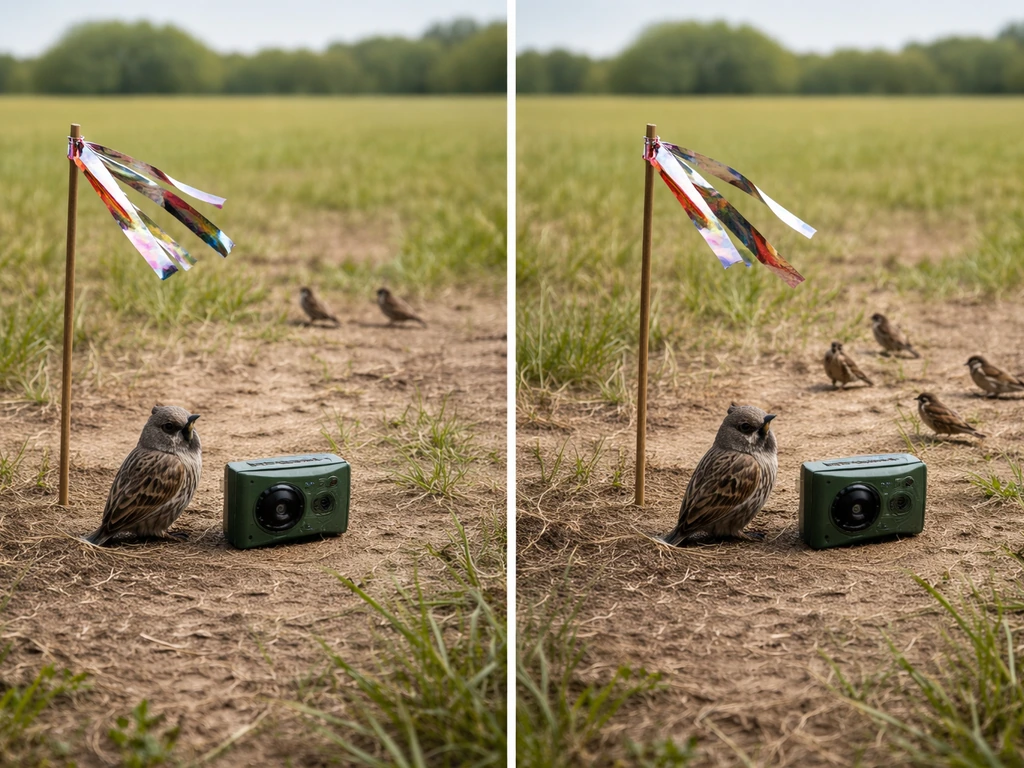
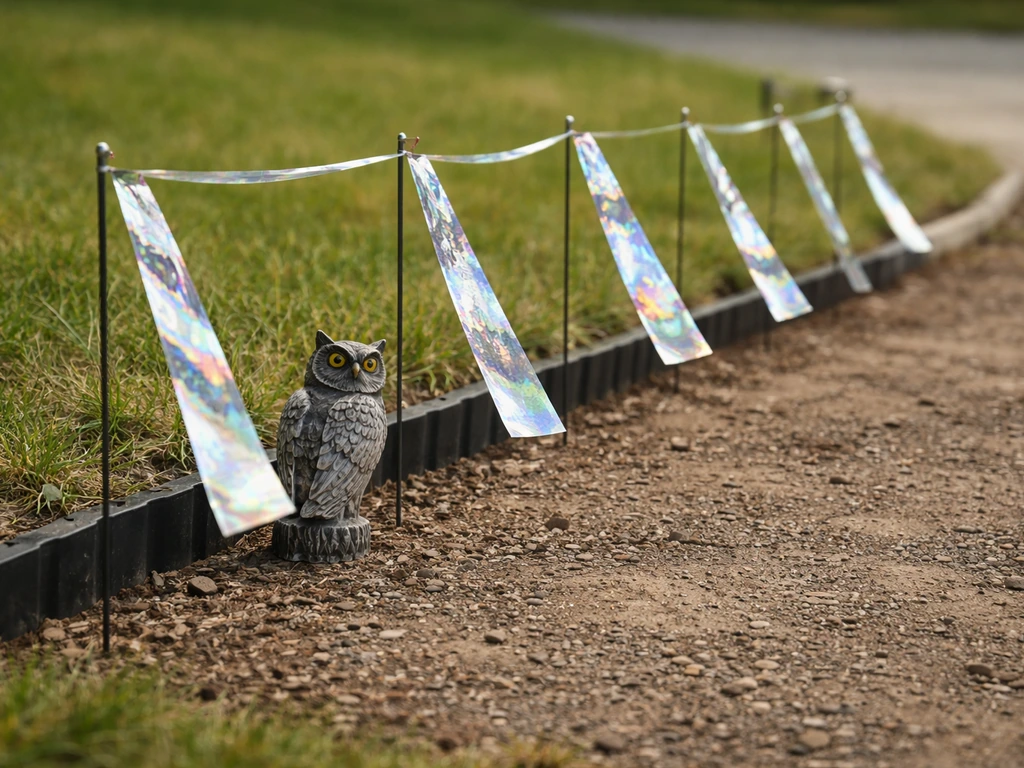
Visual deterrents include reflective tape, flash tape, predator decoys (owls, hawks, herons), eye-spot balloons, and anything that creates movement or reflected light. The theory is that a predator silhouette or sudden flash triggers a bird's instinct to flee. Reflective tape and spinning discs work reasonably well in open spaces like gardens and patios because wind keeps them moving unpredictably. Static decoys, like a plastic owl sitting in one spot on a roof, tend to lose effectiveness within a week or two once local birds realize it never actually moves. Moving or repositioning a decoy every few days significantly extends its usefulness.
Sound and sonic deterrents
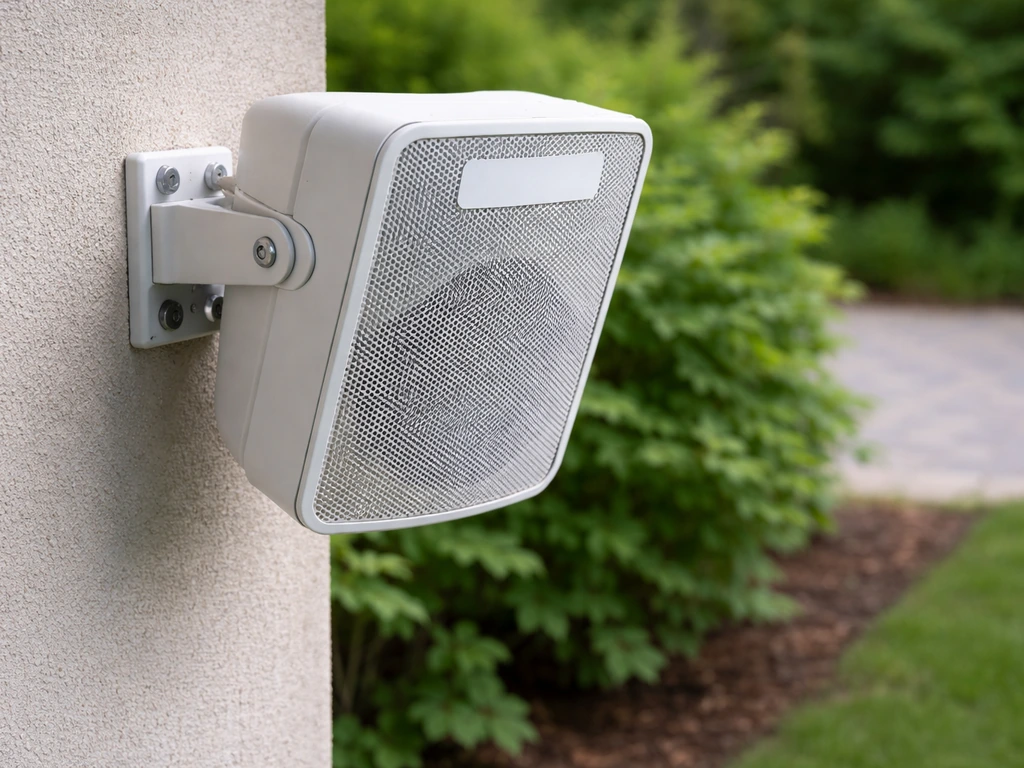
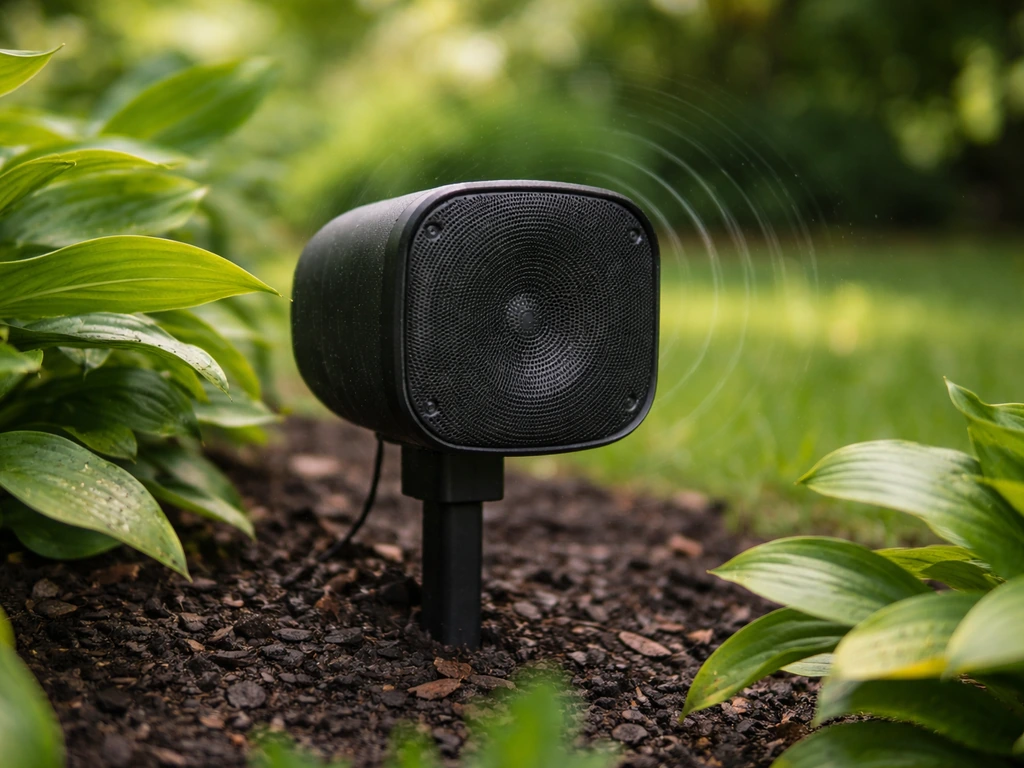
Sonic bird scarers use recorded distress calls, predator calls, or broadband noise to frighten birds away. If you want to attract birds away or change their behavior, can you attract birds with bird calls by using species-matched distress calls in the right setup recorded distress calls. Distress calls broadcast the alarm sounds of the specific species you're trying to deter, and these tend to be the most effective sonic option because they speak directly to that bird's instincts.
Propane cannons and pyrotechnics fall in this category too and are used mainly in agricultural and aviation settings because of their volume. For residential use, electronic distress-call speakers are more practical and far less likely to annoy your neighbors or breach local noise rules.
Ultrasonic deterrents
Ultrasonic devices emit sound above the range of human hearing, and they're marketed heavily as a discreet, neighbor-friendly solution. The problem is that birds don't hear particularly well in the ultrasonic range. The USDA APHIS Wildlife Damage Management Technical Series notes explicitly that ultrasonic frequencies fall outside typical bird hearing, which means these devices have limited real-world deterrent value for birds specifically. Ultrasonic units may still have some use against rodents, but if birds are your problem, save your money and focus on sonic or visual options instead.
Motion-activated deterrents
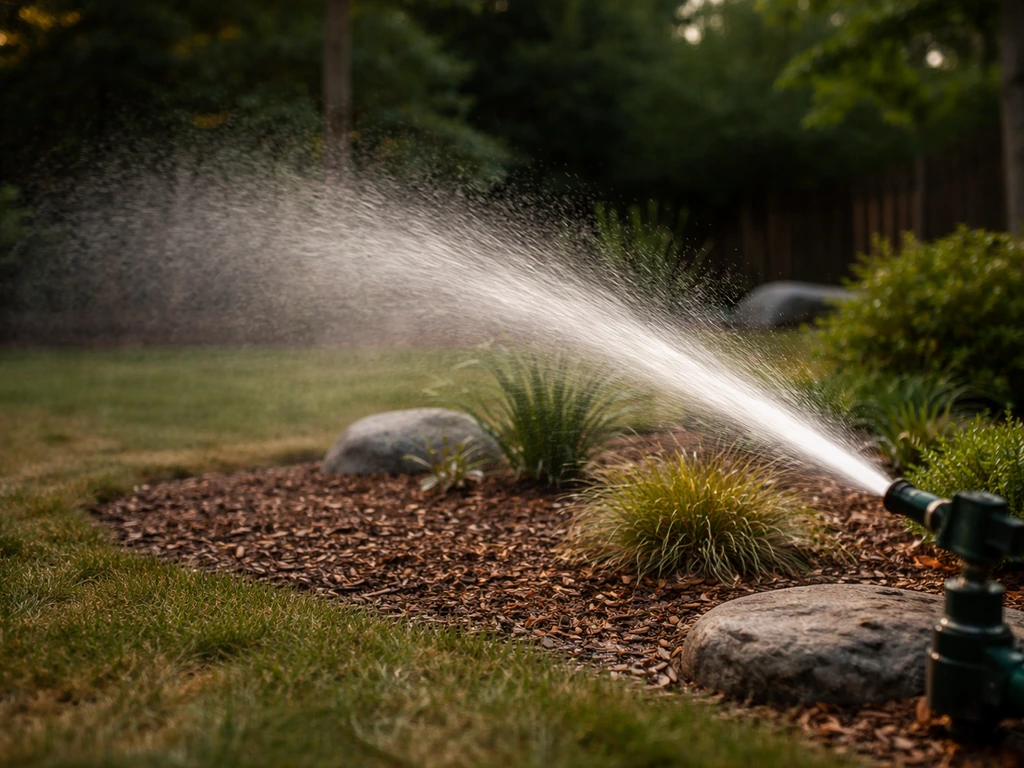
Motion-activated devices, including water jet sprinklers and motion-triggered sound units, are among the more reliable options because the unpredictable timing makes habituation harder. A sprinkler that fires randomly when a bird steps into a sensor zone is a much harder threat to dismiss than a static owl. Motion-triggered audio units work on the same principle: the bird gets a fright at unexpected intervals rather than hearing the same loop on a predictable schedule.
Light-based deterrents
Reflective surfaces, strobe lights, and laser systems all use light to disorient or alarm birds. Lasers deserve a specific mention here: low-power, long-wavelength red beam lasers can be effective for dispersing flocks, particularly under low-light conditions from sunset to sunrise, which is when roosting birds are most susceptible to light disturbance. The U.S. Fish and Wildlife Service references this approach specifically for herons and egrets. For daytime use in gardens and on patios, reflective flash tape and spinning holographic discs are a cheaper and more practical option.
Smell and chemical repellents
Chemical repellents come in two forms: taste aversions applied to surfaces (like methyl anthranilate-based gels or sprays) and smell-based deterrents. Methyl anthranilate, derived from grape extract, is EPA-registered and commonly used on turf, ponds, and crops to deter geese and other birds. It irritates the mucous membranes of birds that ingest or contact it, discouraging them from feeding in treated areas. These work best in combination with other methods and need reapplication after rain. Smell alone rarely provides a complete solution but can contribute usefully to a layered approach.
Do bird scarers actually work? Real results by species and setting
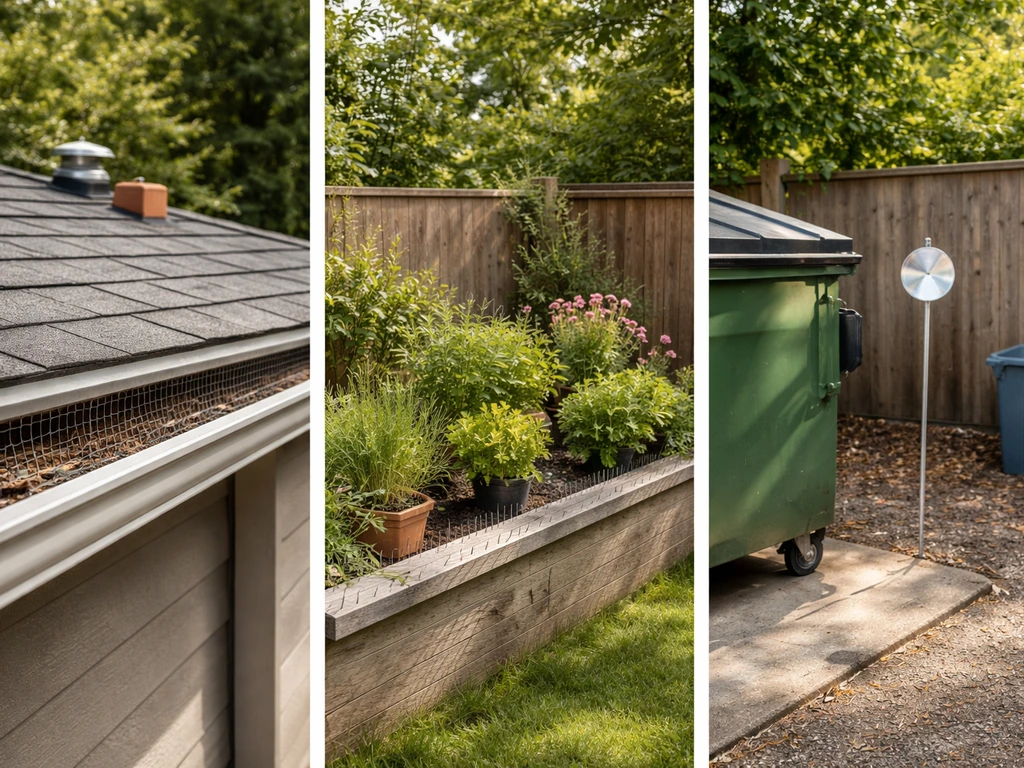
The honest verdict depends heavily on what bird you're dealing with and how established the problem is. A pigeon that has been roosting on your roof for six months is a much harder target than a crow that has started investigating your vegetable garden. Here's a practical breakdown of what actually tends to work:
| Species / Situation | What tends to work | What usually fails |
|---|---|---|
| Pigeons (roosting, urban) | Spikes, netting, bird wire, combined with visual/audio rotating tactics | Single static deterrents; ultrasonic devices |
| Crows and ravens (garden, bins) | Distress call audio, motion sprinklers, reflective tape with movement | Plastic owl decoys left in one position |
| Seagulls (rooftops, commercial) | Spikes, netting, distress call audio systems | Visual-only deterrents; ultrasonic |
| Herons and egrets (ponds, fish) | Exclusion netting over water, red-beam lasers at dusk/dawn, decoy herons | Sound-only deterrents if heron is hungry enough |
| Starlings (large roost flocks) | Broadband distress call audio, lasers at low-light, exclusion from entry points | Individual decoys; static visual devices |
| Woodpeckers (homes, structures) | Visual reflective deterrents near damage site, physical exclusion | Sonic deterrents away from the specific damage spot |
| Geese (lawns, ponds) | Methyl anthranilate chemical repellent, motion sprinklers, exclusion barriers | Single audio loops; decoys |
One pattern you'll notice: exclusion methods appear across almost every category as the most reliable option. That's not a coincidence. A physical barrier removes choice, while a deterrent only influences it. Deterrents are best treated as your first line of response, or as a complement to physical exclusion, rather than a standalone fix for serious infestations.
Installation details that make or break results
Most bird scarer failures come down to installation and placement, not the device itself. Here's what consistently makes the difference:
- Place deterrents before birds establish a routine. A bird that has been landing in your garden for two weeks is already partially habituated to the space. Act early.
- Cover the whole target area. A reflective tape strip on one side of a patio leaves the rest of the patio unprotected. Birds simply land on the untreated side.
- Elevate and expose sonic devices. Sound travels poorly through obstructions. Mount speakers where they have a clear line of coverage to the zone you're protecting.
- Angle visual deterrents toward the approach direction. Birds typically fly in from the same direction repeatedly. Position deterrents to intercept that approach, not just the landing zone.
- Install before peak nesting season. Spring is when birds are scouting locations. Deterrents installed in late winter or early spring intercept birds before they commit to a spot.
- Check for dead zones. Walk your perimeter and check where coverage gaps exist. Birds will find these.
- For ponds and water features, position deterrents at the water's edge, not just around the garden. Herons, for instance, land at the bank and wade in.
Stopping birds from getting used to your deterrents
Habituation is the biggest enemy of bird control. Birds, especially corvids (crows, ravens, jackdaws) and pigeons, are genuinely intelligent and will test a deterrent repeatedly until they're confident it poses no real threat. Once that happens, it's functionally useless. The solution is to treat your deterrent setup as something you actively manage rather than install and forget.
- Rotate positions every 3 to 5 days. Move decoys, shift reflective tape locations, reposition any visual deterrents so the environment keeps changing.
- Alternate sound tracks or call types if using an audio system. Don't run the same 30-second loop on repeat for days at a time. Vary the species calls and timing.
- Use irregular intervals. A deterrent that activates unpredictably (motion-triggered) is harder to habituate to than one that runs on a fixed schedule.
- Combine multiple deterrent types at the same time. A bird facing both reflective tape and distress audio has more threat signals to process, making dismissal harder.
- Take note of when bird activity returns and act within 48 hours. If you see birds testing a zone again, that's your signal to change something before they fully settle back in.
- Seasonally reassess your setup. Bird behavior changes between breeding, foraging, and roosting seasons, and your deterrent strategy should shift accordingly.
If you're using CD or disc-based scarers, reflective tape, or other simple visual devices, they often need changing or supplementing more frequently than electronic options because birds habituate to purely static threats fastest. The same principle applies to bird calls played on a loop: variety and unpredictability are what keep the response instinctive rather than learned.
Safety, legality, and animal welfare
Before deploying any bird control method, particularly sonic or chemical options, it's worth knowing where the legal and ethical lines are. In the U. S. , most wild bird species are protected under the Migratory Bird Treaty Act (MBTA).
In particular, the U. S. Fish & Wildlife Service explains that most bird nests are protected under the Migratory Bird Treaty Act, and nest removal or destruction is typically only allowed when the nest is inactive or when a permit applies for specific situations [Migratory Bird Treaty Act (MBTA)](https://www. fws.
gov/story/bird-nests). This means that disturbing active nests, destroying eggs or chicks, or harming birds directly is generally illegal without a federal permit. The U. S.
Fish and Wildlife Service notes that nest removal is typically only permitted once a nest is completely inactive (no eggs, no chicks, and no longer in active breeding use), and even then certain species require explicit authorization.
For deterrents specifically, the legal picture is generally clearer: humane methods that discourage birds without injuring or killing them are acceptable in most residential and commercial contexts. However, there are some practical safety points worth keeping in mind:
- Propane cannons and high-volume sonic devices are typically restricted or outright banned in residential areas due to noise ordinances. Check local regulations before purchasing.
- Laser deterrents must only use models rated as eye-safe. Never point any laser at aircraft or toward areas where it could enter someone's line of sight.
- Chemical repellents like methyl anthranilate are generally considered low-risk to humans and non-target animals, but always read the product label and avoid application near sources of drinking water.
- Sticky gel repellents (polybutene-based) can trap and injure small birds if applied too thickly. Follow application guidelines carefully and avoid use near bird nesting zones.
- Ultrasonic devices are generally low-risk for humans and birds, though they can affect pets like dogs and cats at close range. This is worth checking if you have animals in the space.
From a welfare standpoint, the goal of deterrence is to move birds away, not to harm them. Methods that startle, disorient, or make a location unattractive are all within the spirit of humane bird management. Anything that traps, injures, or kills requires separate legal consideration and usually a permit.
When it's time to move beyond bird scarers
Deterrents have real limits. If birds have an established nesting site, a guaranteed food source, or have been using a location for a long time, no scarer alone will fully solve the problem. Cornell CALS guidance on pest exclusion makes the point clearly: physical barriers like bird netting are appropriate for bird exclusion precisely because birds cannot chew or claw through them, making exclusion far more reliable than any behavioral deterrent for serious infestations.
The U.S. Fish and Wildlife Service specifically identifies exclusion netting over roost and nest trees as the most effective deterrent approach for herons and egrets, and this logic extends to most persistent roosting and nesting problems across species. If you're dealing with solar panels, roof edges, warehouse rafters, or garden ponds, physical exclusion is almost always the more reliable long-term solution.
Use this checklist to decide whether it's time to upgrade your approach:
- Have you tried rotating at least two different deterrent types for more than 4 weeks without lasting improvement? If yes, the birds are habituated or the motivation to stay is too strong.
- Is there an active nest or eggs present? If yes, you cannot remove it legally (in most cases under the MBTA) and deterrents alone won't override a nesting drive. Wait for the nest to become inactive, then install physical exclusion.
- Is the location a guaranteed food source (e.g., a fish pond, a roosting tree near a food outlet, an open waste area)? If yes, remove or protect the food source first. No deterrent will fully work against food-motivated birds.
- Is the problem area a structure like a roof, solar panel array, or warehouse with defined entry points? If yes, physical exclusion (netting, spikes, wire) is almost certainly more cost-effective over 2 to 3 years than ongoing deterrent maintenance.
- Are you dealing with large flocks or a regular roosting aggregation? If yes, professional wildlife management services should be consulted, especially if the situation involves an aviation or health and safety context.
For most day-to-day situations: patios, gardens, individual windows, smaller ponds, or garden roofs, a well-maintained combination of visual and sonic deterrents will reduce problems significantly. For persistent, established, or structurally complex problems, pair your deterrents with netting, spikes, or other physical exclusion from the start and you'll see far better results far faster.
FAQ
Do bird scarers work immediately, or do birds need time to learn to avoid them?
Many work on day one for newly arriving birds, but established roosters, roof users, or regular garden visitors often take longer. Plan on a transition period where activity may spike briefly as birds test the device, then drop over days to a couple of weeks once cues repeat inconsistently and the birds realize it is not worth investigating.
How often should I move or rotate visual bird scarers so they do not get habituated?
If the device is purely visual and can be predicted (static silhouettes or tape that stays in the same pattern), reposition it every few days and change the pattern, height, or angle. A simple rule is to treat any setup that birds can see from the same approach route as “learnable,” so you must keep the visual angles and motion unpredictable.
Are bird calls effective if I use generic sounds instead of distress calls for the exact species?
Generic calls often reduce effectiveness because birds respond to cues that match their instincts. For best results, use species-specific distress or alarm sounds, and avoid long uninterrupted loops, since a predictable schedule is easier to habituate to. Shorter bursts with varied timing generally outperform continuous playback.
What placement mistake causes most bird scarer failures?
Putting devices in the most visible spot instead of in the birds’ landing and roost path. Scarers work best where birds first decide to land (edge lines, perching ledges, feeder-adjacent zones, or predictable approach lines). If the device cannot be seen or heard during the decision moment, birds will ignore it even if it is working.
Can I combine multiple scarers in one area without making birds acclimate faster?
Yes, layering helps, but avoid combining only in a way that becomes routine. Mix categories (visual plus motion or audio), and vary timing and patterns rather than running everything on the same schedule every day. Consistency across all devices can unintentionally create a learnable routine.
Do bird scarers work for flocks like starlings and for large rooftop roosts?
They can reduce activity, but flock behavior and roost loyalty make complete clearing unlikely with deterrents alone. For large or long-term roosts, plan on exclusion or at least combine deterrents with physical barriers along roost edges, since birds can still find “safe” micro-spots once they habituate to the open-area cues.
Are ultrasonic devices truly useless for birds?
They are often not reliably effective for birds because the emitted frequencies fall outside typical bird hearing, so birds may never perceive a meaningful threat. Some units may accidentally help with other animals, but if your target problem is birds specifically, it is usually wasted effort compared with motion-triggered sound, distress-call setups, or light-based deterrence.
Do chemical repellents like methyl anthranilate work alone?
They rarely work as a standalone solution, especially for roosting behavior or repeated landing spots. Chemical taste aversion tends to be more useful for feeding in treated areas, and you should expect reapplication after rain and use it alongside physical barriers or deterrents so birds do not simply shift to untreated surfaces.
Will a bird scarer stop nesting, or is it only for discouraging temporary visitors?
Deterrents can discourage some nesting attempts, but once a nest is established and birds are actively breeding, deterrence alone is not guaranteed. Also, disturbing active nests or destroying eggs or chicks can create legal problems, so focus on humane approaches and upgrade to exclusion only after you confirm the nest is inactive or you have the right authorization.
What’s the practical difference between deterrents and exclusion for deciding what to buy next?
Deterrents try to convince birds not to land, so they rely on behavioral change and can fail over time. Exclusion physically removes the option to perch or roost, so it is the better choice when birds have an established routine, repeatedly return to the same ledges, or are causing structural or sanitation issues.
How do I know whether I should switch from deterrents to netting or spikes?
Switch sooner when birds are persistent (returning for weeks or months), using the same high-value spot daily, or causing ongoing damage like droppings on specific ledges. If you find yourself replacing tape or reconfiguring devices repeatedly without sustained improvement, exclusion usually provides the faster, more durable payoff.
Are water sprinklers a good option if my area has many plants or hard-to-cover zones?
They can be effective because the timing is unpredictable, but you must ensure the sensor range covers actual landing or approach paths. Also consider practical side effects, like wetting plants that you wanted kept dry, ice risk in cold climates, and drainage concerns, since those can limit where sprinkler-based deterrents are practical.
Next Article
Do Bird Calls Work? When They Help and How to Set Up
Learn when bird calls deter nuisances, why they fail, and how to set up schedules, placement, and troubleshooting tips.