
Yes, you can attract birds with bird-call recordings, but only if you use the right type of call for the right species at the right time. Play the wrong call and you will either scare birds off, trigger aggressive territorial behavior, or simply get ignored. The difference comes down to understanding what each call type actually communicates to a bird.
Can You Attract Birds With Bird Calls? A Practical Guide
Marcus Weatherby
26 Jun 2026
When bird calls attract vs. repel (and why results vary)
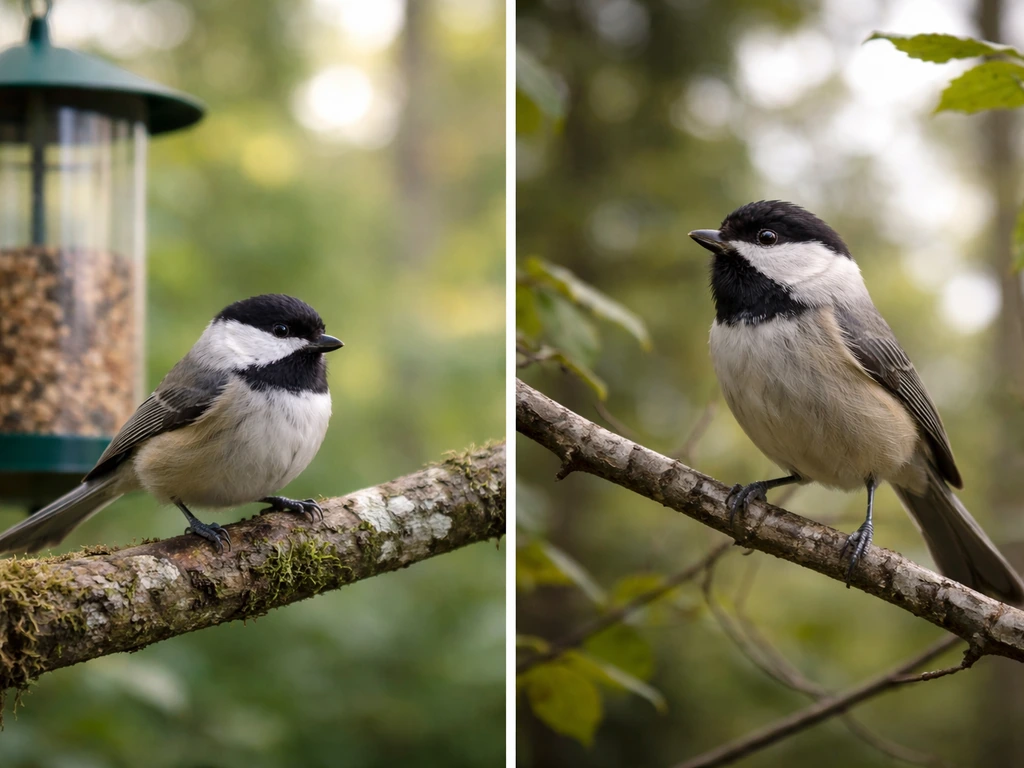
Bird vocalizations are not interchangeable. A contact call that says "food here, come join me" does something completely different from a territorial song that says "this patch is mine, back off." Play a territorial song near a breeding male of the same species and you will likely pull him in, but not because he wants to visit. He wants to fight. That might look like attraction on the surface, but it creates stress for the bird and usually ends with him fleeing once he realizes there is no actual intruder.
Alarm and mobbing calls are even trickier. Research shows that mobbing calls can recruit nearby birds to investigate a predator, so they do draw birds in. Mobbing or “alarm to recruit” calls can be eavesdropped on by heterospecifics, such as red-winged blackbirds responding to yellow warbler “seet” alarm calls associated with brown-headed cowbird threats or parasites [heterospecifics responding to alarm or mobbing calls](https://www. nature.
com/articles/s42003-020-0875-7). But the birds that arrive are agitated and on high alert, not relaxed visitors settling in to forage. Great tits can respond to [mobbing calls](https://link. springer.
com/article/10. 1007/s00265-023-03354-2) with agitated behavior during playback, including measurable changes like reduced distance to the loudspeaker and more mobbing vocalizations. Distress calls, which signal an active attack, often produce the opposite effect entirely and cause birds to scatter rather than approach. The same broad category of "alarm call" can produce totally different behavioral responses depending on the specific threat type it encodes.
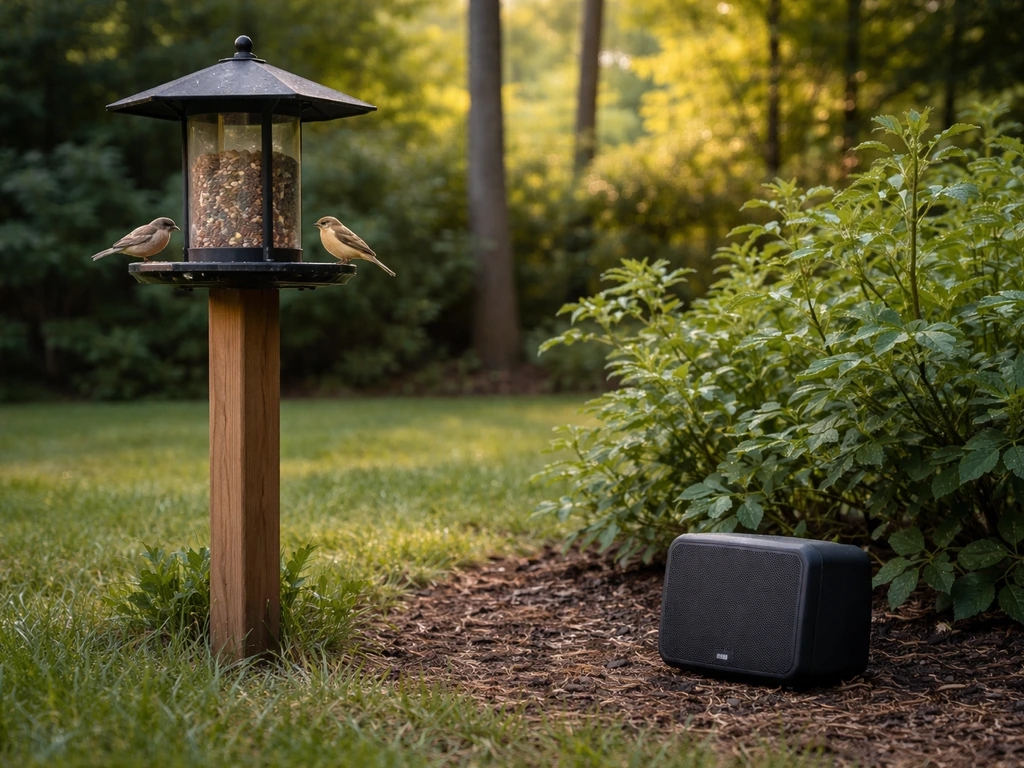
For genuine attraction, the calls most likely to work are contact and flock calls (soft chips and chatter that signal safety and food), dawn chorus songs played during the breeding season to signal good habitat, and species-specific foraging sounds. These tell nearby birds that other individuals are comfortable and feeding, which is a strong pull. Weather, season, time of day, and your local bird population all affect whether any playback works on a given day, which is why results vary so much between attempts.
Choosing the right bird calls for your target species
Start by identifying which birds already visit or pass through your area. Trying to attract a species that has no reason to be in your region is a waste of time. Check a local bird checklist or a free app like Merlin to confirm your target species is present seasonally.
Once you know your target, choose the call type based on what you want the bird to do. For casual garden visits, use contact calls or soft foraging chips, not song. For attracting a species during migration, flock calls work well because migrating birds are actively listening for others of their kind. During breeding season, song playback will pull territorial males in, but use it sparingly and be aware of the stress it causes.
| Call Type | What It Signals | Likely Bird Response | Best Use Case |
|---|---|---|---|
| Contact / flock call | "Others are here, it's safe" | Curious approach, potential settling | General attraction for foraging species |
| Foraging call | "Food is here" | Approach to investigate | Attracting birds to a feeding area |
| Territorial song | "This is my territory" | Aggressive investigation, then avoidance | Not recommended for attraction |
| Mobbing call | "Predator present, gather" | Agitated approach, high alert | Can recruit birds but not for relaxed visits |
| Alarm / distress call | "Active danger, flee" | Scatter and avoidance | Deterrent effect, avoid for attraction |
Use recordings from reputable sources: the Cornell Lab of Ornithology's Macaulay Library and the Xeno-canto database both have high-quality, species-verified recordings. Avoid low-quality audio with background noise, which sounds unnatural and is likely to be ignored or create confusion. Apps like BirdNET or Merlin let you play back calls directly from your phone and can also help you confirm which species are already present at your site.
How to set up bird-call playback (placement, volume, timing, rotation)
Placement
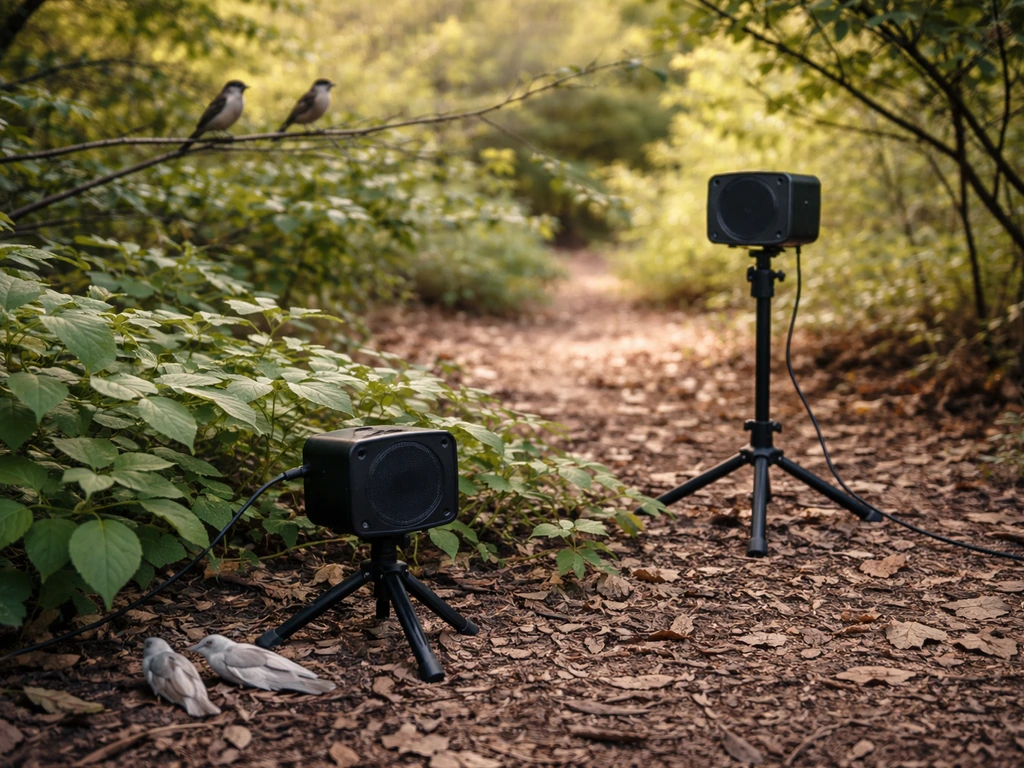
Place your speaker at or near the height birds naturally use in that habitat. For ground-feeding sparrows, low placement near cover works. For canopy species like warblers, position the speaker at head height or higher in a shrub or tree. Keep the speaker within 10 to 15 meters of the area where you want birds to land. Further than that and the call loses natural directionality. Face the speaker toward open perching spots, not at a wall or fence that will reflect and distort the sound.
Volume
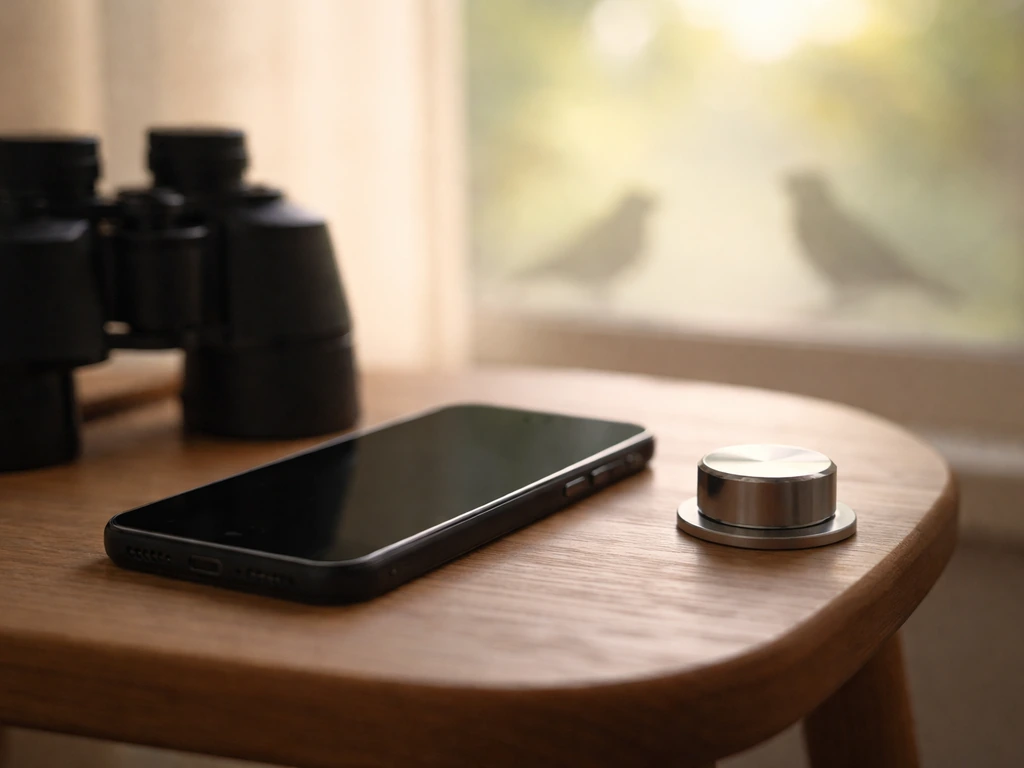
Keep playback volume low. Birds communicate at close range and a call that blasts at full phone volume sounds wrong and can be startling. A good rule of thumb: if you can hear the call clearly from 20 meters away, it is probably too loud. Start at around 30 to 40 percent of your device's maximum volume and adjust from there. Loud playback also creates noise complaints from neighbors and disturbs non-target species.
Timing
The first hour after sunrise is when birds are most active and most responsive to calls. Late afternoon, roughly 90 minutes before sunset, is the second-best window. Avoid playing calls at midday when bird activity drops off significantly. During migration windows (spring and fall), early morning playback is especially effective for drawing in new arrivals that are actively orienting and listening for conspecifics.
Duration and rotation
Play a recording for 30 to 60 seconds, then pause for a few minutes to listen and watch for responses. Repeat cycles no more than three or four times per session. Running calls on a loop is one of the fastest ways to cause habituation: birds learn quickly that a sound that never changes and never has a real bird attached to it is meaningless. Rotating between two or three different recordings of the same call type for the same species adds natural variation and slows habituation significantly.
What to pair with calls to increase visits
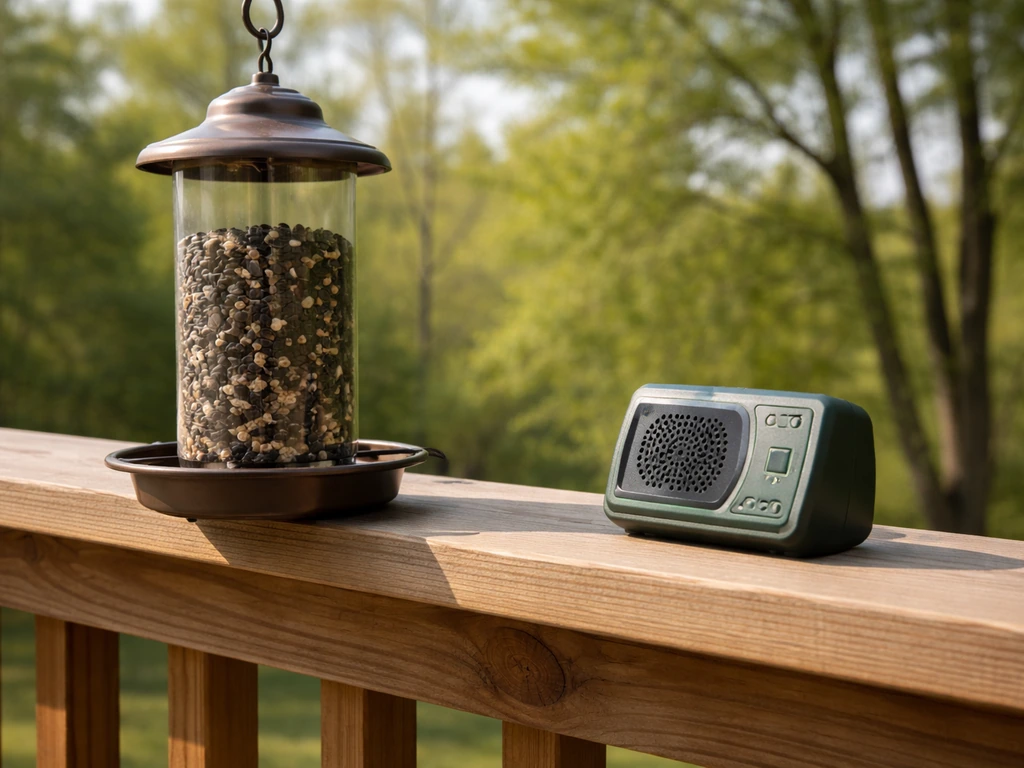
Bird calls are a signal, not a guarantee. They tell a bird that the area is worth investigating, but if there is nothing to find once they arrive, they leave and do not come back. The call gets you the first visit; the habitat keeps them coming.
- Food: Add a feeder stocked with seed appropriate for your target species. Black-oil sunflower seeds attract the widest range of songbirds. Nyjer seed brings in finches. Suet draws woodpeckers and nuthatches. Place feeders within 5 to 10 meters of your playback point.
- Water: A shallow birdbath with moving water is one of the most effective attractants available. The sound of dripping or trickling water carries further than most people expect and pulls birds in on its own. Refresh it daily to prevent algae and mosquitoes.
- Cover: Birds need somewhere to retreat when alarmed. Dense shrubs, brush piles, or even potted plants near the feeding area give them confidence to linger. Without cover nearby, many species will fly in briefly and leave.
- Native plants: If you have a garden or outdoor space, native flowering and fruiting plants provide natural food sources that reinforce the signal from your playback. Berry-producing shrubs like elderberry or serviceberry are particularly effective for thrushes and waxwings.
- Nesting structures: For species that use nest boxes (bluebirds, tits, wrens), pairing playback with an appropriately sized and placed box dramatically increases the chance of a territorial pair investigating and settling.
Common reasons it doesn't work
Habituation is the most common failure mode. Birds are intelligent and they notice quickly when a sound repeats identically with no associated reward or real bird presence. Once a bird has visited, found nothing compelling, and left a few times, it starts ignoring the recording entirely. This can happen within a few days of daily playback.
Wrong species targeting is the second most common problem. Playing a call for a species that simply is not present in your area at that time of year produces nothing. For example, if you use a recording expecting it to work like a scarer for the wrong bird, it may not have the effect you want a species that simply is not present in your area at that time of year. Double-check that your target bird is actually local and currently in season before assuming the playback is failing for other reasons.
- Wrong call type: Using territorial song when you want foraging visits, or using an alarm call that signals danger rather than food.
- Volume too high or too low: Too loud sounds unnatural and frightening; too quiet does not carry far enough to reach passing birds.
- Poor speaker placement: Placing the speaker on the ground facing a wall, or inside a building where sound is muffled by glass.
- Bad timing: Playing calls at midday or during hot weather when birds are inactive. High temperatures measurably reduce bird responses to calls.
- Habitat mismatch: The call signals good habitat but the area has no food, water, or cover, so birds investigate once and do not return.
- Wind and ambient noise: Strong wind or traffic noise drowns out low-volume playback. On windy days, calls simply may not carry to where birds are.
Risks, ethics, and safety
The American Birding Association's code of ethics explicitly advises limiting audio playback for attracting birds, particularly in heavily visited natural areas and for rare, threatened, or endangered species. The concern is real: repeated playback during breeding season can stress nesting birds, pull territorial males away from their mates and nests, disrupt incubation, and waste energy that birds need for survival. For common garden species in your own backyard, the risk is lower, but it is still worth using playback in moderation.
Attracting large numbers of birds to a commercial or residential property also creates secondary problems. Concentrated bird activity around pools, patios, HVAC units, or rooftops means droppings, noise, and potential structural fouling. If your goal is a casual garden visit, that is fine. If playback accidentally draws in large flocks of starlings, pigeons, or gulls, you have traded one problem for another. This is particularly relevant in commercial contexts where bird pressure on buildings, solar panels, or equipment is already a concern.
Noise compliance is a genuine consideration in residential areas. Running bird-call playback repeatedly through an outdoor speaker at volume will generate complaints from neighbors, and in some municipalities it may fall under noise ordinances. Keep sessions short, keep volume low, and avoid early morning or evening use in densely built neighborhoods.
Finally, some call types create safety concerns in specific contexts. Mobbing calls near aviation-adjacent facilities can interact unpredictably with existing bird deterrence programs. If you are managing birds near an airport, transport hub, or large commercial facility, check with your site's bird management protocol before running any playback. The same calls used to attract birds for a garden visit could actively interfere with a deterrence strategy already in place.
A practical testing plan (and when to switch approaches)
Run a focused two-week test before drawing any conclusions. This is also a good way to evaluate how do laser bird scarers work in your specific yard and whether they change bird behavior over time a focused two-week test. Here is a simple protocol you can start today.
- Day 1: Identify two or three bird species that are confirmed present in your area using a free app or local checklist. Choose one as your primary target.
- Day 1: Set up a feeder with appropriate seed and a shallow water source within 10 meters of your intended playback spot. Add a nearby perch (a simple branch or post works).
- Day 2: Download a high-quality contact or flock call recording for your target species from a verified source. Test speaker placement at natural foraging height, low volume.
- Days 3 to 7: Run 30-second playback sessions at dawn and late afternoon only. Pause between repetitions. Keep a simple log of any bird visits, species seen, and approximate arrival time.
- Days 8 to 14: If visits are happening, reduce playback frequency to every other day to test whether habitat improvements alone sustain visits. If no visits by day 7, troubleshoot: confirm species is present, adjust volume, check call type, improve cover or food.
- End of week 2: Decide. If birds are visiting regularly and the habitat is supporting them, scale back playback further and let the habitat do the work. If playback is creating noise issues, drawing unwanted species, or producing zero results, switch strategy.
If the goal shifts from attracting specific birds to managing or deterring problem species, the same call-type logic applies in reverse. Distress and alarm calls are used in many bird-control products precisely because they drive birds away rather than drawing them in. Whether bird scarers, sonic deterrents, or other sensory tools are more appropriate than attraction playback depends entirely on what outcome you need at your specific site.
Bird scarers can work, but the right choice depends on whether you are trying to create avoidance or attract specific species. The same research that shows certain calls attract birds under low-threat conditions also shows that alarm and distress calls consistently produce avoidance, which is the basis of most professional acoustic deterrence systems.
For most residential users, the honest answer is that bird calls are a useful supplement but not a standalone solution. So do bird calls work in practice, or do they just create confusion? Pair them with good habitat, be disciplined about timing and volume, rotate recordings to prevent habituation, and set a two-week window to evaluate whether it is actually working before committing more time or equipment to the approach.
FAQ
Can you attract birds that are not already in my yard?
Yes, but treat it as attraction for already-local birds, not a way to “import” species. If a bird is not in your yard’s airspace during that season or time window, playback usually produces no results. A quick check is to confirm recent sightings at your site using your local checklist app before you invest time in testing.
What call should I start with if I am not sure which species I’m targeting?
Start with contact or flock calls at low volume, short sessions (30 to 60 seconds), and pause to watch. If you hear aggressive or continuous counter-singing, stop, because that pattern often indicates territorial challenge rather than relaxed feeding behavior.
How often should I play bird calls without causing birds to ignore them?
Limit playback to a short trial and then pause for at least a day or two to see whether birds return voluntarily. If you keep playing every day at the same spot, habituation accelerates, and birds can become unresponsive within a few days even when the call type is correct.
Is running the playback on a loop a good way to attract more birds?
On a loop, birds are more likely to habituate quickly because the sound never changes and never pairs with an actual bird response. Use cycles (play, then pause) and rotate between a few recordings of the same call type for the same species to add natural variation.
Should I use songs or soft contact calls for attracting casual garden visits?
Choose based on the behavior you want. For feeding or casual visits, contact and foraging chips are usually safer than songs. For breeding-season territorial pull, song can bring males closer but may increase stress, so use it sparingly and stop if birds appear agitated or keep calling back rapidly.
Will speaker placement affect whether bird calls work?
Yes, but only if the setup matches the species’ natural sound direction. Place the speaker at the right height and orient it toward open perching or feeding spots, not toward a reflective wall or fence. Also avoid aiming playback across hard echo surfaces, since that can distort the call enough to reduce responses.
How can I tell if my playback volume is too loud?
If you hear the call clearly from 20 meters away, it is usually too loud, and loud playback can repel birds or trigger noise complaints. Begin at roughly 30 to 40 percent volume, then increase only if you see calm approach or increased activity without obvious startle responses.
Do weather conditions change how well bird calls attract birds?
Foggy, rainy, or very windy conditions can reduce clarity and make the call sound unnatural, which leads to fewer or more erratic responses. If the weather is rough, shorten your sessions and focus on the periods when sound carries more consistently, such as brief lulls in wind or precipitation.
What should I do if birds investigate but do not stick around?
Yes. If birds arrive but do not stay, it often means habitat or food is missing. Birds use playback to investigate, but they return only when there is something to feed on or safe cover to use. Add basic habitat elements first, like reliable water and appropriate cover, then re-test playback briefly.
Can bird calls backfire by attracting the “wrong” kinds of birds in a residential area?
In many urban neighborhoods, it can be a bad tradeoff because birds congregate where people problems also happen, like rooftops, near pools, or around HVAC. If your goal is simply a few visitors, use shorter, less frequent sessions and consider limiting playback to times when your area is calm and birds are already active.
How do I run a two-week test without wasting time or overdoing playback?
Use a short, structured test. Change one variable at a time, for example call type or placement, and keep everything else consistent (time window, volume range, speaker location). If you see habituation, stop the test early rather than continuing to “push through,” because the birds may have already learned to ignore it.
What if I live near an airport, transport hub, or bird deterrence program?
Yes, and it depends on context. If you are near places where birds are already being managed, like airports or transport hubs, playback could interfere with deterrence protocols. When you are unsure, pause and ask the property manager or bird management team before doing any attraction playback.