
For bird mites in an enclosed indoor space, a total-release fogger containing pyrethrins plus piperonyl butoxide (PBO) is your most practical starting point. It won't solve the problem on its own, but used correctly after removing the bird nest and sealing entry points, it can knock down wandering mites fast. The active ingredients to look for on the label are pyrethrins (or a synthetic pyrethroid like permethrin or cypermethrin) combined with PBO as a synergist. The PBO matters because it makes the pyrethrin work harder against insects and mites that would otherwise partially resist it.
Best Fogger for Bird Mites: Pick, Use, and Stop Reinfestations

Marcus Weatherby
21 Jun 2026
Bird mites vs other mites: how to confirm what you have
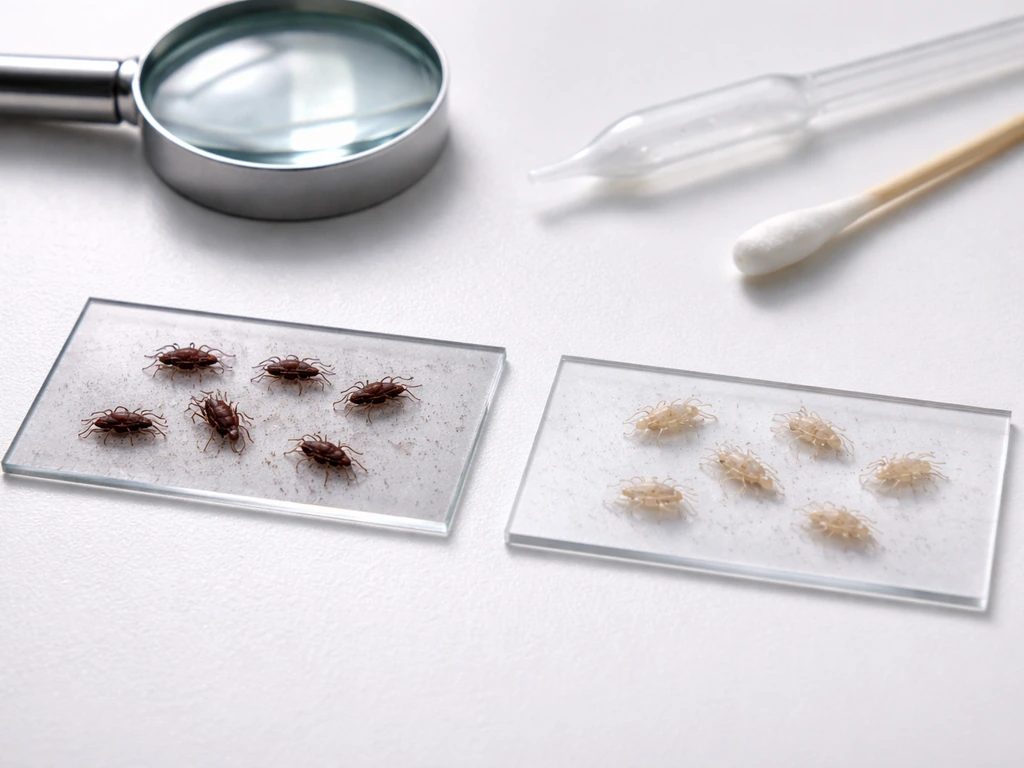
Before you fog anything, make sure you actually have bird mites. This sounds obvious, but it matters a lot because different mites call for different treatments, and fogging the wrong pest is a waste of time and money.
Bird mites are tiny eight-legged arthropods, visible to the naked eye if you look carefully, but small enough that people frequently misidentify them. The clearest diagnostic clue isn't how they look, it's the context: did birds recently nest or roost nearby? Mites typically migrate into homes after nestlings fledge or a nest is disturbed, because they suddenly lose their main food source and go looking for another one. If you're getting bites and there's been a bird nest on your roofline, in your attic, or tucked behind a vent or shutter, bird mites are the most likely culprit.
The practical ID method recommended by university extension programs is to press a piece of clear tape against a surface where you're seeing mites or getting bites, then seal the tape in a zip-lock bag or container. You can take this sample to a county extension office or pest management professional for identification. Some services also accept mite samples by mail. Until you've confirmed the species, it's worth holding off on a full fogging campaign, since other common household mites like dust mites or clover mites respond better to completely different approaches.
One more thing worth knowing: northern fowl mites can survive off a bird host for up to about three weeks, while chicken mites can survive off-host for up to eight months. So even after the birds are gone, you can still have an active infestation for a significant stretch of time. That longevity is exactly why fogging alone rarely resolves the problem permanently.
Do foggers work for bird mites? effectiveness and common reasons they fail
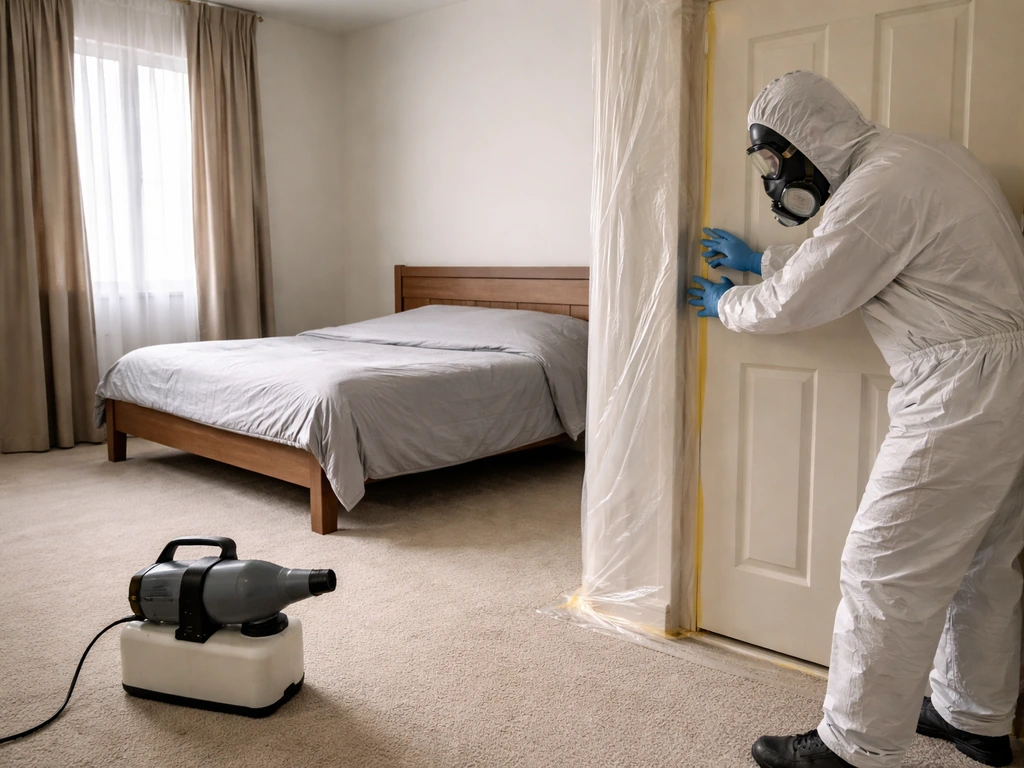
Foggers can work, but they come with real limitations that trip people up. A total-release aerosol fogger fills a room with pesticide mist and kills mites it comes into contact with. The problem is contact. Mites hiding in wall voids, inside soffit gaps, behind window frames, or deep in cracks don't get hit by that mist. Fogging a living room while mites are flowing in through a gap behind a vent cover does very little to fix the infestation.
The biggest reason foggers fail is that the bird nest is still present and active, or has been removed but the entry points haven't been sealed. Mites are continuously migrating in from outside, so killing the visible ones in the room just means a new wave arrives within days. The second biggest failure mode is using a fogger that isn't labeled for mites at all. Many general-purpose bug bomb products are labeled for cockroaches, fleas, and flying insects but don't specifically list mites as a target pest. That matters both for effectiveness and for legal/compliance reasons.
A fogger also won't give you residual control the way a targeted crack-and-crevice spray will. Most aerosol foggers provide immediate knockdown but little to no lasting protection on surfaces. If you want something that continues killing mites after the fog dissipates, you need a separate residual spray treatment applied directly to baseboards, window frames, and entry points, used alongside (not instead of) the fogger.
What to look for in the best fogger
Active ingredients
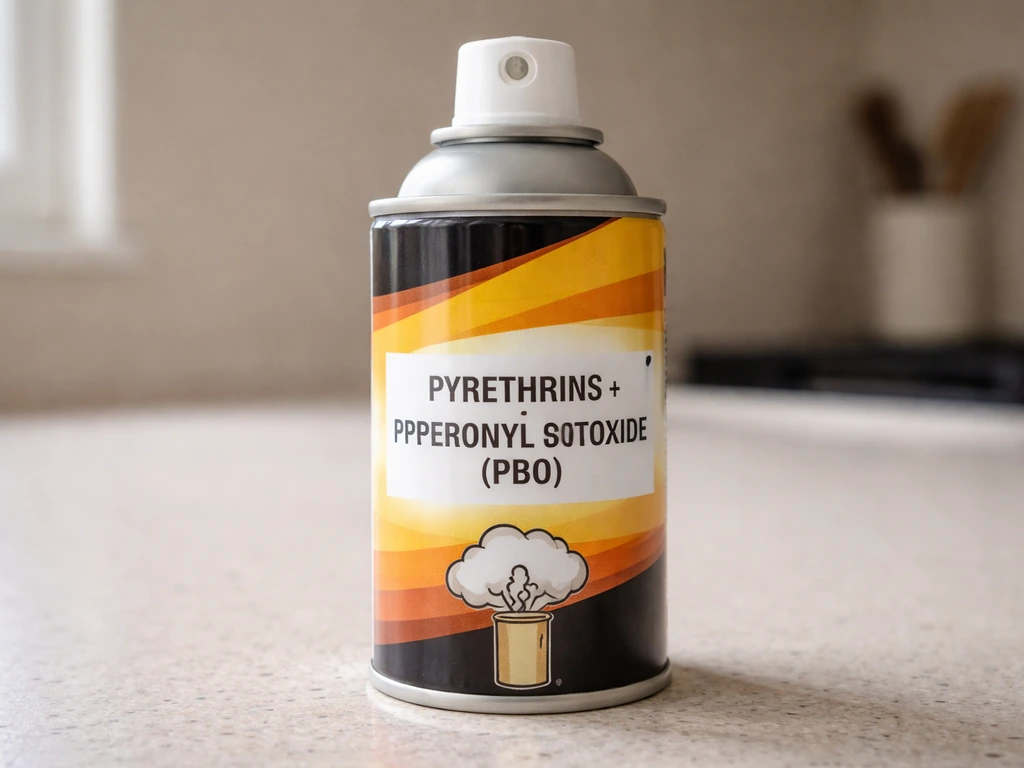
Look for pyrethrins combined with piperonyl butoxide (PBO) on the label. Pyrethrins are natural insecticides derived from chrysanthemum flowers, and blank" rel="noopener noreferrer">PBO is a synergist that blocks the enzymes mites use to break down the pyrethrin, making the combination significantly more effective than pyrethrins alone. Synthetic pyrethroids like permethrin or cypermethrin work on a similar mechanism and appear in many professional-grade ULV (ultra-low volume) fogger products. The key is that the label must list mites as a target pest. Don't assume a product works for mites just because it's a broad-spectrum insecticide fogger.
Fogger type: total-release aerosol vs ULV machine
Total-release foggers (the cans you set off and leave the room) are the DIY standard. They're inexpensive, widely available, and straightforward to use. If you are specifically looking for methyl anthranilate bird repellent, compare options for where to buy it online or at local farm and pest-supply stores widely available. A single can typically covers 2,000 to 6,000 square feet depending on the product, so read the coverage claim carefully and don't underestimate how many cans you need for larger spaces. ULV (ultra-low volume) cold foggers are machines that push a fine mist through a nozzle using a motor and fan. These are more common in professional pest control and commercial settings. They give you more control over droplet size and coverage, and they're better suited for large spaces like warehouses, commercial poultry facilities, or aviation hangars where total-release cans aren't practical. For a residential bedroom or hallway, a standard total-release fogger works fine.
Indoor vs outdoor rating and coverage claims
Most bird-mite fogging is done indoors, so make sure the product is labeled for indoor use. If mites are concentrated around an outdoor roosting area like a patio overhang or under eaves, a labeled outdoor spray or perimeter treatment is usually more effective than fogging open air, where the fog disperses too quickly to do much. For enclosed outdoor structures like a storage shed or covered garage, a total-release fogger can work if you can seal the space temporarily.
Dwell time and residual vs knockdown
Dwell time is how long the fog needs to remain active in the sealed space before you ventilate. This varies by product but is often two hours for total-release aerosol foggers, followed by an additional two hours of active ventilation with windows and doors open before re-entry. Check your specific product label, because re-entry requirements are label-dependent and legally binding. If you can still smell the product after ventilating, keep the space open longer. As mentioned, most foggers offer knockdown rather than residual protection, so pair fogging with a direct residual spray on surfaces for longer-lasting results.
Top pick guidance by situation
| Situation | Recommended approach | Key product criteria |
|---|---|---|
| Enclosed indoor room (bedroom, living area) | Total-release aerosol fogger (pyrethrins + PBO) | Labeled for mites; coverage matches room size; 2-hour dwell time; follow EPA re-entry label exactly |
| Attic or soffits with mite activity | Total-release fogger + targeted residual spray in cracks/voids | Choose fogger rated for larger enclosed spaces; pair with residual pyrethroid spray in entry points and gaps |
| Patio, eaves, or outdoor roosting area | Residual surface spray (permethrin-based, outdoor-labeled) | Fogging open outdoor spaces is ineffective; direct spray on surfaces works better |
| Residential multi-room infestation | Multiple total-release foggers used simultaneously + residual spray | Use one fogger per room; seal HVAC vents during treatment; follow coverage-per-can instructions |
| Commercial property (warehouse, storage) | ULV cold fogger with pyrethrins/pyrethroid + PBO concentrate | Professional-grade machine; check local pesticide licensing requirements |
| Aviation/hangar context | Consult a licensed pest management professional | Aviation environments have strict chemical compliance rules; avoid DIY fogger use near aircraft without clearance |
| Garden, near solar panels, or roofline | Remove nest source first; treat building entry points with residual spray | Fogging is ineffective outdoors; exclusion and residual spray at entry gaps are the right tools here |
For most homeowners dealing with a single infested room after a bird nest was removed from nearby, a standard total-release aerosol fogger with pyrethrins and PBO, combined with a residual pyrethroid spray around window frames and baseboards, is the most effective combination. If mites are coming through the attic, you need to address that access point directly, because no amount of fogging a downstairs room will stop mites migrating from above.
How to fog correctly: prep, protecting people and pets, application steps, and dwell time
Before you start
- Read the entire product label before opening the can. This isn't optional, it's legally required and the label tells you everything specific to that product.
- Remove all people and pets from the treatment area, including birds, fish tanks (cover and turn off the aerator), and reptiles.
- Cover or remove food, dishes, and food prep surfaces. Move them or seal them in bags.
- Turn off all ignition sources: pilot lights, stoves, and electrical sparks. Aerosol foggers contain flammable propellants.
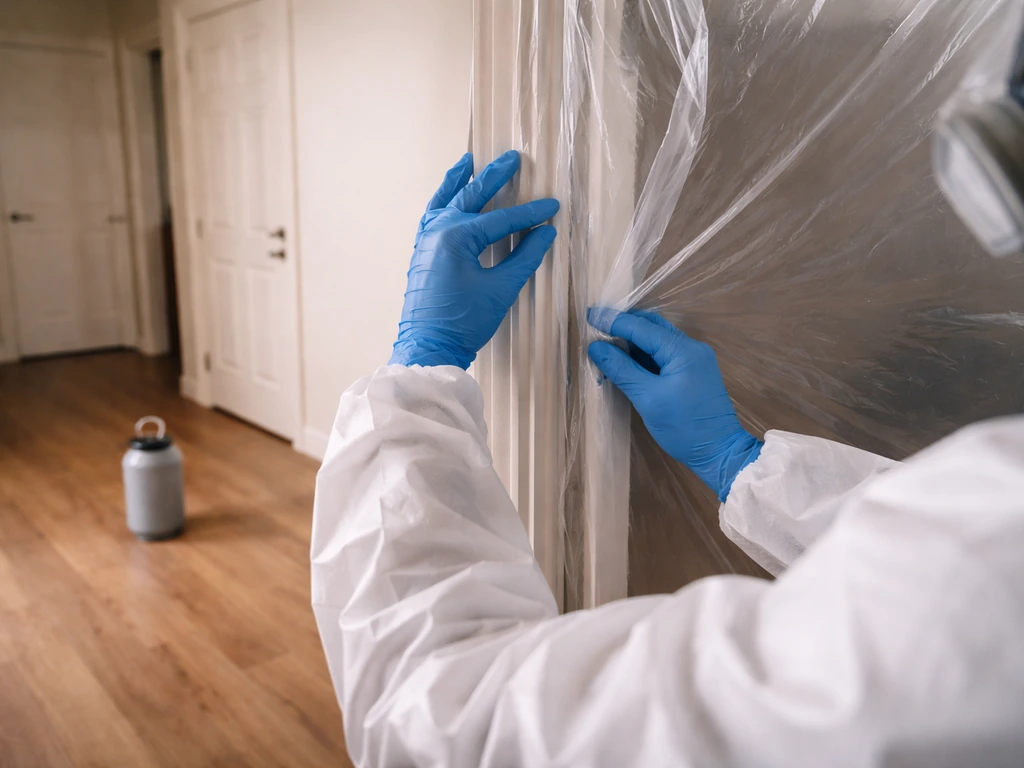
- Turn off HVAC systems, air conditioners, and fans so the fog stays in the treatment area rather than distributing throughout the building or getting pulled into ductwork.
- Close all windows and doors to the rooms being treated. Seal gaps under doors with towels if needed.
- Place the fogger on a surface (not the floor) in the center of the room, on top of newspaper or cardboard to protect the surface.
- If you have asthma, COPD, or other respiratory conditions, seriously consider having a pest control professional do the treatment instead. Pyrethroid exposure from foggers can trigger wheezing and respiratory symptoms even after you re-enter a ventilated space.
Application steps
- Set up and prepare all rooms you plan to treat before activating any fogger, so you can activate and leave quickly.
- Activate the fogger per label instructions (typically press the tab or valve to release), set it down, and immediately leave the room. Close the door behind you.
- Leave the building entirely for the full dwell time listed on the label, typically two hours for most aerosol total-release foggers.
- After the dwell time, return and open all windows, doors, and vents in the treated space. Turn fans on to push air out.
- Ventilate for a minimum of two additional hours before anyone re-enters to stay. If you can still smell the product, keep ventilating.
- If treating multiple rooms, activate foggers in each room simultaneously so you're not waiting room by room.
After ventilating
Wipe down food-contact surfaces, countertops, and anywhere you eat with a damp cloth, even if they were covered. Vacuum floors and upholstered furniture thoroughly. Seal the vacuum bag in a plastic bag and put it directly in the outdoor trash, or freeze it for 48 hours first to kill any mites collected. Dead mites that are vacuumed up but stay in a bag inside the house can still cause skin irritation.
Bird control first: remove the source and prevent return
This is the step most people skip, and it's the reason most DIY bird mite treatments fail. If the bird nest is still there, or if birds can still access the roost site, mites will keep coming. What repels bird mites is removing the bird source first and then sealing entry points so the mites cannot keep migrating in bird nest is still there. Fogging without removing the source is like bailing out a boat without plugging the hole.
Removing the nest
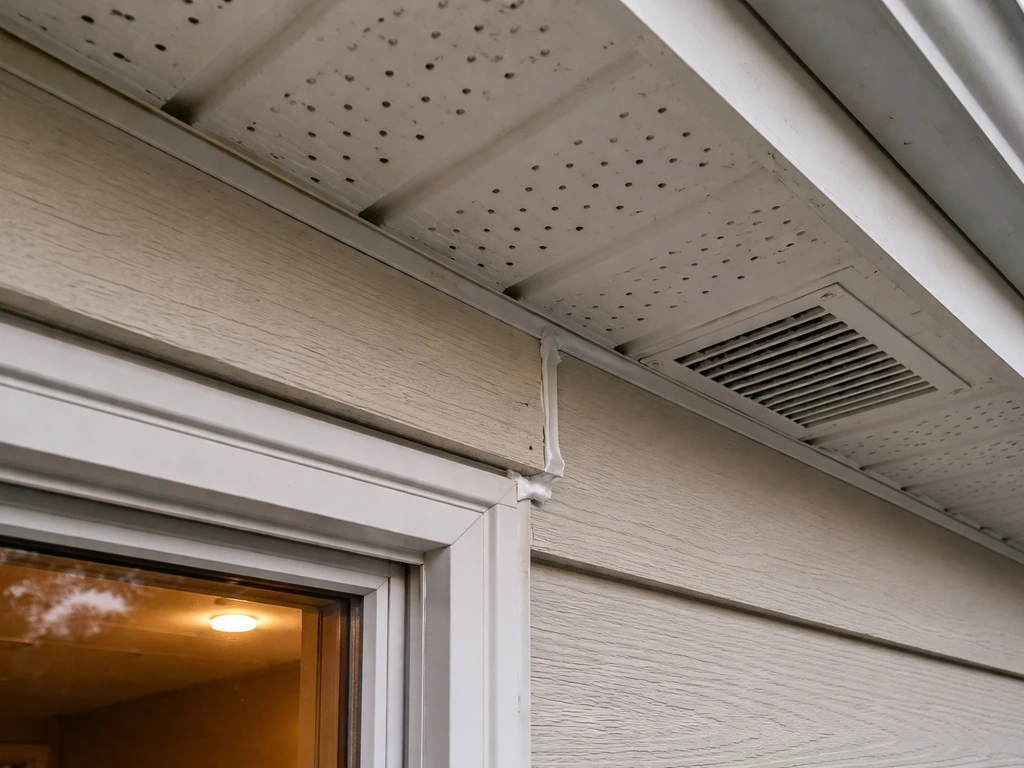
In the US, many songbirds are protected under the Migratory Bird Treaty Act, which means you cannot disturb an active nest that contains eggs or live young. Wait until nesting season ends and the birds have left before removing the nest. Once the nest is abandoned, remove it using gloves and place it in a sealed plastic bag using an inverted-bag technique (put your hand in the bag, grab the nest, then pull the bag right-side out over the nest). Dispose of it in an outdoor bin away from the building. Clean the surface where the nest sat with warm soapy water. Clean infested surfaces with warm, soapy water to help remove bird and mammal mites alongside any other cultural or chemical controls. If the nest is in a hard-to-reach or enclosed space like an attic or soffit cavity, wear a dust mask or respirator because dried bird droppings can harbor other pathogens.
Sealing entry points
After the nest is gone, seal every gap where mites (and future birds) could enter the building. Common entry points include gaps around window frames, soffit vents, roof eaves, pipe penetrations, and gaps where utility lines enter walls. Hardware cloth with a mesh size of around 1/4 inch or smaller works well for covering larger vent openings. Smaller cracks in masonry or around window frames can be sealed with caulk. USU Extension specifically recommends sealing cracks and crevices as part of bird mite management because mites use those same gaps to move between walls and living spaces.
Preventing birds from returning
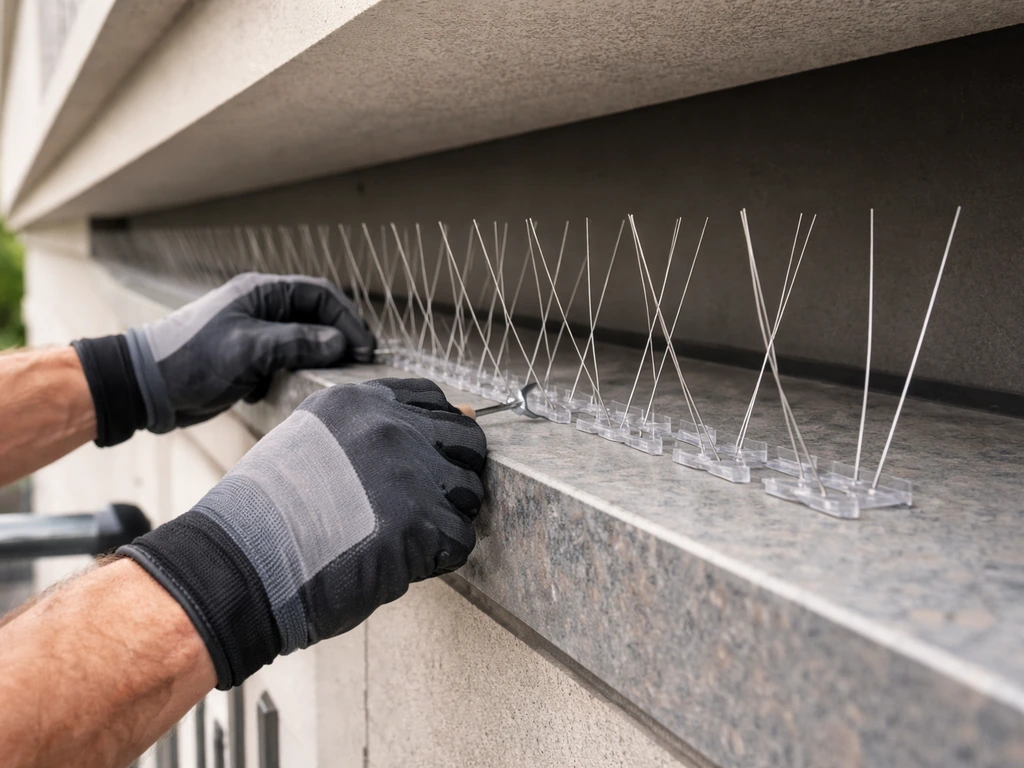
Once you've removed the nest and sealed the immediate entry points, install physical deterrents to stop birds from setting up in the same spot again. Bird spikes work well on ledges, window sills, rooflines, and gutters where birds tend to perch and build. Bird netting is the right choice for larger areas like under eaves, around solar panels, or over garden plots where spikes aren't practical. For open areas like patios or pools where birds are landing and congregating, visual deterrents (reflective tape, predator decoys) or sonic deterrents can discourage roosting. The right deterrent depends on the species and location, but the priority is making sure birds can't re-establish a roost within reach of your home's walls, vents, or eaves.
In commercial or aviation contexts, bird exclusion follows stricter compliance requirements. Hangars and commercial buildings often need professional-grade netting systems and documented pest management plans. In those environments, DIY fogging with consumer aerosol products isn't the appropriate path, both because of the scale and because of safety and compliance obligations around aircraft, food storage, or occupied commercial spaces.
Aftercare and troubleshooting
When to re-enter and what to clean
Follow the re-entry time on your specific product label exactly. For most permethrin-based total-release foggers the EPA re-entry guidance is: wait two hours, then ventilate for two more hours before people and pets return. If you notice residual odor after that, keep ventilating. Once re-entry is safe, wipe down hard surfaces with a damp cloth. Wash any bedding, curtains, or soft furnishings that were in the treatment area. This isn't just about pesticide residue, it also removes dead mites and their debris, which can continue to irritate skin.
What to do if mites are still present after fogging
If you're still getting bites or seeing mites two to three days after treatment, work through this checklist before reaching for another fogger.
- Re-check for active bird nests or roost sites. Even a small nest tucked in a soffit or behind a gutter bracket can sustain a mite population. Look on all sides of the building, not just where you originally found the problem.
- Inspect entry points. Mites may be coming through a gap you didn't notice the first time. Pay close attention to where utility lines, dryer vents, or plumbing pipes enter the wall.
- Confirm your ID again. If you haven't had the mite formally identified, now is the time. Other mite species like dust mites don't respond to fogging the same way, and some apparent 'mite' problems are actually caused by something else entirely, like thrips or springtails.
- Check whether your fogger was actually labeled for mites. If not, switch to a product that is.
- Apply a residual spray to baseboards, window frames, and known entry paths if you only fogged and didn't follow up with a direct surface treatment.
- If the infestation is in wall voids, ceiling cavities, or hard-to-reach attic spaces where fogging clearly isn't reaching, contact a licensed pest management professional. They have access to professional-grade ULV equipment and residual products that penetrate those spaces more effectively.
Long-term prevention
Mites disperse in search of new hosts when a nest is vacated, so the window right after birds leave is when you're most at risk. If you seal entry points promptly and install deterrents before the next nesting season, you can avoid repeating the whole cycle. Check rooflines, vents, and eaves in late winter or early spring before birds start looking for nesting sites. A small amount of prevention at that point is much easier than treating a full infestation in July. And if you're dealing with a persistent problem across multiple seasons, it's worth getting a professional site assessment to find entry routes and roost points that aren't obvious from ground level.
It's also worth knowing that bird mites can't complete their life cycle on human blood. They bite people when they're desperate and looking for a bird host, but they can't establish a self-sustaining infestation on humans. That means if you remove the birds, seal the entry points, and treat the space correctly, the mite problem will resolve. The mites will die off on their own within weeks once their food source is gone, as long as no new birds move in.
FAQ
Will a fogger alone stop bird mites permanently?
It can help, but only if you’re also controlling the source. If the nest is still active or entry points are not sealed, you’ll usually see “new” mites after the fog dissipates because migrating mites keep coming in. Treat the enclosure and then immediately do sealing and cleaning, otherwise fogging becomes a temporary knockdown rather than a fix.
Why do I still see mites after using a total-release fogger?
You should expect many mites to be out of the direct mist path. Total-release aerosols mainly kill what they contact, so mites hiding in voids, behind trim, or in cracks can survive. This is why pairing fogging with a targeted residual spray on baseboards, window frames, and identified entry routes is often necessary.
How can I tell if a fogger is actually labeled for bird mites?
Read the label for “target pest” and for “indoor use.” If mites are not listed as a target pest, effectiveness is unreliable even if the product is a broad-spectrum insecticide. Also confirm it’s intended for enclosed spaces, because some products are designed for outdoors or for different insect groups.
When is the best time to fog after removing a bird nest?
If you spray or fog too soon after removing birds, you may miss the true access point, especially if mites are still migrating from an attic or wall cavity. Wait until nesting activity is fully over, remove the nest using safe methods, then seal gaps and only then fog, so you’re treating a closed, shrinking problem.
What dwell time should I use, and what if the label is unclear?
Dwell time is product-specific. Don’t rely on generic “two hours” guidance, follow the exact label for the sealed period and any required ventilation period. If you still smell the product after the labeled ventilation time, keep airing out and do not re-enter until conditions match the label.
Are the re-entry and pet-safety steps different for bird mites than for other bugs?
Even with re-entry compliance, you should keep people and pets out until the label conditions are met, and then wipe down hard surfaces with a damp cloth. Pay extra attention to countertops, floors where kids crawl, and areas around pet bedding, because dust-like residues and dead mites can linger.
What’s the safest way to vacuum and dispose of debris after fogging?
Yes. If you vacuum after fogging, seal the vacuum contents immediately (bag outside right away, or freeze as a backup method), then wipe the vacuum nozzle and nearby surfaces so you do not spread dead mites indoors. Also avoid leaving a vacuum bag inside the house, because irritation can continue.
What if the mites seem to be coming from the attic or upper floors?
If mites are coming from above or through an attic access route, fogging downstairs can reduce bites temporarily but won’t stop the migration. Focus on the pathway (attic soffits, eaves, or roofline gaps) and seal those access points, then consider treatment in the affected zone.
Do foggers provide any residual protection, or do I always need a residual spray too?
Foggers are usually a bad match for long-term control if you don’t apply residual treatment. Use a separate crack-and-crevice or perimeter residual product on surfaces where mites travel, because fog has limited lasting activity once the aerosol dissipates.
If I’m still getting bites 2 to 3 days later, what should I check first?
You might not see immediate improvement because mites may be actively dispersing within the first few days after the nest is disturbed. If bites persist or mites are still present after about 2 to 3 days, re-check for ongoing access routes, unfinished sealing, and whether the nest removal actually completed before trying another round.
What should I do if I’m not sure the mites are bird mites?
You’ll get more reliable results by verifying the pest first. Tape samples are helpful, but also confirm context, like recent roosting or nesting. If the sample points to dust mites or another mite type, the fogger approach can be ineffective and you’ll waste time.
Can I install bird spikes or netting before fogging?
Yes, but be careful not to use bird deterrents as your only plan. Even with spikes or netting, you need to remove the existing nest safely first and seal entry gaps, otherwise mites can keep migrating while you’re trying to prevent future nesting.
Does fogging work for open-air patios or only for enclosed spaces?
If you have an enclosed outdoor structure you can seal temporarily (like a covered shed or enclosed garage), a total-release fogger may work if the product is labeled for that scenario. For truly open air areas (patios, eaves that are not enclosed), fog disperses too quickly, so a perimeter or targeted exterior treatment and exclusion usually makes more sense.