
Bird gel works, but with real limits. Used correctly on the right surfaces, it genuinely reduces landing and roosting for pigeons, starlings, and similar nuisance birds. Used in the wrong spot or applied too thin, it does very little. The honest answer is: gel is a solid tool for low-to-moderate pressure sites with flat, horizontal ledges, but it's rarely a complete solution on its own for heavy infestations or tricky geometry.
Does Bird Gel Work? Effectiveness, Setup, and Alternatives

Marcus Weatherby
6 Jul 2026
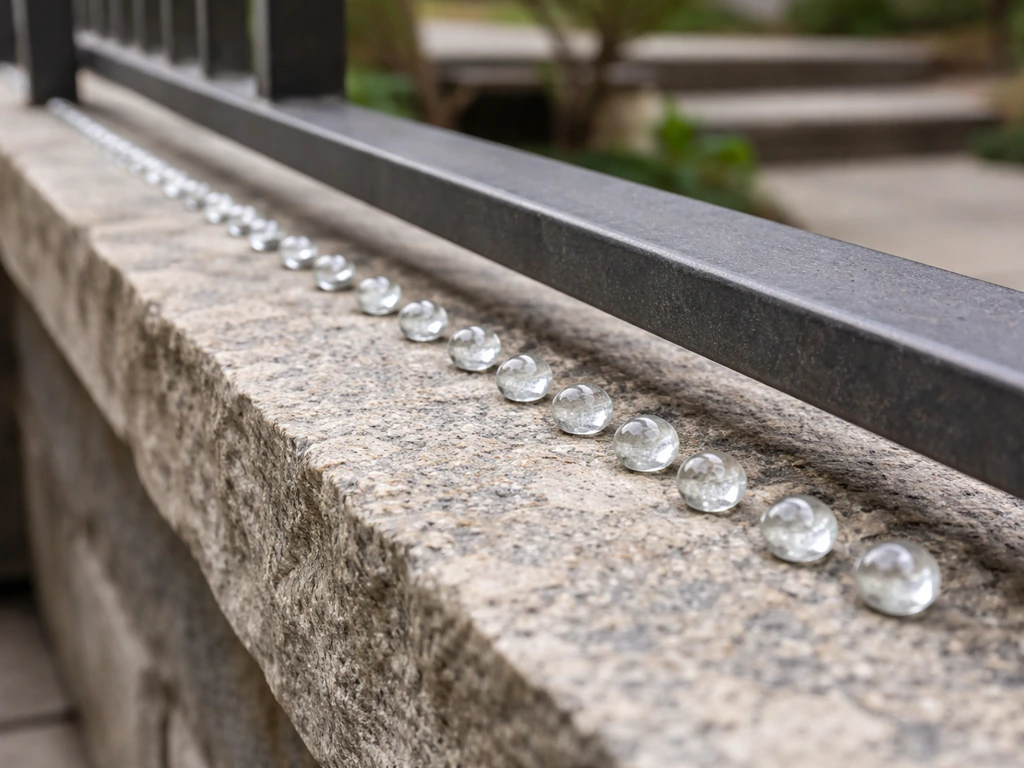
What bird gel is and how it's supposed to work
Bird deterrent gel is a thick, sticky compound applied in beads or discs to surfaces where birds land and roost. The most common active ingredient is polybutene, a long-chain polymer that stays tacky for months. When a bird steps on it, the uncomfortable texture on its feet encourages it to leave and not come back. Some products, like Bird Barrier's Optical Gel, add a multi-sensory angle: the gel discs scatter UV light, which birds perceive as fire or a threatening visual cue. That product markets itself as working through sight, smell, and touch simultaneously. Bird-X's Bird Proof Gel sticks to a simpler pitch: the tacky surface makes landing unpleasant and birds stop using the spot.
In practice, the mechanism is mostly tactile. Birds that habitually land on a ledge encounter an unfamiliar, sticky surface and associate the spot with discomfort. The theory is that after a few unpleasant contacts, they move on to cleaner perches. Optical gel products try to prevent first contact altogether by exploiting how birds see ultraviolet wavelengths. Both approaches have real-world backing, but neither is foolproof, especially with persistent species like feral pigeons.
Where bird gel works best (and where it fails)
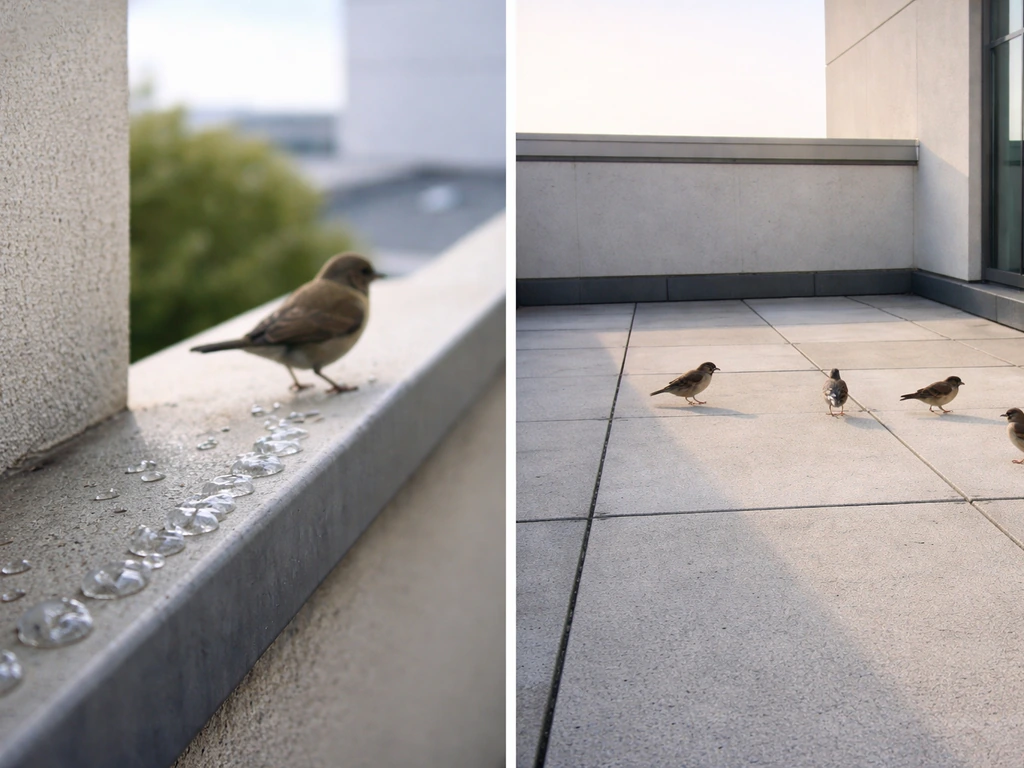
Gel performs best on narrow, horizontal ledges: window sills, parapet caps, sign tops, pipe runs, railing rails, and beam flanges. These are spots where birds land briefly to roost or loaf, not deeply committed nesting sites. At low-to-moderate bird pressure, meaning a handful of birds using the spot rather than a constant stream, gel consistently keeps surfaces clear.
It tends to fall short in several common situations. Wide, flat rooftops and open patios give birds too much untreated area to shift to, and you'd need impractical amounts of product for full coverage. Corners and recesses used for nesting require a much tighter bead pattern than open ledges, and it's easy to underapply there. Bird Barrier explicitly states that Optical Gel is not intended for vertical surfaces in general use (with narrow exceptions like mud swallow and woodpecker situations), so applying it to a wall face or vertical sign panel is a documented failure mode. Areas with heavy pigeon pressure are another weak spot: a peer-reviewed study testing gel repellents on feral pigeons found a measurable repellent effect but concluded that complete pigeon-proofing was not achieved. Bird repellent spray can also lose effectiveness quickly, especially in heavy pigeon activity, so it often needs the same kind of targeted placement and follow-up as other deterrents.
| Situation | Gel Performance | Notes |
|---|---|---|
| Narrow window ledge, low traffic | Good | Ideal use case; birds discouraged quickly |
| Railing or pipe run | Good | Apply bead continuously along top surface |
| Sign top or parapet cap | Good to moderate | Works well if no nearby alternative perch |
| Wide flat roof | Poor | Too much untreated space; birds shift around |
| Corner/recess used for nesting | Moderate if done right | Requires tighter spacing; easy to underapply |
| Vertical wall surface | Poor (not recommended) | Not designed for vertical mounting |
| Heavy feral pigeon infestation | Partial at best | Research shows reduction, not elimination |
How to apply bird gel correctly
Good results depend almost entirely on surface prep and correct placement. To figure out how to apply bird repellent gel for the best deterrence, focus on prep, placement, and covering every likely foothold correct placement. Rushed application is the most common reason gel fails within weeks. Nixalite’s 4 the Birds instructional sheet also advises careful application so the spray goes to the runoff point, helping ensure proper use.
Surface preparation
- Clean the surface thoroughly. Remove all bird droppings, feathers, nesting material, and debris. Gel applied over dirty surfaces loses adhesion and effectiveness quickly.
- Let the surface dry completely. Moisture under the gel shortens its life significantly.
- On painted or powder-coated surfaces, make sure the paint is not loose or peeling. The gel needs a stable base.
Applying the gel
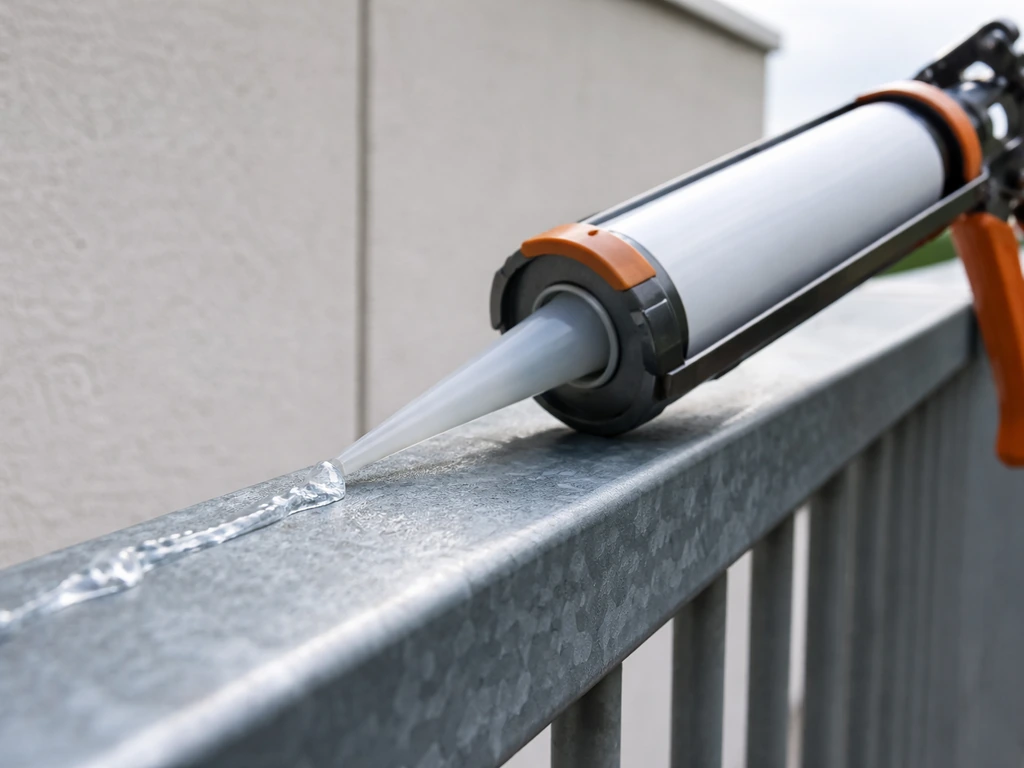
- Use a standard caulking gun. Most gel products (Bird-X Bird Proof Gel, 4 The Birds by Nixalite, and similar) come in cartridge tubes that fit a standard gun.
- Apply a continuous bead or evenly spaced discs along the top of the surface. For open ledges, a bead close to the front edge works well. Bird-X rates each tube at about 10 linear feet, so budget accordingly for longer runs.
- For wider ledges, apply two parallel beads rather than one, keeping them roughly evenly spaced across the width.
- For corners and nesting areas, tighten the spacing. Bird Barrier's spacing guidelines reference a maximum of 8 inches between Optical Gel disc placements; in corners used for nesting, go tighter than that.
- Do not apply so much gel that it forms a continuous sticky sheet that a small bird could become stuck in. The goal is deterrence through discomfort, not entrapment.
What good coverage looks like
Every potential foothold on the target surface should have gel within reach of a landing bird's feet. If there are gaps of more than 8 inches between beads or discs on a horizontal ledge, birds will find those clean spots and use them as a bridge to the rest of the surface. When you step back and look at the treated area, there should be no obvious clean strip where a bird could comfortably stand.
How long it lasts, weather limits, and when to reapply
Manufacturer claims vary. Bird-X markets Bird Proof Gel as effective for up to a year with minimal upkeep, which is possible under ideal conditions on a sheltered ledge. In the real world, expect closer to 6 to 9 months on exposed outdoor surfaces. Heat accelerates breakdown, UV exposure degrades the polymer, and dust, dirt, and bird debris all load up the gel and reduce its stickiness. In hot climates or south-facing surfaces in direct sun, inspect every 3 to 4 months.
Rain and frost don't destroy gel overnight, but repeated freeze-thaw cycles will gradually reduce adhesion. If you're in a cold climate, apply in spring or early summer so the gel has time to bond to the surface before winter. Avoid applying in temperatures below about 40°F (5°C) since the gel won't flow or adhere properly at low temperatures.
Check the gel every season. If it has turned brown or gray with debris and feels firm rather than tacky when you press a gloved finger to it, it's time to scrape it off, clean the surface, and reapply. Dirty, inert gel is worse than no gel because it no longer deters birds but can still trap small birds or insects.
Safety, legality, and bird welfare
This is the part most DIYers skip, and it matters. Polybutene-based gels are regulated as pesticides in the US under FIFRA, which means the product label is a legal document, not just advisory text. Always use the product exactly as the label states, including any required personal protective equipment. Verify that the specific product you're buying is registered through the EPA's Pesticide Product and Label System before applying it commercially or in sensitive environments.
The welfare risk with sticky gels is real and documented. RSPCA guidance on wildlife deterrents highlights that some deterrents can cause welfare harm if not installed or maintained properly, so monitoring and correct use are essential welfare risks with sticky gels. The EPA's reregistration materials for polybutene explicitly warn that small birds can become fatally entrapped in tacky repellent products. A peer-reviewed study on gel repellents and feral pigeons flagged concerns about adhesive effects including possible gluing of plumage. SPCA New Zealand's guidance specifically tells users to assess whether small, non-target birds use the area before applying any gel repellent, because those birds are at serious risk of getting stuck.
The rule of thumb: if songbirds, sparrows, finches, or other small birds regularly visit the area, gel is not the right tool. Use it only on surfaces primarily used by larger nuisance species like pigeons or starlings, where you can verify no small birds are landing.
In the UK and other jurisdictions with strong bird protection legislation, there's an additional layer of compliance. Historic England's guidance is clear that deterrent methods must not block birds from accessing active nests and must not trap, injure, or kill birds. If there's any chance an active nest is present on the target surface, stop and seek professional advice before applying anything. Nesting seasons and protected species vary by location, so check local wildlife regulations before you start.
When gel isn't enough: alternatives and what works alongside it
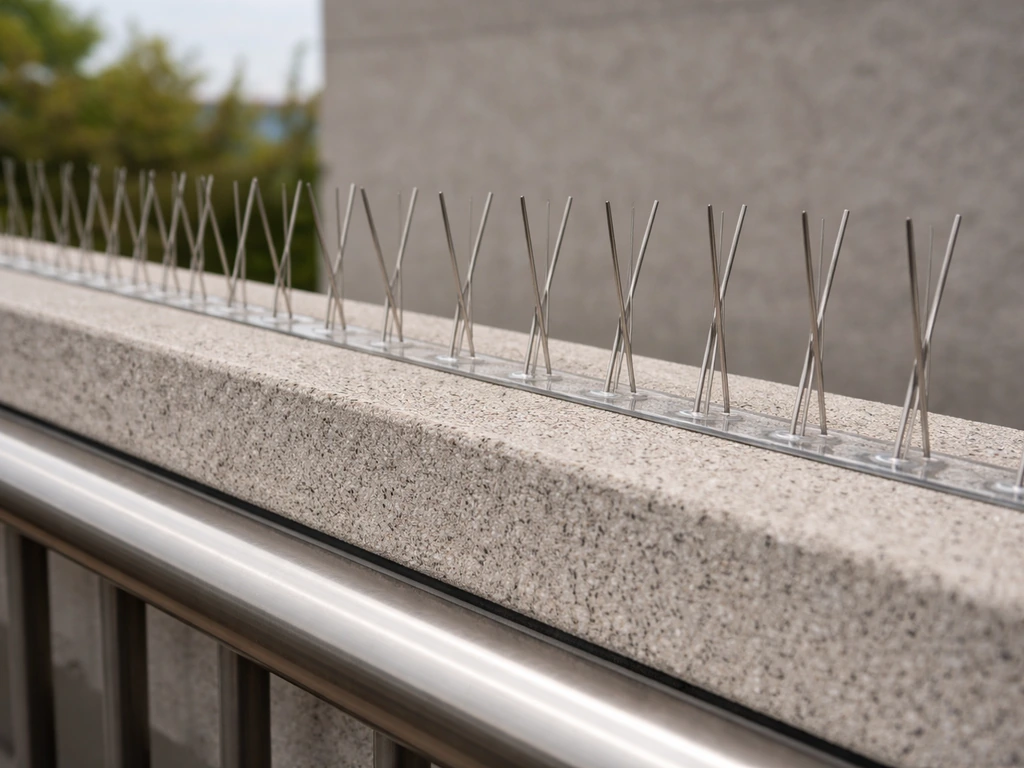
For heavily trafficked spots or locations where gel has already failed, combining it with a physical barrier or switching to a barrier entirely is the better move. Gel works on the principle that birds choose not to land. Physical exclusion means they literally cannot. The two approaches complement each other well.
- Bird spikes: The most direct alternative for ledges and railings. Stainless steel or polycarbonate spikes deny a landing platform completely. They work in high-pressure areas where gel gets overwhelmed, and they don't degrade with weather. Use them on any ledge wider than about 3 inches where you're fighting persistent pigeons.
- Bird netting: The gold standard for large areas like rooftops, courtyards, and under solar panels. Properly installed netting excludes birds entirely. It's more involved to install but delivers complete protection in areas gel can never cover adequately.
- Sonic and ultrasonic deterrents: Broadcast distress calls or predator sounds to make an area feel unsafe. These work best in open spaces where birds haven't firmly established a roost. They're less effective indoors or in enclosed spaces where sound reflects unpredictably.
- Visual deterrents: Reflective tape, predator decoys, and holographic strips create movement and light patterns that unsettle birds. They're low cost and useful as a complement, but birds habituate to static visual deterrents over time, so rotate or move them regularly.
- Bird repellent sprays: Spray-based chemical deterrents (usually methyl anthranilate or similar irritants) are useful for open areas like gardens and lawns where gel can't be applied to a surface. They need regular reapplication, especially after rain.
For most residential ledge and railing problems with moderate bird pressure, gel alone is a reasonable first try. Whether bird protectors work depends on where you apply the gel and how much bird pressure you have gel alone is a reasonable first try. If you're dealing with a roof, a large patio, an active nesting site, or an area with heavy feral pigeon activity, pair gel with spikes on the primary landing edges and consider netting for any enclosed or recessed areas. The gel handles secondary perching spots; the physical barriers handle the core problem. That combination covers most scenarios where gel on its own falls short.
If you want to explore spray-based options alongside gel, or understand how optical barrier technology works in more detail, those are worth looking at as complementary tools depending on your specific site. You can also make a bird repellent spray at home, but be sure it is safe for people, pets, and non-target birds before you apply it outdoors.
FAQ
If I only apply bird gel to one edge, does bird gel still work?
Probably not as a single solution. Gel only deters where birds make foot contact, so on large roofs or open patios birds can simply shift to untreated adjacent areas unless you can cover every likely landing path, including corners and recesses.
Does bird gel work on walls or vertical surfaces? Or is it only for ledges?
It can work briefly on vertical faces only in narrow, product-specific scenarios. In general use, applying gel to vertical surfaces (for example a typical wall or vertical sign panel) is a common failure mode because birds do not contact the gel in the same way they do on horizontal ledges.
I have pigeons, but I also see small birds. Should I still use does bird gel work there?
Check the area for non-target visitors before you apply. If you regularly see small songbirds, sparrows, or finches using the same perching spots, sticky gel creates an entrapment welfare risk and is usually the wrong tool, even if your target is pigeons or starlings.
How often do you need to reapply bird gel if it does work?
Yes, but gel is not maintenance-free outdoors. Expect reduced tackiness from UV and heat, and in exposed conditions inspect every 3 to 4 months in hot or sunny locations, then scrape and reapply when it turns brown or gray or feels firm.
What’s the biggest mistake that makes does bird gel work poorly?
Too little gel is a major reason it appears not to work. On horizontal ledges, ensure there are no obvious gaps you could step across comfortably, a practical check is to step back and look for any clean strips birds could use as a bridge.
Does bird gel work after winter, or will frost ruin it?
Yes, if freeze-thaw cycling is common. Repeated cold cycles can reduce adhesion gradually, so if you are in a cold climate, apply in spring or early summer and time reapplication around seasonal inspections rather than assuming it will last through winter.
Does bird gel lose effectiveness after rain?
Rain and frost do not usually remove gel overnight, but heavy contamination matters. Bird debris and dirt can coat the gel and reduce tackiness, so you may need cleaning and reapplication even if the gel is still present visually.
Birds stopped on the treated ledge, but they’re landing nearby. What should I do next?
If birds start landing elsewhere, gel has likely done its job on the treated spot. The fix is not to add random extra gel everywhere, it is to identify the next likely footholds and either treat those precisely with gel or switch to physical exclusion on the primary landing edge.
Can I use any “bird gel” I find online, or does bird gel work differently depending on the product label?
Start with the product label and the local rules for the area. Because polybutene gels are regulated as pesticides in the US, you should verify the specific product and follow required PPE and label conditions, especially if applying commercially or in sensitive environments.
When does bird gel stop being the right choice, and what is the better alternative?
If gel has already failed or traffic is heavy, physical exclusion typically gives more reliable results because it blocks access rather than just discouraging landing. A common approach is pairing gel for secondary perches with spikes or netting for the main landing and nesting zones.
Next Articles
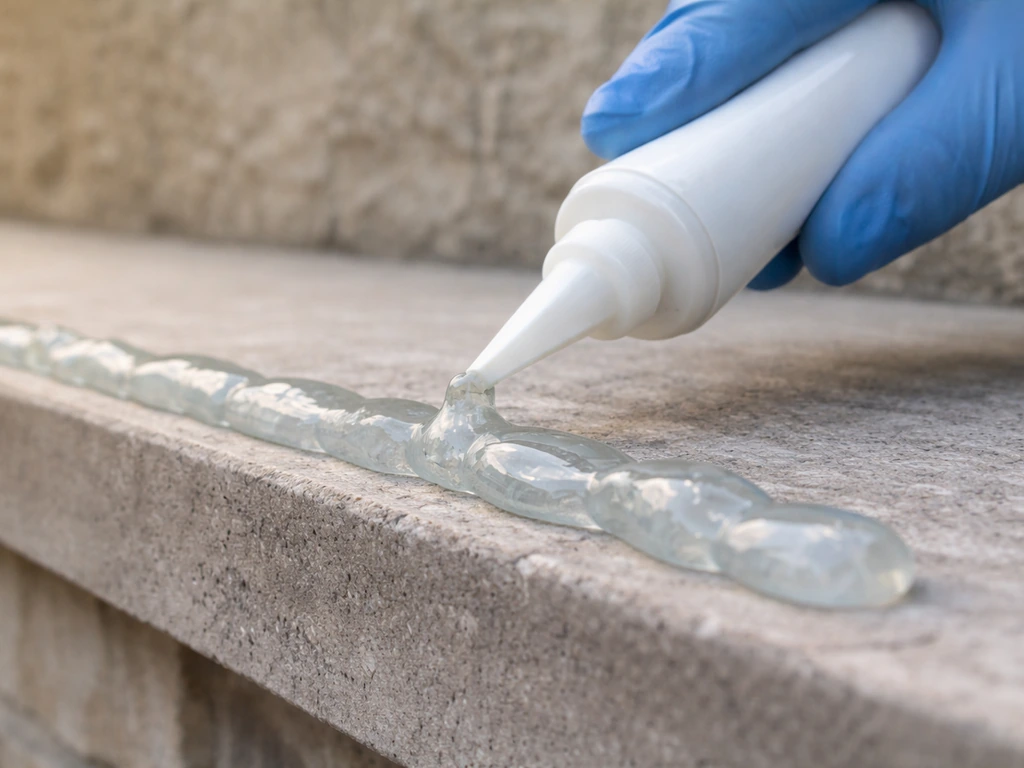
Does Bird Repellent Gel Work? Real Results, How to Apply
Find out if bird repellent gel works, how to apply it correctly, and when it fails versus safer combined deterrent optio
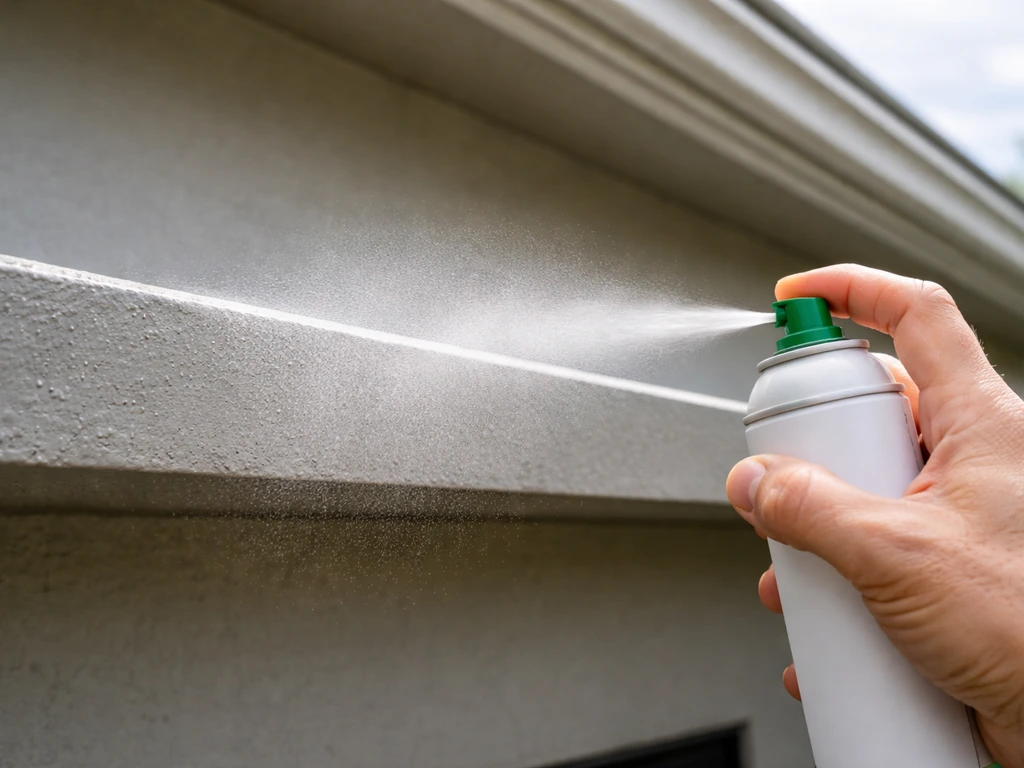
Does Bird Repellent Spray Work? Plus Tape Results
Find out does bird repellent spray work, why it fails, and how bird repellent tape compares for real sites.
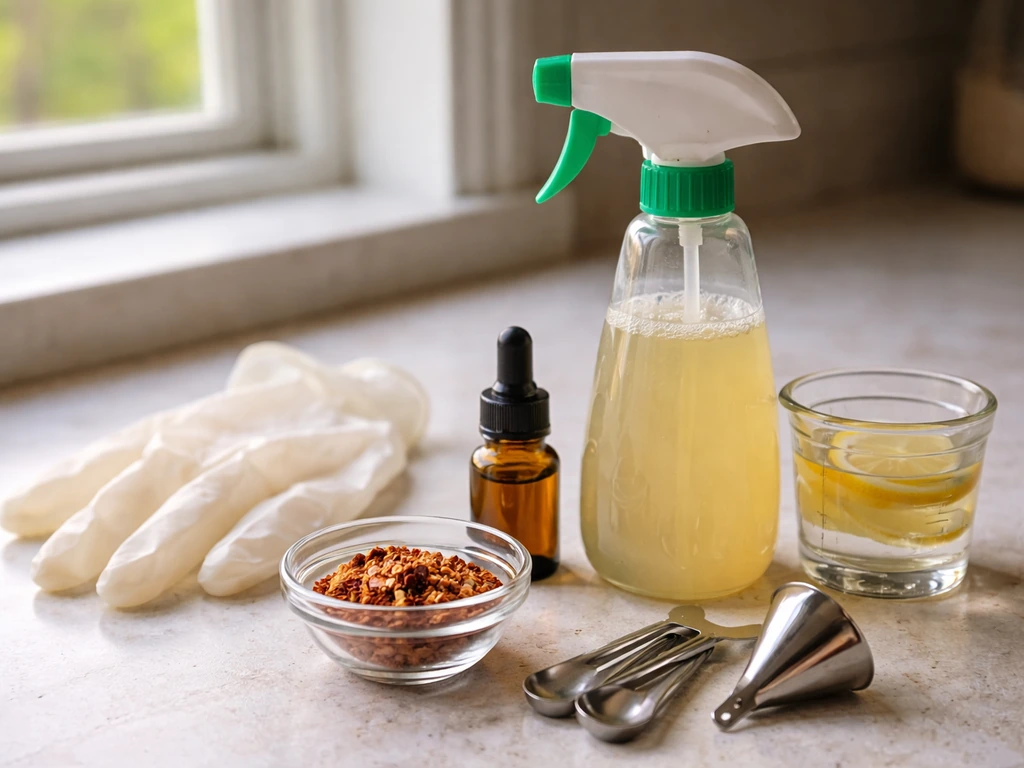
How to Make Bird Repellent Spray: DIY Recipes and Tips
DIY how to make bird repellent spray with safe ingredients, mixing ratios, step-by-step use, reapply timing, and trouble