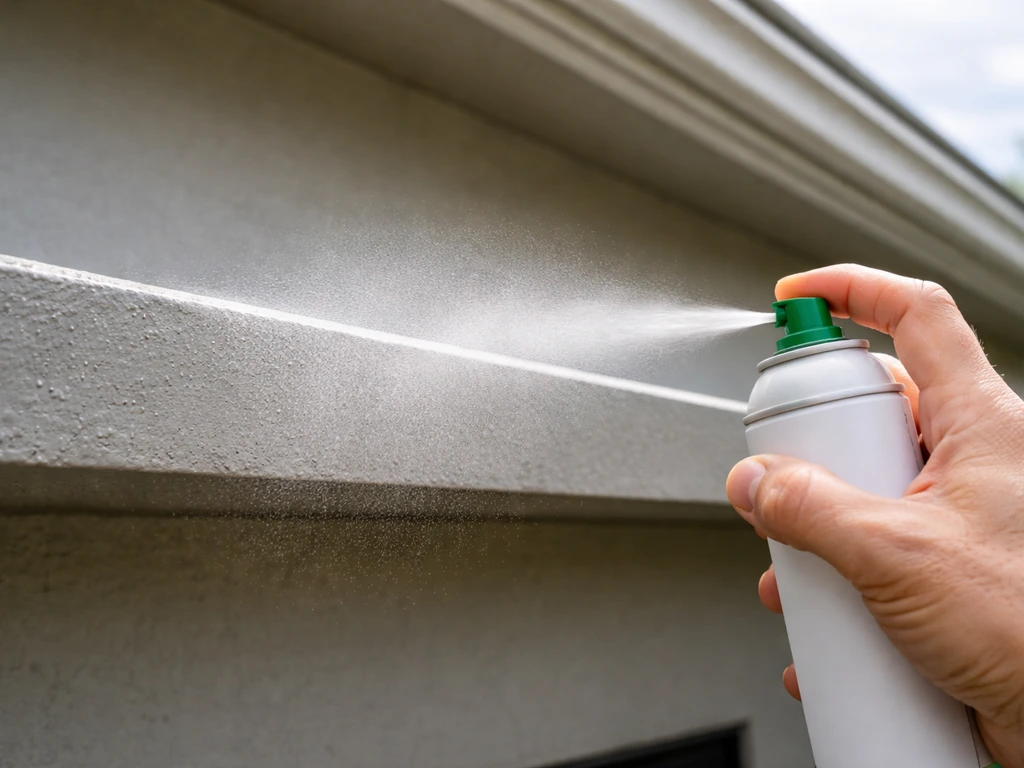
Bird repellent gel does work, but with real caveats. Sticky polybutene gels are genuinely effective at keeping pigeons, starlings, and similar birds off ledges and beams when applied correctly and consistently. Methyl anthranilate (MA) gels add a chemical irritant on top of the tactile discomfort. Both types can deter birds for weeks to months, but weathering, incomplete coverage, and the wrong product for the surface are the most common reasons people say the gel "didn't work." Used right and in the right situation, it's a solid tool. Used wrong, it's a waste of money and a potential mess.
Does Bird Repellent Gel Work? Real Results, How to Apply

Marcus Weatherby
13 Jun 2026
What bird repellent gel is (and where people use it)
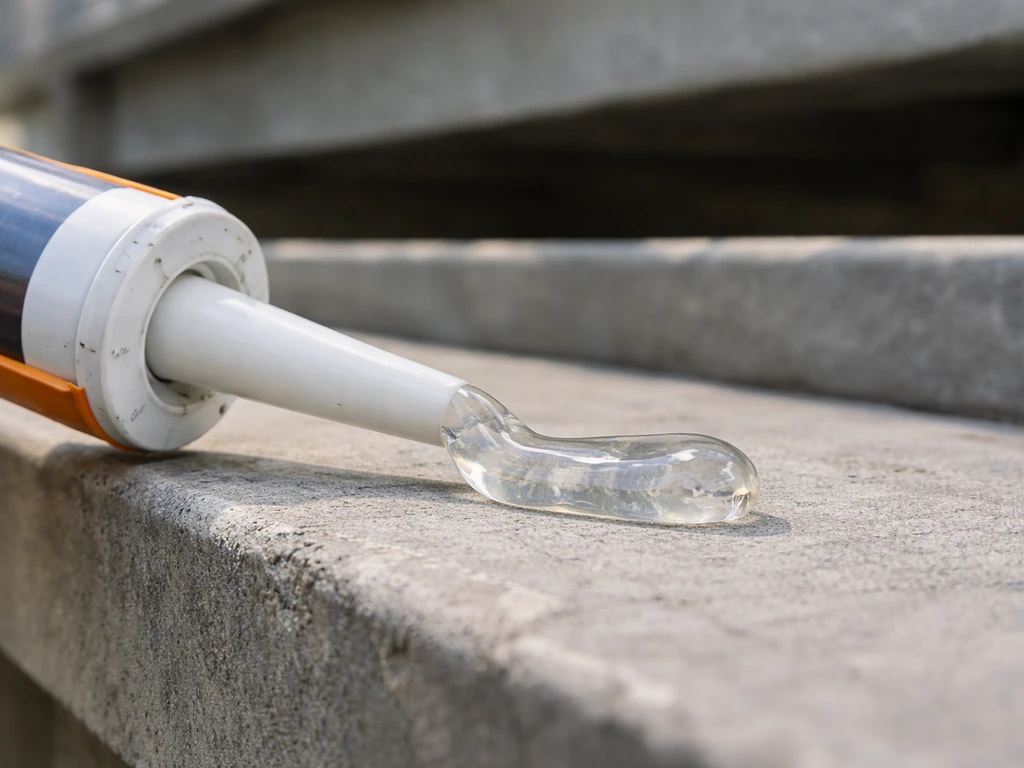
Bird repellent gel is a thick, sticky substance applied to surfaces where birds land, roost, or nest. The two main types are polybutene-based sticky gels and methyl anthranilate (MA) gels. Polybutene gels are the classic "tacky" product, think something like a very persistent non-drying adhesive that birds hate stepping on. MA gels use the chemical methyl anthranilate, the same compound that gives grape-flavored candy its smell, as an active irritant that affects birds' trigeminal chemoreceptors.
Both types come in caulk-style tubes or trays and are designed for surfaces like window ledges, parapet walls, I-beams, rafters, roof peaks, gutters, signs, and balcony railings. Residential users typically reach for gel when pigeons are fouling a balcony or starlings are roosting under a roof overhang. Commercial property managers use it on building facades, loading dock beams, and signage. It also shows up in agricultural settings, though with mixed results we'll cover below.
How bird repellent gel works
Polybutene sticky gels work purely through touch. Birds land, feel the unpleasant stickiness underfoot, and leave. Over repeated visits they associate that surface with discomfort and stop landing there. Manufacturers like Bird-X claim birds "learn not to return" to treated surfaces, and there's real behavioral logic behind that: the discomfort is consistent and tied directly to that specific spot.
Methyl anthranilate gels add a sensory layer beyond touch. MA irritates the trigeminal chemoreceptors in birds' beaks, eyes, gizzards, and mucous membranes. Researchers compare the response to how people react to chili pepper extract, it's a reflexive aversion, not just mild discomfort. Some products marketed as "optical gel" combine MA with visual and scent cues, hitting birds through multiple sensory channels at once. To understand how bird barrier optical gel works, look at how it uses multiple cues beyond stickiness to discourage landing and return behavior. That multi-sensory approach tends to be more persistent than single-mechanism deterrents.
Neither type harms birds under normal application. The goal is aversion, not trapping or injury. That said, there is one important exception with polybutene gels: if applied too thickly or in the wrong location, small birds can become fatally entrapped in the sticky material, which is both a welfare problem and a compliance issue in many jurisdictions. More on that below.
Does bird repellent gel actually work? Real-world effectiveness and its limits
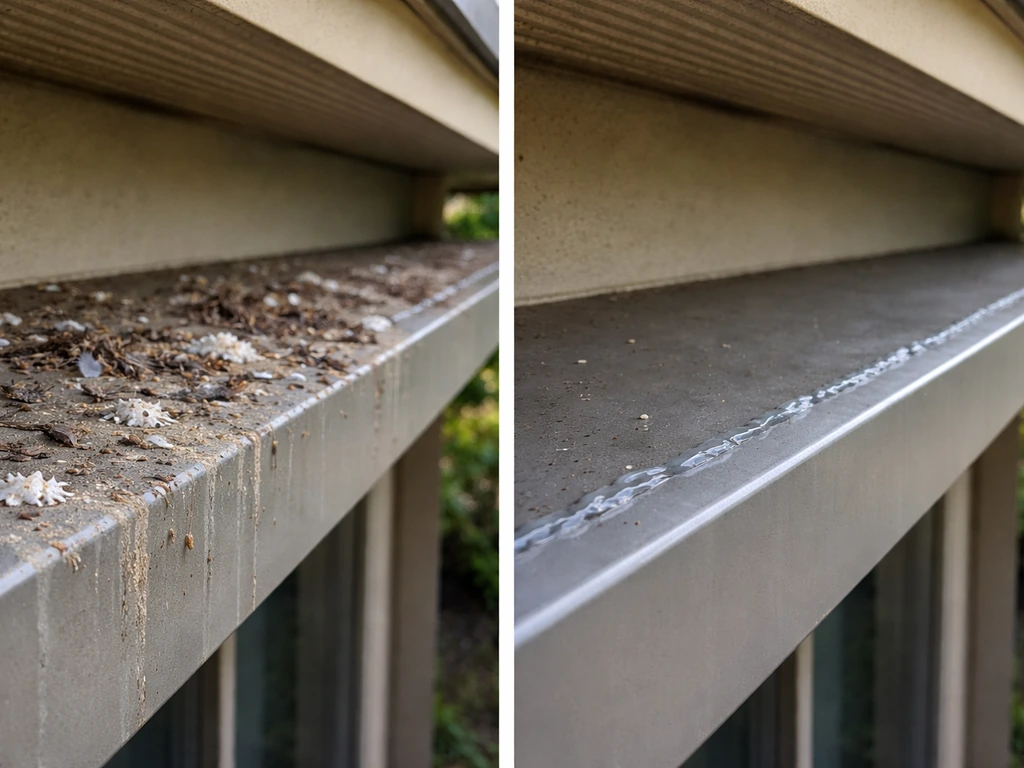
For ledges, beams, and defined perching surfaces, yes, sticky polybutene gel works reliably when applied as directed. If you're wondering does bird gel work on your exact ledge or perching surface, sticky polybutene gel reliably helps when applied as directed. A single tube covers about 10 linear feet, and most brands claim up to a year of effectiveness under normal conditions. That's a reasonable expectation for a sheltered interior surface like a warehouse rafter. For exposed exterior surfaces, you'll likely see that timeline shrink considerably.
MA-based gels have a spottier track record in field conditions. The chemistry is sound but the delivery is the problem. Research shows MA dissipates rapidly under UV exposure, specifically within about 64 hours under sunlight, which explains why outdoor applications often fail faster than expected. A three-state field trial of MA on blueberry crops using weekly applications found no meaningful difference in bird damage compared to untreated controls, and some leaf discoloration was noted. At the same time, controlled trials with free-ranging gulls and captive mallards showed MA kept birds away from water pools for 4 to 11 days, so the compound does work under the right delivery conditions.
The pattern from research is consistent: formulation and environmental conditions are everything. MA works when it stays where it's applied. When it evaporates or washes away quickly, efficacy drops to near zero. Polybutene gels don't have the same volatility problem but they do degrade, collect dust and debris, and eventually lose their tackiness, particularly in dusty industrial environments or after heavy rain.
Habituation is a separate failure mode. Visual deterrents that rely on novelty (like certain optical gel products with visual elements) can lose effectiveness as birds acclimate. Studies on starlings show even initially aversive visual stimuli can lose their deterrent effect with prolonged exposure. Pure tactile and chemical aversion systems are less prone to this than novelty-based visual cues.
The biggest practical failure point, though, is incomplete coverage. Birds will simply find the untreated section of a ledge and roost there. Manufacturers explicitly note that all landing places on an entire building should be treated for best results. If you treat three ledges and leave two untreated, you haven't solved your problem, you've just moved it slightly.
How to choose the right bird repellent gel
The product you pick should match your surface, environment, and target species. Here's how to think through the main variables:
| Factor | Polybutene Sticky Gel | Methyl Anthranilate (MA) Gel |
|---|---|---|
| Primary mechanism | Tactile discomfort | Chemical irritation (taste/smell/touch) |
| Best surfaces | Ledges, beams, rafters, rails | Broader surfaces, water areas, turf edges |
| Outdoor UV durability | Moderate (degrades over months) | Poor (can dissipate within 64 hours in direct sun) |
| Small bird entrapment risk | Yes, if over-applied | Minimal |
| Reapplication frequency | Every 6–12 months (sheltered) | More frequent outdoors |
| Multi-sensory deterrence | No | Yes (some products add visual/scent cues) |
For ledges on sheltered building exteriors or interior spaces, polybutene gel is usually the more durable choice. For open outdoor areas, a liquid or fogging MA product may outperform a gel because the delivery system is better matched to the environment. If you're targeting a specific bird species, check whether that species responds strongly to MA. Most passerines and pigeons do; some species show less sensitivity.
Look for products with clear coverage specs (a standard tube should cover around 10 linear feet), a known active ingredient listed on the label, and surface-specific application instructions. Products that list polybutene or methyl anthranilate by name and include a Safety Data Sheet are a better bet than vague "natural repellent" claims with no chemistry disclosed.
How to apply bird repellent gel correctly
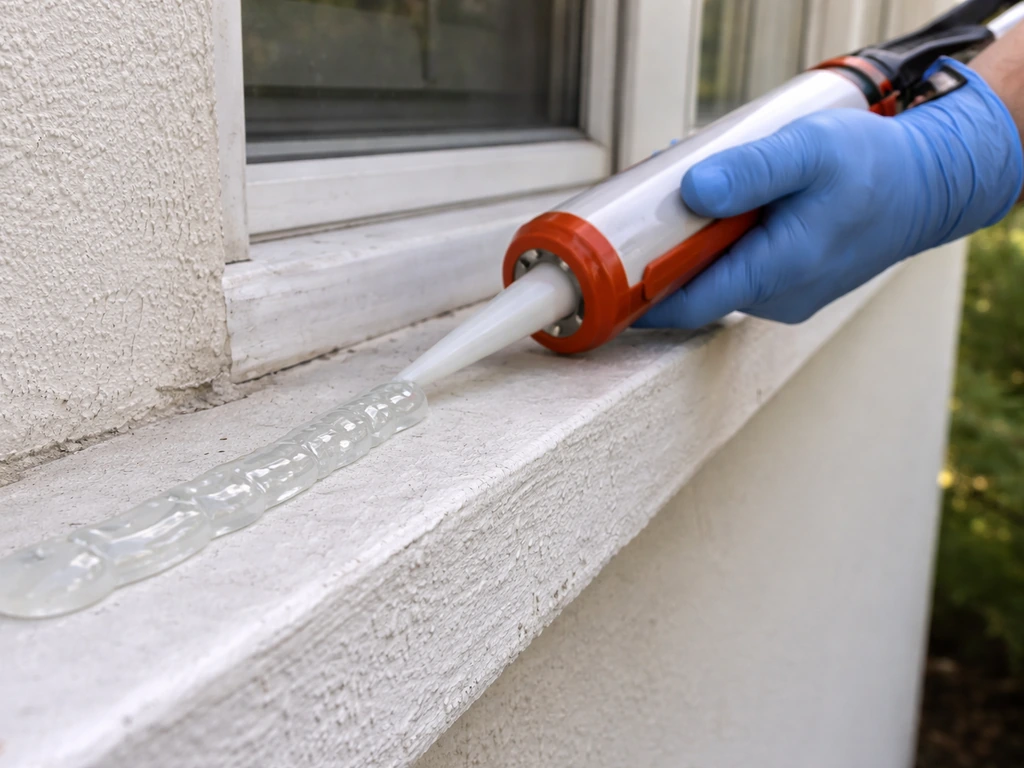
Application quality is where most DIY users go wrong. If you want a quick, practical checklist for how to apply bird repellent gel step by step, follow the instructions in the guide for best coverage and placement. Getting this right makes the difference between gel that works for a year and gel that fails in two weeks.
Step-by-step application guide
- Remove all nests, droppings, loose paint, and debris from the target surface. Birds are less deterred by the gel if there's already a layer of fouling between the gel and their feet, and the gel won't bond well to dirty surfaces.
- Disinfect and let the surface dry. Bird droppings carry pathogens, so wear gloves and a mask during cleanup. Allow the surface to dry completely before applying gel.
- Seal porous surfaces before applying. On bare stone or unpainted wood, apply a sealer first (shellac, a 50% white glue solution, or silicone) so the gel adheres rather than soaking in. Skipping this step on porous materials is a common cause of early failure.
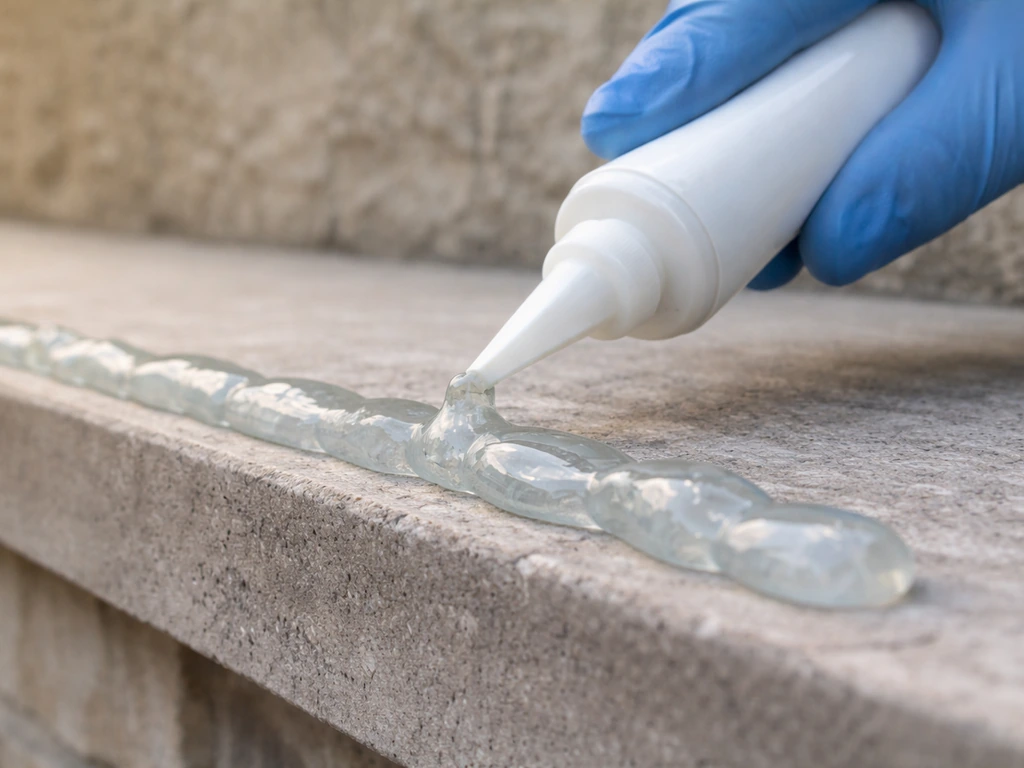
- Load the tube into a standard caulk gun and apply a bead roughly 3/8 to 1/2 inch wide along the center of the landing surface. For narrow ledges, one bead down the center is usually sufficient. For wider ledges (over 3 inches), apply two parallel beads.
- Cover all potential landing points continuously. Don't leave gaps. A bird only needs a few inches of untreated ledge to settle in. Treat the full length of every ledge, rail, or beam in the problem area.
- For gutters, roof peaks, and trim, apply along the outer edge where birds typically grip. Follow the manufacturer's specific guidance for narrow architectural elements.
- Label or note the application date. Most manufacturers recommend inspection every 6 to 12 months for sheltered surfaces, more frequently for exposed outdoor locations.
- Reapply when the gel has dried out, turned dusty, or collected so much debris that it no longer feels tacky. In dusty environments or direct sun, this can happen in as little as 3 to 6 months.
Timing matters more than most people think. Apply before birds have fully established a roosting routine at a location. Once pigeons or starlings have been using a spot for months, you may need to combine gel with other deterrents to break the habit. Applying right after cleaning is ideal because birds are more likely to try fresh landing spots when their existing site looks and smells different.
Safety, legal, and nuisance considerations
Polybutene gel is generally low-toxicity. The main hazards are skin and eye irritation on contact, so wear nitrile gloves and safety glasses when applying. If gel gets in your eyes, flush thoroughly with water and seek medical attention if irritation doesn't clear quickly. The same basic precautions apply to MA-based products, which can cause moderate eye and skin irritation.
Keep pets away from fresh gel. A curious dog or cat that steps in a polybutene gel application and then licks their paws will have a bad time, and the gel is very difficult to remove from fur. Once cured and undisturbed, the exposure risk drops significantly, but during and right after application, keep animals clear of the area.
Do not apply gel near food preparation areas or surfaces that come into contact with food. Even low-toxicity formulations are not intended for food-contact surfaces. Similarly, avoid applying near vegetable gardens or edible plants, both out of general caution and because some MA formulations have been associated with plant discoloration at high concentrations.
The small bird entrapment issue is serious. Polybutene gel applied too thickly, especially in areas frequented by sparrows, finches, or other small songbirds, can trap and kill them. This creates both an ethical problem and a legal one: most wild birds in the US are protected under the Migratory Bird Treaty Act, and killing them accidentally through improper deterrent use can carry penalties. Apply gel in the recommended bead thickness only, never as a thick coating, and check treated areas periodically.
In some areas, local ordinances or property agreements may restrict or require specific types of bird control. If you're managing a commercial property, check local wildlife regulations and consult your building manager or pest control professional before large-scale gel application.
When gel isn't enough: alternatives and combined strategies
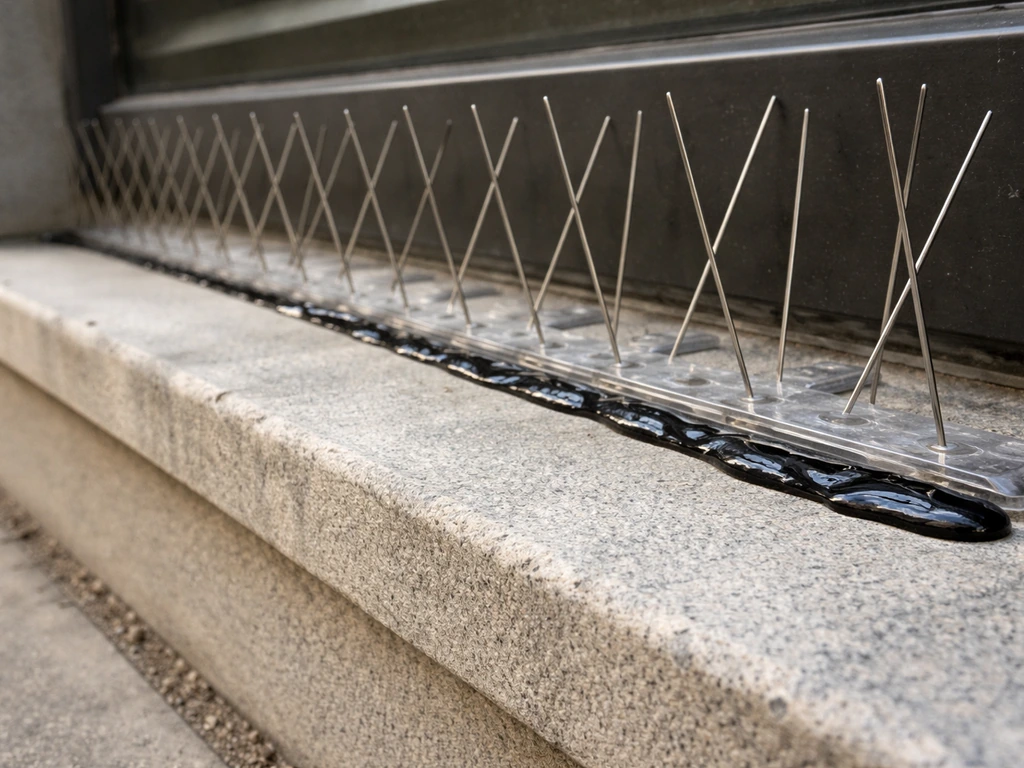
Gel works best as one layer of a multi-method approach, not as a standalone fix for serious infestations. If you've applied gel correctly and birds are still getting through, or if the infestation is large, here's how to think about layering in other methods.
Physical barriers
Bird spikes are the most durable solution for ledges and parapets. They physically prevent landing without relying on aversion, so there's no habituation and no reapplication schedule. Spikes work best on pigeons and larger birds; smaller species can sometimes nest between spike rows. Bird netting is the most comprehensive option for completely excluding birds from a space like a loading dock, roof plant area, or patio overhang. It's more expensive and labor-intensive to install but effectively solves the problem long-term.
Sonic and ultrasonic deterrents
Sonic devices broadcast predator calls or distress signals that disturb roosting birds. They work best in open areas and need to be rotated or varied to prevent habituation. Ultrasonic devices are marketed heavily but have weak evidence for effectiveness with most bird species, since birds don't hear in the same ultrasonic ranges that repel rodents. Sonic deterrents are more credible but work best when combined with other methods rather than used alone.
Visual deterrents
Reflective tape, predator decoys, and scare balloons can be effective initially, especially in open outdoor areas. The key word is "initially." Research consistently shows birds habituate to static visual deterrents within days to weeks. Moving or rotating decoys and combining them with other deterrents extends their usefulness. Products like reflective spinning devices work better than static owl decoys for this reason.
Liquid and spray repellents
MA-based liquid repellents can cover larger surface areas than gel and work well on turf, crops, and water features where gel application isn't practical. Many people also ask whether bird repellent spray works, but results depend heavily on the formulation and reapplication schedule. They need more frequent reapplication, especially outdoors. They're a useful complement to gel in a broader bird management plan, particularly when the goal is keeping birds off grass areas or ponds alongside treating architectural perching points with gel. If you specifically want to make bird repellent spray at home, you can use safe, effective deterrent formulations and proper mixing and application steps to avoid wasting product.
The most effective bird control plans combine a physical barrier or gel on the specific perching surfaces with a broader area deterrent (sonic, visual, or liquid spray) to discourage birds from approaching the building or site in the first place. Gel closes off the landing spots; the broader deterrent reduces how many birds are trying to land in the first place. That combination gives you much more consistent results than either method alone.
FAQ
Does bird repellent gel work on nests, not just on ledges?
Yes, but only in narrow scenarios. Gel is meant for specific landing and roost contact points, so if birds are feeding or nesting elsewhere, the gel won’t stop that behavior. For flying birds, the “contact surface” must be exactly where they land, and you may still need a second method to reduce approach and return visits.
Will gel get rid of an active nest or stop birds from returning to the nest site?
Usually not. Gels are repellent, not nest removal products, so they may not reach birds inside an active nest and may only deter adults from that exact spot. If you see active nesting, the safer approach is to use exclusion measures and avoid disrupting active nests during protected periods in your area.
How can I tell if the gel is working (or failing) before I keep reapplying?
Look for three signs: you applied continuous coverage along the full landing zone, the bead thickness matches the label, and the birds keep checking and then stop landing within a few days. If you see birds walking around or hopping onto untreated sections, it’s almost always a coverage or placement gap rather than “gel doesn’t work.”
How often should I reapply bird repellent gel?
Reapply only when the product is visibly degraded or per the label, because excessive reapplication can increase mess and, for polybutene, the risk of entrapment from thicker-than-recommended application. A better move is to first correct coverage and placement, then reapply to those treated contact lines only.
Will bird repellent gel work on dirty or weathered surfaces?
If the surface is dusty, wet, or chalky, the gel may not adhere well, which reduces tack and causes gaps. Clean and dry the area before application, and avoid applying during rain or heavy dew, because water film and grime can create untreated channels.
Can I use bird repellent gel near food areas or kitchen surfaces?
You generally should not. Gel can be difficult to remove and it can leave residues on some materials, and many labels warn against food-contact and surfaces that contact food. If you are unsure whether an area touches food (like barbecues, counter edges, or near feeding stations), choose a different deterrent and keep gel off those zones.
Does bird repellent gel work for every bird species?
Yes, but don’t assume it works equally for all species. Some passerines, pigeons, and starlings respond well, while other species may show weaker reactions to methyl anthranilate or may ignore tactile discomfort in certain behaviors. If you can identify the species, match the active ingredient to that target, otherwise expect mixed results.
Why does MA gel seem to stop working faster than polybutene gel outdoors?
MA gels can fail outdoors because the compound dissipates under UV and weathering, even if you apply correctly. Polybutene gels tend to hold tack longer, but outdoor dust and heavy rain can still degrade performance. If you’re in a very exposed sun-and-rain location, switching product type may matter more than applying more often.
What if birds keep landing just next to the treated area?
If birds are nesting under an overhang, you often need to treat the specific beams and soffit edges they land on, not just the “general area.” Birds will find adjacent untreated surfaces to roost on, so map the full approach and landing line they use and treat continuously across it.
Is it safe for small birds if I use polybutene gel?
Avoid thick layers. Polybutene should be applied in the recommended bead thickness, and you should not mound it at edges or in crevices where small birds can get stuck. If you have frequent small-songbird activity in the area, periodic checks become especially important.
What happens if I accidentally get gel on my clothes, furniture, or railing?
Yes, but treat it as a window-cleaning residue problem. Even though the gel is not intended for food-contact surfaces, accidental contact with household items can leave residue. Remove from hands and skin with proper washing, use gloves during application, and clean non-target surfaces promptly while gel is fresh (follow the product guidance).
If gel worked for a short time and then stopped, what should I do next?
In many cases, gel alone won’t fix a long-established routine. If birds have used the spot for months, combine gel with a barrier or a broader deterrent that changes how they approach (like netting on enclosed areas, spikes on perching lines, or a second active method).
Can pets get sick from bird repellent gel or bring it inside?
Yes, but you should stop if you see damage risk. Both bird deterrents can irritate skin and eyes, and pets can carry gel into indoor areas by licking paws. Keep animals away during application and ensure the area is cured and undisturbed before allowing pets back.
Next Article
Does Bird Repellent Spray Work? Plus Tape Results
Find out does bird repellent spray work, why it fails, and how bird repellent tape compares for real sites.