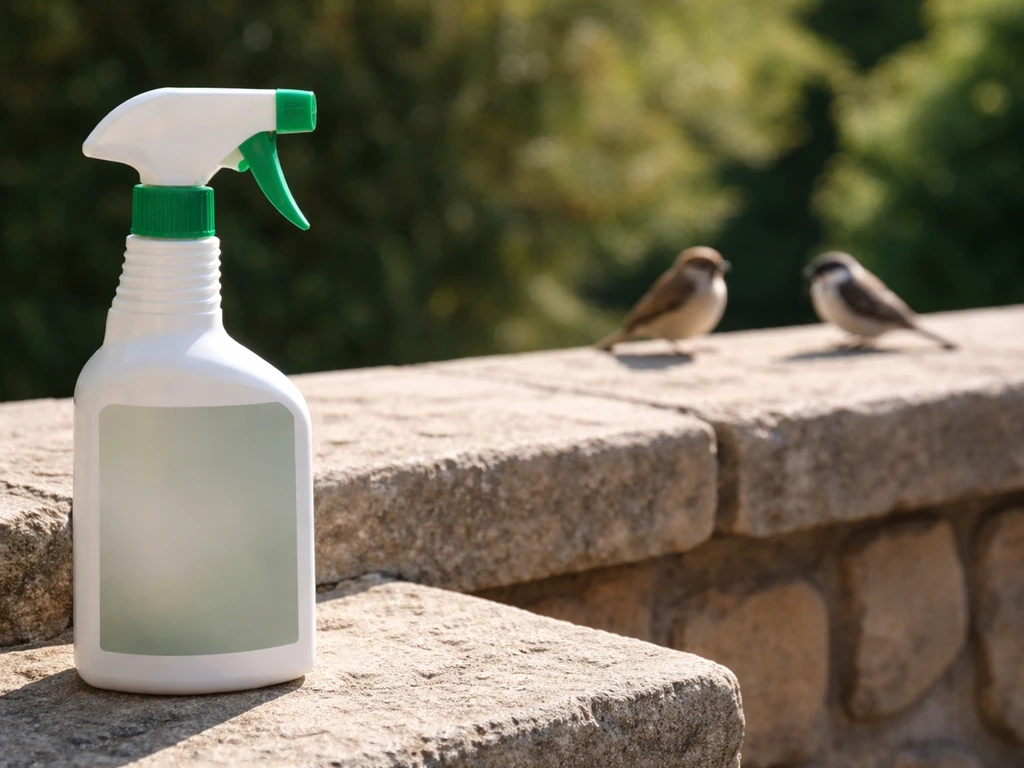
For most residential situations, a combination of physical deterrents (spikes or netting) paired with a visual or chemical repellent gives you the best results. If you want a single product to start with, a methyl anthranilate-based spray works across nearly all bird species and locations, while reflective visual deterrents like flash tape or predator decoys handle lighter pressure situations on patios and gardens. The honest truth is that no single repellent works perfectly on its own forever, but picking the right one for your specific bird and location gets you 80% of the way there.
What’s a Good Bird Repellent: Best Options by Location

Marcus Weatherby
16 May 2026
First: Figure Out Where the Birds Are Actually Landing
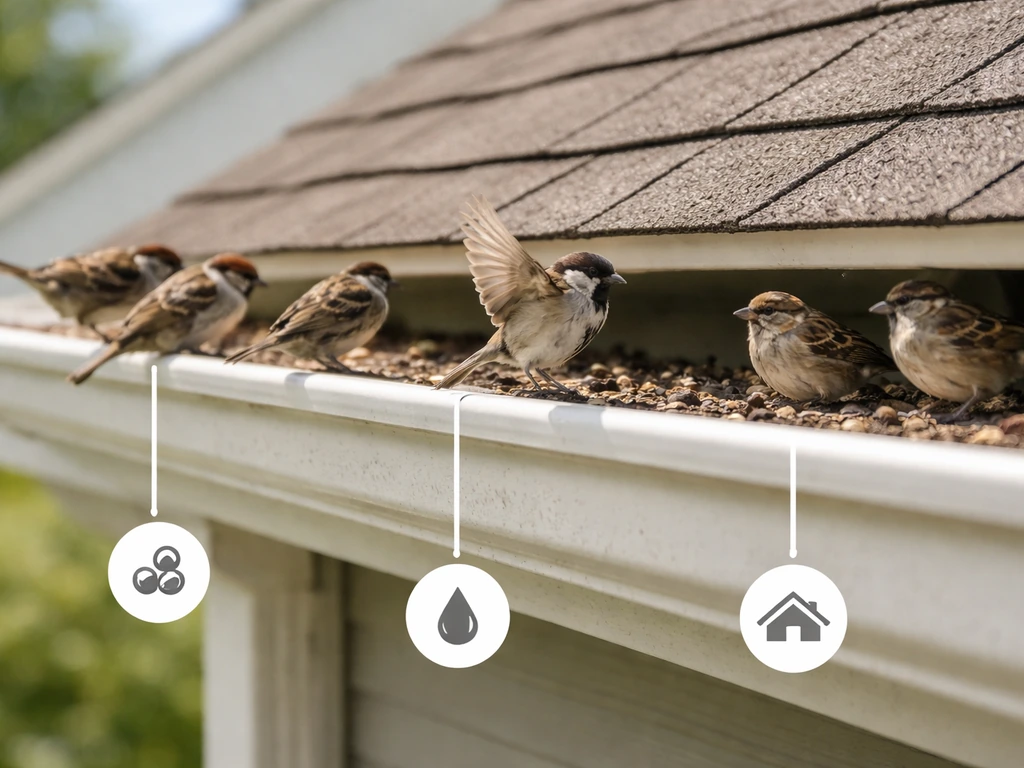
Before buying anything, spend a few minutes diagnosing the problem. Birds aren't random. They're using your property for one of three reasons: food, water, or shelter. Each one calls for a different fix.
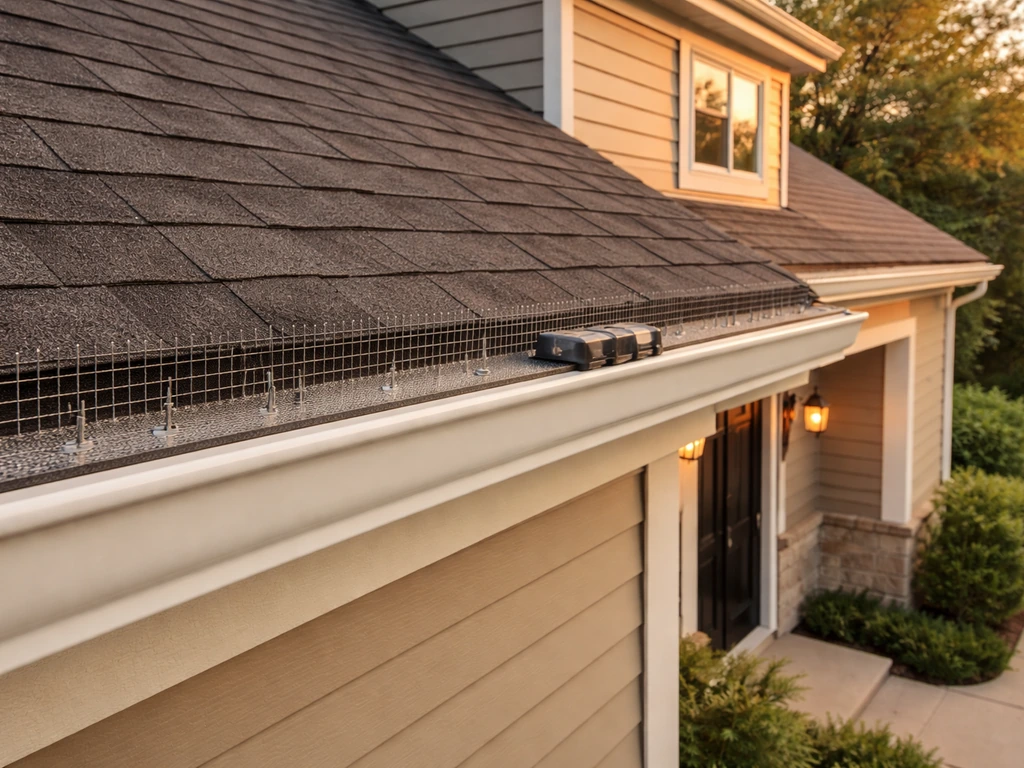
- Ledges, rooftops, and gutters: Birds are roosting or loafing here. They want a high, flat surface to rest on. Spikes, wire systems, and angled surface attachments work best.
- Gardens and fruit trees: Birds are feeding. Netting or a chemical spray like methyl anthranilate is your most reliable tool here.
- Patios and pool areas: Birds are attracted to water, food scraps, or simply open perching spots. Visual deterrents and sound devices can help, but consistent food/water removal is step one.
- Windows and glass: Reflection confusion or territorial behavior. Window decals, external screens, or UV-reflective film address this specifically.
- Solar panels: Birds (especially pigeons) are nesting underneath. This almost always requires physical exclusion mesh, not repellents.
- Chimneys and vents: Nesting. Cap them. Repellents alone won't solve this.
Once you know what the birds are doing and where, you can match the deterrent to the actual behavior instead of guessing.
Know Your Bird: Not Every Repellent Works on Every Species
Different species respond to repellents very differently, and choosing the wrong approach wastes money and time. Here's a quick reality check on the most common offenders.
| Bird | Main Problem | What They Respond To | What Rarely Works |
|---|---|---|---|
| Pigeons | Roosting on ledges, nesting under solar panels | Spikes, exclusion netting, angled surfaces, sticky gels | Sound devices, visual decoys (habituate quickly) |
| Starlings | Flocking on rooftops, competing with native birds | Methyl anthranilate sprays, netting over entry points | Single visual decoys alone |
| Sparrows | Nesting in vents and eaves | Physical exclusion, vent caps | Most chemical sprays (too small to be deterred easily) |
| Woodpeckers | Pecking siding or fascia boards | Visual flash tape, predator decoys, sound deterrents | Chemical sprays (ineffective on this behavior) |
| Geese | Feeding on lawns, fouling near ponds or pools | Methyl anthranilate lawn sprays, landscape barriers, border collies | Spikes, ultrasonic devices |
| Crows | Scavenging near trash, noise | Effigy deterrents (dead crow decoys), sound devices | Sticky gels, simple visual decoys |
| Seagulls | Rooftop roosting, dumpster raiding | Spikes on ledges, Avishock electric track systems | Ultrasonic devices, light visual deterrents |
The key insight here is that pigeons and starlings habituate to visual and sound deterrents faster than almost any other species. If you're dealing with either of those, you'll need something physical or chemical to back up any visual approach.
Best Repellent Options by Scenario
Visual Deterrents
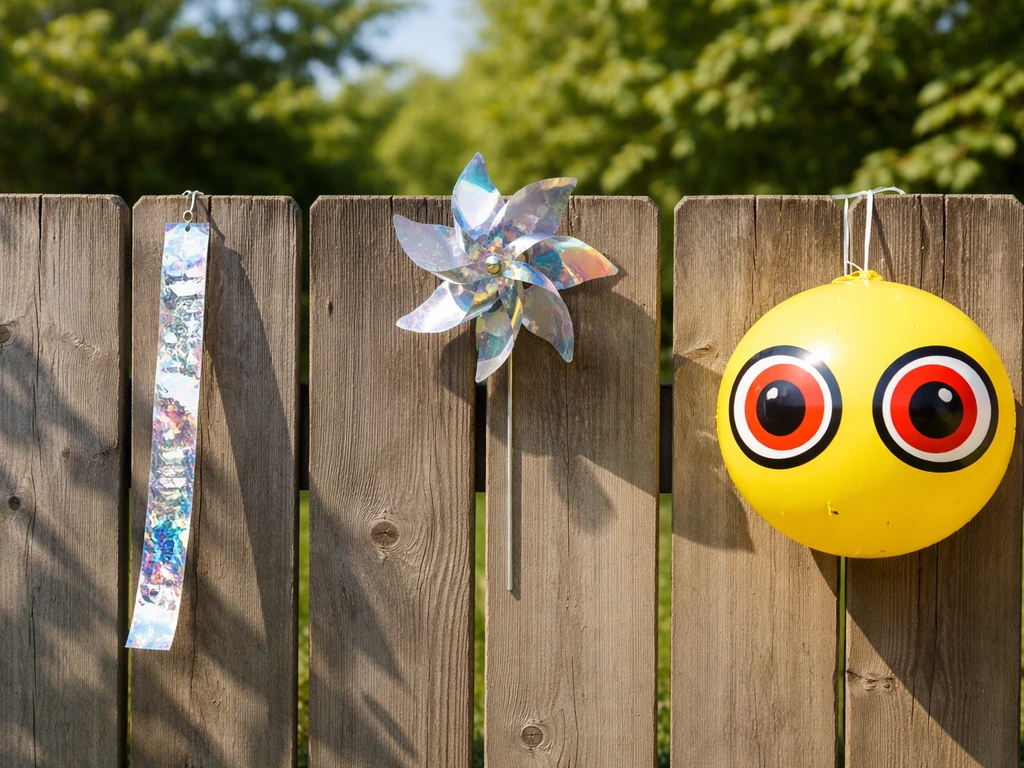
Visual deterrents include reflective tape, predator decoys (owl or hawk shapes), holographic pinwheels, and predator eye balloons. They're inexpensive and easy to install, making them a good first attempt for gardens, balconies, and patios. The problem is habituation: birds figure out a static owl isn't real within days to a few weeks. To extend effectiveness, move decoys regularly, use motion-activated versions, and combine them with another deterrent type. Flash tape works better in windy spots because the constant movement and noise adds a startle element. Don't rely on visual deterrents alone for persistent or heavy bird pressure.
Sound and Ultrasonic Deterrents
Audible sound systems that play distress calls or predator sounds can be effective, especially for geese, starlings, and migratory birds. The better units allow you to rotate calls automatically and adjust volume, which slows down habituation. Ultrasonic devices (frequencies above human hearing) are widely sold but have very limited real-world evidence of effectiveness outdoors. Birds' hearing is not significantly more sensitive than ours in the ultrasonic range, and open outdoor spaces dissipate the sound too quickly to cause consistent aversion. Skip ultrasonic devices for outdoor use and stick with audible systems if you want a sound-based option.
Chemical Repellents
Methyl anthranilate (MA) is the most widely used and best-supported chemical bird repellent. It's derived from grapes and works as a contact irritant affecting birds' trigeminal nerve, which causes discomfort without harming them. It's registered as a pesticide by the EPA and used in everything from lawn and turf sprays to fog applications at airports. OSU Extension identifies it as the most popular chemical deterrent for controlling bird feeding activity. It affects all bird species, which makes it versatile. You'll find it in spray concentrates for turf and garden use, and it's particularly effective against geese on lawns and starlings in orchards and vineyards.
Sticky gel repellents (polybutene-based) are applied to ledges and surfaces to make landing uncomfortable. They work, but they're messy, trap insects and debris, and can harm small birds if applied too thickly. Use them only on ledges and in thin layers, and expect to reapply every 6 to 12 months depending on weather exposure.
Physical Exclusion (Often the Most Reliable)
Bird spikes, porcupine wire, exclusion netting, and angled surface attachments aren't repellents in the chemical or sensory sense, but they're often the most reliable long-term solution, especially for roosting and nesting problems. blank" rel="noopener noreferrer">Utah State University Extension specifically recommends sloped surfaces and exclusion devices like spikes and netting as core pest-prevention tools. For solar panels, gaps under eave overhangs, and vents, physical exclusion is usually the only approach that works permanently.
How to Pick the Right Product: What to Actually Look For
Walk into any hardware store or search online and you'll find dozens of bird repellent products making bold claims. Here's what actually matters when choosing one.
- Active ingredient transparency: For chemical sprays, look for methyl anthranilate on the label. Avoid products that list only 'proprietary blend' with no specifics.
- EPA registration: Legitimate chemical bird repellents sold in the US should carry an EPA registration number. This tells you the product has been reviewed for safety and efficacy claims.
- Weather resistance: For outdoor use, check that the product specifies outdoor or weatherproof use. Many cheap sprays wash off after the first rain and need weekly reapplication.
- Coverage area per application: Concentrated MA sprays typically cover large turf or garden areas per diluted gallon. Read the label for reapplication intervals, usually every 2 to 4 weeks for turf.
- Motion and randomization for sound systems: A sound deterrent that plays the same call on a fixed loop becomes background noise to birds within a week. Look for systems with multiple calls and randomized playback.
- Spike or netting gauge for physical products: Heavier-gauge stainless steel spikes outlast plastic versions by years in outdoor conditions. UV-stabilized polycarbonate is acceptable for lighter pressure situations.
Installation and Application: Getting Coverage Right
Most repellent failures come down to poor coverage or incorrect application, not the product itself. Here's how to avoid the most common mistakes.
Chemical Sprays
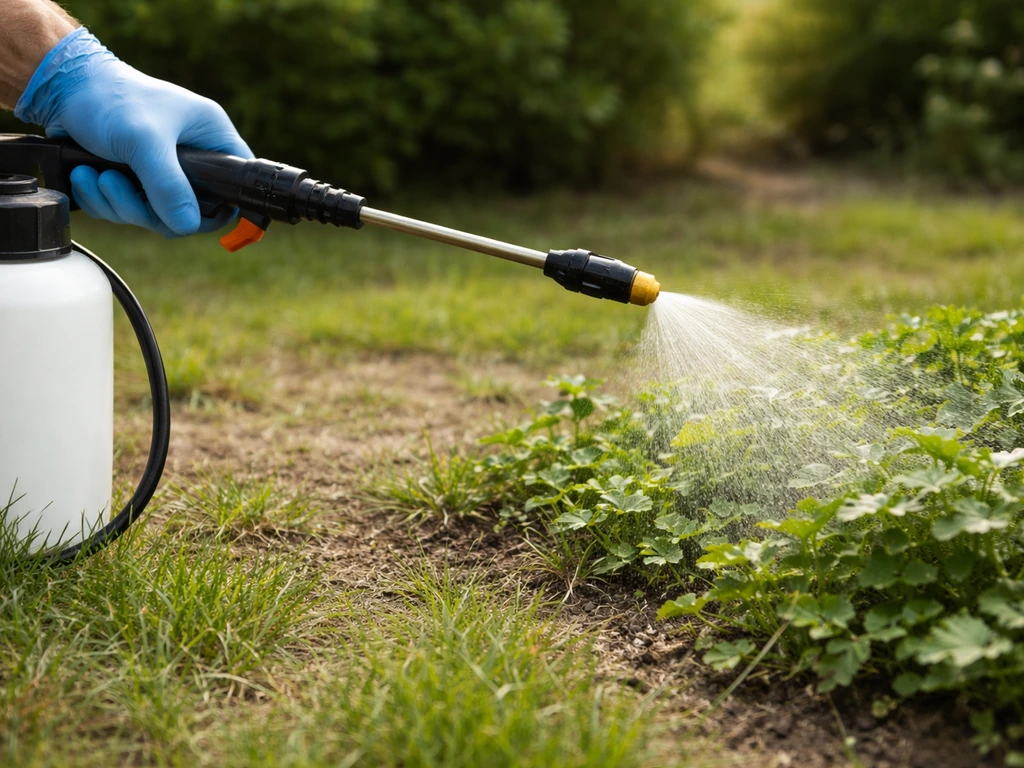
Apply methyl anthranilate sprays to turf or garden foliage when the area is dry and no rain is expected for at least 24 hours. Full coverage matters: missed patches let birds find a foothold and they'll work the edges. Reapply after heavy rain or every 2 to 4 weeks during active feeding pressure. For large areas, a backpack sprayer is more effective than a handheld bottle. Early morning application works well because birds are typically most active at that time and encounter treated surfaces on first contact.
Visual and Sound Devices
Place visual deterrents at the entry or landing point, not just near the problem area. If pigeons are landing on a specific ledge corner, the deterrent needs to be at that corner, not 10 feet away. For sound systems, position speakers to project into the open area where birds are congregating, not at walls. Rotate decoy positions every 3 to 5 days to slow habituation. In windy locations, motion-activated deterrents outperform static ones significantly because the movement is less predictable.
Spikes and Netting
Spikes must cover the entire landing surface with no gaps. A 6-inch gap is enough for a pigeon to land and claim the spot. Use adhesive base strips on flat ledges and secure with screws on horizontal surfaces that take weather. For netting, tension matters: loose netting sags and creates pockets birds can push into or get trapped in. Fix netting taut at all corners and edges, and inspect it seasonally for tears or anchor failures.
Safety, Pets, Kids, and Legal Compliance
Methyl anthranilate is generally considered low-toxicity and is even used as a food flavoring agent in small amounts. That said, it's still a registered pesticide, so follow label directions carefully. Don't apply it to edible portions of food crops unless the label specifically permits it. Keep pets and children off treated turf until the spray has dried completely, typically 1 to 2 hours. The grape-like smell is strong during application and can cause eye or throat irritation if you're applying in an enclosed space, so wear eye protection and a simple dust mask.
Sticky gels pose the biggest risk to non-target wildlife. Thin application is critical: a thick layer can trap small songbirds or even bats. Never apply sticky gel near bird feeders, water sources, or in areas where protected species are present. If you're in an area near protected migratory bird habitat, check your local regulations before applying any deterrent that could affect non-target species.
Near airports or aviation-adjacent environments, bird management is subject to FAA guidelines and requires coordination with wildlife management professionals. The FAA recognizes methyl anthranilate as an approved taste aversion agent in those contexts, but the application methods and monitoring requirements are significantly more involved than residential use.
Many bird species in North America are protected under the Migratory Bird Treaty Act. This means you cannot use methods that kill, trap, or harm protected species without federal permits. All the repellent methods covered here (chemical sprays, visual deterrents, sound devices, spikes, and netting) are legal deterrent methods when used correctly. Harming or destroying active nests of protected species is not.
When Repellents Aren't Enough
Repellents work best for birds that haven't fully committed to a location yet. If you're dealing with pigeons that have been roosting on your roof for three seasons, a visual decoy or even a spray isn't going to move them on its own. At that point, repellents become one layer of a combined strategy, not the whole solution.
The most effective long-term approach combines physical exclusion to remove the nesting or landing option, a chemical or sensory deterrent to make the area actively unappealing, and removal of food and water attractants to eliminate the reason birds are there in the first place. USDA/APHIS wildlife management guidance emphasizes this integrated approach: deny access to food, loafing, and nesting areas together rather than addressing any one factor alone.
Call a professional bird control company when the infestation involves large flocks in commercial or industrial settings, when birds have created significant structural damage or a health hazard through accumulated droppings, when you're dealing with a protected species that requires special handling, or when you've tried multiple deterrent methods over a full season without meaningful results. A professional can assess the site properly and install commercial-grade solutions like electric track deterrents, tensioned wire systems, or full exclusion netting on large structures.
If you're early in the process and looking to understand more about specific repellent categories, chemical sprays, natural repellent ingredients, and sound-based deterrents each have their own learning curves and product considerations worth exploring before committing to a full installation. If you're trying to narrow down options, you may also want to start with what is bird repellent so you know which type matches your problem specific repellent categories. A natural option for bird control is a good place to start, but the key is matching the repellent to the bird species and the situation natural repellent ingredients.
FAQ
What’s a good bird repellent if I don’t know which bird species I have yet?
Start with methyl anthranilate (MA) spray because it’s broadly effective across many species, then pair it with a physical blocker at the landing or roosting spot. Use MA on dry foliage when no rain is expected, and add netting or sloped surfaces if birds are returning to a specific entry point.
How long should I wait to see results from a bird repellent?
Give chemical sprays and exclusion adjustments several days to a couple of weeks, especially if birds are using the area mainly for food. If you see birds immediately still landing after application, it usually means missed coverage, wrong placement, or they are adapting, then you should rotate decoys, improve coverage, or tighten physical exclusion.
Can I use ultrasonic bird repellent devices outdoors?
It’s usually a bad bet. Ultrasonic units have limited evidence outdoors because sound disperses and birds typically do not reliably avoid the range these devices use. If you want a sound option, choose an audible distress or predator call system that can rotate calls and allows volume adjustments.
Do visual deterrents like owl decoys work long-term?
Often not by themselves. Birds typically habituate to static decoys within days to a few weeks, so plan to move decoys every few days and use motion-activated versions if possible, then combine them with a chemical or exclusion method for persistent pressure.
Where exactly should I apply or place MA spray for best results?
Treat the landing and foraging surfaces, not just nearby areas. Birds exploit edges and corners, so missed patches create easy footholds. For large zones, a backpack sprayer helps you achieve full, even coverage.
How do I avoid safety issues when using methyl anthranilate?
Keep pets and children off treated areas until the spray has fully dried (about 1 to 2 hours). Do not apply it to edible portions of food crops unless the product label explicitly allows it, and use eye protection (the odor can irritate eyes and throat, especially in enclosed spaces).
Are sticky gel repellents safe to use around birds and wildlife?
Use caution. Gel can harm small birds if applied too thickly and it can also trap insects and debris, making it messy. Apply only in thin layers on ledges or similar surfaces, keep it away from bird feeders, water sources, and any protected-species habitat.
What’s the best option if birds are roosting on my roof or nesting under eaves?
Physical exclusion is usually the most reliable solution. Use spikes, properly tensioned netting, and angled surface attachments, and focus on sealing gaps under eaves and around vents so birds cannot access nesting or roosting cavities.
Do repellents work if birds have been nesting or roosting for months?
They work less reliably once birds are fully committed. For long-term roosting, think of repellents as a layer within an integrated strategy, meaning remove the food and water attractants and block access to nesting or landing spots rather than relying on deterrents alone.
How do I prevent poor results from common installation mistakes?
Check three common failure points: coverage (sprays need full, continuous treatment), placement (deterrents must be at the actual landing or entry point), and integrity (netting must be taut with no sag pockets, spikes must cover the entire landing surface with no gaps).
When should I call a professional bird control company?
Call if you have large flocks, structural damage or a health hazard from droppings, repeated failures after trying multiple methods over a full season, or any situation involving protected species requiring special handling. Professionals can install stronger, commercial-grade exclusion systems and assess site-specific risks.
Is it legal to use bird repellents everywhere?
Most deterrent methods are legal when used correctly, but protected birds are covered by federal rules. You must not kill, trap, or harm protected species without proper permits, and in aviation-adjacent environments you may need coordination due to FAA requirements.
Next Article
Is There a Bird Repellent Spray? Effective Options and How to Use
Answers is there a bird repellent spray, types, safe use steps, reapplication, where it works, and backup barrier option