
Holographic bird scare tape works by combining two things birds hate: flashing reflected light and sharp metallic crackling sounds in the breeze. You hang strips of it so they can flutter freely in open air, positioned where birds are landing or approaching, at heights and angles where sunlight hits the holographic surface directly. Done right, it's a cheap and fast first line of defense for patios, gardens, balconies, and similar open spaces. Done wrong, it becomes wallpaper that birds ignore within days.
How to Use Holographic Bird Scare Tape Step by Step

Marcus Weatherby
29 May 2026

What holographic bird scare tape actually is
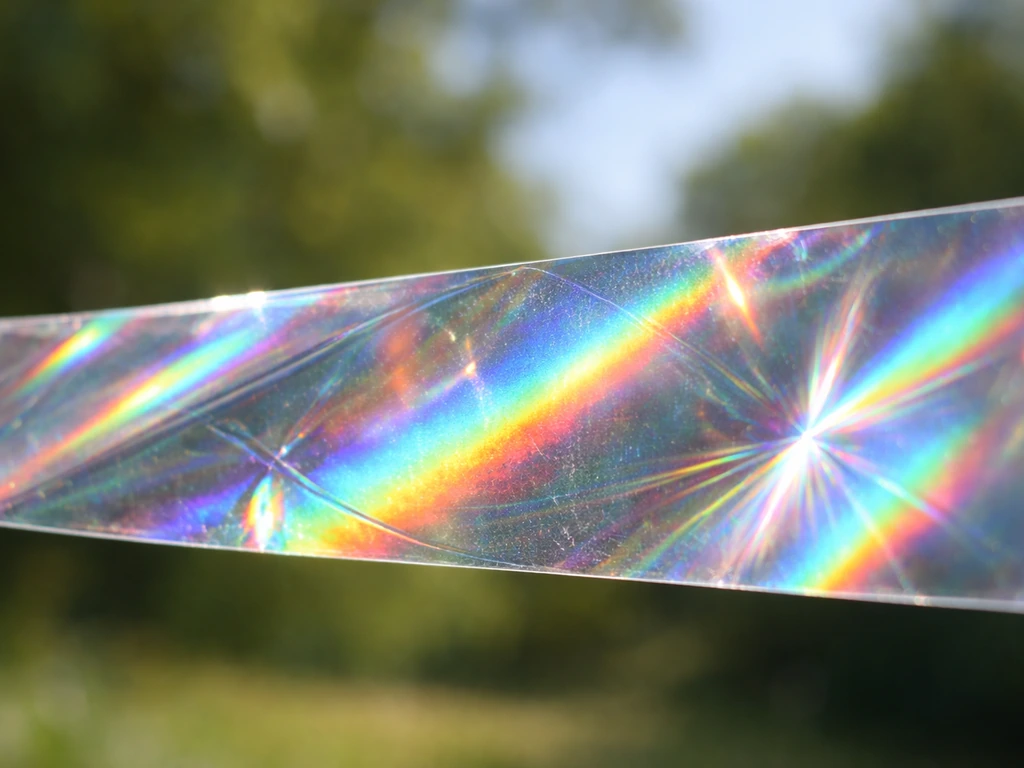
Holographic bird scare tape is a thin, metallic-coated ribbon (usually about 2 inches wide) with a holographic surface that fractures sunlight into constantly shifting colored reflections. Products like Nixalite's Scare Away Bird Tape, Bird-X Irri-Tape, and Bird-B-Gone Holographic Flash Tape all work on the same principle: the tape flashes unpredictably as the light angle changes, and when it moves in the wind it makes a sharp crackling noise. Bird-X's Irri-Tape describes its reflective, holographic ribbon as a visual scare that works by using changing reflections to frighten birds, and notes it is designed to use sight and sound Bird-X Irri-Tape. Birds experience both signals simultaneously, which mimics the kind of sudden environmental disruption they instinctively avoid.
It's effective against a fairly wide range of pest species, including pigeons, sparrows, starlings, crows, woodpeckers, ducks, and seagulls. War Bird Mfg. describes its Irri-Tape as holographic tape that reflects light and makes sharp metallic crackling sounds in the breeze, and it states it works against birds such as woodpeckers, pigeons, ducks, seagulls, sparrows, starlings, and crows [Irri-Tape is holographic tape that reflects light and makes crackling sounds in the breeze, working against common pest birds](https://www. warbirdmfg.
com/product-page/irri-tape). These birds rely heavily on visual cues when choosing where to land, and the disorienting reflections interfere with that process. That said, tape alone is not a permanent or universal fix. Highly habituated birds, particularly urban pigeons and house sparrows that have established roosting spots, will often overcome the deterrent within a few weeks if nothing else changes.
Knowing that upfront helps you use it correctly rather than being frustrated when it doesn't work on its own.
Where it works well (and where it usually doesn't)
Holographic tape performs best in open, well-lit, airy environments where it can do both jobs: flash and flutter. Here's how to think about common problem zones:
| Location | Works Well? | Notes |
|---|---|---|
| Patios and decks | Yes | Hang horizontal strands across the open area; good airflow and sun exposure |
| Gardens and fruit trees | Yes | Tie strips to stakes or branches at canopy level |
| Balconies | Yes | String across railings or overhead; ideal if open-sided |
| Windows and glass doors | Yes | Tape vertical strips near the glass to deter collisions and perching |
| Boat docks and marina slips | Yes | Excellent; constant breeze and water-reflected light amplify the effect |
| Solar panels | Partial | Tape at panel edges can help but won't address birds nesting underneath |
| Rooflines and gutters | Partial | Works on exposed ridges; less effective in shaded or sheltered sections |
| Covered porches or carports | Poor | No wind movement and limited sunlight reduce both flash and flutter |
| Indoor spaces or garages | Poor | No outdoor light or airflow; tape won't activate correctly |
| Dense roosting sites (ledges, eaves) | Poor | Pigeons and starlings habituate quickly; physical barriers work better here |
The pattern is simple: if the spot gets direct sun and open-air movement, tape is a strong option. If it's shaded, enclosed, or a long-established roost, you'll need more than tape to solve the problem.
How to install holographic bird scare tape
Plan your coverage area first
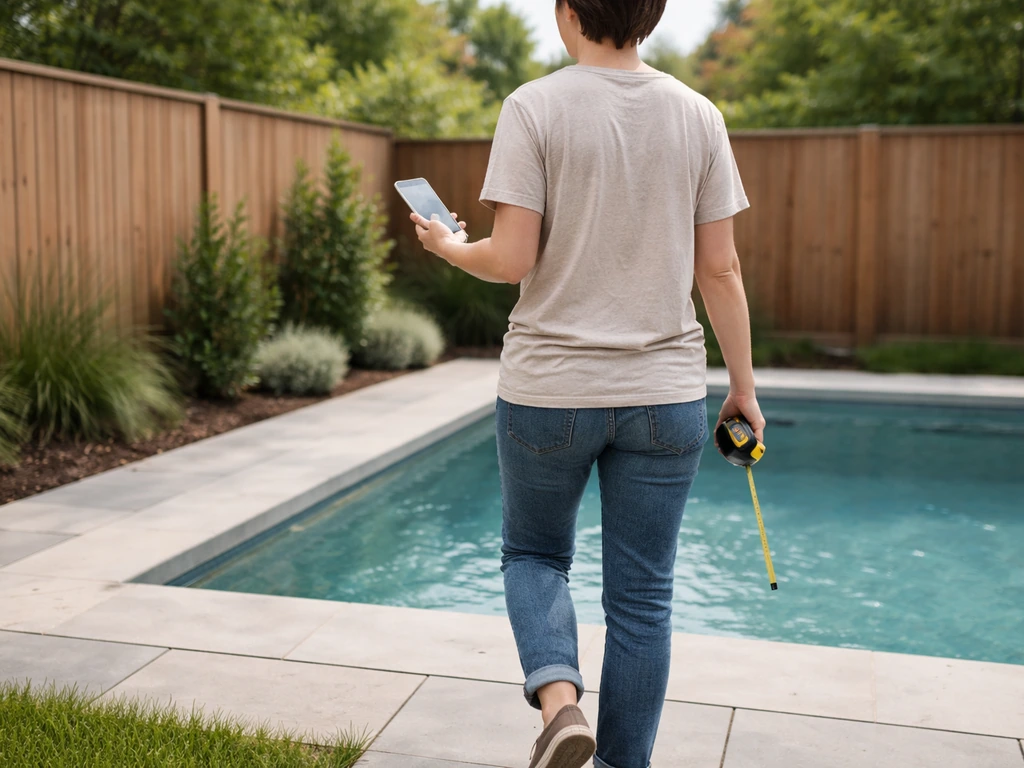
Before you cut a single strip, walk the area and identify exactly where birds are landing, roosting, or flying through. If you are looking for a step-by-step alternative, see how to hang bird repellent tape for simple hanging and placement tips.
To get started with how to install bird scare tape, plan the coverage area first so you place it along the exact paths birds use How to install holographic bird scare tape > Plan your coverage area first. If you're also using bird blinder tape, follow the same basic placement and coverage principles so it performs consistently how to use bird blinder tape.
After you pick your coverage area, set the strips so they can flutter freely and start deterring birds right away bird scare tape: how to use. You want the tape positioned along those flight paths and perching zones, not scattered randomly. A 50-foot roll like Nixalite's product covers a meaningful stretch, but coverage matters more than quantity. One well-positioned strip that flutters freely does more than five strips stapled flat to a fence.
Height and angle
For ground-level bird problems like ducks on a pool deck or sparrows in a garden bed, hang strips at roughly 12 to 18 inches above the area you're protecting. If you are learning how to use bird repellent tape, start by matching the hang height to the birds' typical landing area. For perching birds on railings or rooflines, position the tape at or just above the perch height so the reflection hits the bird's eye level as it approaches. For window deterrence, vertical strips running from the top of the frame down to about midway work well, spaced roughly 4 inches apart.
Tension and flutter: the most important detail
This is where most people get it wrong. If you are wondering how to use bird blinder tape specifically, focus on getting the tension and flutter right and relocate strips as the birds’ landing patterns change use it correctly. The tape needs to be loose enough to move freely in a light breeze but taut enough that it doesn't tangle or wrap around its anchor point.
Think of it like a wind chime: you want constant low-level movement, not a limp ribbon hanging against a wall. Tie each end to anchor points that are separated by at least 3 to 4 feet for horizontal runs. For vertical strips, anchor the top firmly and leave the bottom end free so it can swing and catch air.
Mounting options by surface
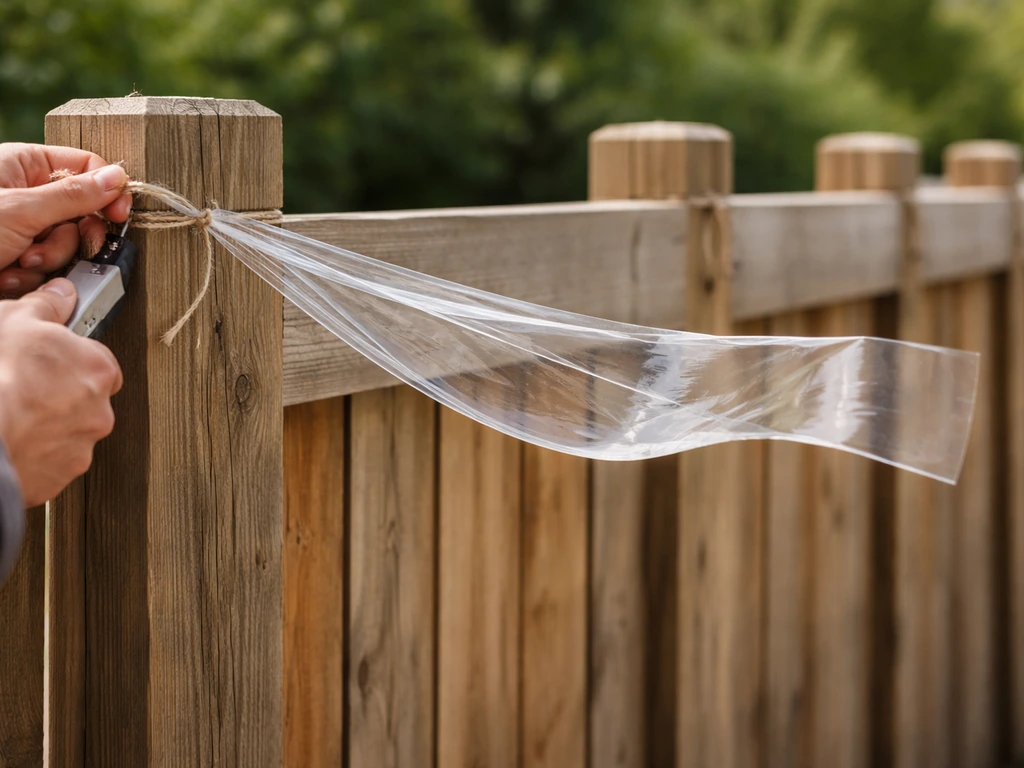
- Wood fences, deck posts, and stakes: Tie or staple the tape ends; leave the middle section loose and fluttering
- Metal railings or wire: Use zip ties or loops of garden twine; avoid wrapping tape around the rail tightly
- Glass windows and smooth surfaces: Nixalite's adhesive-backed tape peels and sticks directly; press firmly at the top anchor point only and let the strip hang free
- Trees and shrubs: Tie to branches at canopy edge; allow natural branch movement to add secondary flutter
- Eaves and overhangs: Use small screw hooks or adhesive hooks to hang vertical drops; ensure the strip clears any wall by at least 2 to 3 inches
Strip length is flexible, but 12 to 18 inch strips work well for most residential installations. Longer strips (up to 3 feet) give more visual coverage and more noise in the wind, which helps in larger open areas like gardens or pool decks.
How to make it keep working: beating habituation
Habituation is the real enemy here. Birds are smart, and they will eventually figure out that flashing tape isn't actually dangerous if nothing ever happens when they approach it. The good news is that a few simple habits extend the tape's effectiveness significantly.
- Move the tape every 5 to 7 days. Reposition strips to different heights, angles, or locations within the zone. A bird that has decided the tape on the left post is harmless will still be startled by tape that has moved to the right post.
- Rotate tape orientation. Switch some horizontal runs to diagonal or vertical. The change in how light hits the holographic surface creates a noticeably different reflection pattern.
- Add strips in new spots periodically. Birds scout an area before landing. New tape at the approach angle (not just the landing zone) intercepts them earlier.
- Clean the tape surface lightly if it gets dusty or dirty. The holographic coating loses reflectivity when coated in grime. A quick wipe with a damp cloth restores the flash.
- Maximize airflow by trimming nearby branches or plants that block wind from reaching the tape.
Some installers pair the tape with a simple motion, like a pinwheel or wind spinner nearby, to keep the visual environment dynamic even on calm days. That kind of layered unpredictability makes habituation much slower.
Maintenance, replacement, and storage
Holographic tape degrades over time. UV exposure, rain, and wind abrasion gradually dull the reflective coating. In most outdoor conditions, expect a useful lifespan of 2 to 4 months per installation before the tape starts to look faded and loses its flash. Check it monthly: if the surface looks dull gray instead of bright and rainbow-shifting in sunlight, it's time to replace that strip.
Torn or tangled tape should be replaced immediately. A limp, tangled strip not only stops working but can become a physical hazard to small birds that might get caught in it, which is something you want to avoid entirely.
If you buy in bulk (rolls of 50 feet or more are common), store unused tape in a cool, dry place away from direct sunlight. UV exposure degrades the holographic coating even before you install it. A sealed bag or cardboard box in a garage shelf keeps it fresh for a full season or longer.
Troubleshooting when birds keep coming back
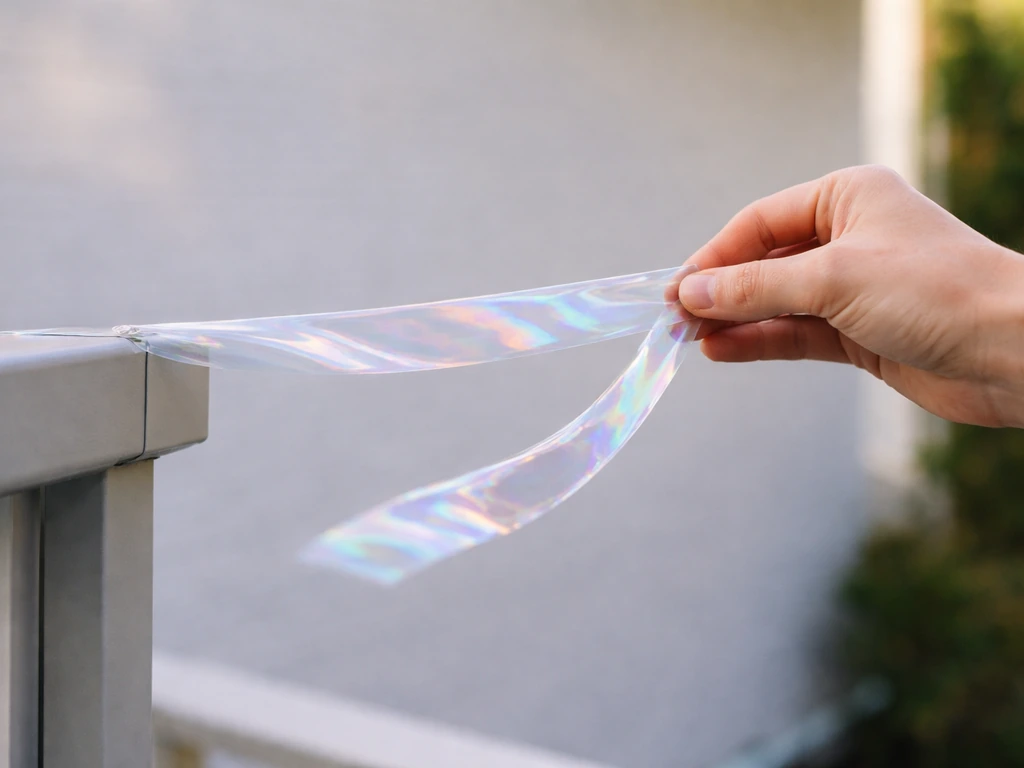
If birds are returning despite the tape being in place, work through this checklist before you give up or assume the product doesn't work:
- Check for airflow. Is the tape actually moving? If not, reposition it to a spot with better exposure or add a small gap in surrounding vegetation.
- Check for sunlight. Tape in shade is nearly useless. If the problem area is shaded for most of the day, tape is the wrong tool for that specific spot.
- Check the surface condition. Faded, dirty, or torn tape won't flash properly. Replace worn strips.
- Check your coverage gaps. Birds will route around tape rather than through it. Make sure strips cover the full width of the approach, not just one side.
- Check how long the tape has been in the same position. If it hasn't moved in two weeks or more, birds have likely habituated. Reposition everything.
- Identify the specific species. Crows and pigeons habituate faster than most birds. If you're dealing with either, tape alone almost certainly won't be enough.
- Consider whether there's a strong attractant nearby. A reliable food source, nesting site, or water feature nearby can override the deterrent effect entirely. Remove or address the attractant first.
When to pair tape with other bird control methods
Holographic tape is a deterrent, not a barrier. It discourages birds from approaching, but it doesn't physically prevent them from landing. For persistent or established bird problems, combining it with other methods is almost always more effective than relying on tape alone.
For hard ledges, rooflines, and gutters where pigeons or starlings are actively roosting, bird spikes are a better primary solution. They physically deny the landing surface, and the tape can supplement by deterring approach. For large open areas like gardens, orchards, or pool surrounds, pairing tape with sonic or ultrasonic deterrents creates a multi-sensory deterrent zone that's much harder for birds to habituate to. Ultrasonic units work continuously and silently (to humans), while the tape handles the visual deterrence during daylight hours.
For solar panels, tape at the panel edges helps as a first line, but birds nesting underneath need a physical exclusion solution like panel mesh or netting installed around the panel perimeter. Similarly, for balconies where pigeons have moved in, bird netting stretched across the opening is the only reliable long-term fix, with tape used during the transition period.
The simplest rule: use tape when you want to discourage birds from approaching an open space. Use physical barriers (spikes, netting, mesh) when birds have already established a specific landing or nesting spot. Use sonic, ultrasonic, or other visual deterrents alongside tape when you're dealing with stubborn or highly habituated species. Those methods are closely related to broader scare tape strategies, and the combination approach almost always outperforms any single tool on its own.
A few safety notes before you install
Keep strips short enough and positioned high enough that pets and children can't reach or chew them. Mylar-type tape is not toxic, but ingestion is a hazard for small animals. Avoid running tape across walkways at head height where it could catch a person unexpectedly. If you're installing near a window or glass door, check local regulations on bird window strikes in your area, though in most residential settings reflective tape near glass is considered a net positive for bird safety by reducing collision risk. Finally, if you're working on a commercial property or rental, confirm with management before making any permanent adhesive installations.
FAQ
How much tape do I actually need for a typical patio or garden?
Start by covering the specific flight and landing paths you observe, not the whole yard. In many cases, one to three well-positioned runs that flutter freely in direct sun outperform many short strips placed randomly. Use the 2 to 4 month lifespan in your planning, since you will likely need replacement for the areas that get the most sun and wear.
What if my area is shaded most of the day, can holographic tape still work?
It usually works less reliably in shade because the flash depends on direct sunlight hitting the holographic surface. If you have partial sun, place tape where the birds enter from the brightest side first, and keep strips angled so sunlight reaches the reflective ribbon even when the sun is low.
Should I put tape on the same spot for weeks, or should I move it around?
If birds are starting to habituate, change the placement rather than leaving it static. Even small adjustments like shifting the strips 1 to 2 feet, changing the angle, or adding a nearby moving visual device can restore unpredictability, especially during early mornings and calm afternoons.
How loose should the tape be, and how do I prevent tangling?
You want constant low-level movement, like a wind chime, not a limp ribbon. Anchor ends so the run is slightly able to swing, but avoid long spans that can wrap around the anchor point. If tangling happens, shorten the strip length and increase the spacing between horizontal anchor points.
Can I install holographic bird scare tape directly on trees, fences, or rough surfaces?
Yes, but rough surfaces increase abrasion, which dulls the holographic coating faster. Use secure, clean anchor points and avoid areas where the tape will rub constantly against hardware, branches, or mesh. If the tape is getting scraped, reposition it so it flutters in open air with fewer contact points.
Will holographic tape work at night or in cloudy weather?
Usually not. The key deterrents are flashing reflections and wind-driven crackling during daylight, especially when sunlight hits the surface. On cloudy or rainy days, focus on maintaining good placement so it works immediately when light returns, and replace any strips that have become faded.
How can I tell whether the tape has become ineffective before birds fully habituate?
Check the color and reflectivity in direct sun. If it looks dull gray or stops producing rainbow-like shifting reflections when it moves, the coating is degrading and performance will drop. Replace at that point rather than waiting for a full return of birds.
What should I do if birds still land after installing the tape?
First confirm it is placed along the birds’ actual approach paths and at the correct height for the species you are seeing. Then add a second layer of unpredictability, like a nearby pinwheel or wind spinner, and consider combining with deterrents that physically deny landing if the birds are already roosting on the same ledges. If you are treating a known nesting or roosting spot, tape alone often cannot solve it long term.
Is holographic tape safe for pets, kids, and small wildlife?
Keep strips out of reach where pets and children cannot chew or pull them down. Also replace any torn or tangled tape immediately, since loose ribbon can entangle small birds. Avoid placing tape across walkways at head height where it could snag a person unexpectedly.
Can I reuse tape after taking it down, and how should I store it?
Avoid reuse for a season, since UV exposure and wind abrasion continue to degrade the reflective coating. If you remove it temporarily, store unused rolls in a cool, dry, non-sunlit area in a sealed bag or box to reduce further UV damage while it sits.