
Yes, bird spikes work for pigeons, and they work well when installed correctly. They physically block pigeons from landing on ledges, rooflines, window sills, and beams by removing the flat, stable surface birds need to perch. That said, 'correctly' is doing a lot of work in that sentence. Poorly installed spikes with gaps, wrong spacing, or the wrong product for the surface are easy for pigeons to work around. Get the details right and spikes are one of the most reliable, low-maintenance pigeon deterrents available.
Do Bird Spikes Work for Pigeons? What Works Best

Marcus Weatherby
11 Jul 2026
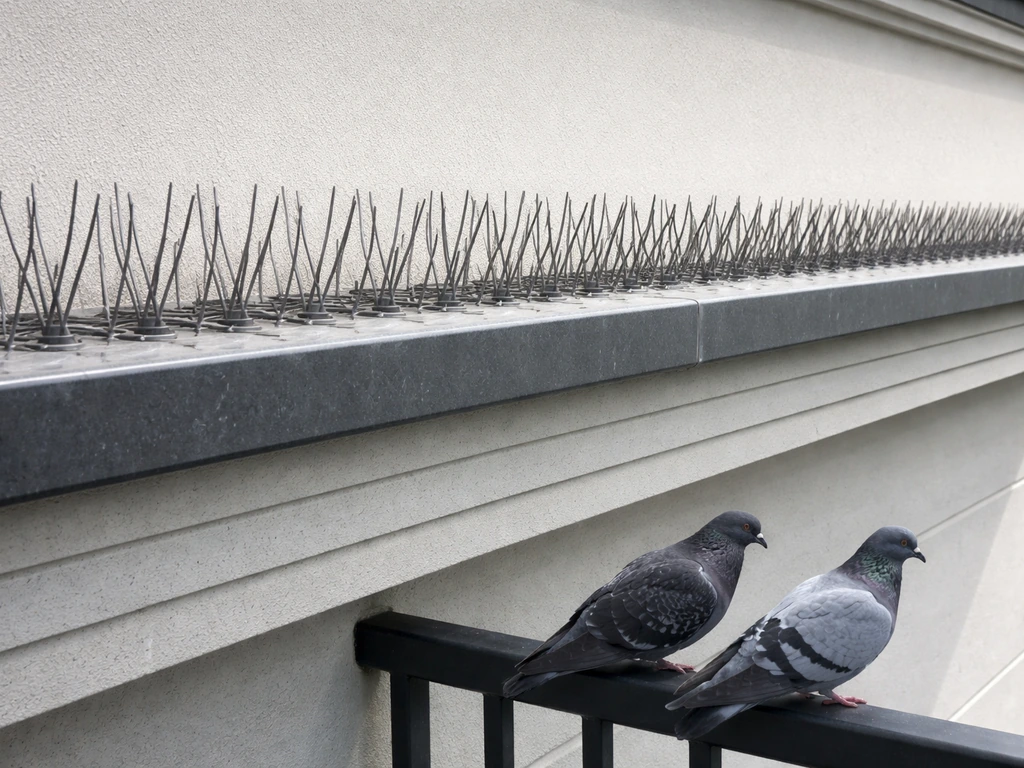
Why pigeons are harder to deter than most birds
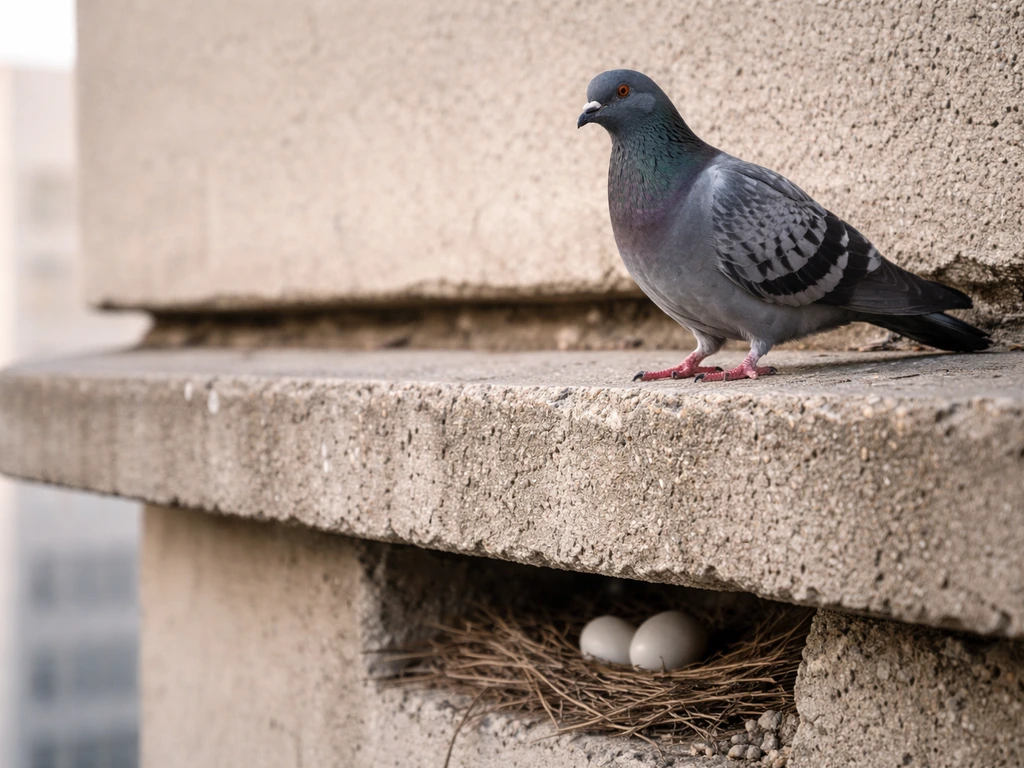
Pigeons (rock pigeons specifically) evolved nesting on cliff ledges. Human buildings are essentially cliff substitutes: flat ledges, sheltered overhangs, rooflines, window sills, parapet walls, beams, and HVAC platforms are all prime real estate to a pigeon. Cornell Lab of Ornithology notes they use window ledges and building structures as primary roosting and nesting sites, which means they're not just visiting, they're trying to move in.
What makes them particularly stubborn is persistence and adaptability. A pigeon that has found a warm, sheltered ledge will return to that exact spot repeatedly, even after you've made changes. They also need very little space. Research from Montana Extension guidance indicates pigeons can roost on ledges as narrow as about 1.57 inches (4 cm). That's barely a finger-width. Any gap you leave uncovered is a gap they'll find.
This is why full, continuous coverage matters more with pigeons than with smaller, less determined birds. A sparrow might avoid an area if you cover 80% of it. A pigeon will calmly walk to the 20% you missed.
What makes spikes actually work (and what makes them fail)
Spikes work by making it physically impossible for a bird to land flat. Do bird spikes work for bats? They can deter bats in some situations by making landing roosting areas unusable, but bats often roost in different spots than birds, so results vary spikes work by making it physically impossible for a bird to land flat. They don't injure pigeons, they just remove the usable surface. Whether they succeed depends on four factors: surface preparation, coverage completeness, mounting method, and the right product for the site.
Surface preparation
If pigeons have already been roosting on a surface, you must clean it thoroughly before installing spikes. Pigeon droppings contain pheromone-like cues that attract other birds. If you glue spikes over a fouled ledge without cleaning it, birds will continue attempting to land and may even nest in the gaps between spike rows. Clean the surface, disinfect it, and let it dry completely before mounting anything.
Coverage completeness
This is where most DIY installations fail. Spikes need to cover every usable inch of a perching surface, including corners, around downpipes, near vents, and up to any adjacent vertical surface where a bird might squeeze in from the side. Because spikes work by preventing landing, they can be effective for raccoons only if they can’t reach a surface to climb or grip Spikes need to cover every usable inch. blank" rel="noopener noreferrer">Michigan DNR guidance for airport pigeon management specifically calls for blocking all favored perching surfaces, not just the most obvious ones. If you spike the front of a ledge but leave the back 3 inches uncovered, that 3 inches becomes the new favorite spot.
Mounting method
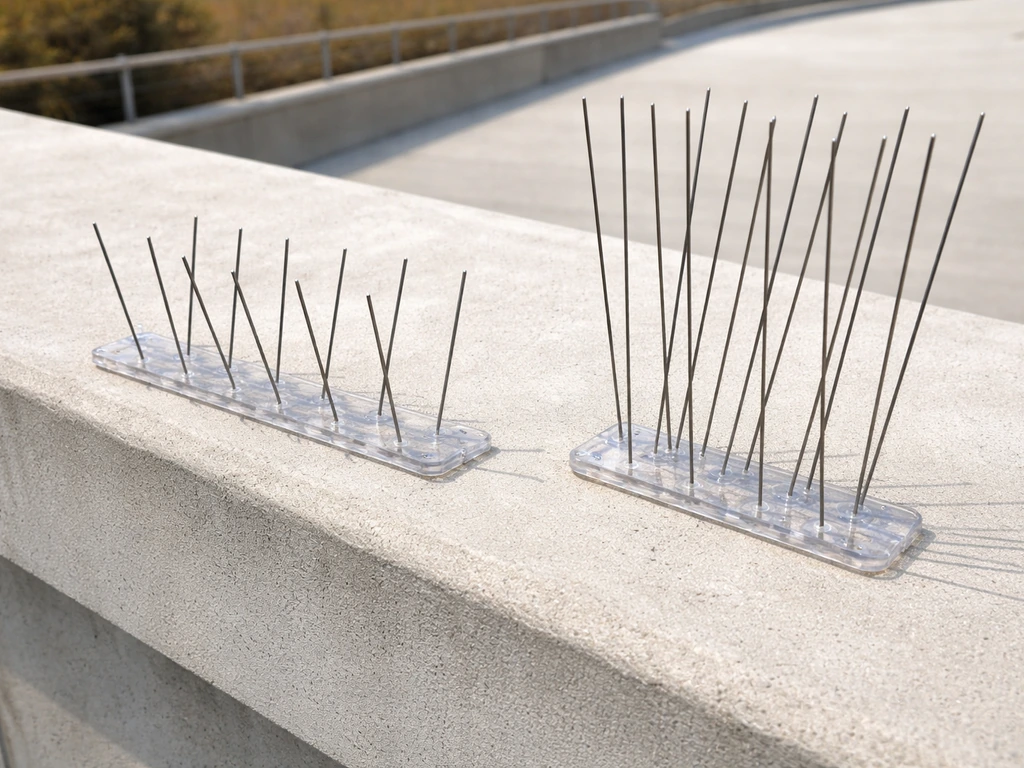
Spikes attached with the wrong adhesive or inadequate hardware will shift, lean, or fall off over time, creating gaps and reducing effectiveness. On outdoor surfaces exposed to UV, rain, and temperature cycles, you need a weatherproof adhesive rated for exterior use, or stainless steel screws for more permanent installations. Spikes that wobble or lay flat are useless.
Product match to the site
Not all spikes are made for pigeons. Products designed for smaller birds (sparrows, starlings) have narrower, shorter tines that a pigeon can simply step between or press flat with its weight. Pigeon-specific spikes have wider bases and longer, sturdier tines. Using the wrong product is one of the most common reasons people report that 'spikes didn't work.'
Choosing the best bird spikes for pigeons
There are a few key specs to look at when buying spikes for pigeon control. Here's how to think through each one.
| Feature | What to look for for pigeons | Why it matters |
|---|---|---|
| Spike height | 4–5 inches (10–13 cm) tine length | Pigeons are larger birds and need taller spikes to be deterred effectively |
| Base width | Wide base covering full ledge depth (typically 3–5 inch strips) | Covers more surface per row, reduces number of rows needed |
| Material | Stainless steel (preferred) or UV-stabilized polycarbonate | Stainless resists rust and pigeon droppings; polycarbonate is lighter and low-visibility |
| Tine rigidity | Stiff, non-flexible tines | Pigeons are heavier birds that can bend flimsy tines flat |
| Mounting method | Pre-drilled holes for screws or compatible with exterior-grade adhesive | Ensures spikes stay fixed through weather cycles |
| Row configuration | Multi-row or wide-base units for deep ledges (over 3 inches) | Single-row spikes on a deep ledge leave the back uncovered |
Stainless steel vs polycarbonate
Stainless steel spikes are the most durable option for outdoor pigeon control. They hold up against UV exposure, pigeon droppings (which are acidic), and physical wear. They're the right call for rooflines, commercial buildings, and anywhere you want a multi-year installation without maintenance. Polycarbonate plastic spikes are lighter, cheaper, and less visible from a distance, which makes them popular for residential window sills and patios. They work fine in sheltered spots but tend to become brittle in direct sun over 3 to 5 years. For long-term outdoor pigeon deterrence, stainless steel is worth the extra cost.
DIY vs professional installation
Most residential spike installations are straightforward DIY jobs: measure, buy the right product, clean the surface, and mount with adhesive or screws. If you're dealing with a large commercial building, high rooflines, or a severe infestation where pigeons have established nests, professional installation is worth it. Pros can assess every access point you might miss, work safely at height, and combine spike installation with exclusion netting or other deterrents. If the job involves working more than about 10 feet off the ground, be honest about whether you have the right equipment and experience to do it safely.
How to install bird spikes for pigeons: step by step
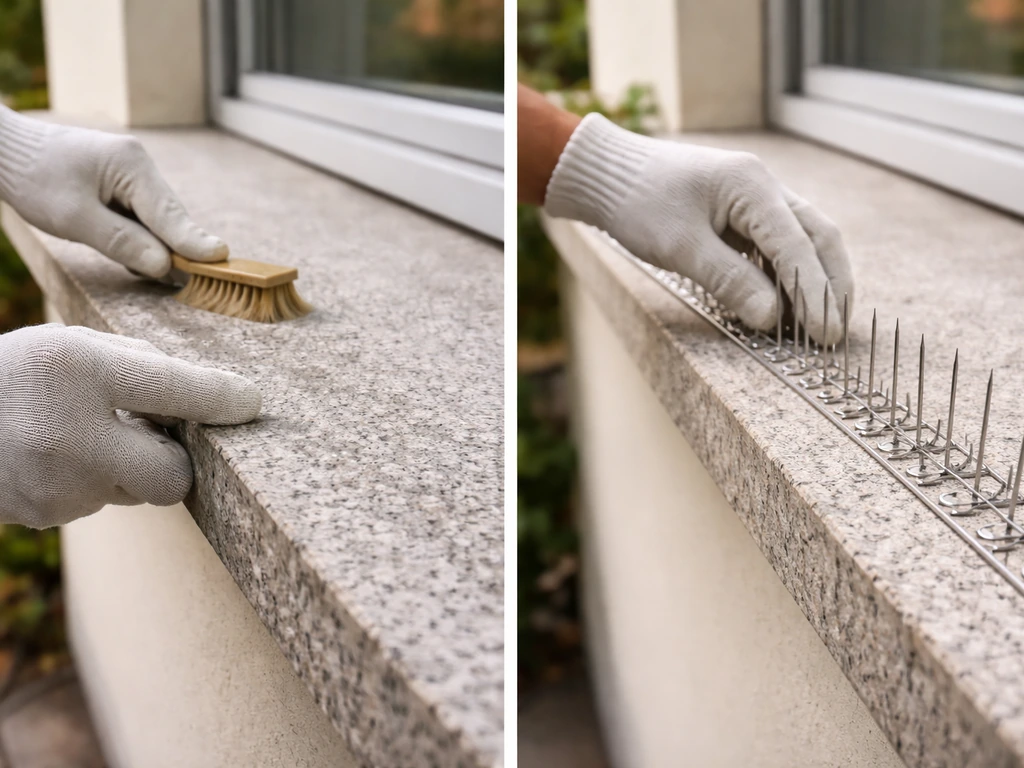
- Measure every surface you need to cover. Walk the entire perimeter and note the width and depth of each ledge, beam, or rail. Add 10% to your measurements to account for corners and overlaps.
- Clean all surfaces thoroughly. Remove droppings, nesting material, and debris. Use a scraper, stiff brush, and a disinfectant cleaner. Rinse and let the surface dry completely before proceeding.
- Choose the right spike product for pigeons (see the comparison table above). For a standard ledge up to 3 inches deep, a single wide-base row is usually sufficient. For deeper ledges, use two rows positioned front and back.
- Cut spike strips to fit your measurements. Most products come in 1-foot sections that can be cut with wire cutters or a utility knife at the base.
- Apply adhesive or pre-drill screw holes depending on your mounting method. For adhesive, use a weatherproof exterior-grade construction adhesive. Apply in a continuous bead along the base, press firmly, and allow full cure time before expecting the installation to hold.
- Install spikes with no gaps. Butt each section end-to-end. At corners, miter or overlap sections so there's no open space a pigeon can exploit.
- Check around pipes, wires, and adjacent walls. These are the most commonly missed spots. Use smaller spike sections or spike clips to fill awkward spaces.
- Inspect the installation after the first rain or within two weeks. Look for any sections that have shifted, lifted, or left new accessible gaps.
The most common installation mistakes
- Leaving 1 to 2 inch gaps at the ends of rows where sections meet
- Installing over dirty, contaminated surfaces without cleaning first
- Using small-bird spike products that pigeons can physically push aside
- Applying adhesive in dots or short beads instead of a continuous line, which allows sections to rock forward
- Ignoring secondary perching spots nearby, so pigeons just shift a few feet and continue roosting
How long before you see results, and what to do if pigeons keep coming
If the installation is complete and correct, most people see results within one to two weeks. Pigeons will attempt to land on the spiked surface a few times, find it unusable, and move on. If a new roost site is nearby, they'll try that instead, which is why blocking all surfaces in a problem area at the same time works better than treating one spot at a time.
If pigeons are still landing after two weeks, the most likely causes are gaps in coverage, a section of spikes that has come loose, or a nearby alternate perch that's drawing them back. Do a close visual inspection, ideally in the morning when birds are active so you can watch exactly where they're landing. That will tell you exactly where the gaps are.
In cases where pigeons have been roosting in a spot for months or years, they can be especially slow to give up. Some pest control professionals recommend combining freshly installed spikes with a temporary visual deterrent (like reflective tape or predator decoys) in the first few weeks to accelerate the behavioral shift. The visual deterrent doesn't need to be permanent, it just helps break the routine while the birds are still testing the new barrier.
Safety, legality, and when to combine with other methods
Are spikes safe and legal?
Standard bird spikes are non-injurious. Do bird spikes work for cats in the sense of being a deterrent? They can be a physical barrier, but they are meant for birds and may not stop cats the way cat-specific deterrents do Standard bird spikes are non-injurious.. They're designed to prevent landing, not to trap or harm birds. They're legal to use in all U.S. states and most countries for pest bird species including feral pigeons (rock doves). Feral pigeons are not protected under the U.S. Migratory Bird Treaty Act, so there are no federal restrictions on using physical deterrents against them. That said, local ordinances can vary, and if you're working on a shared building or commercial property, check with your building manager or local authority before installation. Working at height always carries risk; use appropriate ladders, scaffolding, or lifts and follow local safety guidelines.
When spikes alone aren't enough
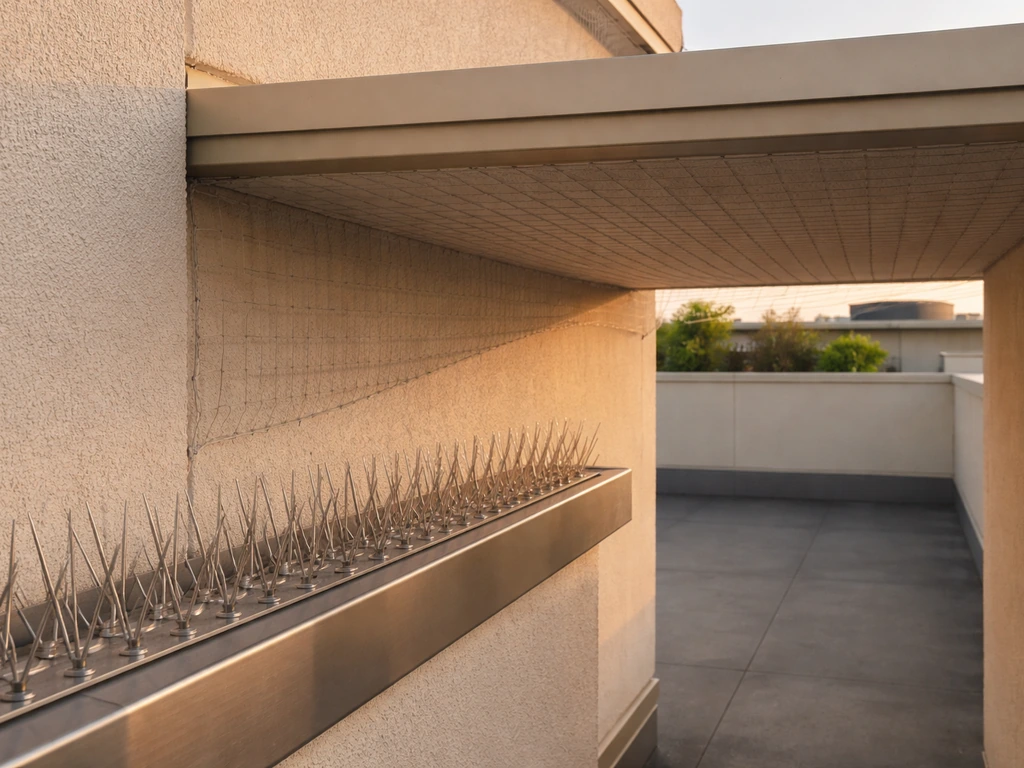
Spikes are excellent for ledges, beams, and rails, but they can't cover every surface. Large open areas like flat roofs, courtyards, or the underside of overhangs need different solutions. This is where combining methods makes a real difference. Bird netting is the most effective solution for large open areas or enclosed spaces like under solar panels or in warehouse eaves. Sonic or visual deterrents can complement spikes in wide-open areas where physical barriers aren't practical. If you're dealing with pigeons getting through vents or gaps into a building, exclusion (blocking the entry points entirely) is more important than surface deterrents.
Spikes are also one piece of a broader bird control toolkit. If you're exploring other pests or situations, the same logic about full coverage and correct product matching applies whether you're dealing with other bird species or even larger animals that attempt to use spiked surfaces. The core principle is always the same: make the surface physically unusable, cover every accessible spot, and maintain the installation over time.
Quick action checklist before you buy
- Walk every surface where pigeons are landing and measure total linear footage
- Check ledge depth so you know whether you need single or double spike rows
- Choose stainless steel for outdoor, exposed, or long-term installations
- Buy 10–15% more product than your measurements to allow for corners and waste
- Get exterior-grade adhesive or appropriate screws for your substrate (concrete, wood, metal, or tile)
- Plan to clean the surface before installation day, not during it
FAQ
Do bird spikes work for pigeons if they only cover part of a ledge?
They often do not. Pigeons can roost on very narrow spaces, so even a small uncovered strip usually becomes the new landing and perching spot. For best results, plan for continuous coverage across the entire accessible edge, plus any adjacent areas where a bird can approach from the side.
How long do I have to wait before deciding bird spikes are not working?
Expect testing behavior for about one to two weeks. If pigeons are still landing after that window, the most common causes are loosening sections that create gaps, missing corners or edges near vents and downpipes, or an alternate nearby perch that is pulling them back.
Can I install spikes over pigeon droppings, or do I need to clean first?
You should clean thoroughly before installation. Droppings leave residue that can act like an attraction cue, and spikes installed over a fouled surface may allow birds to keep returning and even nesting in any exposed gaps between spike rows.
What’s the difference between spikes for pigeons and spikes for smaller birds?
Pigeon-specific spikes are built to prevent a pigeon’s broader foot and weight from flattening the barrier. Products made for sparrows or starlings often have shorter or narrower tines that pigeons can step between or press down, which can make the deterrent seem ineffective even when it is installed correctly.
Will stainless steel spikes work better than plastic for outdoor use?
Usually yes for long-term outdoor durability. Stainless steel holds up better against UV, droppings, and repeated rain and temperature cycles. Polycarbonate can work in sheltered spots, but it may become brittle over time in direct sun, which can lead to gaps or reduced performance.
What installation method is best, adhesive only or screws too?
Adhesive-only installs can fail when exposed to UV, rain, and expansion and contraction, especially if the adhesive is not rated for exterior conditions. For higher reliability, use weatherproof exterior-rated adhesive, or consider stainless screws for a more permanent attachment, particularly on rooflines and other high-stress areas.
Can pigeons still nest on a spiked ledge if the spikes are installed correctly?
They can in rare cases if there are persistent entry points. The key risk is gaps around edges, corners, mounting seams, or vertical surfaces where birds can squeeze in from the side and access a sheltered pocket. A thorough inspection of the full perimeter and nearby vertical transitions helps prevent this.
Do spikes work under solar panels, or do I need a different approach?
Spikes can help on narrow ledges and exposed edges, but underside and wider sheltered gaps often require a more complete barrier. In enclosed or tight-access spaces, bird netting or exclusion of entry points may be more effective than trying to spike every possible landing surface.
Are spikes legal to use on feral pigeons and other common urban birds?
In the U.S., physical deterrents against feral pigeons are generally not restricted at the federal level, but local ordinances and property rules can still apply. If the building is shared, commercial, or managed by an association, confirm permissions before installing.
How can I tell where the pigeons are getting in or landing after installation?
Do a close visual check at peak activity times, often early morning, and watch their approach paths. Look for fresh scuff marks, new droppings concentrated along one edge, or a section that has lifted or leaned, these point directly to gaps that need correction.
Will bird spikes deter cats or raccoons?
They are designed to prevent birds from landing flat, so results for cats and raccoons are not guaranteed. Cats may still navigate ledges differently, and raccoons can access areas if they can climb or grip surfaces. If these animals are the primary concern, use the appropriate species-targeted deterrent and secure any access points.
What should I do for a severe or long-established pigeon problem?
For heavy infestations or sites with birds repeatedly returning for months, consider combining spikes with a temporary visual deterrent for the first few weeks. This can speed up the behavioral shift while pigeons test the new barrier, and it is especially helpful when roosting history is strong.
Next Article
Do Bird Spikes Work for Bats? What Actually Works
Learn if bird spikes stop bats, when they fail, and what bat-proofing works: sealing gaps, one-way doors, timing, and sa
