
Bird spikes can deter raccoons in some situations, but they are not a reliable standalone solution. Raccoons are strong, heavy, and persistent enough to press past or work around standard bird spikes, especially if there's a gap, a nearby foothold, or any reason to keep trying. Spikes work best as one layer in a broader exclusion strategy, not as a fix on their own.
Will Bird Spikes Deter Raccoons? What Works and Where

Marcus Weatherby
9 Jun 2026
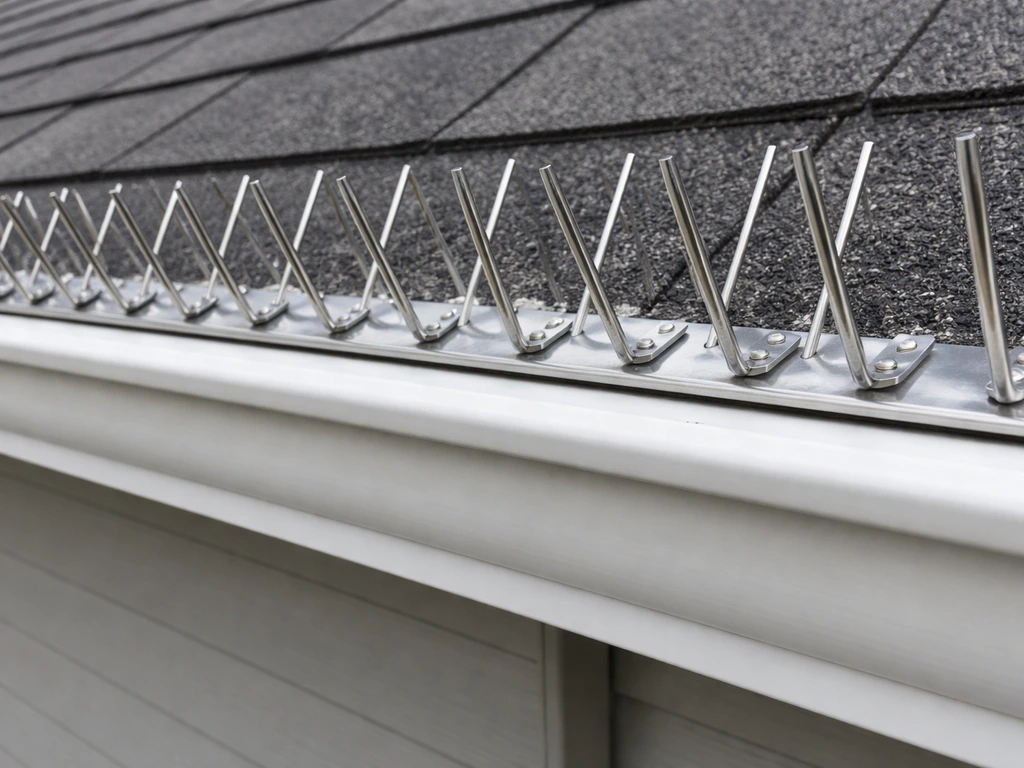
Can bird spikes actually stop a raccoon?
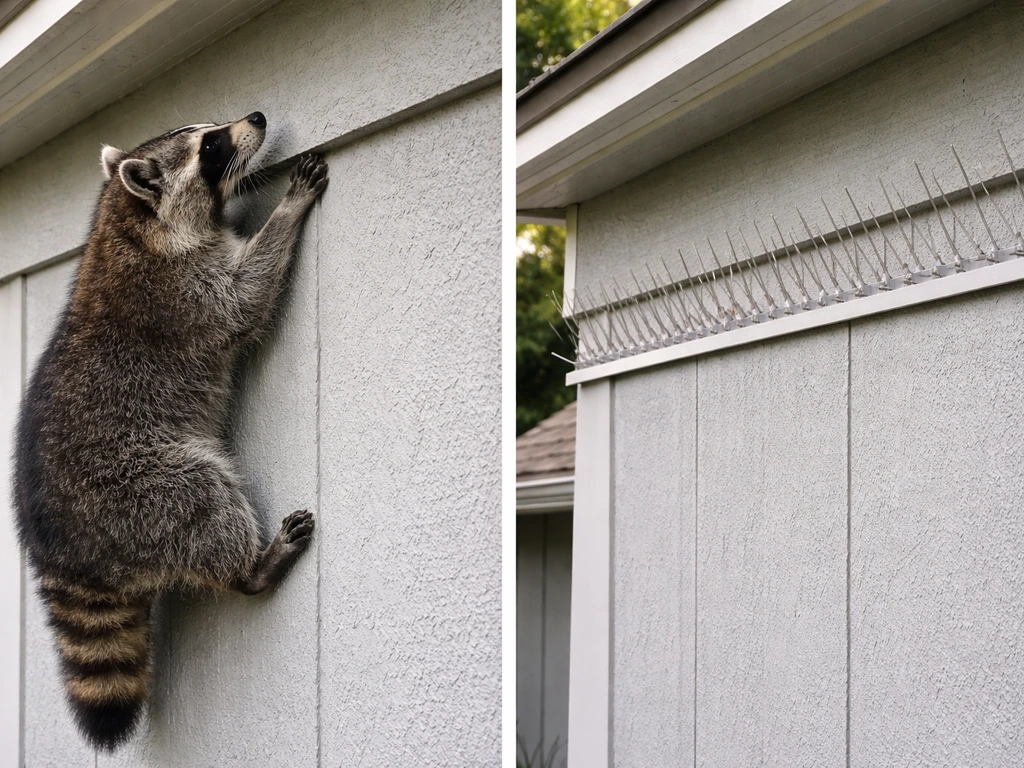
Some manufacturers, including Nixalite, market their stainless steel spikes specifically as deterrents for climbing animals like raccoons, cats, and rodents, not just birds. So the product category does overlap. But there's an important difference between deterring a pigeon that wants to perch and deterring a raccoon that wants to get into your attic.
A raccoon weighs 10 to 30 pounds and uses its forepaws to grip and test surfaces. If the spikes are too flexible, spaced too wide, or installed with even a small gap, a raccoon can press them down or squeeze past them. Raccoons are also highly motivated by food, shelter, and nesting instinct, so they'll spend more time problem-solving than a bird ever would. Extensions that work well for pigeons or cats can fail against a determined raccoon.
That said, spikes installed correctly on the right surfaces, using the right product, can raise the friction enough that raccoons look for easier routes elsewhere. The goal is to make every accessible surface uncomfortable and every gap covered, which is exactly where most installations fall short.
Where raccoons actually get in (and where spikes need to be)
Before placing a single spike, you need to understand how raccoons move around a building. They're good climbers and routinely use vertical surfaces, downspouts, trees, and utility lines to reach elevated entry points. The Maine Department of Inland Fisheries and Wildlife lists the most common building entry points as utility cables and pipes, attic louvers, roof vents, and holes in roofs, siding, soffits, and foundations. Critter Control adds that a single gap in a soffit is enough for a raccoon to tear open a sizable entry point and get into an attic.
That list tells you where spikes and physical barriers need to go. The typical access routes are:
- Roof edges and flat roof ledges, especially near overhanging trees
- Soffits and fascia boards, where raccoons can grip and pull
- Roof vents and attic louvers, which raccoons will push or tear open
- Gutters, which serve as a travel highway across the roofline
- Downspouts and utility pipes used for climbing
- Chimney caps and open flues
- Deck railings and the underside of elevated decks
- Window ledges near roof lines
Spikes are most useful on flat, linear surfaces like ledges, roof edges, fence tops, and gutter covers. They are not effective substitutes for physical vent covers or chimney caps, and they can't seal a gap. Think of spikes as a surface treatment, not a structural fix.
Picking the right spikes and placing them properly
Spike type matters more for raccoons than for birds
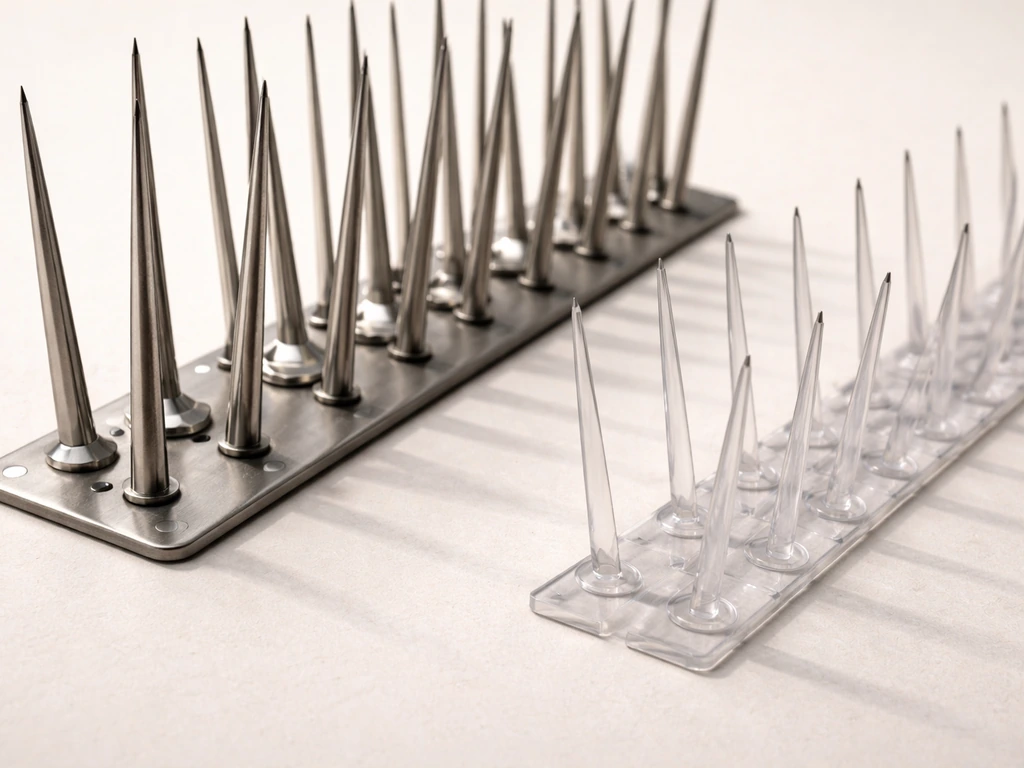
For birds, polycarbonate spikes are often fine. For raccoons, go with heavy-gauge stainless steel spikes. Raccoons can bend or break plastic rods, which makes the product useless fast. Stainless steel resists deformation under the pressure and weight of a large mammal. Products like Nixalite's stainless steel spikes are specifically designed with this in mind.
Pay attention to rod spacing too. Bird Barrier's Dura-Spike product uses rods spaced 1.5 inches apart. For raccoons, tighter spacing is better because wider gaps give them a foothold or a place to press down individual rods. If you're comparing spike products, choose one with dense, rigid rods over one designed primarily for lightweight bird perching.
Installation specifics that actually affect raccoon deterrence
For bird-focused applications, a common spec is that spike rods must overhang the outer edge of the ledge by at least half an inch. This prevents landing on the lip just outside the spike field. The same principle applies even more strongly for raccoons: any unprotected edge or gap becomes a grip point. Cover the full width of every ledge, overlap spike strips at corners, and leave no gap at joins.
Securing the base is critical. Adhesive alone often isn't enough for surfaces where a raccoon will put weight. Use construction adhesive combined with mechanical fasteners (screws or ties) wherever possible. On gutters, use clip-mount systems that can't be pushed aside.
One warning that applies to both birds and raccoons: if there's a cavity, hole, or void behind or near the spike installation, the animal may force past the barrier to access it. Seal any gaps or openings before installing spikes. A spike strip in front of an unsealed soffit gap does almost nothing.
Spike placement compared for bird vs. raccoon targets
| Surface | For Birds | For Raccoons |
|---|---|---|
| Ledges and roof edges | Standard polycarbonate or steel, 1-row | Heavy steel, multi-row, secured with fasteners |
| Fence tops | Single row, adhesive OK | Double row, mechanical fastening required |
| Gutters | Light clip mounts | Heavy clip mounts, full gutter width coverage |
| Roof vents / soffits | Spikes rarely used here | Spikes insufficient alone; use hardware mesh covers |
| Chimney / flue | Not typically a spike application | Cap with bolted hardware cloth; spikes not suitable here |
| Downspouts | Not applicable | Wrap with spike collar or use smooth metal guard |
When spikes aren't enough: what to do next
Here's the honest reality: Idaho Extension and Virginia Cooperative Extension both note that no chemical repellents have been proven effective against raccoons, and that frightening devices won't work for very long because raccoons habituate quickly. Spikes have better staying power than scent or sound deterrents, but they still won't work if the underlying access points aren't addressed. If raccoons keep getting through after you've installed spikes, here's how to layer up your approach.
Physical exclusion first
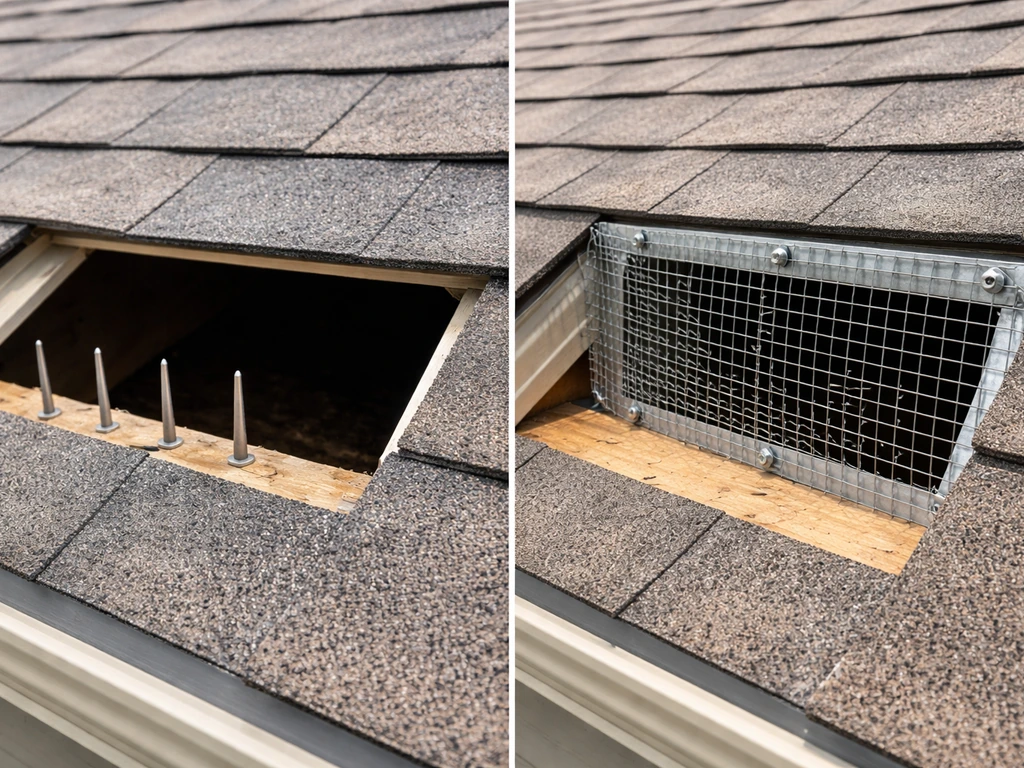
Physical exclusion is the most reliable category. This means blocking access, not just discouraging it. Hardware cloth (half-inch galvanized mesh) bolted over roof vents, attic louvers, and soffits is the standard recommendation from wildlife extension programs. Critter Control specifically identifies roof vents as a common raccoon entry method and recommends installing exclusion materials directly into them. A chimney should have a commercial chimney cap or hardware cloth secured with bolts, not just set in place.
One-way doors for active entry points
If a raccoon is already getting in, Maine IFW recommends fitting the active entry point with a one-way door so the animal can exit but not re-enter. After three consecutive days of fair weather with no activity at the door, the animal has moved on and you can seal the opening permanently. This is a cleaner, more humane approach than trying to deter an animal that's already established a route.
Combining spikes with other deterrents
If you want to keep raccoons off ledges, fences, or deck railings where spikes are installed, you can add motion-activated lighting or sprinklers as a secondary layer. These won't solve the problem alone (raccoons habituate to them over days to weeks), but combined with spikes on landing surfaces and physical barriers at entry points, they increase overall friction. Heavy-gauge netting can also block access under decks or over garden areas. The same netting used for bird exclusion works well here.
What not to rely on
Skip chemical repellents. Iowa State University Extension explicitly states that chemicals marketed for raccoon exclusion are not approved for that use and are a health hazard to people, pets, and livestock. Ultrasonic devices and visual scare products (owl decoys, reflective tape) may cause brief avoidance but raccoons figure them out quickly. These are not substitutes for physical barriers or spikes.
Safety, legality, and keeping it humane
Raccoons are protected wildlife in most U.S. states, which means trapping, relocating, or harming them is regulated. Before you trap or remove an animal, check your state or local wildlife agency regulations. Some states require a permit for live trapping and prohibit relocation beyond a certain distance. Maine IFW recommends working with an Animal Damage Control agent who has live trapping experience for situations where removal is necessary.
On the spike safety side: stainless steel spikes are not designed to seriously injure an animal, and standard bird spikes won't cause the kind of harm that would raise legal concerns. However, if you're modifying spikes (adding sharp objects, electrified barriers, etc.) to try to make them more effective, that crosses into territory that may be illegal under animal cruelty statutes or local ordinances. Stick to commercially manufactured products installed as directed.
Also consider pets and children. Spike strips installed on low ledges, deck railings at child height, or near play areas can cause injury. Keep spike installations at heights and locations that are inaccessible to people and domestic animals.
Installation checklist and how to know if it's working
Before you install
- Walk the perimeter of the building and identify every raccoon access route: roof edges, vents, soffits, downspouts, gutters, chimneys, and any visible gaps or damage.
- Seal all structural gaps with hardware cloth, metal flashing, or caulk before installing any spikes. Spikes in front of an open gap are nearly useless.
- Trim tree branches that overhang the roof by at least 8 to 10 feet. Raccoons use branches as launch pads.
- Install chimney caps and bolted hardware cloth covers over all roof vents and attic louvers.
- Choose heavy-gauge stainless steel spikes for any surface where raccoon contact is expected.
During installation
- Cover every ledge and flat surface end to end with no gap at joins or corners.
- Ensure spike rods overhang the outer edge of the ledge by at least half an inch.
- Secure base strips with both construction adhesive and mechanical fasteners on any surface that will bear raccoon weight.
- On gutters, use clip-mount spike strips that attach to the gutter lip and can't be pushed aside.
- Double-check that no new horizontal ledge has been created by the spike base itself, which could give a raccoon a foothold just below the rod level.
After installation: what success looks like
Check for fresh tracks, droppings, or disturbance around the protected surfaces every few days for the first two weeks. Raccoons are persistent and will test every surface before giving up. If you're seeing continued activity at a specific point, that usually means a gap or unprotected surface nearby, not that the spikes have failed on the surfaces they're covering.
If you've used a one-way door at an active entry point, Maine IFW's guideline is clear: three consecutive days of fair weather with no door activity means the animal has left and you can seal the opening permanently. Don't seal it before that window, or you risk trapping an animal (and potentially offspring) inside.
Over the longer term, check spike installations every season for bent or displaced rods, debris buildup, and adhesive failure. Products like Bird Barrier's Dura-Spike are designed not to collect debris, which helps maintain coverage, but any installation can degrade over time especially under mammal pressure. Bird Barrier’s Dura-Spike specification also claims the product “does not gather debris and nesting materials like other spiked ledge products,” which is intended to preserve performance over time. A quick visual check each spring and fall takes five minutes and keeps the system working.
It's worth noting that this same question comes up with other animals. If you are wondering whether bird spikes work for cats, the big takeaway is that cat behavior and access points can matter as much as the spikes themselves. Cats, bats, and pigeons each interact with bird spikes differently based on their size, weight, and behavior.
The same bird-spike concept can work differently on pigeons, so it's worth checking how they tend to perch and whether the spikes stay covered in practice. Bird spikes are sometimes marketed for bats, but whether they actually work depends on bat roost behavior and access points. Raccoons are in a category of their own because of their weight and dexterity, which is why the physical exclusion layer matters so much more for them than for lighter, less persistent animals.
FAQ
How do I know if bird spikes failed because of poor installation or because raccoons are just determined?
Usually, no. Bird spikes can slow or discourage a raccoon from landing, but a determined raccoon often finds a nearby grip point, presses flexible rods down, or squeezes through an uncovered edge. If you see repeated attempts, treat it as an access-route problem (a gap, unprotected siding/soffit area, or a vent or roof opening) rather than a “spikes didn’t work” issue.
What specific gaps or mistakes let raccoons get past spikes even when the strip looks intact?
Look for signs at the specific protected surface plus the routes immediately around it. Common culprits are a small seam between spike strips, an end section that leaves a lateral gap, a ledge corner that isn’t overlapped, or debris that lifts the base so the rods lose full coverage. Also check vertical neighbors within a raccoon’s climbing reach, like trim edges, downspout elbows, or the soffit line.
Can I use motion lighting or sprinklers with spikes instead of doing full exclusion?
Yes, but only as part of a layered plan. Since raccoons solve problems using food and shelter incentives, add exclusion at actual entry points (vents, louvers, roof openings) and seal any void behind the installation. Lighting or sprinklers work best as a secondary layer on ledges or deck rail areas where spikes are meant to reduce landing.
What spike material and spacing works best if the goal is deterring raccoons, not birds?
Pick dense, rigid stainless steel designed for heavier climbing animals. Plastic or polycarbonate spikes meant for birds can bend under a raccoon’s weight and pressure, making them ineffective quickly. If you are comparing products, prioritize tighter rod spacing and strong mounting on hard surfaces rather than “bird-only” designs.
Should I install spikes while a raccoon is already getting into my attic, or should I wait?
If you already have an active entry (you’re seeing regular night activity), consider a one-way door approach on the entry point first, then seal permanently after the animal leaves. Spikes alone can sometimes push the raccoon to another nearby route, or keep it testing longer. Wait for the “leave window” before permanently sealing or you may trap an animal.
Is construction adhesive enough to hold spikes in place against raccoon pressure?
Yes, but only if the base is firmly secured. Adhesive alone often fails where a raccoon can put body weight on the area, like gutters and ledges. Use the manufacturer’s mounting method, and add mechanical fasteners (screws, ties, or clip systems) when possible so the strip cannot be pushed aside or lifted.
Can spikes replace hardware cloth on roof vents, soffits, or chimney areas?
No. Spikes are not a substitute for vent covers, chimney caps, or hardware cloth that blocks access. They cannot seal a hole, and if a raccoon can reach a vent, soffit void, or roof penetration, it will. Use spikes for surface friction on ledges, then use physical barriers to close openings.
Why do raccoons sometimes push down spikes instead of avoiding them?
Wider rod spacing, flexible rods, or partial coverage at edges and seams. A raccoon needs footholds to grip and leverage, so even a small uncovered band or a lifted section can be enough. Densely spaced rigid spikes help, but full coverage and overlap at joins matter just as much.
How often should I inspect spike installations to be sure they are still deterring raccoons?
Check more frequently right after installation, then at regular intervals. A good routine is to look for tracks or fresh droppings every few days during the first two weeks. After that, do quick visual checks at least each spring and fall for bent rods, displaced pieces, debris buildup, and adhesive or fastener failure.
If I still see raccoon activity after installing spikes, what should my next troubleshooting step be?
It often means there is an unprotected route nearby, not that every spike segment is ineffective. Focus your troubleshooting on the last place you saw activity, then trace outward to nearby vents, soffits, roof edges, and any utility penetrations. If you installed spikes but left even one accessible entry point open, the raccoon may keep using it.
Will spikes deter raccoons on fences or deck railings without also blocking access under the deck?
Don’t assume. Even if a spike strip is covered by dense rods, a raccoon can still reach other surfaces and create a new route within its climbing range. If you’re protecting a deck or fence, consider netting for underside access and physical barriers at entry openings, then use spikes only where landing friction is the limiting factor.
Where should I avoid installing spike strips because of safety around kids and pets?
Yes, spikes installed too low or in areas accessible to children and pets can cause injury. Keep installations where they cannot be reached during normal play or by curious domestic animals, and avoid placing them at child-height ledges or near common walk paths.
How long should I wait before permanently sealing an entry after using a one-way door?
Often, but not as the sole solution. If you use a one-way door, you generally should not permanently seal until there has been no activity for three consecutive days of fair weather at that door. Sealing early can trap the animal inside, possibly including dependent offspring.
Do I need a permit before trapping or removing a raccoon if spikes and exclusion don’t solve it?
Some states restrict trapping, relocation, and removal, and requirements can vary by species and circumstances. Before you act, check with your state or local wildlife agency and follow any permits or guidelines, including those related to humane live trapping and where an animal may be released.
Next Articles
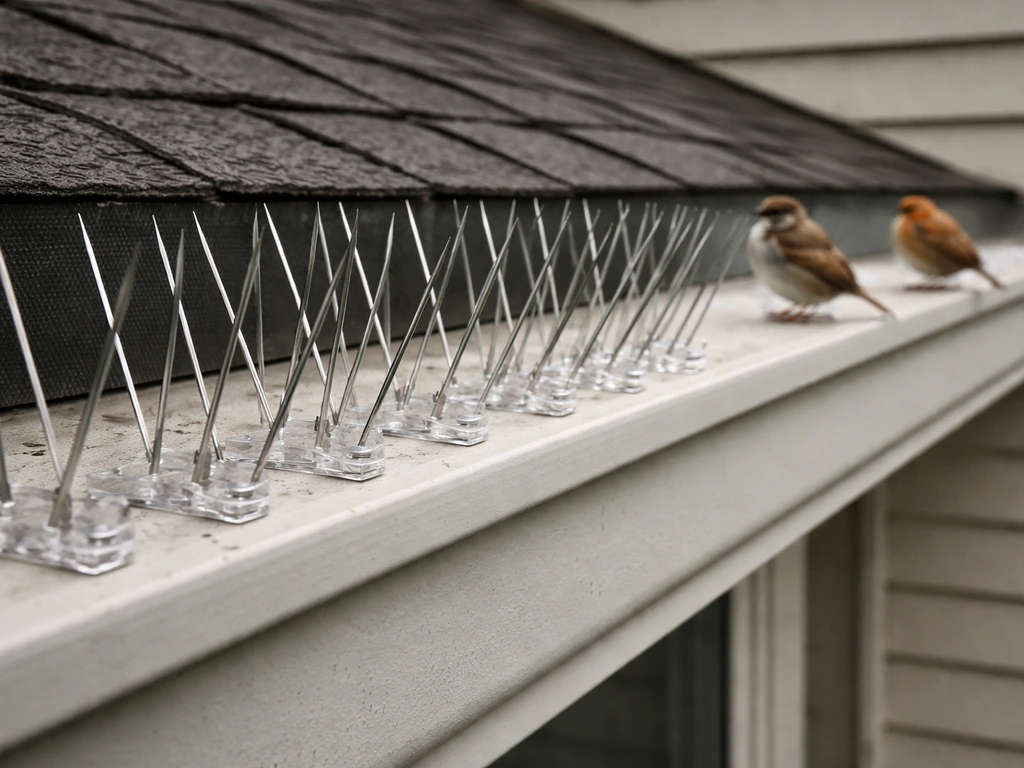
Do Bird Spikes Work? Effectiveness, Setup, and Fixes
Do bird spikes work? Learn how they deter birds, best surfaces, common failures, plastic vs metal, and safe setup fixes.
How to Avoid Bird Attack Drone: Practical Safety Checklist
Practical, humane steps to reduce bird–drone collisions: preflight checks, deterrents, tactics, and legal guidance.
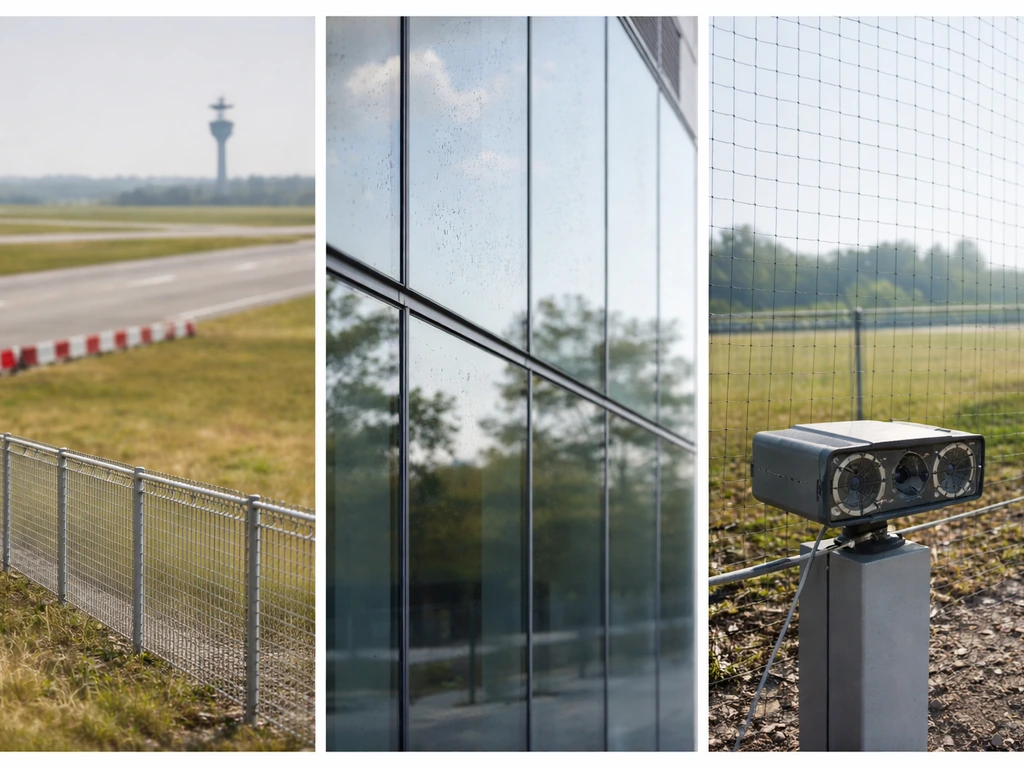
What Is Already Being Done to Prevent Bird Collisions
Learn what’s already used to prevent bird collisions, from airport safeguards to building glass and humane deterrents, p