
Here is the short answer: sonic bird repellers (the kind that play distress calls and predator sounds) can work in the right conditions, but ultrasonic bird repellers (the kind that emit high-frequency sound above 20 kHz) almost certainly won't. That distinction matters a lot, and most people shopping for a "sonic bird repeller" don't realize they're looking at two very different technologies bundled under the same marketing umbrella.
Do Sonic Bird Repellers Work? What to Expect and How to Test

Marcus Weatherby
6 Apr 2026
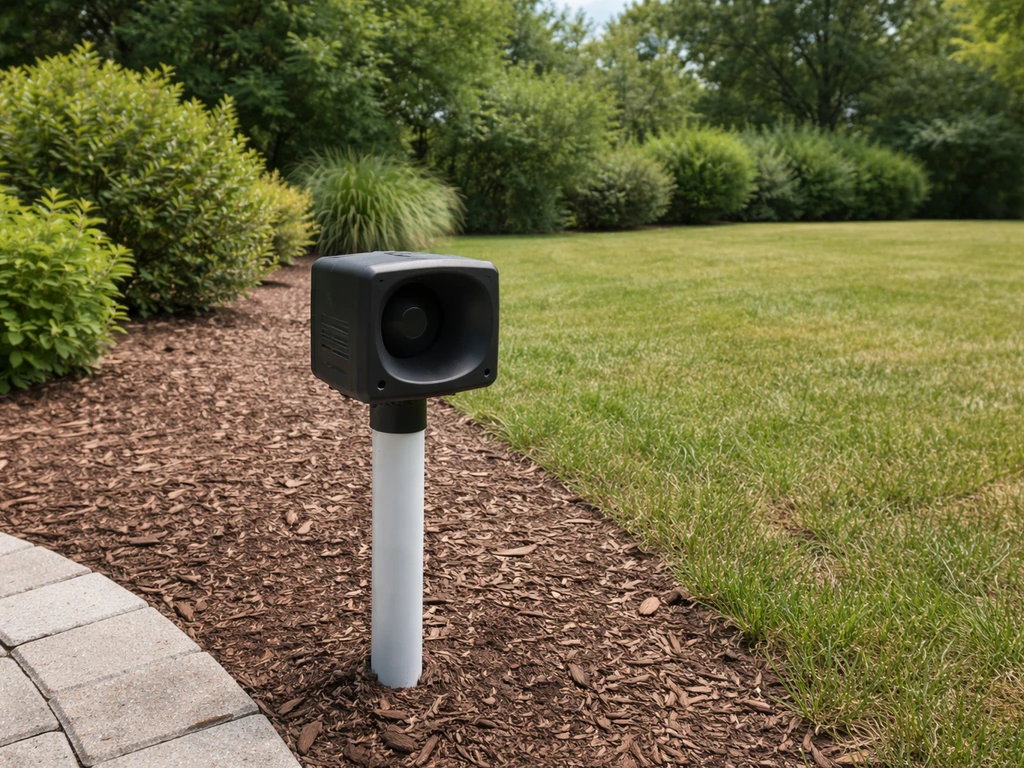
What sonic and ultrasonic bird repellers are supposed to do
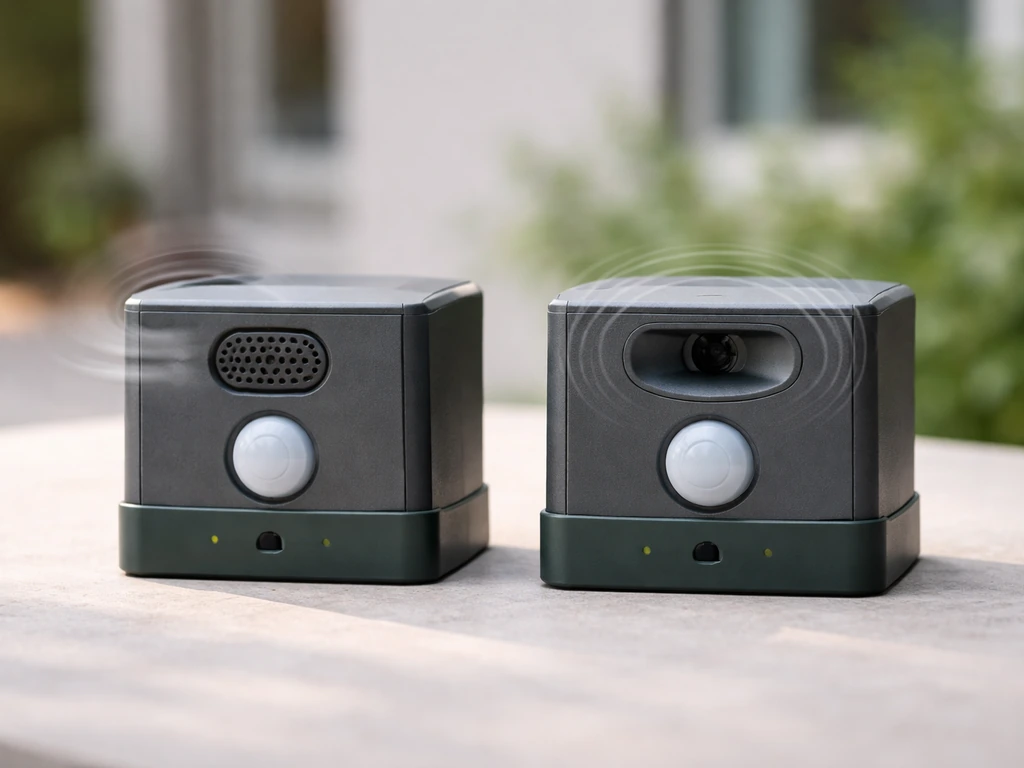
Sonic bird repellers work in the audible range, playing sounds that birds can actually hear: species-specific distress calls, predator vocalizations (hawk screams, owl calls), and general alarm sounds. The idea is to trigger a bird's natural flight instinct by mimicking a genuine threat signal. Devices like the Bird-X BroadBand PRO use four directional speakers and claim coverage of up to 6 acres by broadcasting a rotating mix of these sounds continuously or on a schedule.
Ultrasonic repellers take a completely different approach. They emit sound above 20,000 Hz, which is above the threshold of human hearing. Manufacturers claim this high-frequency noise is disturbing to birds and animals. The Bird-X Ultrason-X, for example, operates in a 15 to 25 kHz range and claims coverage of up to 3,600 square feet. The GuardSonic unit claims a protection distance of 20 to 25 yards. These specifications sound credible until you look at the biology.
Do sonic bird repellers actually work? The honest answer
Audible sonic repellers have real potential, but only moderate and inconsistent results in practice. They work best when first deployed because birds respond to novel, threatening sounds. The problem is habituation: birds are smart, and they figure out quickly that the scary sounds don't lead to any real danger. Within days to weeks, many species simply stop reacting. The National Academies have documented that birds often recolonize treated areas shortly after deterrents stop or become predictable, which illustrates the core limitation of any audio-only approach.
Ultrasonic repellers are a different story, and not a flattering one. The USDA APHIS is blunt about it: [birds do not hear ultrasonic sounds](https://www. aphis. usda.
gov/sites/default/files/co-2020-bdm-ea. pdf). This isn't a fringe opinion. It's the conclusion of multiple independent reviews.
Erickson and colleagues published research titled "High Frequency Sound Devices Lack Efficacy in Repelling Birds," and Griffiths (1987) tested a commercial ultrasonic unit and found no apparent effect on bird activity. The UC ANR Bird Hazing Manual, the FTC's warnings about deceptive ultrasonic device advertising, and aviation wildlife management plans all point to the same finding. Birds' hearing range is actually quite similar to humans, topping out well below 20 kHz.
Devices operating above that threshold are not deterring birds because birds literally cannot detect them.
If you want to dig deeper into this specific question, the research behind whether ultrasonic bird repellers work reveals a consistent pattern: the frequency range marketed as the key feature is the very thing birds can't hear.
The habituation problem with sonic devices
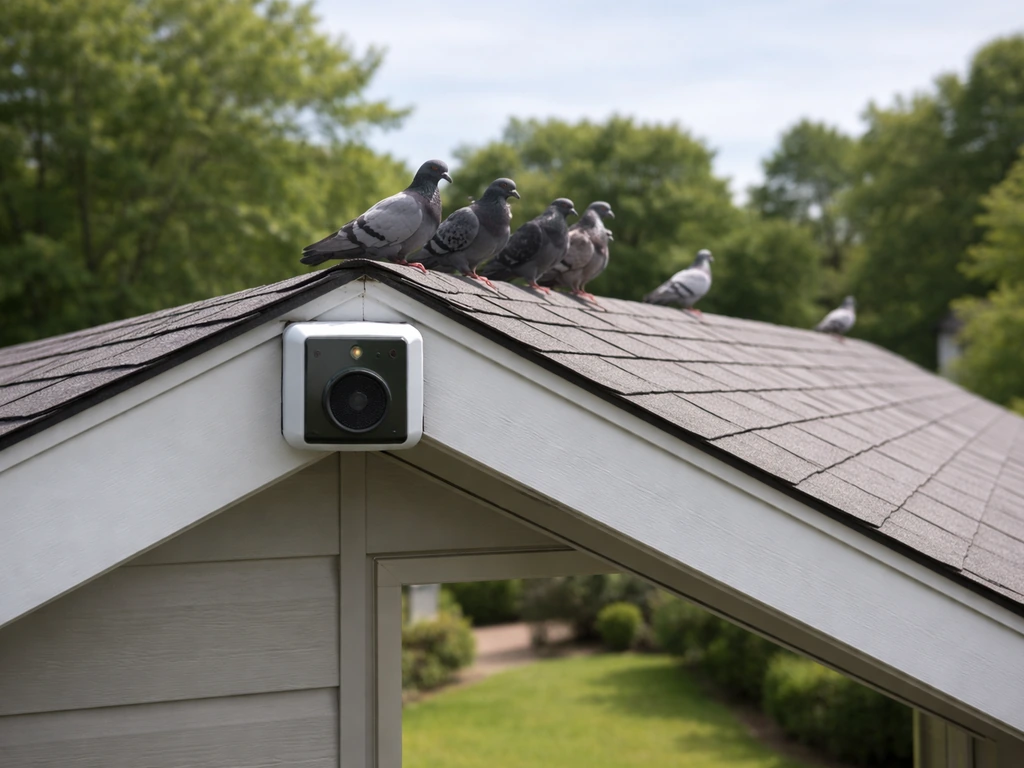
Even with audible sonic repellers, habituation is the most common failure mode. A pigeon that hears a hawk scream every 10 minutes from the same spot on your roof will stop caring about it within a week or two if no actual hawk ever shows up. Rotating sound programs help, but they're not a complete fix. The only reliable way to slow habituation is to combine sonic deterrents with other methods, which is why USDA APHIS consistently recommends integrated approaches rather than relying on a single device.
Which birds and environments give sonic repellers the best shot
Sonic repellers perform best against species that are naturally skittish and have multiple foraging options nearby. Starlings, pigeons, and geese have all shown some response to distress and predator call systems, especially when first introduced. Territorial birds or those with strong nesting instincts are harder to shift. A bird sitting on eggs is not going to be scared off by a hawk sound.
Open environments work better than enclosed ones. A large garden, an open rooftop, a parking lot, or a pond used by geese are all reasonable test cases for sonic repellers. Covered areas like enclosed patios, warehouses, or spaces with overhangs break the line-of-sight coverage and muffle sound projection significantly. Some product documentation (like the MP1B unit) explicitly requires clear line of sight to the birds, with an effective range of only up to 15 meters in a single direction under ideal conditions. That's a much smaller footprint than the marketing suggests.
High-traffic bird species that are already wary (seagulls at a coastal commercial property, for instance) can respond well early in a deployment. Dense, habituated urban populations like city pigeons or house sparrows are almost always harder to move and tend to re-establish quickly even if the sonic deterrent causes short-term displacement.
How to set up a sonic repeller so it actually does something
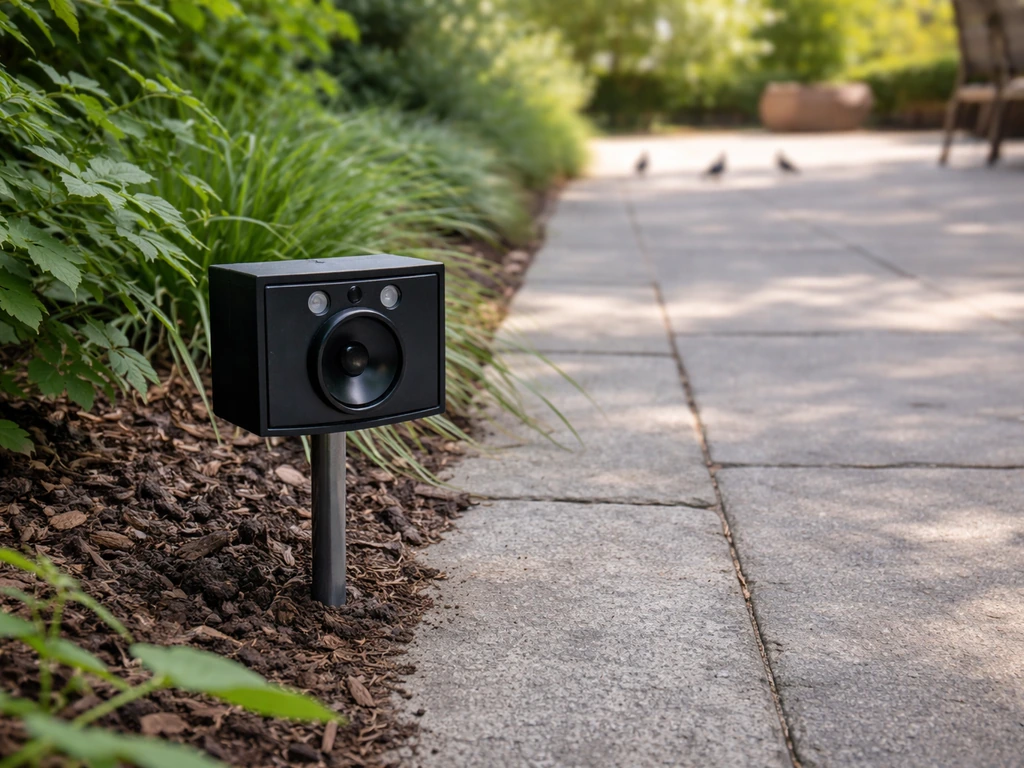
Placement is the most important setup variable. Mount the unit at the birds' level or slightly above, pointed toward the area where birds land, roost, or feed. Don't aim it at a wall. Don't hide it under an overhang. Sound needs a clear path to the birds, and it dissipates quickly with distance and obstacles. If you're protecting a large area, one unit usually isn't enough even if the claimed coverage sounds generous.
Volume and scheduling matter too. Blasting sound 24/7 at maximum volume accelerates habituation and creates noise complaints from neighbors. UC Davis uses a similar noisemaking approach exclusively during daytime hours to protect research areas from crows, which is a practical model: target the times when birds are actively using the space, not around the clock. If birds roost at dusk, program the device to run in the 90-minute window before and during their arrival.
For the best chance of success, combine the sonic repeller with at least one physical or visual deterrent. This is where checking out a review of the best sonic bird repeller options can help, since the better units offer programmable sound schedules, multiple speaker outputs, and weatherproofing suited to outdoor installation. Pair the audio component with reflective tape, predator decoys, or bird spikes on landing surfaces and you significantly raise the odds that birds won't settle back in.
- Mount at or just above bird level with a clear line of sight to the target area.
- Aim speakers toward landing and roosting zones, not at walls or enclosed spaces.
- Use a timer or built-in scheduler to run the device during peak bird activity hours only.
- Start with moderate volume and increase only if birds are not responding after a few days.
- Rotate sound programs if your unit supports it to reduce habituation speed.
- Combine with at least one visual or physical deterrent to create multi-sensory pressure.
- Move the unit's position by a few feet every week or two to prevent birds from learning its pattern.
How to test whether it's working (and diagnose failure)
Give a sonic repeller a realistic evaluation window of two to three weeks. In the first few days, you should see birds flushing or hesitating when the sounds trigger. If you see zero behavioral change in the first 48 hours, the device either isn't covering the area properly or isn't producing the right sounds for the species present. Check that the unit is actually powered on and functioning, that the volume is audible from the problem area, and that the sound library includes calls relevant to the species you're dealing with.
If birds initially respond but return within two weeks, that's classic habituation. The solution is not just turning up the volume. Try repositioning the unit, switching to a different sound program, or adding a visual deterrent to make the threat feel more real. If birds are completely ignoring the device after a week, it's worth considering whether you're dealing with a nesting situation (sound deterrents rarely override nesting instincts) or a species that is particularly habituated to human noise environments.
For ultrasonic-only devices: if birds aren't moving, the most likely explanation is that the device isn't producing sound birds can hear at all. Check the frequency specifications on the label. If the operating range is entirely above 15 kHz, you have an ultrasonic unit. A middle-aged human cannot reliably hear above 12,000 to 14,000 Hz, so you won't be able to confirm operation by listening to it yourself. That makes troubleshooting difficult and, frankly, is part of why these devices are so easy to keep selling despite poor performance. If you've been running an ultrasonic-only device and birds aren't moving, don't troubleshoot it further. Switch to an audible sonic unit or a different method entirely.
Safety, regulations, and where to be careful
Audible sonic repellers at high volumes can disturb neighbors, which is a practical and sometimes legal problem in residential areas. Check local noise ordinances before installing, especially if you're running the device early in the morning or late at night. Commercial and agricultural users often have more latitude, but residential deployments need to stay within reasonable decibel limits.
Ultrasonic devices are generally safe for humans, but dogs and cats can hear into the ultrasonic range (cats up to approximately 64 kHz, dogs up to 65 kHz or higher). If you have outdoor pets or if neighbors have dogs or cats, an ultrasonic device running continuously in your yard may cause them stress even though you can't detect it. This is worth considering even when the devices are ineffective for birds.
In aviation-adjacent environments, any bird deterrent program should align with existing wildlife management plans. The USDA APHIS and Australian aerodrome wildlife management plans both explicitly state that ultrasonic deterrents are not appropriate tools for airport or airfield bird control because birds cannot detect them. If you're managing birds at or near a regulated airfield, work with the airport wildlife manager and follow their approved protocols rather than deploying independent devices.
In the U.S., electronic pest-control devices are not regulated with the same rigor as chemical pesticides, meaning manufacturers aren't required to prove efficacy before making claims. The FTC has warned about deceptive advertising for ultrasonic pest-control devices specifically. This regulatory gap is why product marketing can confidently claim frequency ranges and coverage areas that are contradicted by independent research. Read those claims carefully.
If you're considering a solar-powered unit for a remote area or garden, make sure to review the specific operating instructions. The solar powered ultrasonic animal and bird repeller manual for your specific device will detail the sensitivity settings, coverage angles, and power requirements that determine whether the unit performs anywhere close to its stated specifications.
What to use instead (or alongside) when sonic isn't cutting it
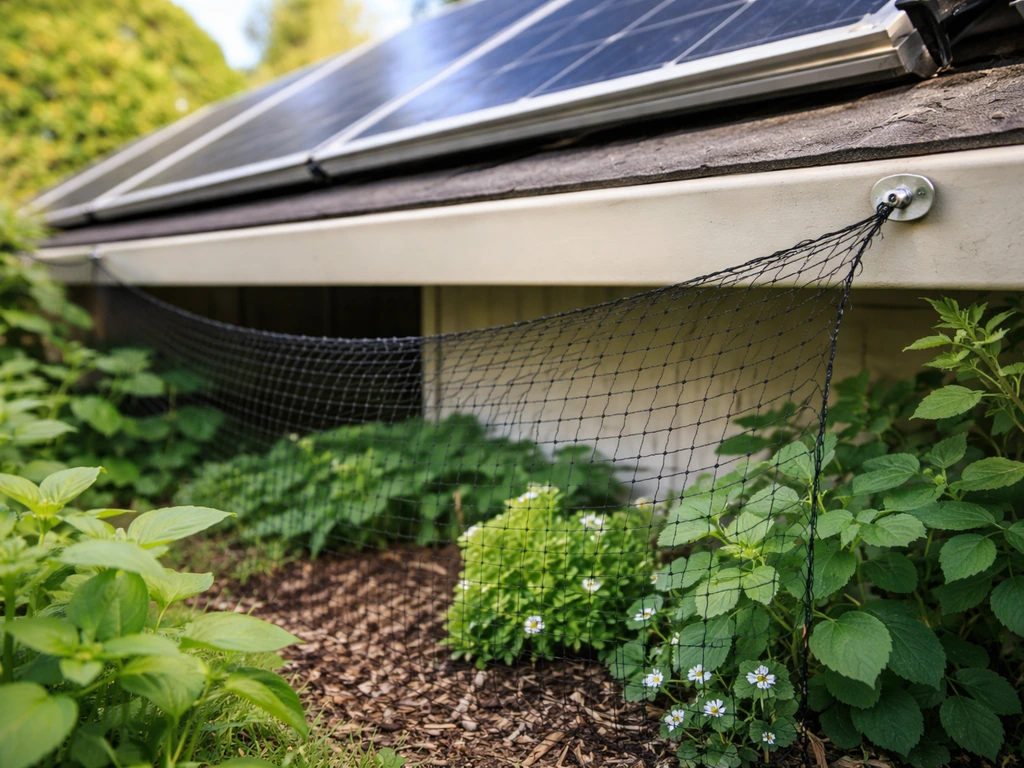
Physical exclusion is the most reliable long-term bird control method available. Bird netting blocks access to the space entirely: under solar panels, in roof eaves, over garden beds, and around HVAC equipment. Bird spikes prevent landing on ledges, railings, and rooflines. These methods don't rely on a behavioral response and don't habituate. If you have a specific surface where birds are roosting or nesting, physical exclusion is almost always the right answer.
Visual deterrents are worth adding to any sonic setup, and they're also useful on their own in low-stakes situations. Reflective tape, predator decoys, and holographic scare devices create visual disturbance that birds find threatening. If you're evaluating whether these are worth the investment, the research on whether reflective bird deterrents work is a useful starting point. And if you decide to go that route, a comparison of the best reflective bird deterrent products will help you pick something that holds up outdoors over time.
Decoys are another option with caveats. A realistic predator decoy (owl, hawk, coyote) can deter birds in the short term, but it needs to be moved regularly to avoid birds learning it's static. If you want to understand what actually works here, the breakdown of whether bird decoys work covers when they're effective and when birds simply ignore them.
Sanitation and habitat modification are underused and highly effective. Birds stay where food, water, and shelter are available. Removing bird feeders, covering trash, eliminating standing water, and trimming dense shrubs can do more to reduce bird pressure than any repeller device. This is especially true for pigeons, sparrows, and starlings in urban settings.
Sonic vs. ultrasonic vs. other deterrents: a quick comparison
| Method | Effective for Birds? | Habituation Risk | Best Use Case | Main Limitation |
|---|---|---|---|---|
| Sonic repeller (audible distress/predator calls) | Yes, moderately | High within 1 to 3 weeks | Open outdoor areas, new bird pressure | Birds adapt quickly without backup deterrents |
| Ultrasonic repeller (above 20 kHz) | No | N/A | Not recommended for birds | Birds cannot hear this frequency range |
| Physical spikes and netting | Yes, reliably | None | Specific roost or nest surfaces | Requires installation, doesn't address foraging |
| Reflective and visual deterrents | Yes, short to medium term | Moderate | Gardens, patios, open areas | Must be moved regularly to stay effective |
| Predator decoys | Yes, short term | High without movement | Initial displacement, combined with other methods | Static decoys lose effectiveness within days |
| Habitat modification and exclusion | Yes, long term | None | Root cause removal of food, water, shelter | Requires effort and may not be fully achievable |
If you're specifically evaluating ultrasonic products and want to know which ones come closest to useful (for pets or mammals even if not for birds), the guide to the best ultrasonic bird deterrent covers the current product landscape honestly, including which devices are genuinely audible-range units marketed under the ultrasonic label.
The bottom line: when to use sonic, when to skip it
Use an audible sonic repeller if you have a new or moderate bird problem in an open outdoor area, you're willing to combine it with at least one other deterrent, and you can program it to run on a schedule tied to bird activity. Under those conditions, it's a reasonable first step and costs less than physical exclusion.
Skip sonic repellers if you have a nesting situation, a small enclosed space, a species that's already well-habituated to your property, or if you're managing bird risk in a regulated environment like an airfield. In those cases, go straight to physical exclusion, habitat modification, or a professional wildlife management consultation.
Skip ultrasonic-only repellers entirely for bird control. The science is consistent across USDA APHIS, UC ANR, independent researchers, and aviation wildlife management authorities: birds don't hear in the ultrasonic range. A device that produces sound birds can't detect is not a deterrent, regardless of what the product packaging claims.
FAQ
Do sonic bird repellers work if birds are already nesting on my property?
Usually no. Even if audible distress or predator sounds trigger brief movement, nesting instincts often override deterrence. If you suspect active nests, use physical exclusion (netting, blocking access points) or consult a local wildlife professional, since removal during nesting can be illegal for many species.
How long should I run an audible sonic repeller before deciding it’s not working?
Give it a realistic 2 to 3 week test window, with day-specific scheduling (run during peak arrival and foraging hours). If you see no change in bird behavior after 48 hours, it likely is not reaching the birds due to placement, volume, or missing species-appropriate sound types.
What’s the most common reason “sonic coverage” claims fail in real life?
Line of sight and sound travel limits. Sound drops quickly with distance and is weakened by overhangs, walls, dense foliage, and acoustic damping surfaces. One unit covering “6 acres” on paper may only cover a much smaller usable zone in practice.
Can I rely on ultrasonic repellers if I can hear the sound they make?
Hearing it yourself does not prove birds can hear it. A device may be producing ultrasonic frequencies that your hearing cannot detect, while still creating an audible byproduct (like vibrations) you can hear. Check the labeled frequency range, and treat units operating entirely above about 15 kHz as not suitable for birds.
Do sonic repellers work better against some birds than others?
Yes. More “alarm responsive” species like pigeons, starlings, and some geese may show short-term displacement, especially early in deployment. Territorial or nesting-focused birds tend to be harder to shift, and you may need stronger non-audio controls.
Will turning the volume up fix habituation?
Not reliably, and it can backfire. Higher volume often accelerates habituation and increases noise complaints. Instead of maxing volume, try repositioning, switching sound programs, and combining audio with visual or physical deterrents so the threat signal does not become predictable.
Do I need to rotate different sounds, or is continuous playback enough?
Rotation usually helps. Continuous identical calls become predictable faster. Use models with programmable schedules and alternate sound libraries, and time the bursts around bird arrival and roosting periods rather than running 24/7.
How should I place a sonic repeller for best results?
Mount it at birds’ level or slightly above and point it toward landing or feeding areas, not at a wall or blocked surface. Avoid hiding it under an overhang, since obstacles reduce the sound path. If the birds use multiple distinct landing zones, plan for multiple units or use exclusion to remove access points.
Could sonic repellers bother neighbors or violate local noise rules?
Yes. Even if the device is outdoors, high-volume audible alarms can trigger complaints, especially early mornings, late evenings, or continuous operation. Check local ordinances and use a schedule tied to bird activity, with lower duty cycles when possible.
Are ultrasonic repellers safe for pets like cats and dogs?
They can stress pets. Cats and dogs can detect ultrasonic frequencies well into ranges that humans cannot hear. If you have pets outdoors, or neighbors’ pets roam your yard, avoid continuous ultrasonic operation and consider audible-only or non-audio exclusion methods.
Will reflective tape or decoys alone work instead of a sonic repeller?
Often they can help, but each has limits. Reflective materials can reduce settling by creating visual disturbance, but they may need reapplication after weathering. Decoys like predator models often lose effectiveness if they stay in one position, so movement or pairing with other deterrents matters.
What should I do first if birds are only showing up near one specific spot?
Start with targeted controls at the landing or roosting surface. Identify where birds access food, water, or shelter, then block that route with spikes, netting, or covering gaps. This approach is more reliable than trying to protect a whole yard with audio alone.
Next Articles
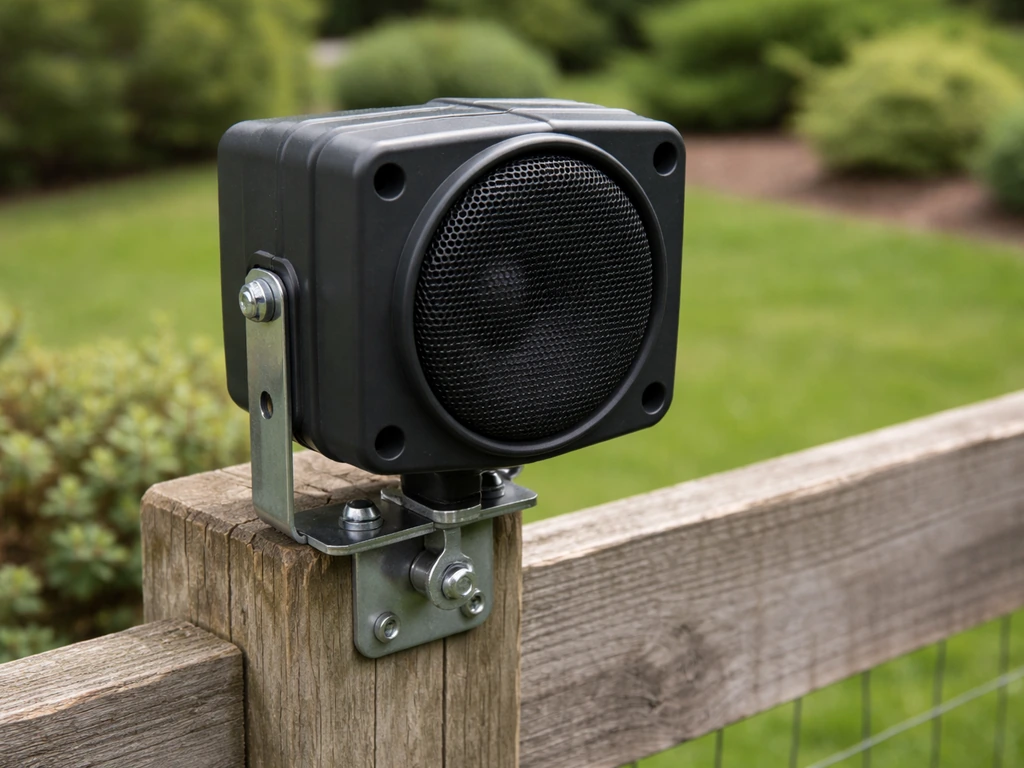
Best Sonic Bird Repeller: Reviews, Setup, and Limits Guide
Find the best sonic bird repeller: setup, coverage limits, safety, and which models work by site for real results.
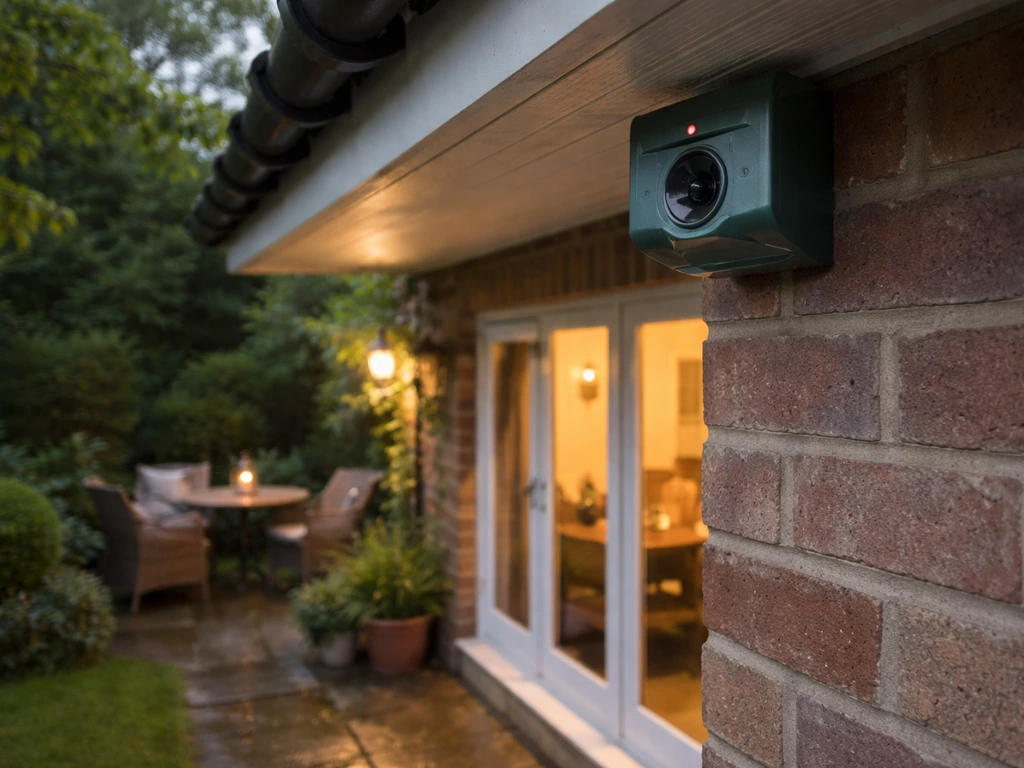
Best Ultrasonic Bird Deterrent: UK Guide and Picks
UK guide to the best ultrasonic bird deterrent: choose, position, and manage limits for patios, roofs, gardens, and sola
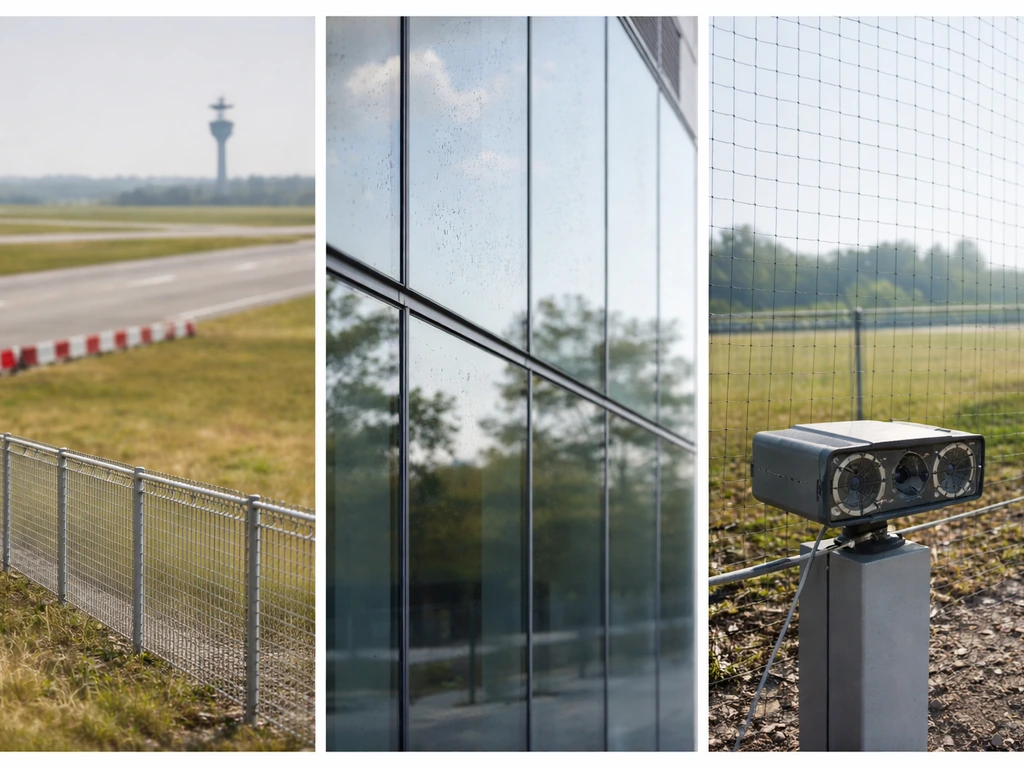
What Is Already Being Done to Prevent Bird Collisions
Learn what’s already used to prevent bird collisions, from airport safeguards to building glass and humane deterrents, p