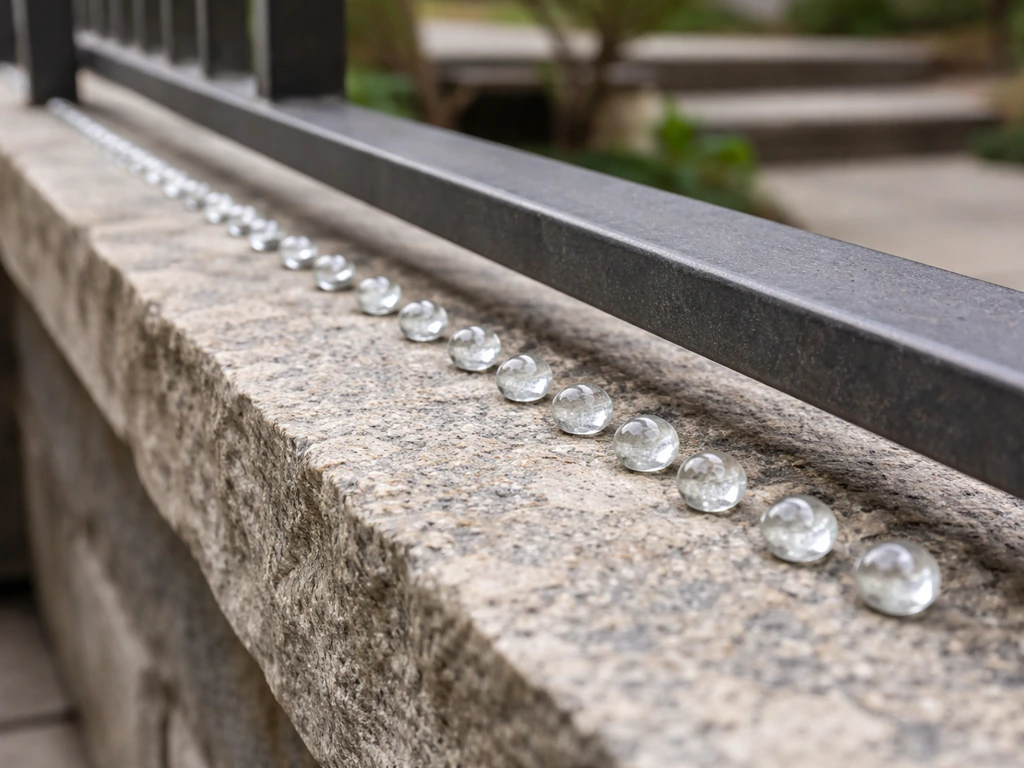
Bird Barrier Optical Gel works by tricking birds into thinking a treated surface is on fire. If you are wondering does bird gel work, optical gel is designed to deter birds by combining UV-triggered visual cues with scent and a sticky texture. Each small plastic dish contains a light-yellow gel made from agar, beeswax, peppermint oil, and citronella.
How Does Bird Barrier Optical Gel Work for Deterrence?

Marcus Weatherby
7 Jul 2026
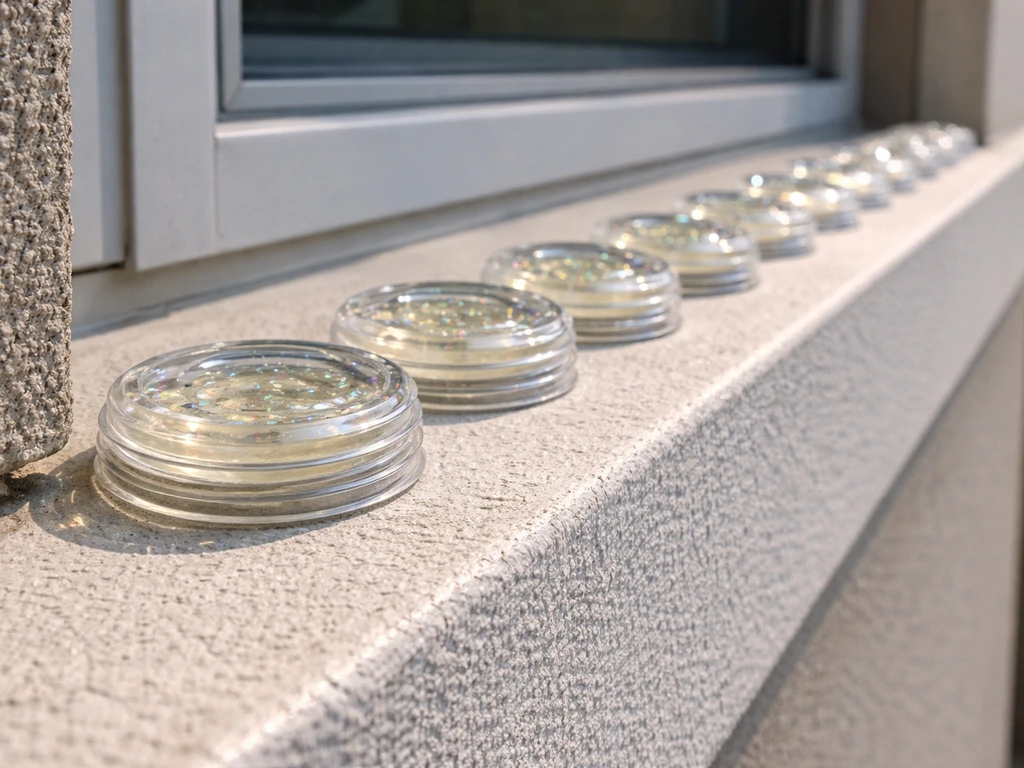
Birds can see UV light that humans cannot, so when they look at a treated ledge, the gel reflects UV in a way that registers as flames or smoke to them. On top of that visual alarm, the citronella and peppermint scent repels them, and the sticky texture discourages any bird that tries to land anyway. The result is a multi-sensory deterrent that hits birds through sight, smell, and touch at the same time.
What Bird Barrier Optical Gel is and where it gets used
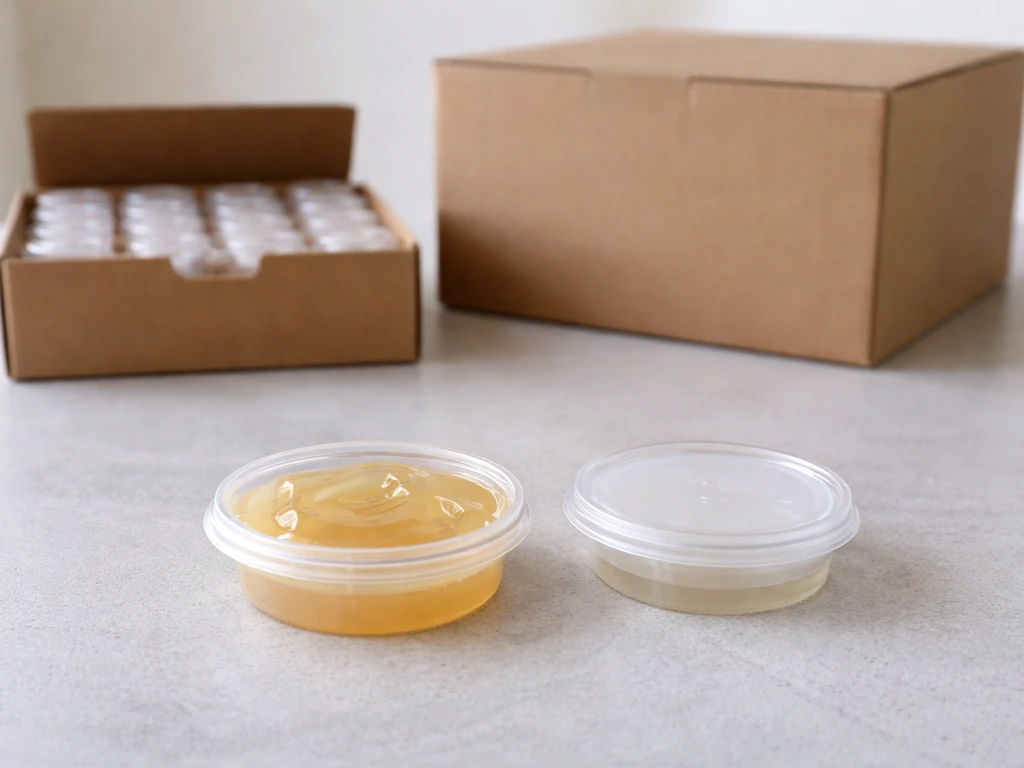
Optical Gel is a ready-to-use product sold in small pre-filled plastic dishes. You buy it in a 24-pack (which covers roughly 12 to 16 feet of ledge in a single row) or a 200-pack that protects up to 80 square feet. The dishes go directly onto a surface using silicone adhesive, a magnetic mount for metal surfaces, or zip ties in certain situations. No mixing or filling required.
Bird Barrier targets it at a wide range of locations: window ledges, building signs, balconies, soffits, beams, skylights, rooftops, HVAC equipment, and enclosed spaces like parking structures. It's marketed for blank" rel="noopener noreferrer">all species from sparrows to gulls, and at all pressure levels from occasional daytime perching to heavy nesting activity. In practice, you'll most often see it on commercial building ledges, under eaves where swallows nest, and on flat roof parapets where pigeons roost.
Why birds actually avoid it: the optical and sensory mechanism
The core mechanism is UV reflection. Humans look at an Optical Gel dish and see a small clear-ish plastic container with yellowish gel inside. Birds see something that looks like fire or smoke rising from the surface, because their vision extends into the UV spectrum and the gel is formulated to reflect UV light in a way that triggers that instinctive fear response. The product is described as invisible from the ground below, which matters for aesthetics on a commercial building.
The scent component adds a second layer. Citronella and peppermint oil are both aromas birds find strongly aversive. Even if a bird flies in close enough to investigate, the smell works as a second deterrent before it ever touches down. And if a bird does attempt to land, the sticky gel texture is unpleasant on their feet, completing the three-part sensory deterrent.
Bird Barrier references a four-year University of Pisa study on this technology, which reported 100% effectiveness at dissuading feral pigeons from roosting at night for at least one year after installation. The study used empty plastic dishes as a control group and tracked bird counts at set times (sunrise, midday, afternoon, sunset) using time-stamped video. That's a more rigorous setup than most bird-control product testing, though it was conducted on one species under specific controlled conditions.
How to apply it for maximum effectiveness
Prep the surface first, this step is non-negotiable
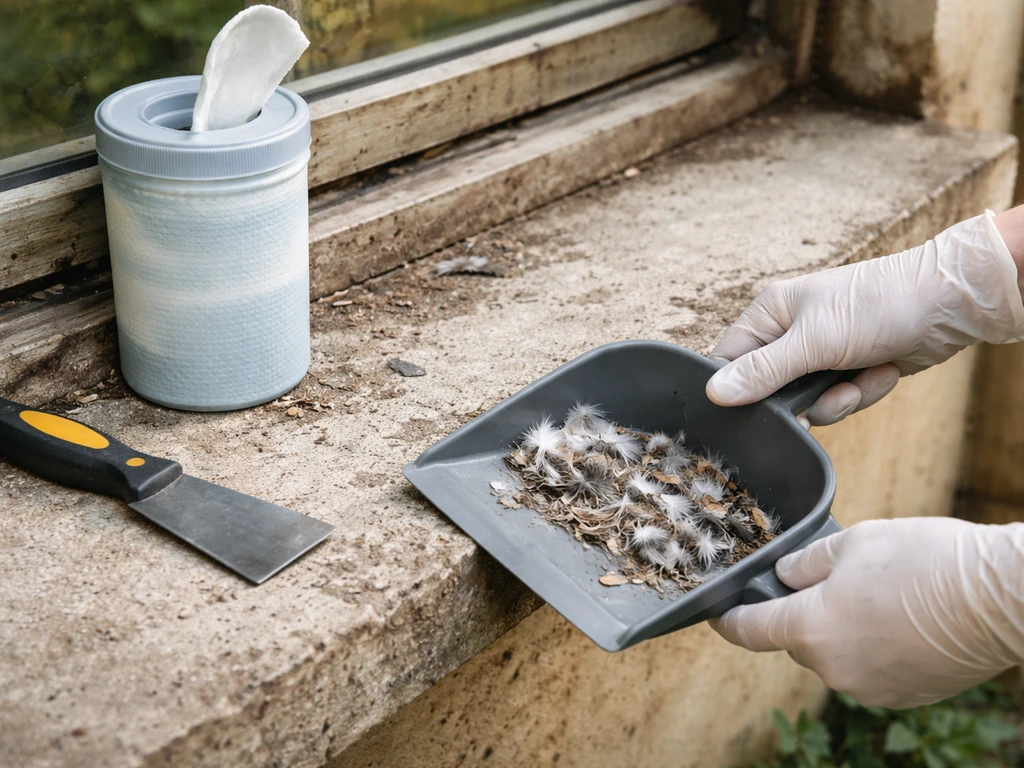
Before placing a single dish, you need to clean the area thoroughly. If birds have been roosting there, that means droppings, feathers, nesting material, and possibly dead birds. Bird Barrier's own warranty is voided if you skip this step. Wear waterproof gloves, rubber boots, and an N-95 or better respirator when cleaning up bird debris, dried feces can carry pathogens that become airborne when disturbed.
Spray the area with a cleaning solution like Bird Barrier's Dissolve-It, let it soak for 20 minutes to break down the droppings and neutralize odors, then scrub, rinse, and wipe clean. Finish with a diluted bleach spray while the surface is still damp. Once the surface is fully cleaned and dry, you can move on to how to apply bird repellent gel for maximum effectiveness.
The reason cleaning matters beyond hygiene: residual bird odors attract birds back to a site. If you glue optical gel dishes over a surface that still smells like a roosting spot, the scent cue that draws them in will compete with the deterrent. Clean surface, clean start.
Spacing the dishes correctly
Spacing is where most DIY installations go wrong. Optical Gel works by creating a continuous barrier of visual and olfactory deterrence with no gaps birds can exploit. The center-to-center spacing depends on both the bird species and the pressure level at your site.
| Scenario | Maximum spacing (center-to-center) |
|---|---|
| Heavy pressure / nesting sites | 6 inches |
| Medium pressure / night roosting | 8 inches |
| Light pressure / day roosting | 10 inches |
| Sparrows and swallows | 6 inches |
| Starlings | 8 inches |
| Corvids and cormorants | 10 inches |
| Gulls | 12 inches |
The 24-pack covering 12 to 16 feet assumes a single row on a ledge no wider than 6 inches. Wider ledges or two-row placements will require more dishes. When in doubt, space tighter. Birds are persistent and clever, and they will find and use any gap you leave.
Mounting the dishes
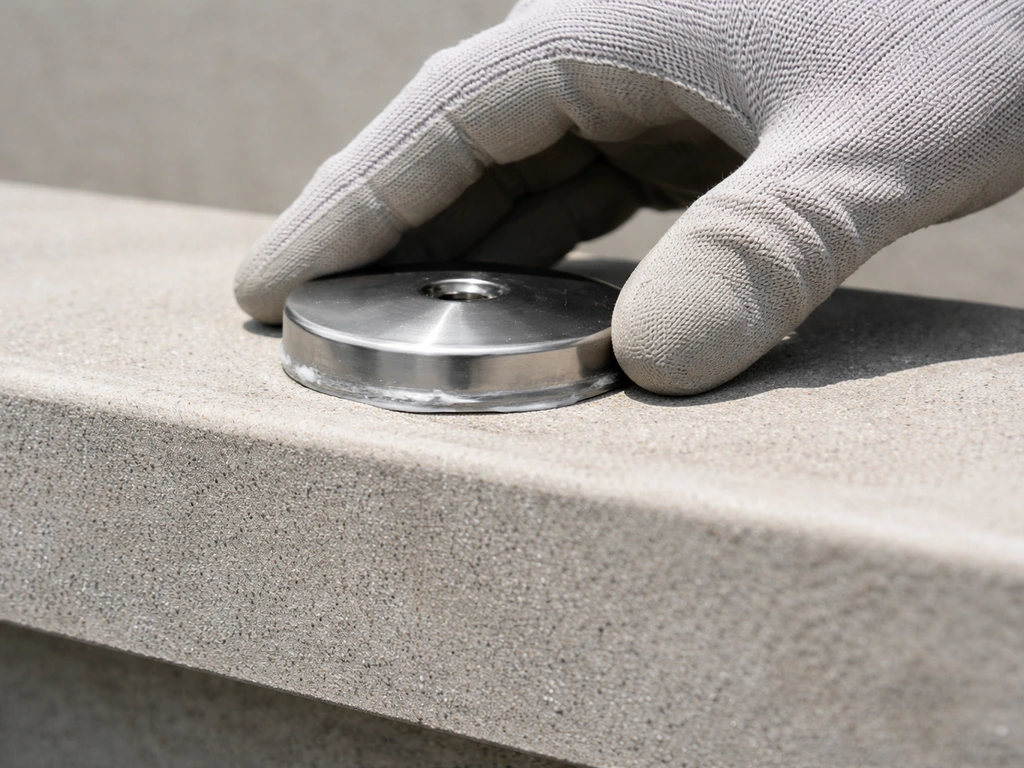
For most surfaces, you'll attach each dish using a silicone adhesive such as White Lightning Silicone or Bird Barrier Bond. Apply a dab to the bottom of the dish and press it firmly onto the cleaned surface. For metal surfaces, the magnetic Optical Gel Mag version sticks directly to steel (note: it does not bond to stainless steel or aluminum). Zip-tie mounts work in situations where adhesive isn't practical, like pipe rails or wire systems.
One hard rule from the installation guide: do not mount dishes on vertical surfaces. The exception is for mud swallows and woodpeckers, which have specific installation patterns. For every other species, the dishes need to sit on horizontal or near-horizontal perching surfaces where birds would actually stand.
Where optical gel works best and where it falls short
Optical Gel performs best on narrow ledges, soffits, beams, and parapet edges where birds are landing on a defined, manageable surface. If you are wondering whether does bird repellent gel work, this is when optical gel tends to perform best. If you can measure the perch width and place dishes in a clear row with consistent spacing, you're in the product's sweet spot. It's particularly effective under eaves where swallows nest, because the manufacturer specifically targets that use case and the spacing guidelines are designed for it.
It's less effective on wide, flat roof areas, large open surfaces like a patio deck, or anywhere birds have multiple landing zones that are difficult to cover densely. In general, the best answer to do bird protectors work depends on correct placement and whether the birds have clear landing zones. If the surface is porous, rough, or uneven (like raw concrete or certain masonry), adhesive may not bond well and dishes can pop off. The magnetic version solves this on painted steel but won't work on stainless steel or aluminum panels, which are common on modern HVAC equipment and architectural cladding.
Enclosed or semi-enclosed spaces like parking garages, loading docks, and interior ledges are actually a strong use case because the smell component is more concentrated indoors and birds have less space to maneuver around the deterrent zone. Open outdoor environments with wind can dissipate the scent more quickly, reducing that part of the effect over time.
Safety, environmental considerations, and your pets
The Safety Data Sheet classifies Optical Gel as not hazardous. The active ingredients are citronella and peppermint oil in a beeswax and agar base, which is a relatively benign formulation compared to chemical repellents. That said, it's still a product you shouldn't eat or get in your eyes. If it contacts skin, wipe it off and wash with soap and water. If it contacts eyes, rinse thoroughly with water and get medical attention if irritation persists.
The bigger safety concern during installation isn't the gel itself, it's the bird debris you're cleaning up beforehand. Dried droppings from pigeons and other birds can carry histoplasmosis, cryptococcosis, and other airborne pathogens. The N-95 respirator recommendation in the installation guide is serious advice, not a formality. Use it.
For pets, the peppermint and citronella scent is generally aversive to cats and dogs as well, so if you're installing near an area your pets access, be aware they may find the treated surface unpleasant. The gel itself is not toxic to them in normal exposure, but you don't want a curious dog licking it off a low ledge repeatedly. Keep that in mind for ground-level or patio applications.
From a wildlife perspective, the deterrent is non-lethal and humane. Birds are repelled, not harmed. The product uses natural ingredients and doesn't leave toxic residue that would affect insects, soil, or nearby plants. It's also described as invisible from below, so it doesn't create visual clutter that might confuse other wildlife.
Maintenance, longevity, and what to do when birds come back
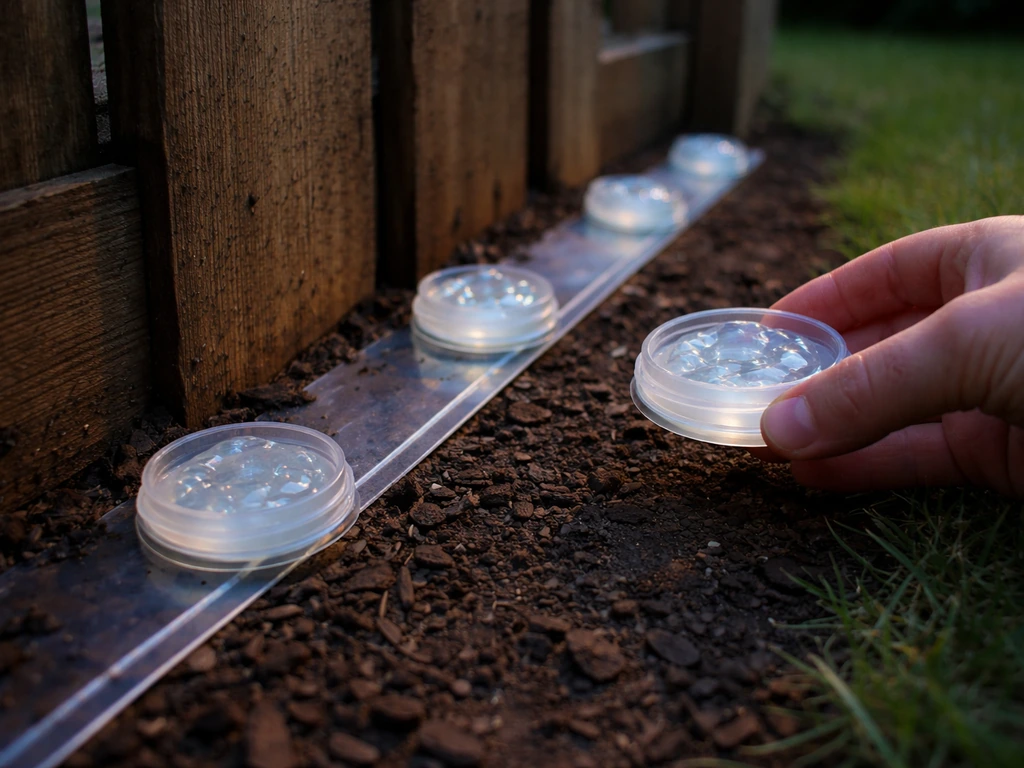
Bird Barrier's warranty covers two years when installed per their specifications, and the product page also references a four-year warranty in certain contexts. In field use, individual dishes are expected to last two to four years depending on climate and exposure. The gel is formulated to be dense enough that it won't run even in extreme heat, and it's described as resistant to moisture, which matters for outdoor ledges exposed to rain.
Over time, the UV-reflective properties and scent will degrade. When you notice birds starting to test a previously clear area, check the dishes first. UV exposure and weathering gradually reduce effectiveness even if the dish looks intact. Scent fades faster than the optical component, especially in windy outdoor locations.
If birds return to a treated area, the most common causes are gaps in coverage (a dish that fell off or was never placed tightly enough), a new bird species or flock that hasn't been conditioned to avoid the site yet, or dishes that have exceeded their effective lifespan. The fix is systematic: inspect the entire treated area, replace any missing or degraded dishes, close any spacing gaps, and re-clean the surface if birds have left new droppings.
The installation guidance makes it clear that birds are persistent and will exploit any gap you leave. If you've fixed the gaps and birds are still landing on the treated area, it may be time to move to a physical barrier for that specific zone. Corner spots and recessed areas where birds feel sheltered are particularly hard to treat with gel alone and may need spikes or netting to back it up.
How optical gel compares to spikes, netting, and other deterrents
Choosing the right tool depends on your surface, species, and pressure level. If you are wondering does bird repellent spray work, it's usually less targeted than systems like optical gel and may require frequent reapplication. Optical Gel sits in an interesting middle ground: more discreet than spikes, easier to install than netting, but with more limitations on surface type and coverage area than either.
| Method | Best for | Limitations | Maintenance |
|---|---|---|---|
| Optical Gel | Narrow ledges, soffits, beams, enclosed spaces | Won't adhere to all surfaces; degrades over 2-4 years; less effective on wide open areas | Replace dishes every 2-4 years; inspect for gaps |
| Bird Spikes | Ledges, parapets, roof edges | Visible; debris can collect in spikes; doesn't work on flat open areas | Low; occasional cleaning and reattachment |
| Bird Netting | Large open areas, fruit trees, solar panels, rooftop gaps | Installation is complex; can look industrial; needs tight perimeter sealing | Moderate; inspect for tears and anchor failures |
| Sonic/Ultrasonic deterrents | Open gardens, yards, larger outdoor areas | Birds can habituate quickly; limited effectiveness in enclosed spaces | Low hardware; moderate programming and repositioning |
| Visual deterrents (reflective tape, decoys) | Gardens, patios, smaller areas | High habituation rate; short-term effectiveness | Regular repositioning required |
For a narrow commercial ledge with pigeon pressure, optical gel is a strong first choice: discreet, effective for that geometry, and easy to install without professional tools. For a large flat roof with gulls or a fruit garden with smaller birds, netting is more reliable because gel coverage math becomes impractical at scale. Spikes are a good fallback when gel has been tried and birds are still persisting, especially at corners and edges where gel dishes can be difficult to anchor.
One approach that works well in practice is layering methods. Use optical gel as the primary deterrent on ledges and beams, and add spikes at building corners or nesting hotspots where birds consistently return. Combining optical and physical barriers closes the gaps that either method alone tends to leave. If you're also dealing with birds at windows or in garden areas, pairing optical gel on the structural surfaces with a repellent spray approach on plants and glass gives you a more complete coverage strategy.
If you've tried gel and spikes and birds keep returning, that's typically a sign the pressure level is high enough that professional installation and assessment make sense. A certified installer can identify the specific landing zones, nesting corners, and species behavior driving the problem and design a coverage plan that accounts for all of it, rather than patching one gap at a time.
FAQ
Can bird barrier optical gel work on vertical walls or directly on building faces?
It can, but only if you treat the part of the site birds can actually perch. The gel is designed for continuous, reachable deterrence on ledges and near-horizontal surfaces. If the only “landing” area is a vertical wall, you would be fighting the product’s placement rules, and birds will look for alternate footholds or gaps.
Will optical gel still work during heavy wind or rain?
Yes, but you should expect the coverage to change because the effectiveness depends on keeping a tight, gap-free line. Wind disperses citronella faster and may encourage birds to test edges and corners, so you may need slightly denser spacing and more frequent inspections after storms or season changes.
What happens if you install optical gel before fully removing droppings and nesting material?
The product works best when its UV-visual effect and smell effect overlap for the same perching zone. If you apply it over fresh or recently disturbed droppings, the residual odor can attract birds and compete with the deterrent. A clean start plus thorough drying before installation is the safer approach.
My surface is rough or porous, will the gel dishes stay attached?
It depends on the specific surface and mount type. Silicone adhesive may not hold well on porous or rough materials, and magnetic mounting is limited to ferrous metal, not stainless steel or aluminum. If dishes loosen, birds can land on gaps, so it’s worth choosing the correct mount for the material you have.
Can the magnetic optical gel be used on stainless steel or aluminum HVAC panels?
For the optical gel version that uses magnets, avoid stainless steel and aluminum panels. If your HVAC unit or architectural cladding is non-ferrous, use silicone adhesive or zip ties if the structure supports them, otherwise plan for an alternative system.
If birds return quickly, what are the most common reasons optical gel is failing?
If birds are persisting after installation, check three things first: missing dishes, loosened dishes creating spacing gaps, and whether there is a new landing zone nearby (like an adjacent ledge or roof edge). If none of that explains the behavior, birds may be nesting in a recessed spot where gel cannot create a continuous barrier.
How long does it take for birds to stop testing a treated area?
You can reduce re-visits, but you should still expect conditioning time. Birds might test briefly, then move on once they associate the site with the UV visual cue plus odor plus sticky texture. For persistent pressure, re-check spacing and replace any dishes that have degraded.
Is optical gel safe around pets, and can animals lick it off?
Yes, pets may find the smell aversive, especially cats and dogs, and the gel can be unpleasant if licked. Keep it out of reach for animals that can access low ledges, and avoid placing dishes where a pet can repeatedly chew or scrape them off.
Does optical gel deter all birds on any property, or are there limits?
The gel is formulated to be non-lethal, but it is not an effective “move every bird everywhere” solution. It is most suitable when you can control the geometry of perching access. Large open areas with many alternative landing points usually require a different strategy, like netting, or physical barriers at specific hotspots.
How do I know when it is time to replace dishes instead of just re-spacing them?
Because UV-visual performance and scent strength degrade over time, the practical maintenance is inspection and replacement. When birds start testing the area, check UV exposure conditions, look for damaged or faded dishes, and replace those that have lost coverage or appear weathered.
What layering strategy works best when gel alone is not enough?
Layering helps where gel alone cannot create a fully continuous deterrent, especially at corners, recessed pockets, and nesting hotspots. A common approach is gel along main ledges and a physical barrier at edges or sheltering zones where birds can exploit cover.
Next Article
Does Bird Gel Work? Effectiveness, Setup, and Alternatives
Find out if bird gel works on ledges, rails, roofs and patios, plus setup tips, timeline, safety, and better alternative