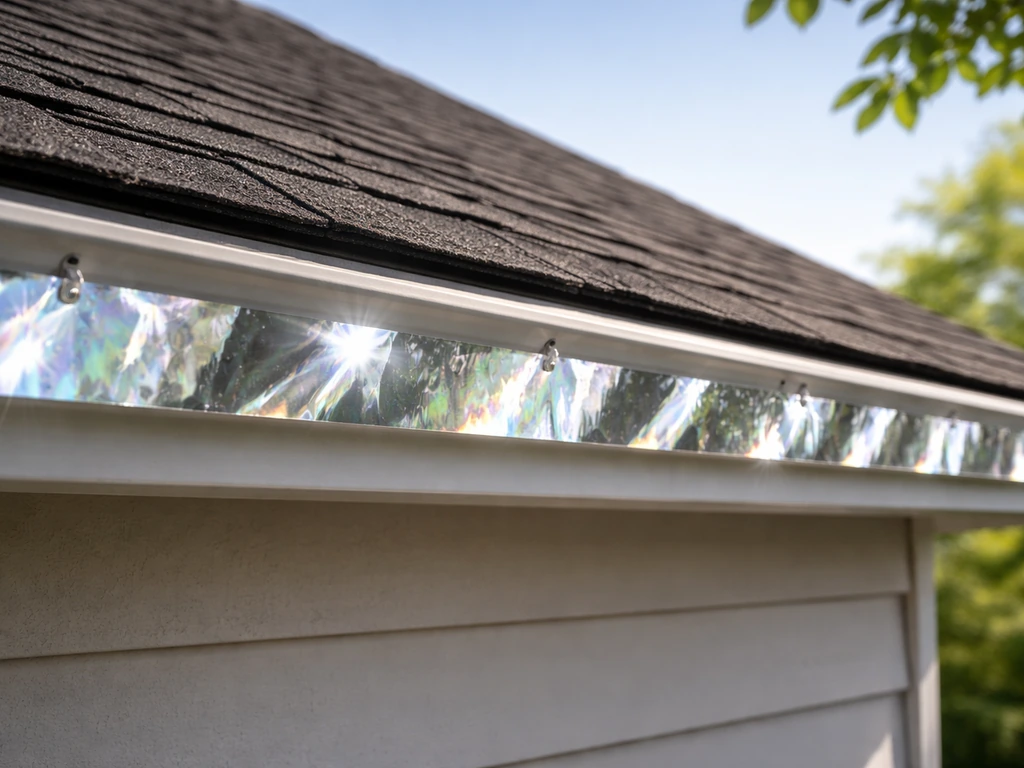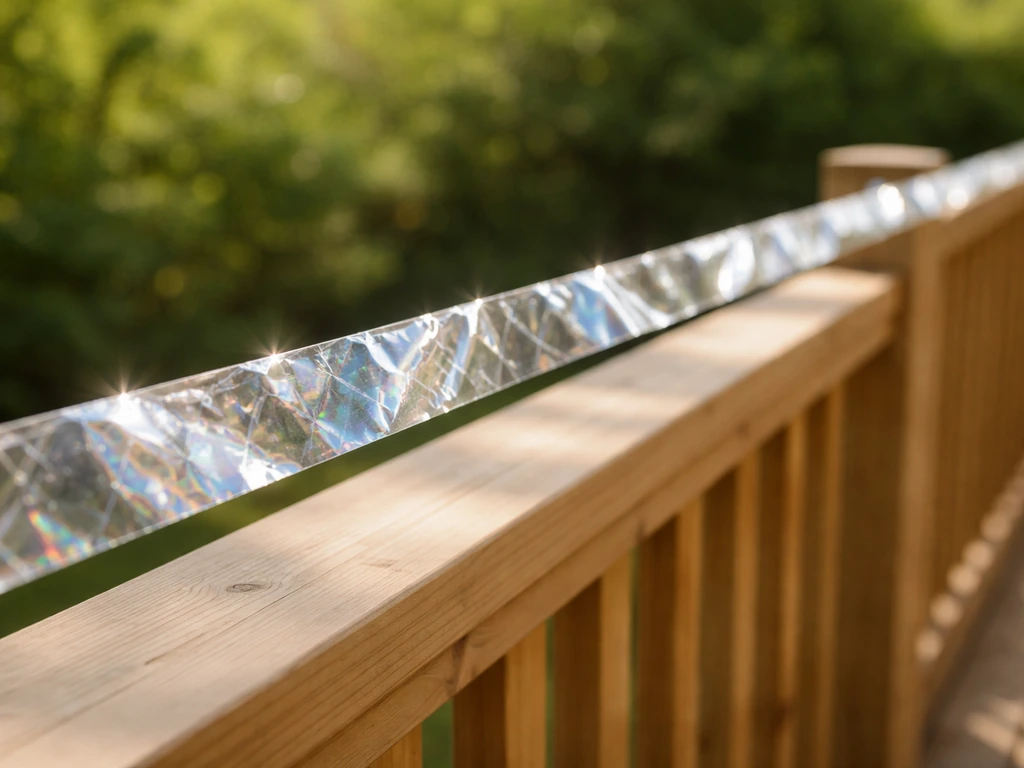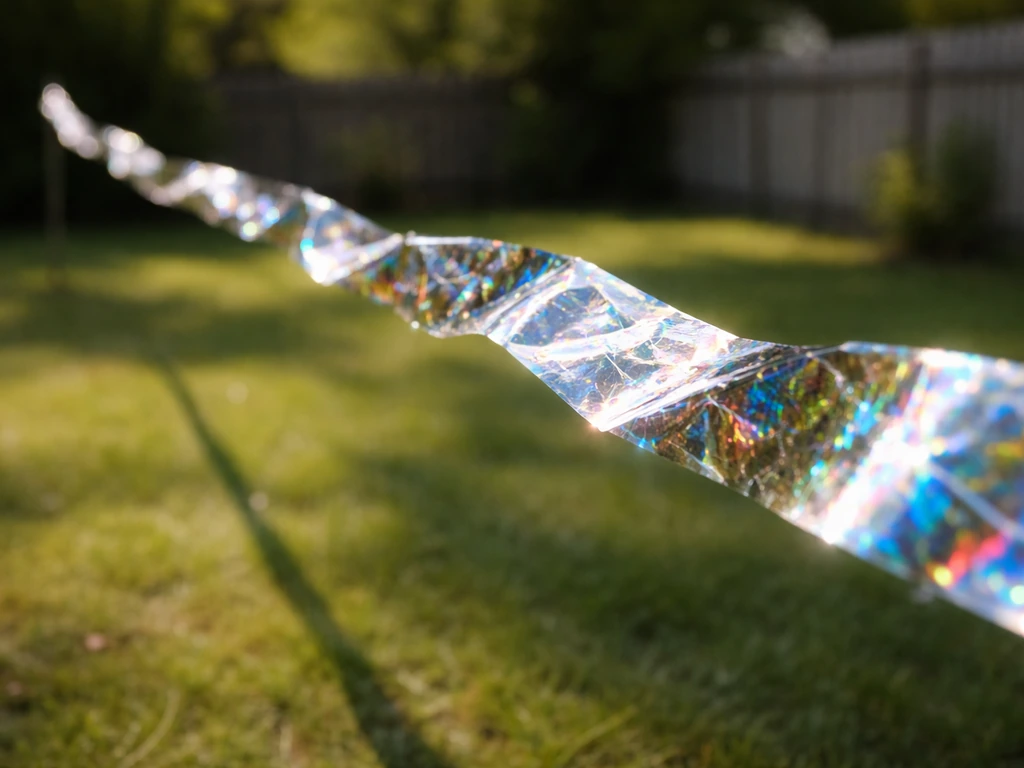
Bird scare tape works by exploiting two things birds are naturally wary of: sudden flashes of light and unpredictable movement. When a strip of reflective or holographic tape catches sunlight and flutters in the wind, it produces disorienting flashes that birds associate with danger. That combination of visual chaos and motion is usually enough to make them avoid the area, at least initially. Whether it keeps working long-term comes down almost entirely to how and where you hang it.
How Does Bird Scare Tape Work? Setup and Effectiveness Guide

Marcus Weatherby
8 Jun 2026
What bird scare tape actually is (and the types worth knowing)
The term 'bird tape' gets used loosely, so it helps to know what you're actually looking at. There are two main categories sold for bird deterrence, and they work very differently.
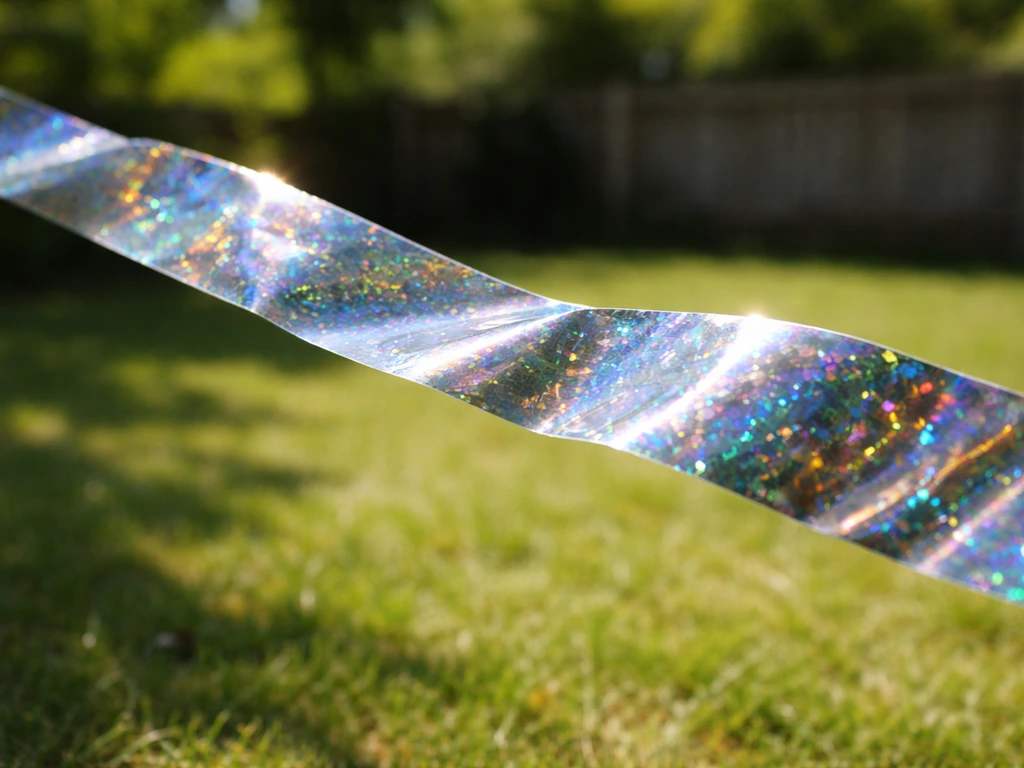
The first and most common is reflective scare tape, sometimes called flash tape or holographic ribbon. This is the shiny, often iridescent mylar or foil strip you hang outdoors so it catches sunlight and flaps in the wind. Products like Irri-Tape fall into this category. The tape typically has a UV-treated holographic surface that bounces light across multiple wavelengths, creating bright, shifting flashes as it moves. Some versions also produce a sharp clacking or humming noise in wind, adding an auditory component to the deterrence.
The second category is bird-window tape or decals, which work on an entirely different principle. Instead of scaring birds away with flash effects, these products make glass visible so birds don't fly into it. If you're dealing with window collisions rather than birds landing where they shouldn't, that's the product to research, not reflective scare tape.
Within reflective scare tape, you'll see products marketed as holographic, mylar, foil, or 'multi-sensory.' Holographic versions tend to produce more intense spectrum-splitting flashes and are generally the better choice. Plain silver foil still works but is less visually disruptive. For most residential uses (gardens, patios, fruit trees, pools, solar panels), standard holographic ribbon is the right starting point.
How it actually works on birds

The visual component
Birds have excellent vision and are highly sensitive to sudden, unpredictable light. A holographic scare tape strip reflects sunlight in fragmented, rapidly changing patterns across the UV spectrum, which birds find genuinely alarming rather than familiar. The effect is sometimes described as a 'dazzling flash,' and that's a reasonable description. The tape doesn't just shine; it shifts colors and intensity as it moves, making it harder for birds to habituate quickly compared to a static reflective object.
The motion component
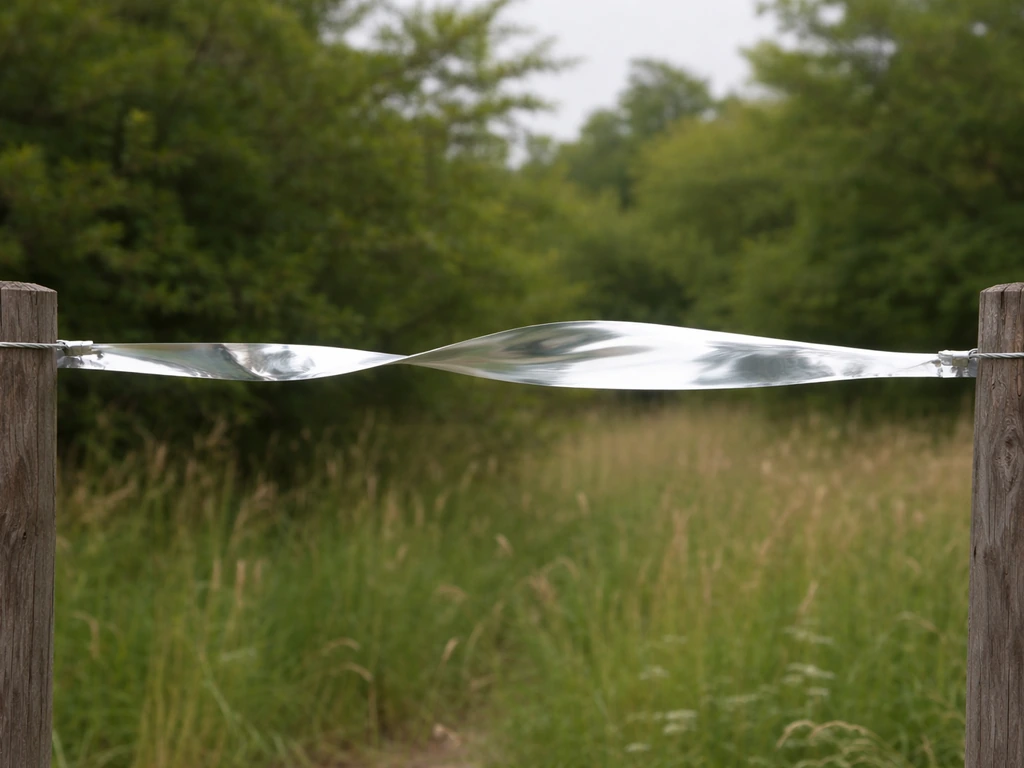
Movement is what makes the visual effect meaningful. A stationary strip of shiny tape sitting flat in still air is almost useless. But when wind causes the tape to vibrate, twist, and flutter, it mimics the kind of erratic movement birds associate with a predator or threat. Some tape also vibrates at a frequency that produces a humming or roaring sound, which layers on another deterrent signal. The whole system only works when the tape is free to move, which is why installation technique matters so much.
Coverage and territory
One strip of tape covering a small area doesn't create enough visual disruption to deter birds from a whole garden, roof section, or patio. Effective deterrence relies on covering the space well enough that birds can't simply land just outside the flashing zone. Think of coverage as a perimeter, not a single warning sign.
When it works and when birds get used to it
Bird scare tape works best in open, sun-exposed areas with regular wind, against birds that are not yet fully committed to the location. CDFA’s bird pests handbook guidance also notes that reflective tape attached in areas where birds are damaging property can be effective as a deterrent reflective tape attached in areas where birds are causing damage. Gardens, fruit trees, berry patches, uncovered patios, and pool surrounds are ideal scenarios. Birds encountering the tape for the first time are usually deterred within a few days, especially if the installation is solid and the tape is moving well.
It's less effective in shaded or sheltered areas, enclosed patios, or spots with little wind. If the tape hangs limp most of the day, it's essentially decoration.
Habituation is the biggest practical problem. Birds are intelligent and observational. If the same tape stays in the same place for weeks, and nothing bad ever follows the flash, they learn to ignore it. Studies examining reflective tape in crop settings, including blueberry fields, found the tape became ineffective over time as birds adjusted. The USDA APHIS has also flagged that effectiveness of mylar ribbon is variable, which is a polite way of saying it doesn't always work and doesn't stay working without management. The USDA APHIS has also flagged that effectiveness of mylar ribbon is variable, which is a polite way of saying it doesn't always work and doesn't stay working without management.
The practical rule: if birds are still landing in the treated area after about a week, the problem is almost always either a placement issue (height, wind exposure, or spacing) or the beginning of habituation. Either way, you need to act rather than wait.
How to install bird scare tape for real results
Height
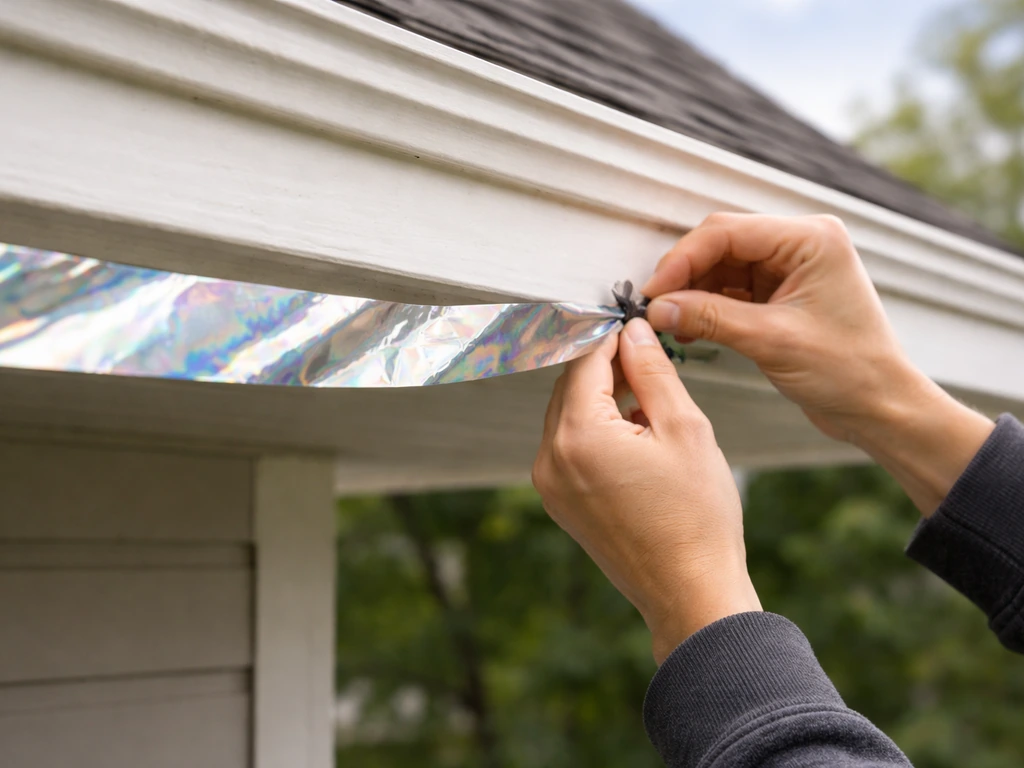
Hang tape at the height where birds are actually landing or approaching, generally between 2 and 6 feet for ground-feeding birds and at fence, rail, or eave height for perching birds. For fruit trees or garden rows, string tape at or just above canopy height so it moves in the same air layer the birds are navigating. Too high and the flash effect is above their approach path; too low and it doesn't catch enough sunlight.
Tension and movement
The tape needs to be taut enough to vibrate but loose enough to flutter. Stretch it too tight and it won't move in light wind. Leave it too slack and it coils up and hangs flat. A slight gentle sag between anchor points, rather than a drum-tight line, is what you're going for. Tie off ends securely so strong wind doesn't unravel or snap the attachment, which creates a safety hazard and kills the deterrent effect.
Spacing
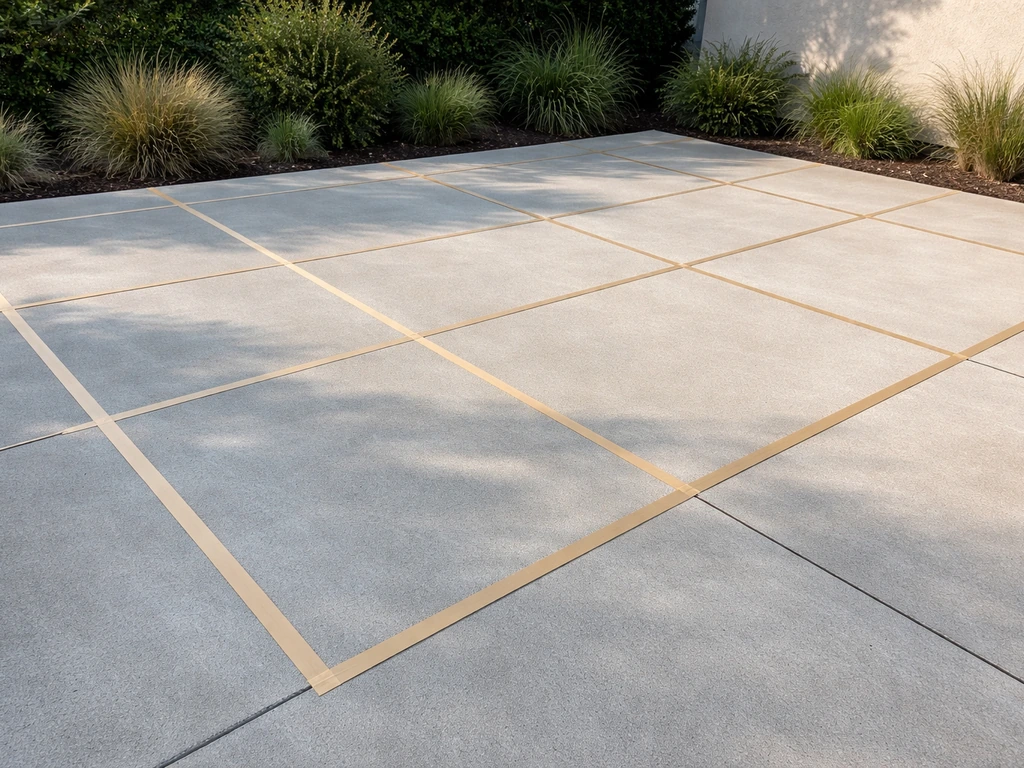
Space strips roughly 3 to 4 feet apart for garden rows or perimeter lines. For larger open areas like patio covers or rooftop sections, create a grid pattern so there are no large gaps. If birds can reliably access a clean patch of untreated space nearby, they'll use it.
Placement checklist
- Sun exposure: install in spots that get direct sunlight for most of the day
- Wind exposure: avoid placing tape where buildings, fences, or dense vegetation block airflow
- Anchor points: use stakes, posts, fence rails, shepherd's hooks, or eave brackets so the tape can hang freely
- Coverage: treat the full perimeter of the area, not just one side
- Move it: shift strip positions by a few feet every 7 to 10 days to slow habituation
How long it takes to work and how to keep it working
Most people see results within 1 to 3 days of a good installation. Birds encounter the flashing tape, find it alarming, and redirect. If you see no change after 5 to 7 days, reassess the placement before assuming the tape doesn't work. If you see no change after 5 to 7 days, reassess the placement before assuming the tape doesn't work, which is why the answer to does bird deterrent tape work often depends on how quickly you give it a chance under the right conditions how long bird deterrent tape takes to work. If you are wondering, does bird tape work long term, the answer depends heavily on how quickly birds habituate and how well you maintain the setup.
Weather degrades the tape faster than most people expect. UV exposure fades the holographic surface over a few weeks to a couple of months, reducing the flash effect significantly. Rain and humidity can cause the tape to lose its reflective coating or stick together. Check strips every couple of weeks and replace any that look dull, torn, or flat. Fresh tape is noticeably more effective than weathered tape.
A simple maintenance routine makes a real difference: walk your installation every 10 to 14 days, replace faded or damaged strips, reposition anchors by a foot or two, and rotate the area of coverage if possible. This keeps the setup looking unpredictable from a bird's perspective.
Safety: people, pets, and structures
Bird scare tape is non-toxic and poses no chemical risk to people, pets, or wildlife when installed correctly. The main safety concerns are physical, not chemical.
Loose or broken strips are the biggest hazard. Tape that has come free from its anchor can tangle around small animals or birds, which defeats the purpose of a humane deterrent. The Migratory Bird Treaty Act protects most common pest birds in the US, and while scare tape used correctly causes no harm, entanglement of protected species is something to avoid. Secure your tie-offs well and replace any strips that come loose rather than leaving them to blow around.
For structures, make sure anchor points don't damage roofing materials, solar panel frames, or gutters. Adhesive hooks or purpose-made clips work better than staples or nails in most situations. Avoid taping directly to glass surfaces unless the product is explicitly designed for it.
One specific context worth flagging: near airports or runways, ad-hoc scare tape deployment is not a substitute for a coordinated wildlife management plan. Loose strips near flight paths can create debris that's genuinely hazardous, and aviation-adjacent bird management requires professional assessment and compliant methods.
When tape alone isn't enough
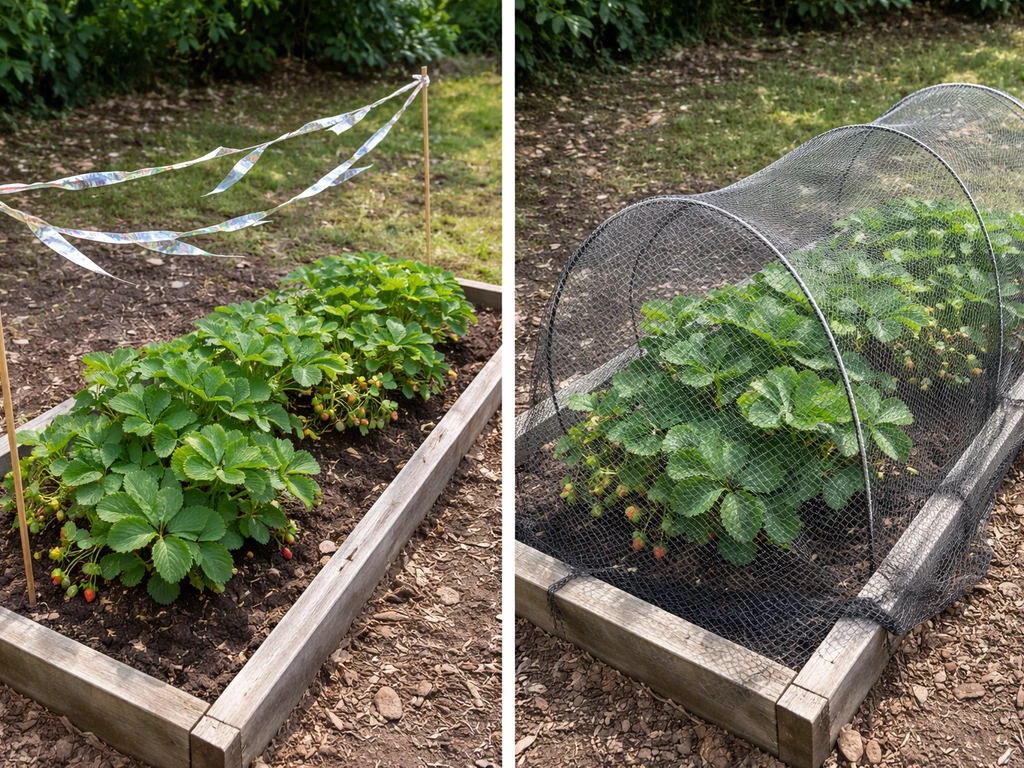
Bird scare tape is a first-line deterrent, not a complete solution. It works well for occasional or early-stage bird pressure in open residential areas. For persistent problems, habituated birds, or higher-stakes settings, you'll get better results by combining it with other deterrents.
| Scenario | Tape alone enough? | Better combination |
|---|---|---|
| Garden or berry patch, first season | Often yes | Add predator decoys or pinwheels to reinforce unpredictability |
| Patio with regular roosting birds | Short-term only | Add physical spikes on railings or ledges where birds perch |
| Solar panels with nesting birds | No | Physical exclusion netting under panels is the reliable fix |
| Pool surround or dock area | Partially | Combine with sonic deterrent for stronger multi-sensory effect |
| Large commercial roof or warehouse | No | Netting, spikes, and/or sonic systems with tape as supplement |
| Fruit trees at harvest season | Variable | Drape netting over canopy and use tape along the perimeter |
The core principle is that birds stop being scared once they figure out the threat isn't real. Physical barriers like netting or spikes don't give birds that option. So when you're dealing with species that have already been feeding or roosting in a spot for a season or more, tape is unlikely to move them on its own. Use it to reinforce a perimeter while physical barriers block the specific landing or nesting points.
Rotating deterrent types is also effective. If you've been running scare tape for a few weeks, adding a sonic deterrent or predator decoy alongside it resets the threat profile. Birds that have begun ignoring flashing tape will often respond to a new unfamiliar signal, especially if you've also moved the tape to a new position at the same time.
Whether scare tape ultimately solves your bird problem depends on consistent placement, regular maintenance, and being honest about when to escalate to physical barriers. Used well, it's a low-cost, non-toxic starting point that works in a wide range of outdoor settings. Used carelessly, it's a piece of shiny ribbon doing nothing.
FAQ
How does bird scare tape work if there isn’t much wind where I live?
If the tape does not flutter, the flashing and erratic movement effect is greatly reduced. In low-wind spots, use a layout that creates motion, such as more frequent anchor points (smaller spans) and hanging lines so they can vibrate rather than sit limp. If the area stays still most of the day, consider a different deterrent type or a combination approach.
What height should I hang bird scare tape at for birds that roost on fences or eaves?
Use the bird’s actual approach and landing height. For perching birds, position tape at or just below fence rail, trellis, or eave height so the flash appears in their flight path. If you only install it at ground level, birds can bypass the treated zone and still land on the structure.
Can I use scare tape on roofs or around solar panels without damaging the equipment?
Yes, but anchor choice matters. Prefer purpose-made clips or adhesive mounts meant for outdoor use, and avoid staples or nails that could compromise roofing or panel frames. Also keep anchor points from rubbing on cables or panel edges, and regularly inspect so wind does not gradually loosen attachments.
Does reflective bird tape work against all bird species equally?
Not equally. Species that are highly habituating or already established (feeding or roosting for weeks) often ignore flashing tape faster. If you can identify the bird type and they are acting like residents, treat tape as reinforcement and plan to add other deterrents or a physical barrier to block specific landing or nesting spots.
Will bird scare tape still work if it’s installed in shade for part of the day?
Shade reduces sunlight reflection, which weakens the flash effect. If your installation spends long periods under cover, birds may learn faster. Focus on sun-exposed runs first, and if shade is unavoidable, either increase coverage so flashes appear in the bird’s approach areas when the sun hits or switch to an alternative product that fits the lighting conditions.
How often do I need to replace bird scare tape?
Most tape loses effectiveness as the reflective surface fades and the tape becomes less responsive to wind. A practical schedule is to inspect every 10 to 14 days and replace strips that look dull, torn, or flat, then plan for weather-driven replacement within a few weeks to a couple of months depending on sun, rain, and humidity exposure.
What’s a common mistake that makes bird scare tape look effective but fail?
Using it as a single ribbon line instead of covering the usable landing path. If birds can step onto a nearby untreated patch, they will do so. Ensure the tape forms a perimeter or grid with no large gaps, and size the coverage to the area birds actually use, not just where the problem seems to start.
Is it safe for birds and other wildlife if a strip comes loose?
The biggest risk is entanglement and tangling hazards when tape detaches or coarsely accumulates. This can trap or injure animals and defeats deterrence. Check tie-offs frequently, secure ends properly, and replace any strip that loosens rather than letting it blow around.
Do I have to avoid bird-window decals and reflective scare tape in the same area?
Yes, because they solve different problems. Reflective scare tape is for discouraging birds from entering or landing, while window decals help prevent collisions with glass by improving visibility. If your issue is birds flying into glass, using reflective tape alone will not address the collision behavior.
What should I do if birds ignore the tape after a week?
Reassess placement before concluding it does not work. Common fixes include lowering or raising to match the birds’ approach height, increasing motion by adjusting slack or span length, and tightening the spacing so there are no easy bypass routes. If placement is correct and they still land, start rotating deterrent types or escalate to physical barriers for established birds.
Can I mix bird scare tape with other deterrents to prevent habituation?
Yes, and mixing can be effective if you change more than just the position. For example, add a sonic deterrent or a predator-decoy effect alongside the tape, and consider moving the tape after several days so the birds face an unfamiliar pattern. Avoid stacking multiple items that share the same signal, since birds may learn the routine faster.