A gas-gun bird scarer works by firing loud pressure bursts, typically around 146 dB, to startle and flush birds from an area. The key to making it actually work long-term is not just turning it on and walking away. You need the right firing interval, a placement strategy that changes every few days, and ideally a few supporting deterrents to prevent birds from tuning it out.
How to Make a Gas Gun Bird Scarer More Effective

Marcus Weatherby
1 Jul 2026
What a gas gun actually is and why birds respond (or stop responding)
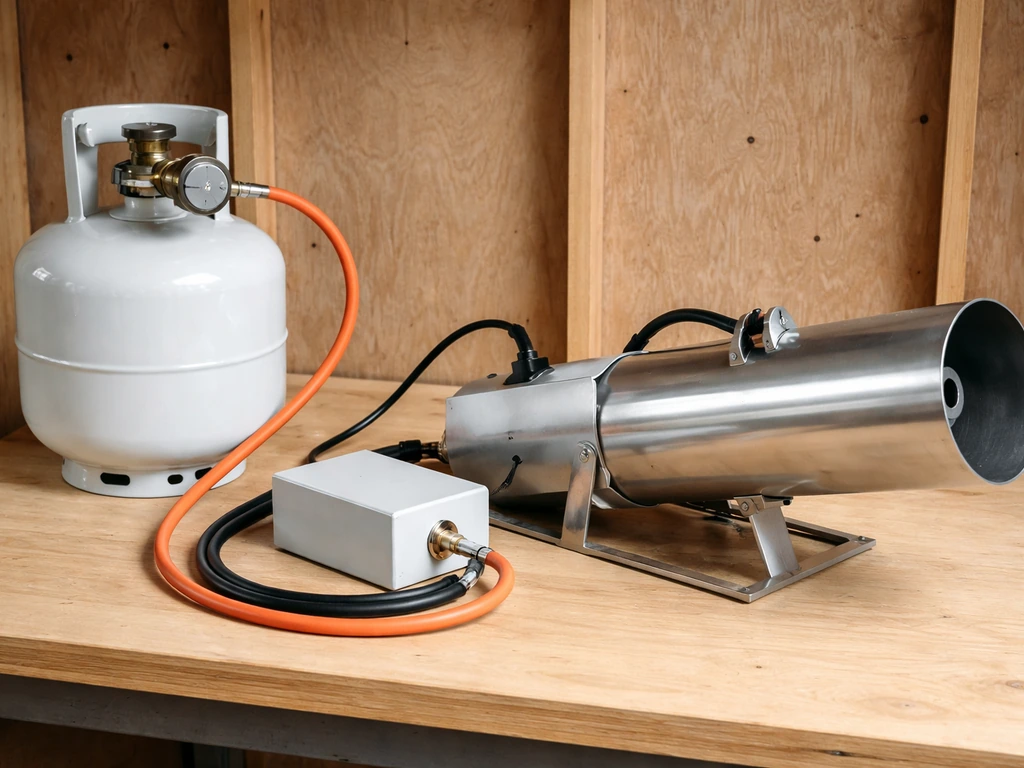
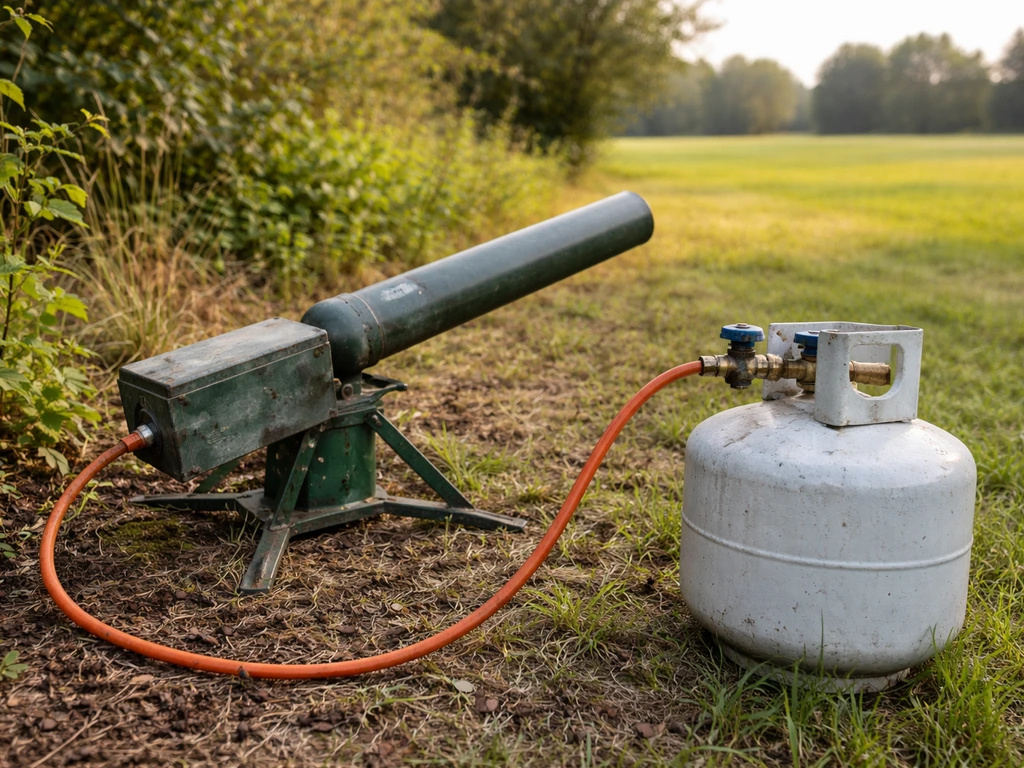
A gas-gun bird scarer, often called a propane cannon or bird banger, is a cylinder barrel open at one end with a spark plug, a small control box, and a propane tank feeding it gas through a valve. When the control box triggers, propane ignites and fires a blank shot, producing a loud concussive boom. Some units fire three consecutive blasts in quick succession. There is no projectile, just sound and pressure.
Birds respond to sudden, startling sounds because their survival instincts interpret an unexpected loud bang as a threat. The problem is that instinct can be overridden by experience. If a bird hears the same sound from the same spot at the same interval every day and nothing bad ever happens, it starts to ignore it. This is habituation, and it is the single biggest reason gas guns stop working. Everything in this guide is aimed at preventing or reversing it.
Safe setup and operation step by step
Before you fire a single shot, get the physical setup right. A poorly levelled or poorly positioned cannon does not fire in the intended direction and can create safety hazards.
- Level the cannon on a stable surface. The barrel angle determines the direction the sound wave propagates most strongly. An unlevel unit will consistently under-cover part of your target area.
- Attach the propane tank securely and check the valve connections before each use. A leaking valve can allow propane to accumulate around the unit, which is a genuine fire risk. If you smell gas, shut the tank valve off immediately and check all fittings before restarting.
- Wear hearing protection when you are near the unit during a firing cycle. These devices produce sound levels that can damage hearing at close range.
- Set the firing interval between 3 and 8 minutes. Intervals shorter than 3 minutes are restricted by ordinance in some areas (El Dorado County explicitly sets 3 minutes as the minimum). Intervals longer than 16 minutes give birds enough time to return and settle before the next shot, making the device largely ineffective.
- Set a clear start and stop time for each day. Most guidance ties operating hours to daylight and bird activity windows. Starting at dawn when flocks first approach and stopping at dusk keeps disturbance proportionate and reduces neighbour complaints.
- Keep a randomisation setting active if your unit has one. Some devices include a setting that randomises the number of blasts per firing cycle, which meaningfully reduces the rate at which birds habituate compared to a fixed one-bang-every-five-minutes pattern.
Placement, timing, and movement patterns that actually work
Where to position the cannon
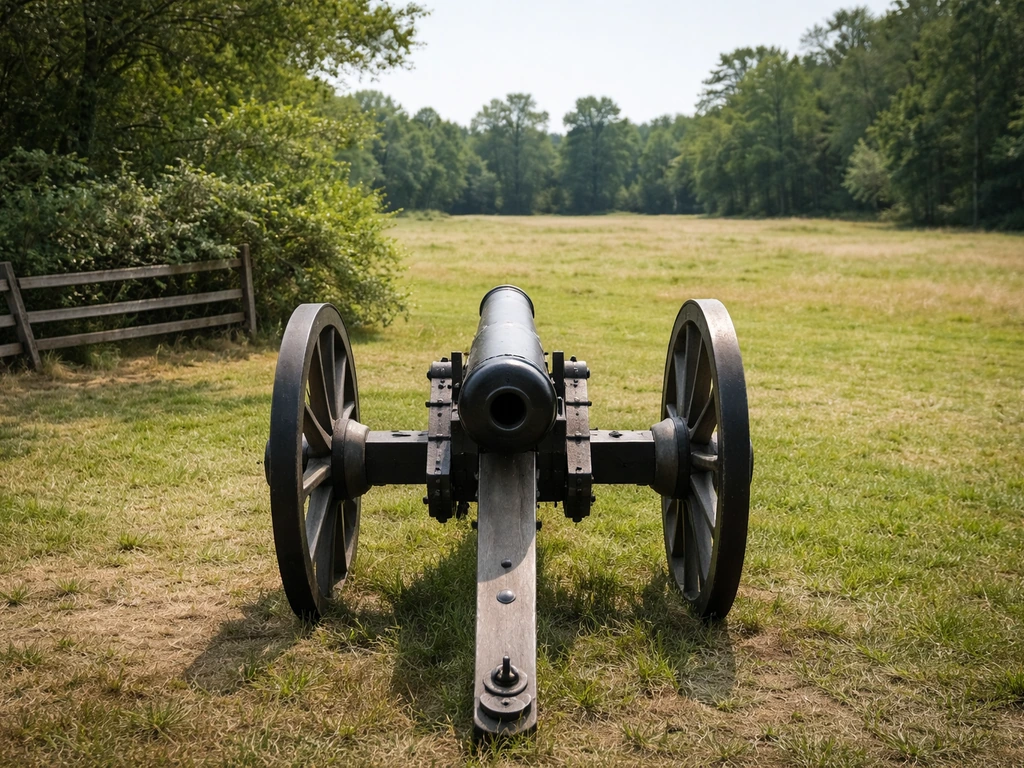
Point the open end of the barrel toward the area you want to protect, not into a fence, wall, or dense vegetation. Sound needs a clear line of propagation to be effective. Elevated placement, such as on a post or raised platform, helps the sound carry further and reduces obstruction from crops, fencing, or terrain.
For larger areas, the general guidance from airport and agricultural contexts is roughly one cannon per 4 to 10 hectares of protected area. If you are running multiple units, keep them at least 125 metres (about 410 feet) apart to avoid overlapping coverage that creates dead zones in between. On smaller plots under 4 hectares, 100 metres of separation is workable.
Wind is a real problem
Wind speed and direction affect both the propagation of sound and, on some rotating designs, where the barrel is pointing at the moment of firing. On windy days, the effective coverage area can shrink significantly and the cannon's deterrent reach may shift away from your target zone entirely. Check wind direction before positioning the unit and be prepared to reposition on days with consistent strong winds blowing away from the protected area.
Move it every 3 to 5 days
This is probably the most underused tactic. Birds that encounter a cannon in the same location every day will habituate to it faster than almost anything else. Moving the unit even 20 to 30 metres resets their threat response. El Dorado County standards specifically recommend repositioning every 3 to 5 days, and anecdotal reports from vineyards and farms back this up consistently. Build the move into your weekly routine.
Timing around bird behaviour
The most effective use of a gas gun is during active approach and roosting windows, typically early morning when flocks first arrive and again in late afternoon before roosting. Leaving the device running all day at a fixed interval wastes propane and accelerates habituation. If you can observe when your target birds are most active and concentrate firing around those windows, you will get better results with less gas and less noise disturbance overall.
When birds stop reacting: add-ons and alternatives
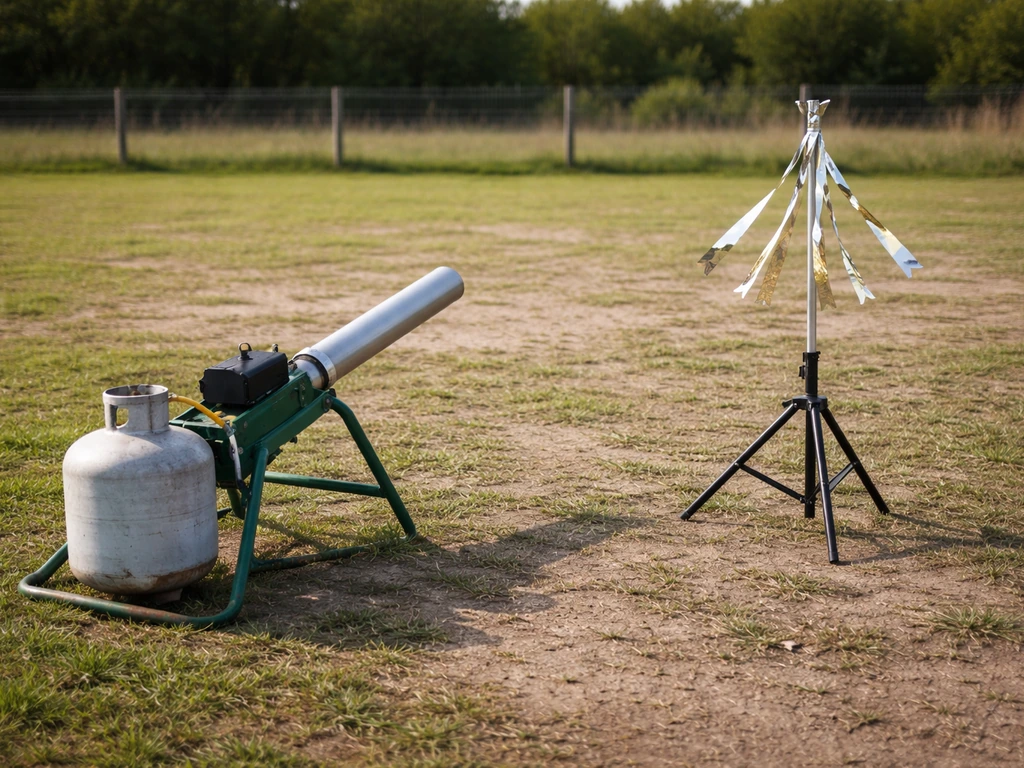
A gas gun used alone almost always loses effectiveness over time. The best results come from combining it with other deterrent methods so birds never get a stable, predictable environment to adapt to.
| Method | How it helps alongside a gas gun | Best for |
|---|---|---|
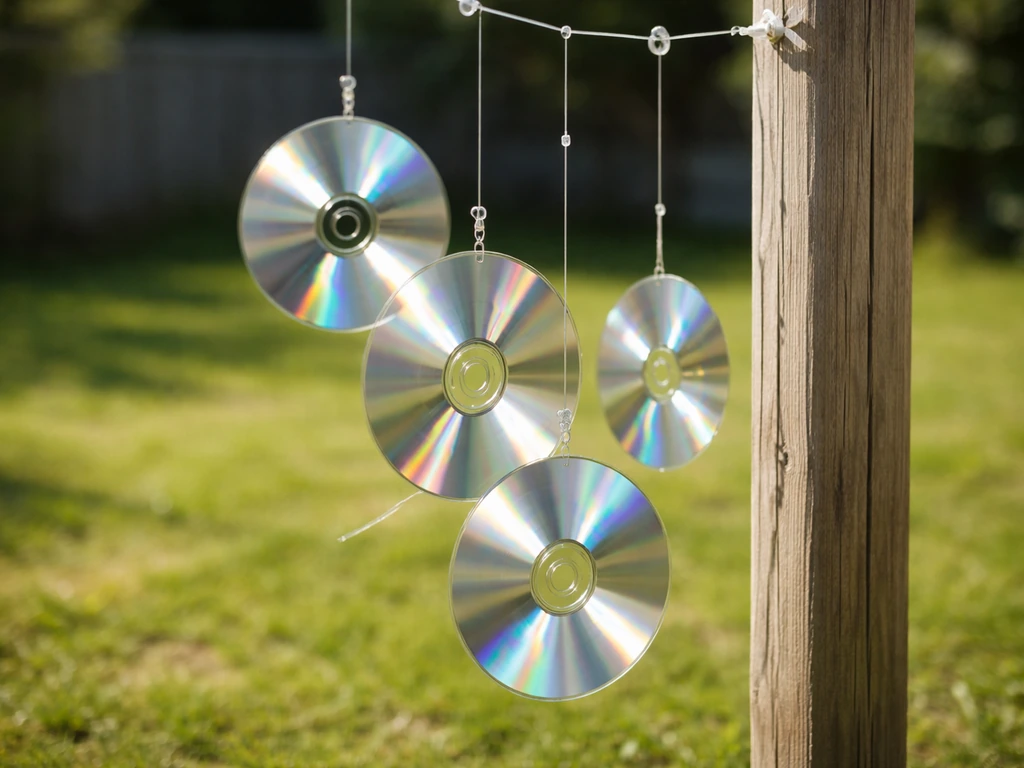
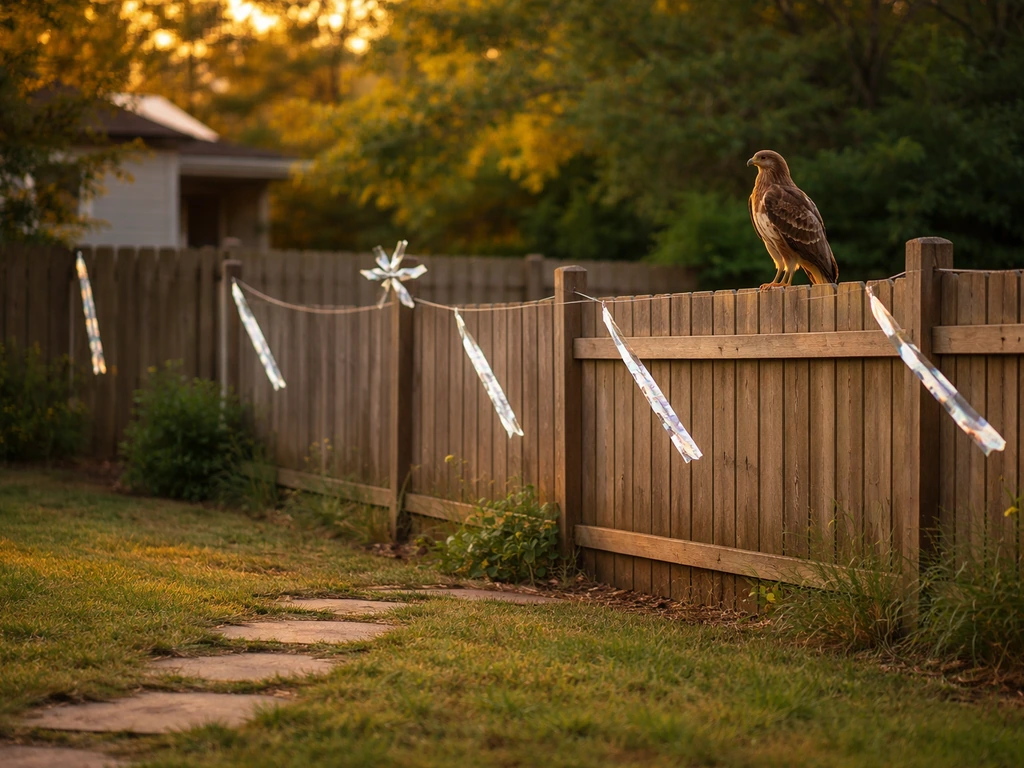
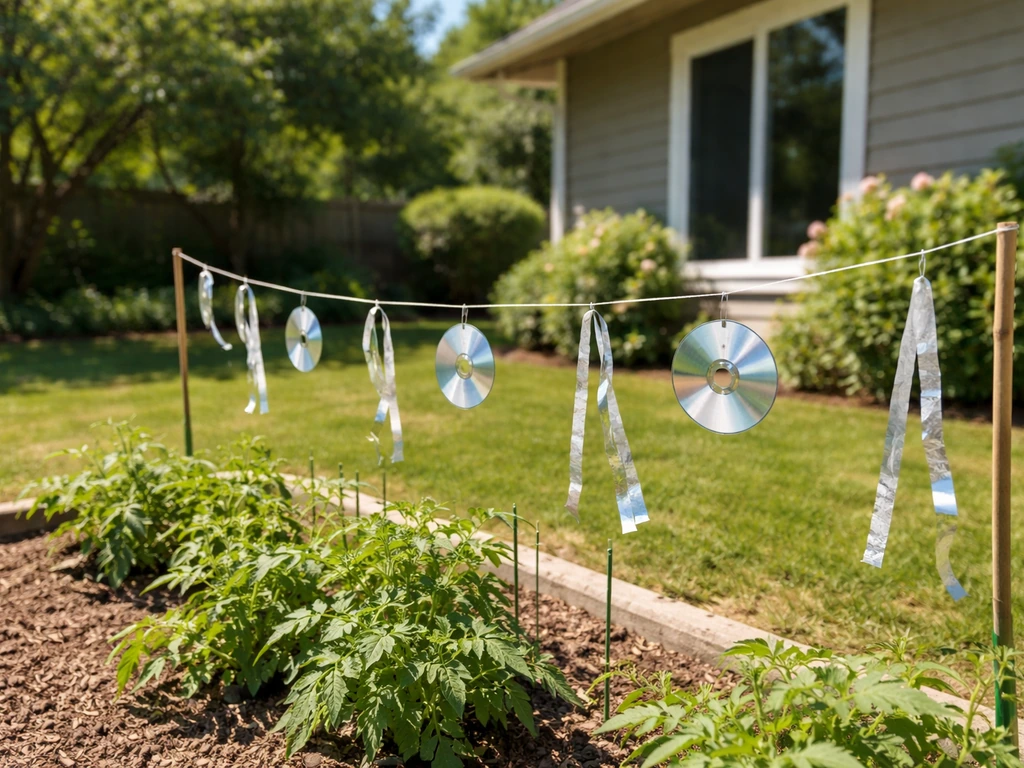
| Reflective visual deterrents (old CDs, reflective tape, flash tape) | Adds a visual threat birds can't predict or localise. Works even when the cannon isn't firing. | Gardens, orchards, small residential areas |
| Physical netting | Blocks access entirely. No habituation possible. Gas gun can be used to flush birds away from unnetted areas nearby. | High-value crops, berry bushes, solar panels, roof edges |
| Sonic or ultrasonic devices | Runs continuously with varied playback including predator calls or distress calls. Complements the cannon's intermittent booms. | Persistent problem species, commercial properties |
| Bird spikes and physical barriers | Prevents roosting on structures even when birds are no longer deterred by sound. | Ledges, rooflines, commercial signage |
| Chemical repellents | Affects landing surfaces directly, discouraging birds from treating the area as safe even after a blast. | Flat surfaces, large open areas, specific perch points |
Reflective visual deterrents are probably the easiest upgrade. Hanging reflective material near the gas gun adds an unpredictable visual element that birds can't habituate to as easily as a recurring sound. Visual and auditory deterrents working together create a more convincing threat environment. If you're thinking about DIY options, homemade visual scarers can cover a surprising amount of area for almost no cost.
If you have a persistent problem with a specific species that isn't responding to sound alone, physical exclusion through netting is the most reliable long-term solution. Gas guns are best at keeping birds off open areas. Netting is best at protecting confined spaces like fruit trees, roof voids, and solar panels where birds want to land or nest.
Troubleshooting common failures
Birds are ignoring it completely
This is almost always a habituation problem. If you still need to turn it off quickly or permanently, focus on how to disable a bird scarer safely and effectively. Check three things: how long the unit has been in the same location (move it if it has been more than 5 days), whether the interval is consistent and predictable (switch to a randomised setting if available), and whether you have been operating it around the clock (cut it to active bird hours only to rebuild the startle response).
Wasted shots with no coverage
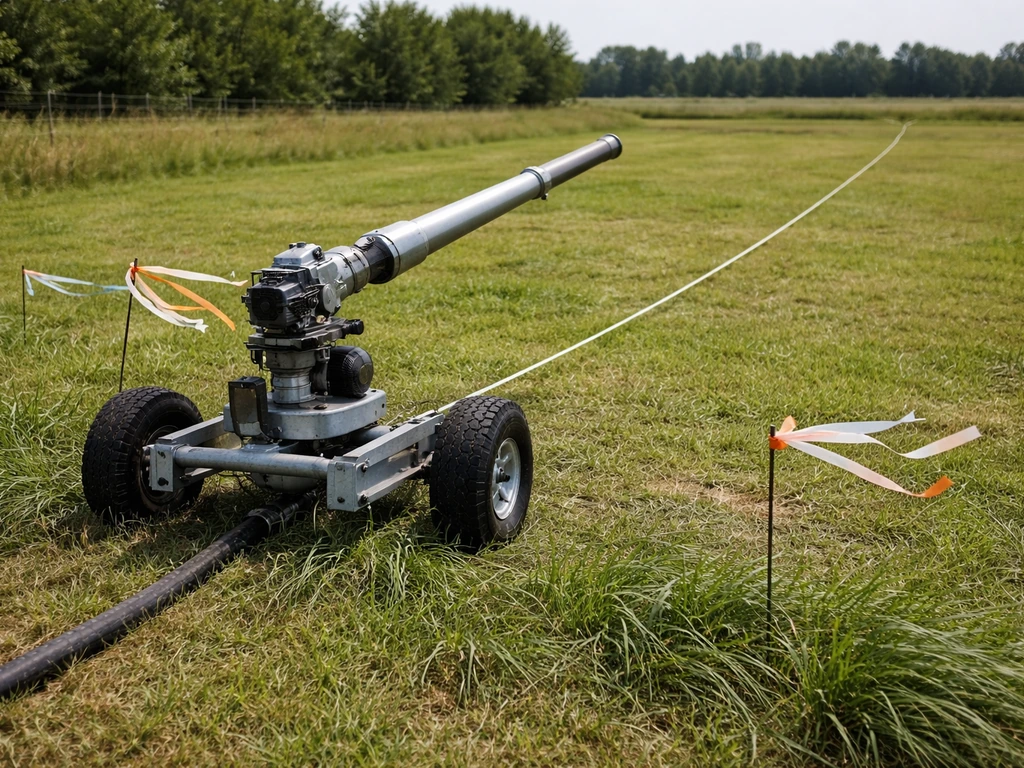
If the birds are in one part of the area but the cannon is pointing elsewhere, the shots are wasted. Recheck the barrel direction and make sure no obstacle (fence, wall, vegetation) is blocking the sound path. Propane consumption without deterrent effect is also worth investigating as a gas leak at the valve: turn the tank off, apply soapy water to all fittings, and look for bubbles.
Interval is set correctly but coverage is still patchy
Check wind conditions. Strong or consistent crosswinds can deflect sound propagation away from the protected area. On days with unfavourable winds, physically reorient the barrel to compensate, or temporarily add a second unit aimed in the complementary direction.
Wrong target species
Some species are simply less responsive to gas guns than others. Starlings and blackbirds, for example, have been successfully dispersed from roosting areas using cannons at short firing intervals as part of an integrated program. But highly adaptable urban species like pigeons may require additional tactics, particularly physical barriers or chemical deterrents on landing surfaces, because they habituate to sound more readily in urban environments where background noise is already high.
Unit fires too fast or too slow
Firing too fast (under 3 minutes) creates a continuous background noise that birds adjust to quickly and may also violate local ordinances. Firing too slowly (over 16 to 32 minutes) gives birds more than enough time to land, feed, and settle between shots. The effective window is roughly 3 to 8 minutes, with occasional variation. If your control box only allows fixed intervals, run it at 5 minutes and physically move the unit more frequently to compensate.
Safety, legal basics, and liability
Fire and propane safety
Propane is a genuine fire hazard. Never operate a gas cannon near dry vegetation, stored combustibles, or enclosed structures. Keep the propane tank upright and secured. Inspect valve connections before each use. If you are deploying in dry summer conditions, clear a safe radius around the unit and check local fire risk ratings before operating.
Protecting people and pets
Gas guns produce sound levels that can be dangerous at close range. Set up the unit so that the open barrel does not point toward areas where people, pets, or livestock will be passing. Post visible warning signs if the cannon is operating on or near shared or public land. Ear protection is essential for anyone who will be within close range during operation or adjustment. Scatterbird MK3 guidance also instructs users to wear hearing protection, saying “PLEASE USE EAR MUFFS,” as a safety precaution Ear protection is essential for anyone who will be within close range during operation or adjustment.
Local regulations and permits
Regulations vary significantly by location. Connecticut requires a permit from the Department of Agriculture to use noisemaking devices for agricultural purposes, explicitly including propane exploders. North Dakota has a specific statute governing the use of propane exploders with associated penalties. El Dorado County in California has published detailed accepted-use standards covering minimum firing intervals and repositioning requirements. Many residential areas have noise ordinances that effectively prohibit gas cannons, particularly before a set morning hour. Before deploying any gas-gun bird scarer, check with your local council, county agricultural office, or equivalent authority to confirm what is permitted, at what hours, and whether signage or a permit is required.
Neighbour and community liability
Even where gas cannons are technically legal, operating one in a residential area without warning neighbours is a reliable way to generate complaints, legal disputes, and potential ordinance enforcement. If you are deploying on agricultural land near residential properties, let neighbours know in advance, agree on operating hours if possible, and keep the cannon aimed away from neighbouring structures. Operating in a way that is consistent with published local standards, like the El Dorado County guidance, gives you a reasonable basis if a dispute arises.
If you decide a gas gun is too disruptive or legally complicated for your situation, there are effective alternatives. Hawk-style visual deterrents, sonic systems, and physical exclusion methods can all be deployed without the noise and regulatory overhead. If you are also looking at DIY options, you can make a bird scarer from old CDs as an additional visual deterrent how to make a bird scarer from old cds. The best bird-control setups almost always combine more than one approach, and the gas gun works best as part of that mix rather than as a standalone solution.
FAQ
If I keep moving the cannon, what should I do about the firing interval so birds do not habituate again?
Use the firing interval as your main control, but also add variability in one other dimension. If your unit has no random or adjustable mode, relocate it on schedule and keep shot timing consistent within the active window, then briefly pause outside those windows so birds do not learn a full-day pattern.
What are the most common reasons a gas gun seems to waste propane even when it is firing?
Before changing hardware, verify alignment and sound path. Look for nearby fences, walls, dense hedges, or even standing crops between the barrel and the target area, then re-aim so the open end points directly at where birds land or roost, not just where you see birds in flight.
How do I know whether I should change the schedule, the interval, or the deterrent type?
If you see repeated return within minutes, shorten the sound gap, then tighten the active schedule around actual approach and roosting times. Start by confirming you are firing in early morning and late afternoon only, and if the species keeps coming, switch from “steady deterrence all day” to concentrated, shorter bursts during those windows plus a visual deterrent upgrade.
How close can people safely be while the gas gun is running?
At close range, the blast can be hazardous, and even if it seems “fine,” you should still keep people, pets, and livestock outside an exclusion zone and avoid pointing toward walkways or animal housing. If you must adjust position while it is operating, keep your body out of the barrel line and wear hearing protection.
Can I compensate for strong wind without buying a second gas gun?
Yes, but only in specific setups. Do not assume wind can be “covered” by firing more often. Instead, check wind direction, reposition the unit, and if you run multiple cannons, aim one as the primary coverage and another to complement the expected sound shift during gusty conditions.
How far and how often should I move it if birds keep coming back?
If the unit is on the same spot for more than about 5 days, birds can start to learn the routine faster, especially in open fields with predictable roost routes. Reposition on a weekly cadence, and if you notice return early in the window, move sooner than your usual 3 to 5 days.
Is randomizing the firing interval actually helpful, and how should I do it?
Start by confirming whether the control box allows randomized intervals, then test a small randomization range rather than wildly changing settings each day. If random mode is available, use it during the active window, and keep all other variables stable (same general location and target direction) so you are not creating a confusing setup for yourself.
Why do pigeons or other urban species ignore gas gun bursts even when the sound is loud?
For heavily urban-adapted birds, do not rely on sound alone. Focus on landing or nesting surfaces with physical barriers (netting where feasible), add visual elements to break predictable sight lines, and consider that high ambient city noise can reduce the contrast of the blast, making integrated strategies more important.
What should I check first if I am burning a lot of propane but seeing little deterrent effect?
If propane use is high but birds are not displaced, treat it like a troubleshooting problem. First, inspect valve connections for leaks using soapy water with the tank off, then confirm barrel direction and check for obstacles blocking sound propagation. If everything looks correct, consider whether you are firing during the wrong periods for that species.
What is the biggest mistake people make with firing intervals?
Do not treat “more shots” as automatically better. Firing too frequently creates continuous noise that animals can tune out quickly, and too slowly lets them land and settle. Stay within the roughly 3 to 8 minute effective band (with small variations) and adjust based on observed behavior.
What should I do if I need to turn the gas gun off quickly or permanently?
If you need to stop quickly, prioritize safety and remove any ongoing ignition risk. Cut operation immediately, turn off the tank, and keep the area clear while you inspect setup. Then decide whether the issue is habituation, incorrect placement, or a legal or noise constraint that requires switching to a quieter alternative.