To make a hawk avoid your property, you need to combine visual deterrents that move and reflect light, remove the food sources drawing the bird in, and add physical exclusion where smaller animals or birds need protection. No single trick works forever because hawks are smart and adapt quickly, but rotating a few methods together gives you the best shot at keeping them gone.
How to Make a Hawk Bird Scarier: Safe Deterrence Steps

Marcus Weatherby
7 Jun 2026
Why hawks hang around (and what they're hunting)
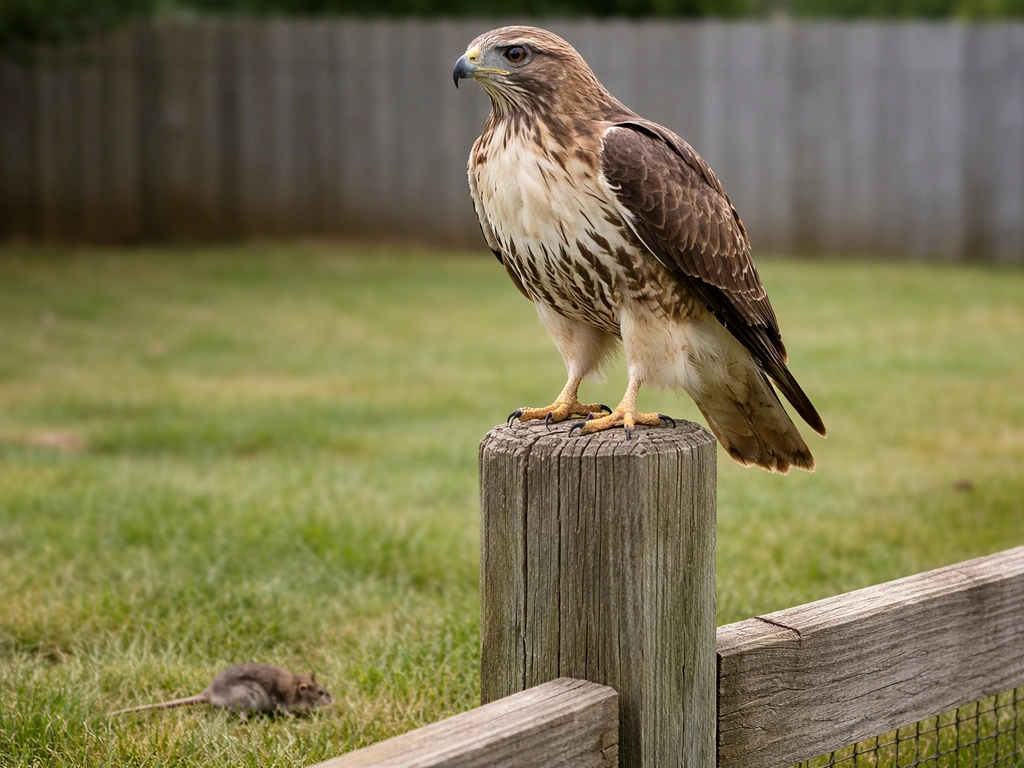
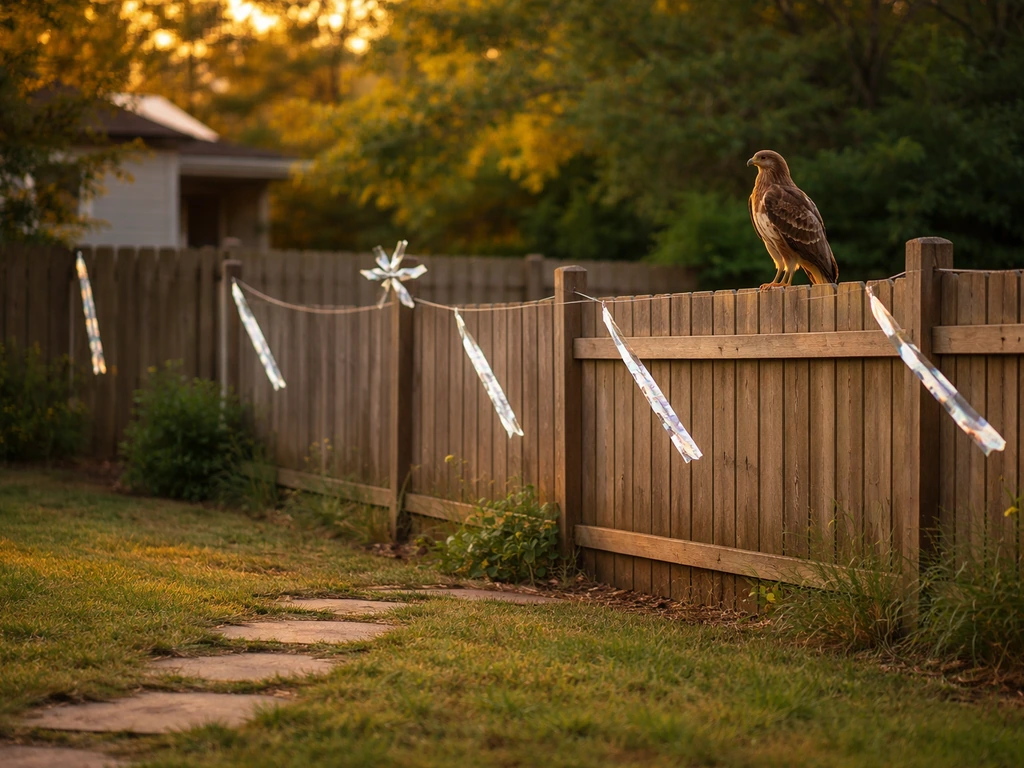
Hawks don't show up randomly. They're there because your property is offering something useful, usually food or a safe perch to hunt from. Red-tailed hawks eat roughly 90% rodents, plus snakes, rabbits, and the occasional bird. Cooper's hawks are a different story: small and medium birds make up about 82% of their diet, which is why they're the hawk you'll most often see dive-bombing backyard feeders in suburban neighborhoods.
Both species prefer tall, elevated perches to scan from. Red-tailed hawks will sit on rooftop edges, utility poles, fence posts, and large trees anywhere from 30 to 120 feet up. Cooper's hawks are more agile and will chase prey through tree canopies in leafy suburbs, parks, and even busy residential streets as long as there's decent tree cover. If you have a well-stocked bird feeder, a garden full of mice, or open lawn with good visibility, you've essentially built a hawk restaurant.
Understanding this matters because the most effective deterrence strategy targets the reason the hawk is there, not just the hawk itself.
Non-lethal ways to make hawks avoid your space
Before getting into specific tools, it's worth being clear: in the United States, hawks are protected under the Migratory Bird Treaty Act. You cannot trap, kill, or harm them, and you cannot disturb an active nest. The same applies in most other countries. Everything below is legal, non-lethal, and focused on making your property less attractive and more uncomfortable as a hunting ground.
The core strategy works on three fronts: make the area feel unsafe to the hawk (visual and sound deterrents), remove what's attracting it (food and shelter for prey), and physically block access where it matters most (netting and barriers). Use at least two of these together, and rotate or adjust them regularly to prevent the hawk from getting used to them.
Visual deterrents and movement devices

Hawks rely heavily on sight, which makes visual deterrents genuinely useful when done right. The key word is movement. A static fake owl sitting on a fence post will fool a hawk for about three days before it gets ignored. You need things that move unpredictably in the wind or react to motion.
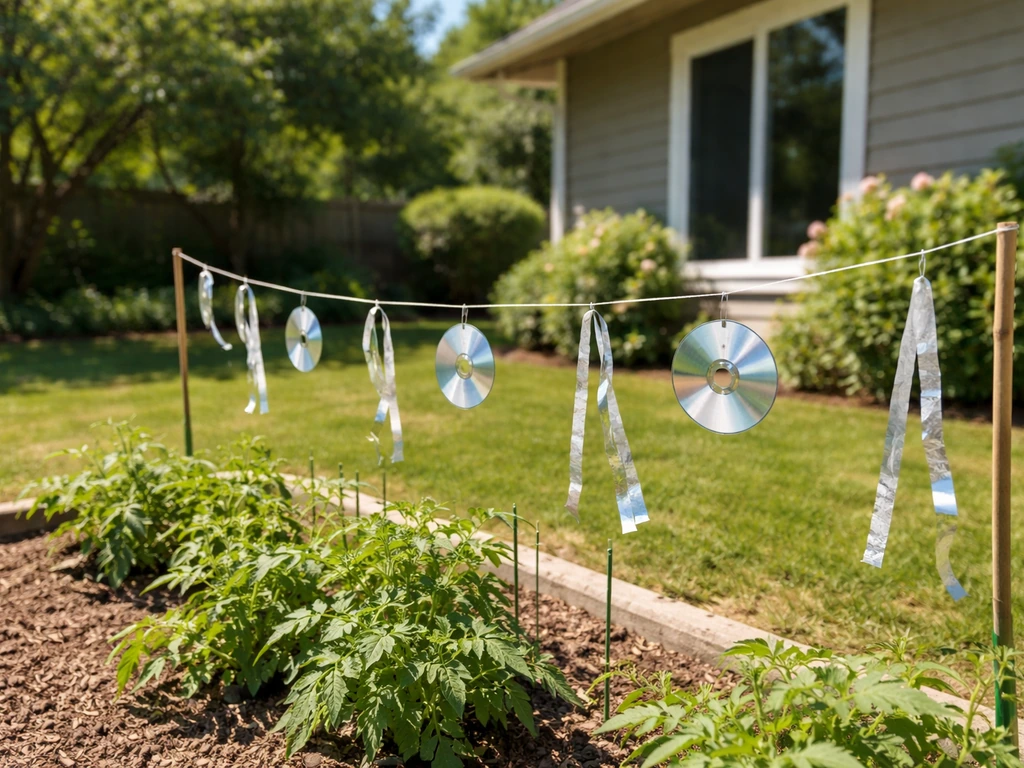
Reflective tape and flash tape are cheap and easy. Hang strips 12 to 18 inches long from fence posts, garden stakes, or pergola beams so they spin and flutter in the breeze. The flashing light and unpredictable movement mimic the look of a threat. Old CDs on strings work on the same principle and are worth repurposing if you have them lying around.
Predator decoys work better when you add motion. A hawk decoy or owl decoy on a pole with a weighted base that allows it to spin in the wind is far more effective than a fixed model. Some products include a spinning head powered by a small motor or wind cup. Move the decoy to a new location every two to three days to stop the hawk from realizing it never actually does anything.
Mylar balloons and scare eyes (large balloon-style spheres with reflective eye patterns) can be hung from trees, gutters, or posts. Again, position matters: hang them where they'll move with air currents, and relocate them regularly. A balloon sitting motionless in still air on the same fence post for two weeks is not going to bother a hawk.
For garden or patio areas specifically, wind-powered pinwheels and garden spinners add constant, unpredictable motion. These are inexpensive, widely available, and genuinely effective as part of a broader setup.
Sound and motion-sensing deterrents
Sound deterrents fall into two categories: sonic (audible to humans and animals) and ultrasonic (above the range of human hearing). Sonic deterrents designed for hawks typically play hawk distress calls, predator sounds, or alarm calls from songbirds. These can be effective for a period but have the same habituation problem as visual tools: if the sound plays constantly and nothing bad ever happens, the hawk learns to ignore it.
Motion-activated sound devices solve this problem better than timers or continuous play. A PIR (passive infrared) sensor paired with a speaker that fires off a burst of sound when the hawk lands nearby is more startling and less predictable than a looping track. Look for units designed specifically for bird deterrence that include a range of alarm sounds you can rotate between.
Ultrasonic devices are marketed heavily for bird deterrence, but the evidence for their effectiveness against raptors is mixed. Hawks don't rely on high-frequency sound the way some other animals do, so don't make an ultrasonic device your main strategy. It can be a supporting layer, but it shouldn't be your primary tool.
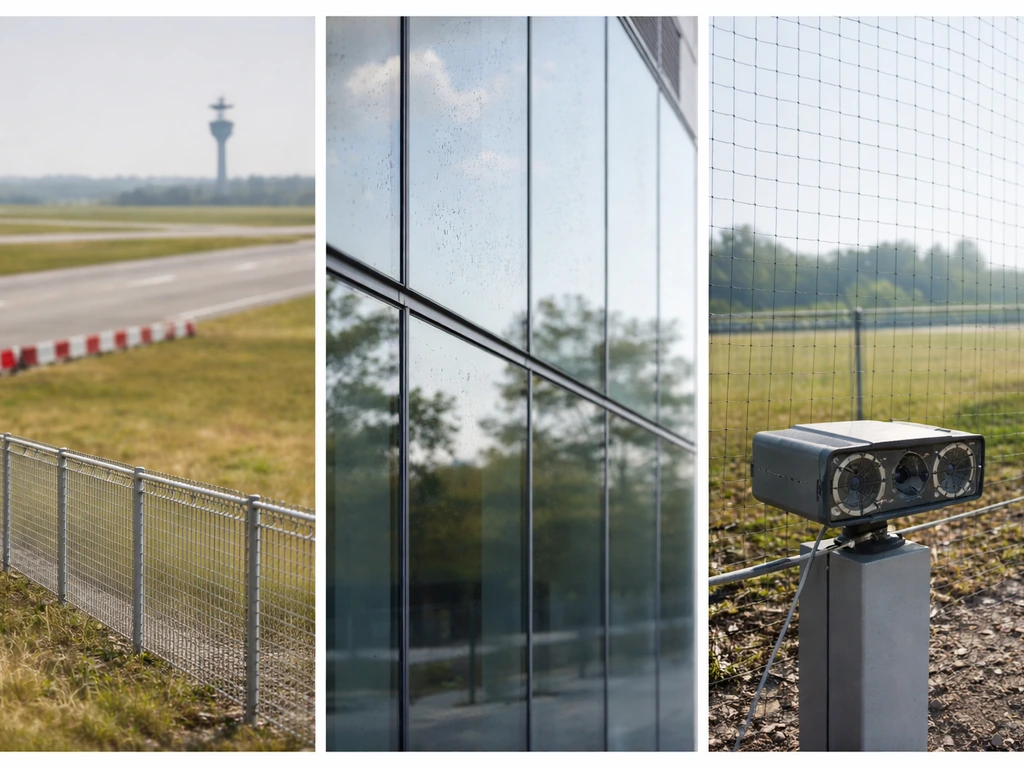
For commercial sites or aviation-adjacent areas where a more assertive approach is needed, propane gas cannons (bird bangers) produce loud, randomized booms that are highly effective at dispersing raptors and other birds over wide open areas. These are typically timed or motion-activated, and many units rotate their direction automatically to cover more ground. They're overkill for a residential backyard but standard practice in agricultural and airfield settings.
One practical note: if you're in a residential area, check local noise ordinances before deploying any sound device, especially gas cannons. Motion-activated speaker units are far more neighbor-friendly and still get the job done for home use.
Physical exclusion (netting, spikes, barriers)
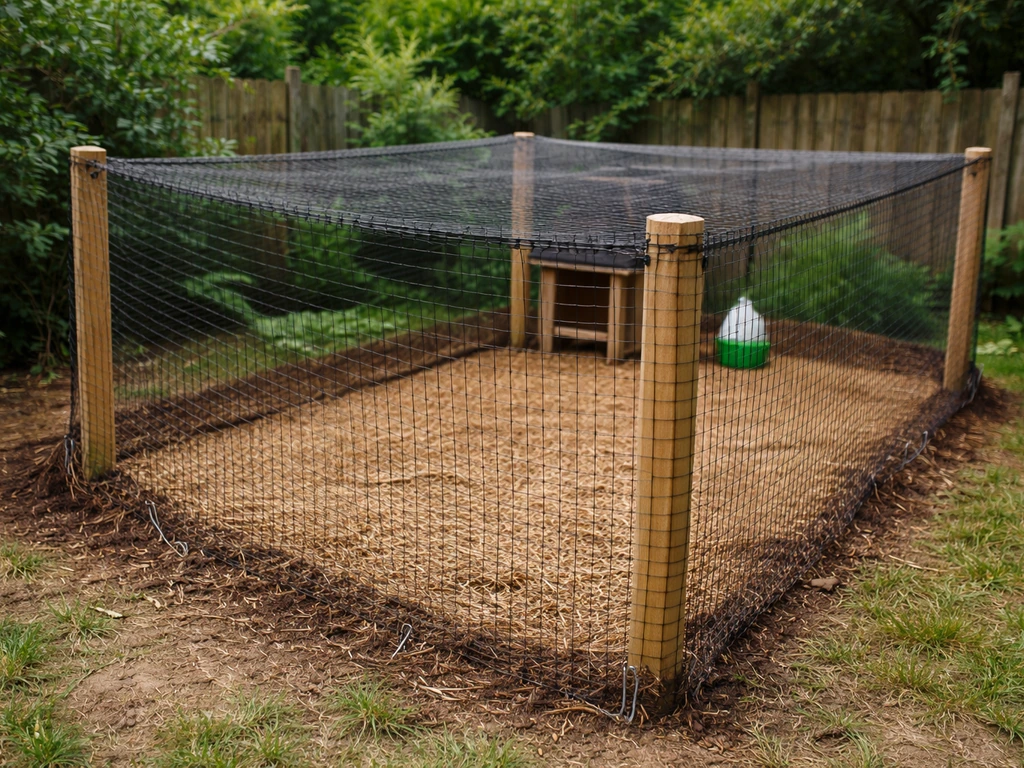
Physical exclusion is the most reliable method because it doesn't rely on the hawk deciding to leave. It physically prevents access. The downside is cost and installation effort, but for specific protected areas it's worth it.
Bird netting over a chicken run, small animal enclosure, or garden plot is the most direct solution if you're trying to protect livestock, backyard chickens, or small pets from hawk attacks. Use netting with a mesh size of 1 inch or smaller. Make sure it's tightly secured at all edges with no gaps, and check it regularly for damage. Hawks are persistent and will find weak spots.
For rooftop perch sites on commercial buildings, bird spikes on ledges, parapets, and HVAC units remove the flat surfaces hawks like to land on. Spikes don't harm the bird, they just make the landing uncomfortable and the hawk moves on to a more convenient perch. Use stainless steel spikes for long-term durability, especially in coastal or high-UV environments.
On solar panels, the gap between the panel and the roof is attractive to hawks for perching and to smaller birds for nesting (which then attracts hawks). Purpose-made solar panel mesh kits clip to the panel frame and seal this gap without affecting panel performance. This is doubly useful: it removes the nesting opportunity and the hunting incentive.
For open patio or pool areas, tensioned wire systems (horizontal stainless steel wires strung at 3 to 6 inch intervals above the space) break up the open sightlines that hawks need to dive through. These are less visually intrusive than netting and work well for defined outdoor living areas.
Habitat changes and risk/food source reduction
This is the step most people skip, and it's often the most important one. If your property is full of mice, rats, and sparrows clustering around a feeder, hawks will keep coming back regardless of what deterrents you put up. In a University of Arizona study of urban Cooper’s hawks, nest density in Tucson was associated with nest-tree and site features, including large trees and prey abundance nest density in Tucson associated with habitat and prey factors. You're making the environment too appealing.
Start with rodent control. Seal entry points to sheds, garages, and crawl spaces. Keep compost bins covered and stored food in airtight containers. Reduce ground cover like thick low shrubs where mice shelter. Fewer rodents means less reason for red-tailed hawks to stake out your property.
If you have a bird feeder and you're seeing regular Cooper's hawk activity, consider temporarily taking the feeder down for two to three weeks. The songbirds will disperse, the Cooper's hawk loses its hunting ground, and you can put the feeder back up once the pattern is broken. Switching to a feeder design with a cage or guard that only small birds can enter also reduces the appeal to larger predators.
Remove or trim large exposed perch trees close to areas you want to protect. You don't need to cut anything down, but if there's a dead snag or a branch with a perfect clear sightline over your chicken run, pruning it removes a key hunting asset. Hawks prefer to hunt from elevated, open vantage points, so reducing those spots matters.
Adding dense shrub cover for small birds (not for mice) can also help: songbirds that have escape cover are harder to catch, making your yard a less productive hunting spot for Cooper's hawks specifically.
Implementation plan, safety notes, and what to try next
Here's a practical starting point depending on your situation. Use this as a framework and layer in additional methods over time.
| Setting | Priority 1 | Priority 2 | Priority 3 |
|---|---|---|---|
| Residential yard/garden | Remove food sources (rodent control, feeder management) | Reflective tape + moving decoy | Motion-activated sound device |
| Backyard chickens/small animals | Bird netting over enclosure | Remove nearby perch spots | Reflective tape around perimeter |
| Commercial building/rooftop | Bird spikes on ledges and HVAC units | Tensioned wire systems | Motion-activated sound or laser deterrent |
| Solar panels | Solar panel mesh kit | Spike strips on panel frames | Remove nearby roosting trees |
| Aviation-adjacent/open land | Gas cannon (randomized timer) | Predator decoys with movement | Habitat modification (mow, remove cover) |
A few safety and legal points worth repeating clearly. Hawks in the US are federally protected under the Migratory Bird Treaty Act, and similar protections exist in the UK, Canada, Australia, and most of Europe. Do not attempt to trap, relocate, poison, shoot, or disturb a nesting hawk. The deterrence methods in this guide are legal. If a hawk has already nested on your property, you generally need to wait until the nesting season is over before modifying that location. If you're unsure about what's permitted in your area, contact your local wildlife agency.
When installing any physical deterrent at height (rooftop spikes, panel mesh, tensioned wire systems), use appropriate fall protection and don't work on a roof alone. For sound devices near neighbors, test timing and volume before leaving units running unattended.
The single most common mistake people make is deploying one deterrent and leaving it in exactly the same position for weeks. Hawks habituate fast. Set a reminder to move or rotate your deterrents every three to five days, especially in the first few weeks when you're breaking an established pattern. Once the hawk has consistently found your property unrewarding, the visits will drop off naturally.
If you want to go further, the same principles here connect to broader DIY bird scarer approaches, including homemade options using materials you probably already have. Gas-powered bird scarers are worth exploring if you're managing a larger open site. Gas-powered bird scarers are commonly used for larger open properties because the loud, unpredictable noise can help disperse birds. And if you've inherited a bird scarer setup that you need to adjust or turn off safely, that's a separate process worth understanding before you start changing settings.
FAQ
How long should I expect hawks to keep coming back after I start deterrents?
Often a few weeks. Hawks may test the area repeatedly at first, especially if there are nearby perches or prey. If you do not rotate methods and remove attractants, visits can persist longer, sometimes for an entire hunting season.
What’s the safest way to tell whether a Cooper’s hawk or a red-tailed hawk is the problem?
Watch for hunting style and location. Cooper’s hawks tend to dive at backyard feeders and move through wooded cover, while red-tailed hawks more often use higher open perches like rooftops and poles. If you see attacks concentrated around feeders, Cooper’s hawk is more likely.
Can I use a motion-activated sprinkler as part of the plan?
Yes, but only as a supporting tool. It works best when it triggers right as the hawk lands or enters the protected zone, and it should be paired with exclusion or food source removal. If it goes off continuously or at predictable times, habituation still becomes an issue.
Do hawk decoys work if it’s windy one day and calm the next?
They can, as long as the decoy has a way to move during calm periods too. Purely wind-dependent setups may become stationary in still air. Adding a motion feature (spinning base or motor head) and relocating the decoy every few days improves consistency.
Should I leave reflective tape up permanently?
Usually not. Even effective visual deterrents lose impact if placement and pattern stay unchanged. Plan to relocate strips and swap among visual items every few days, then reassess after you reduce food and perch opportunities.
Will covering a bird feeder solve the problem permanently?
It can, especially for Cooper’s hawks, but only if you remove the entire hunting incentive. If rodents and other prey remain abundant, hawks may shift to other hunting spots. Consider feeder removal for a short window, then use a cage or guard design that limits access for larger birds.
Is it better to chase the hawk away by people or leave it alone?
For most situations, leave the hawk alone and focus on making the area unrewarding. Chasing can increase risk of disturbance and may not deter a persistent predator if food sources still exist. Use non-contact deterrents first, and reserve direct action for immediate safety concerns.
What mesh size and installation details matter most for netting?
Use mesh size of 1 inch or smaller as a baseline, but the bigger issue is eliminating gaps. Secure edges to ground or structure so there are no lifting points, and inspect for tears after storms or heavy wind because raptors will exploit weak sections quickly.
Can I deter hawks from rooftops without spikes if I have solar panels?
Yes, prioritize panel gap sealing and landing-blocking options that prevent perching. Purpose-made solar panel mesh kits address the space that supports both perching and nesting. For ledges, you can also use tensioned wire or other landing barriers instead of roof-mounted spikes.
How do I reduce the chance of habituation with sound devices?
Use motion-triggered bursts rather than continuous or time-based playback. Rotate between different alarm sounds if the unit supports it, and stop relying on a single sound profile. Also vary where sound is aimed if your device allows directional placement.
Are ultrasonic devices safe to use around pets and do they help with hawks?
They are often safe for typical backyard use, but effectiveness against raptors is unreliable, so treat them as optional. If you have cats or other sensitive animals, consider whether they react to high-frequency output and shift to visual and exclusion methods if you see stress or no deterrent results.
What’s a common mistake when using gas cannons or loud deterrents?
Overuse in residential areas without checking local noise rules and without controlling the trigger pattern. If your neighbors are close, a motion-activated speaker strategy is generally more neighbor-friendly. Also, ensure the device covers the relevant open area, not just a single spot.
Should I remove trees or prune branches to deter hawks?
Pruning can help when it removes an obvious elevated sightline, especially near chicken runs. However, do not create new nesting or perching opportunities, and avoid unnecessary tree work if it’s governed by local regulations or protected species policies.
If a hawk nested already, can I install deterrents immediately?
In most places you should wait until nesting is finished before changing the nesting location. Disturbing an active nest can be illegal. If you’re not sure whether a nest is active, contact your local wildlife agency for guidance.
What should I do first if I want the quickest results?
Start with the attractants: reduce prey access (rodent control, secure compost and food storage), then remove or guard bird feeders, and add at least one exclusion barrier for the most vulnerable area. Visual and sound tools work better once the area no longer offers easy rewards.