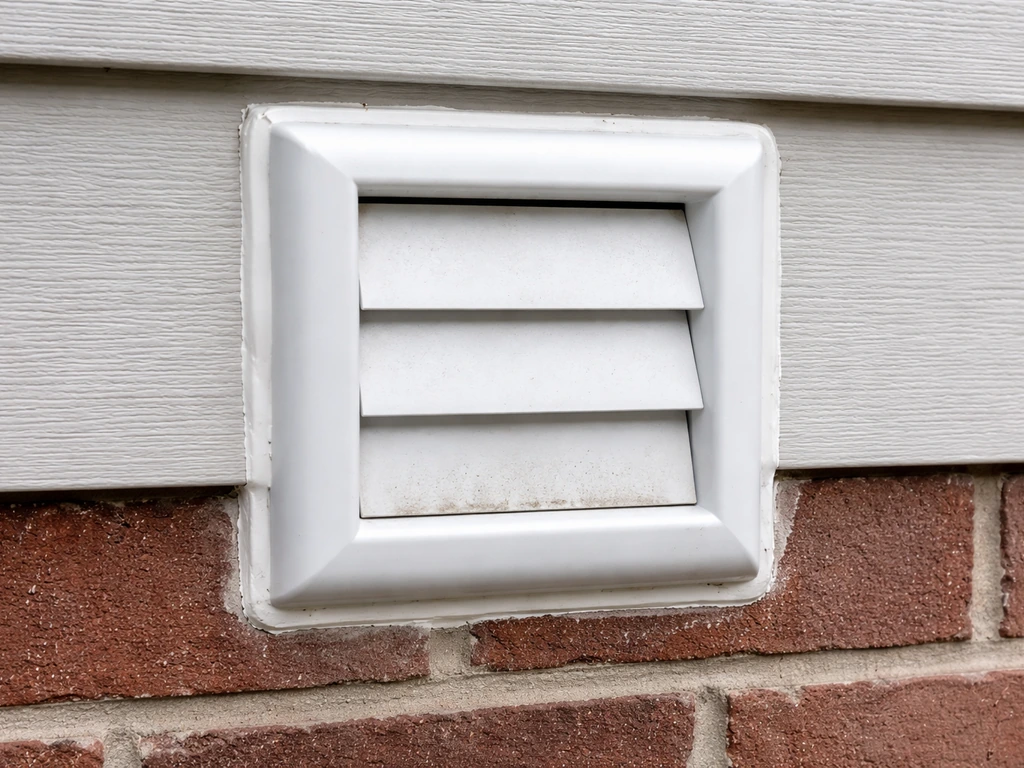
Bird proofing a typical home costs anywhere from $150 for a basic DIY deterrent setup to $5,000 or more for a professionally installed netting or exclusion system across a large or complex structure. Most residential jobs land somewhere between $500 and $2,500 all-in, depending on which method you choose, how big the area is, and how hard it is to reach. If you're just trying to get a ballpark before calling anyone, that range covers the majority of jobs homeowners actually deal with.
How Much Does Bird Proofing Cost? 2026 Pricing Guide
Marcus Weatherby
19 Jun 2026
Quick cost ranges at a glance
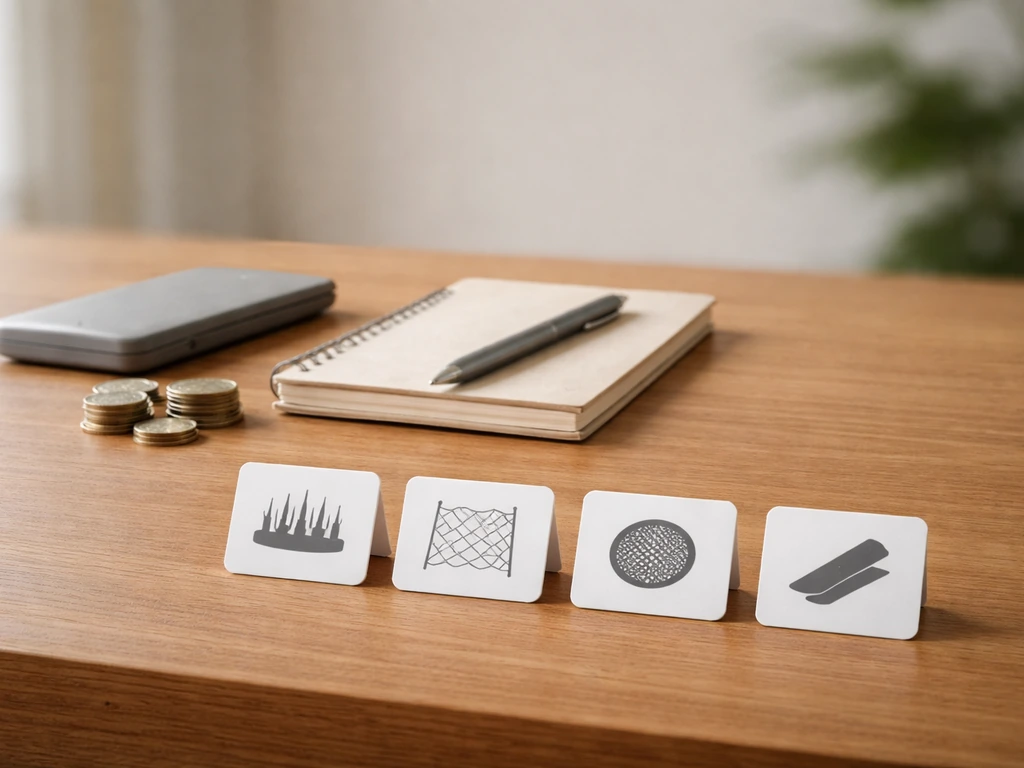
Here's a fast reference table covering the most common bird-proofing methods and their typical installed costs in 2026. These are real-world ranges, not best-case estimates.
| Method | DIY Material Cost | Professionally Installed | Typical Lifespan |
|---|---|---|---|
| Bird spikes (standard surfaces) | $2–$5/linear ft | $10–$25/linear ft | 10–15 years |
| Bird spikes (corners/irregular surfaces) | $5–$10/linear ft | $20–$35/linear ft | 10–15 years |
| Bird netting (simple, low-access) | $8–$12/sq ft (materials) | $2.50–$6/sq ft (installed) | 5–7 years |
| Bird netting (complex/large-scale) | $8–$12/sq ft (materials) | $6–$15/sq ft (installed) | 5–7 years |
| Patio/mesh screen enclosure | $2–$4/sq ft (materials) | $8–$15/sq ft (installed) | 10+ years |
| Electric bird barrier | N/A (pro only) | $2,500–$6,000 (full system) | 7–10+ years |
| Solar panel critter guard (mesh) | $300–$800 DIY kit | $350–$2,500 installed | Life of panels |
| Ultrasonic deterrent device | $30–$150/unit | $150–$400 installed/configured | 2–3 years |
| Visual deterrents (tape, decoys, laser) | $10–$80 | $100–$300 with service visit | Varies (1–3 years) |
| Chemical repellents (gel/liquid) | $20–$60/application | $100–$400 per treatment | Seasonal reapplication |
Labor rates for the professionals doing this work typically run $50–$150 per hour depending on the complexity of the job and your location. Most bird-proofing contractors price by the linear or square foot rather than hourly, but knowing that base rate helps you sense-check any quote you receive.
Cost breakdown by method: exclusion, deterrents, and repellents
Physical exclusion (netting, spikes, mesh, screens)
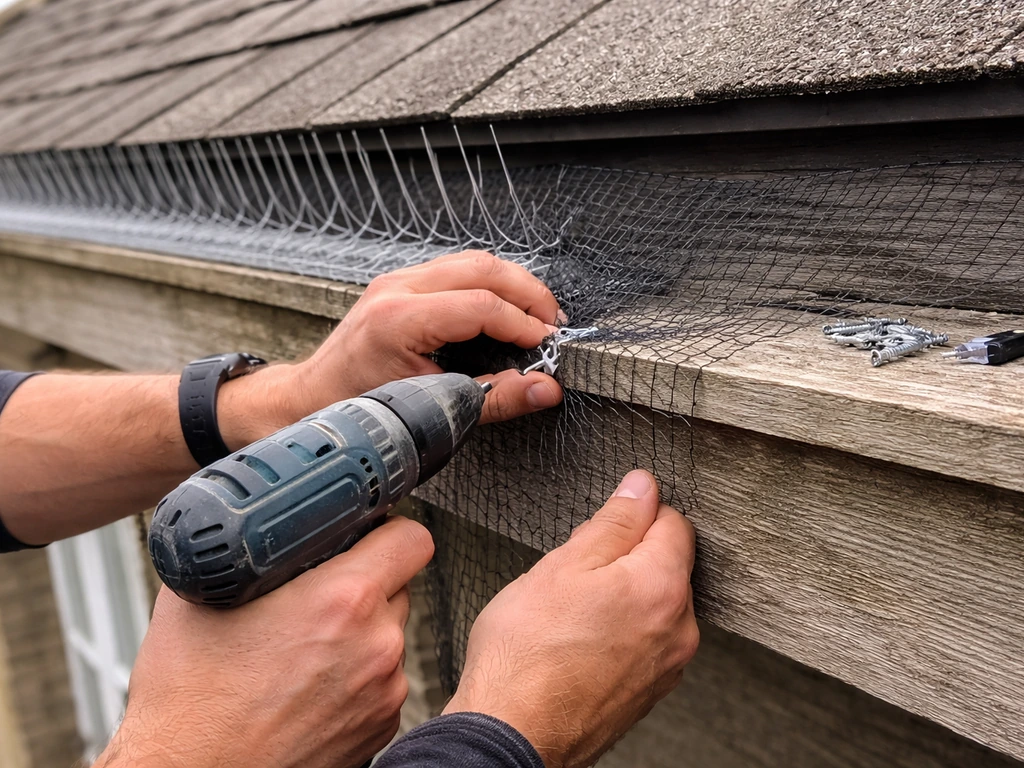
Physical exclusion is the most reliable long-term approach and usually the most expensive upfront. Bird spikes on standard ledges run $10–$25 per linear foot installed, and corner or irregular surface installs push that up to $20–$35 per linear foot because of the extra time and specialized hardware involved. The materials themselves are $2–$5 per linear foot, so the labor component is substantial.
Bird netting is priced per square foot. Simple rectangular installs with good access come in at $2.50–$6 per square foot installed, which is actually quite reasonable for the coverage area. More complex jobs with awkward geometry, high access, or heavy anchor requirements can push toward $6–$15 per square foot. Material costs alone tend to run $8–$12 per square foot, which is why professional bird netting jobs on large areas can feel expensive: you're paying mostly for the material, not just the labor. Netting typically lasts 5–7 years, and most quality installers back their work with a 1–5 year warranty that covers system integrity but not storm damage or neglected maintenance.
Patio screen or mesh enclosures, which many homeowners use to seal off balconies and covered outdoor areas, cost $2–$4 per square foot in aluminum mesh materials and $8–$15 per square foot professionally installed. That's a meaningful investment for a large patio, but it creates a near-total barrier that covers pest insects as well as birds.
Electric bird barriers (electrified track systems) sit at the premium end: $2,500–$6,000 for a professionally installed system. These are rarely used for standard residential jobs, but they're common on commercial ledges, rooftops, and industrial structures where other methods aren't practical.
Sensory and behavioral deterrents (sonic, ultrasonic, visual)
Ultrasonic and sonic devices are significantly cheaper upfront than physical exclusion. A single ultrasonic unit covers roughly up to 900 square feet, costs $30–$150 to buy, and draws enough power that you'll spend about $5–$15 per year in electricity (or $20–$30 per year in battery replacements for cordless models). The catch: these devices have a useful lifespan of about 2–3 years due to electronics wear and weather, and birds can habituate to them if the device is the only deterrent in place. They work best as part of a layered approach, not as a standalone solution.
Visual deterrents like reflective tape, predator decoys, and laser systems are the cheapest entry point, ranging from $10 to $80 for DIY products. They have limited long-term effectiveness on their own because birds eventually recognize the threat is not real. Laser deterrent systems are more effective and are used commercially, but they cost significantly more and often require professional setup. If a service provider is deploying and maintaining visual deterrents, expect to pay $100–$300 for a service visit.
Chemical repellents
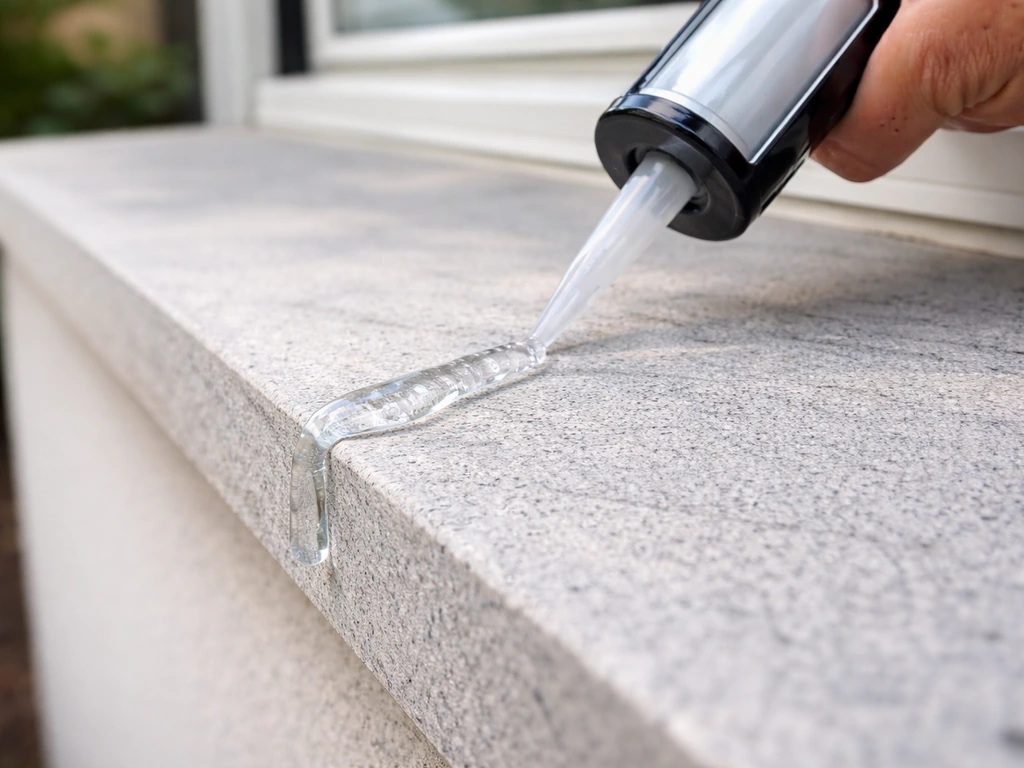
Chemical repellents, including contact gels, sprays, and treated surfaces, cost $20–$60 per DIY application or $100–$400 for professional treatment depending on the area covered. The critical thing to know here is that chemical repellents are often regulated under FIFRA (the Federal Insecticide, Fungicide, and Rodenticide Act), so some products can only be applied by licensed applicators. Repellents also need seasonal reapplication, which makes them an ongoing cost rather than a one-time investment. They're rarely sufficient on their own for serious bird pressure, but they work well in combination with physical deterrents.
What actually changes the price
The same method can cost twice as much on one property versus another, and these are the factors that explain why. GetBirdSpikesInstalled.com notes that installation pricing can vary with the specific type and complexity, with labor and materials as key drivers, and that easier access and maintenance needs can influence overall cost over time blank" rel="noopener noreferrer">type and complexity, labor and materials. Bird proofing is the set of methods used to stop birds from nesting or landing on your property what is bird proofing.
- Surface area and linear footage: More coverage area means more materials and more time. Always measure before getting quotes so you can compare apples to apples.
- Height and access: Ground-level jobs are straightforward. Anything requiring a ladder, boom lift, or scaffolding adds real cost. Roof ridge work or third-story eaves can double the labor component.
- Surface complexity: Straight flat ledges are easy. Curved rooflines, ornate architectural details, corners, and irregular shapes take more time and specialized hardware.
- Prep and cleanup: If there's an active bird colony, you'll need professional cleanup before installation. Bird droppings carry health hazards, and some jobs require protective equipment and disposal protocols that add to the project cost.
- Number of entry and perch points: A property with 30 potential entry points costs significantly more than one with five, even if the individual treatment is the same.
- Material longevity: Cheaper materials save money now but cost more over time. Stainless steel spikes at the higher end of the price range outlast plastic or galvanized options by years.
- Power requirements: Sonic and electronic deterrents need either power access or battery management, which may require an electrician or ongoing service contract.
- Ongoing maintenance: Netting needs periodic inspection and re-tensioning. Spikes can collect debris. Deterrent devices need battery changes or firmware updates. Factor this in when comparing total cost of ownership.
- Warranty: A contractor offering a 3–5 year workmanship warranty is worth paying a bit more for. If something fails at month six, you don't want to be back to square one.
DIY vs. hiring a professional
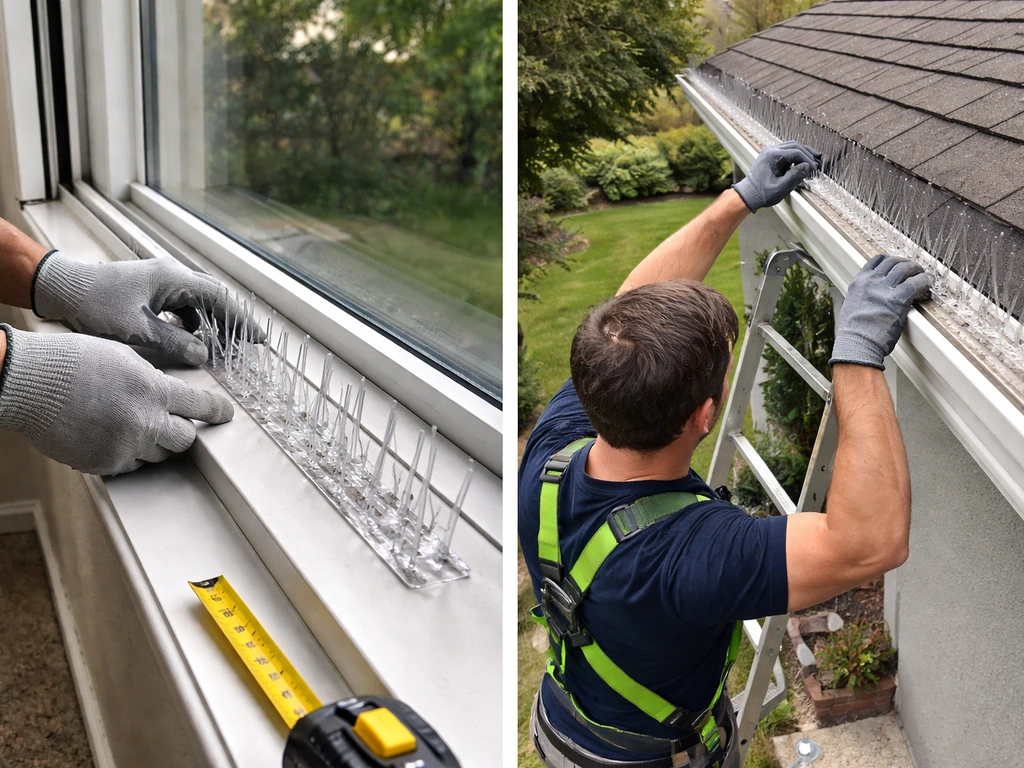
DIY is genuinely viable for a lot of bird-proofing jobs, especially spike installation on accessible ledges, hanging reflective deterrents, setting up ultrasonic devices, and installing dryer vent bird guards. A basic dryer vent guard costs around $12–$20 in hardware and takes under an hour to install. Spike materials at $2–$5 per linear foot on a single ledge you can reach from a step ladder is a reasonable afternoon project. You'll save 60–70% on labor by doing it yourself on simple jobs.
The case for hiring a pro gets stronger when: the job involves height above one story, the surface is complex or fragile (tile roofs, for example), you're dealing with an active nesting site that requires cleanup before installation, you need a warranty that covers the work, or you're dealing with a protected bird species where disturbing a nest can carry legal consequences. Professional installers also bring commercial-grade materials and tensioning equipment for netting jobs that DIY kits can't match.
Labor rates for bird-proofing professionals run $50–$150 per hour, with most independent handymen charging $65–$100 per hour and specialist bird control contractors often pricing by the foot rather than hourly. If you're getting hourly quotes, a small spike job should take 1–3 hours; a full netting installation over a large atrium or commercial structure can run several days.
One practical tip: if you have a job that spans multiple areas (eaves, gutters, solar panels, and a patio), get it quoted together. If you are trying to bird-guard solar panels, ask the installer about safe netting or barrier options that won’t interfere with panel performance or access for maintenance. Bundling usually reduces the per-unit cost because the contractor is already on-site and already has their equipment deployed.
Price by location and structure type
Eaves and under-roof overhangs
Eaves are one of the most common bird-proofing jobs on residential properties. Starlings, sparrows, and pigeons love nesting in the gap between the fascia board and roof deck. Screening or netting these openings typically costs $150–$600 depending on how many linear feet need to be sealed and whether a ladder is sufficient or a taller setup is needed. Spikes on top of the fascia board run $10–$25 per linear foot installed.
Roofs and gutters
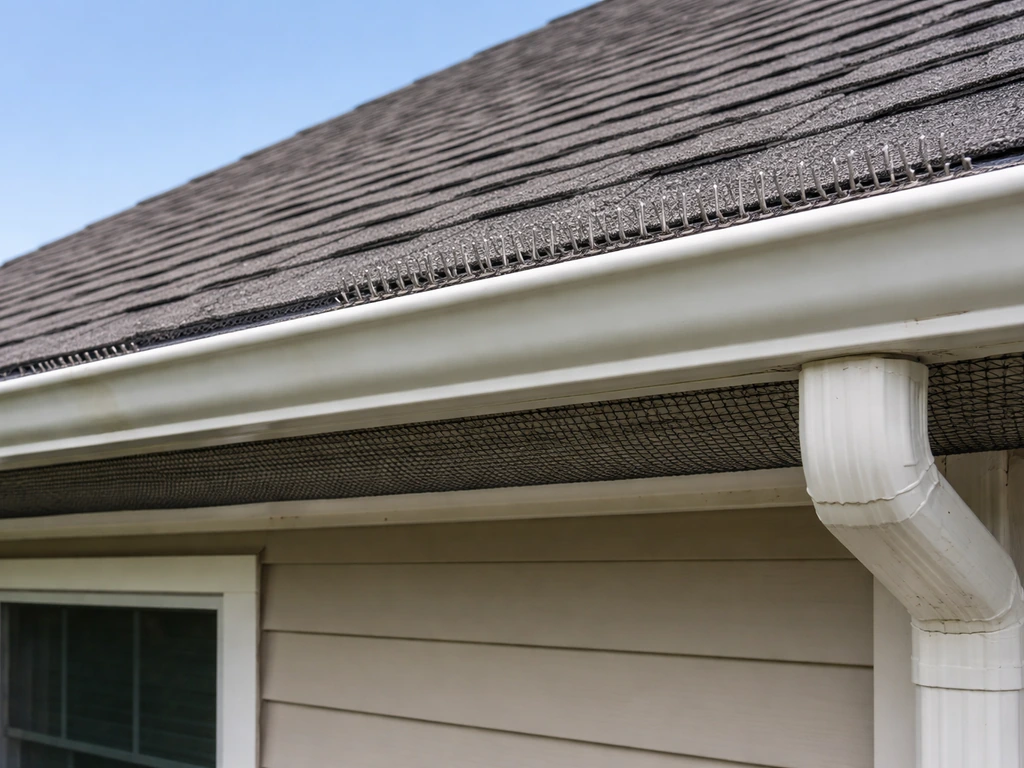
Ridge spikes on a roof are more involved than standard ledge spikes because the install sequence has to account for ridge cap shingles, and some jobs require partial shingle replacement or repositioning. Expect $15–$30 per linear foot installed for roof ridge work. Gutter-related work (screening or blocking entry to gutter systems) adds $200–$800 for a typical single-story home, more for multi-story properties.
Windows and window ledges
Window ledge spike installation is relatively affordable: $10–$20 per linear foot installed for standard conditions. If the concern is birds striking the glass, anti-collision film or patterned decals are a different product category, running $2–$6 per square foot for materials and moderate installation effort.
Patios and balconies
Netting a patio or balcony is one of the most popular bird-proofing projects. A simple rectangular covered patio with good access can cost as little as $250–$800 for materials and installation. Larger or more complex patio structures, especially those with pergola or open framing that needs net anchoring, can run $1,500–$4,000. Full aluminum mesh screen enclosures sit at $8–$15 per square foot installed, so a 300-square-foot patio could cost $2,400–$4,500 for a complete enclosure.
Gardens and pools
Garden netting to protect crops or ornamental plantings is at the budget-friendly end: lightweight crop netting can be purchased for $0.10–$0.50 per square foot and installed without professional help in most cases. Pool coverage is different because a pool net needs to span a larger area and support some load, pushing installed costs toward $500–$2,000 for a standard residential pool.
Solar panels
Solar panel bird proofing deserves its own attention because it's one of the fastest-growing service categories. Birds, especially pigeons, nest under panels and cause significant damage and cleaning costs. The standard solution is a critter guard: a mesh skirt that clips to the panel frame and blocks access to the space underneath. For solar panels, the most common “bird proofing” approach is installing a critter guard, sometimes paired with other deterrents to prevent nesting underneath.
Professionally installed critter guards typically cost $350–$2,500 for a residential system, with most standard home installations falling around $500–$1,500. Per-panel costs vary widely by installer, and one Bay Area example shows real quotes ranging from $750 to $1,200 for 145 linear feet of critter guard, illustrating how much contractor-to-contractor variance exists.
DIY kits for solar panel mesh are available for $300–$800 and can be a reasonable option if you're comfortable on the roof and familiar with your panel mounting system. Some mesh products are warranted to last the full life of the solar system. Installers like SolarAbility offer 3-year critter-free warranties, which is worth asking about when comparing quotes. If you're already exploring solar bird proofing, the installation process and panel-specific considerations are covered in more detail in the dedicated guide on how to bird proof solar panels.
Commercial properties and aviation: a different cost category
Commercial bird proofing operates at a different scale and with more regulatory complexity than residential work. A large warehouse roof, a multi-story commercial building, or an industrial facility can easily run $10,000–$50,000 or more for a comprehensive bird exclusion system, depending on area, access difficulty, and method selected. Electric track systems, commercial-grade netting with cable suspension, and engineered anchor systems are common at this level.
Permitting is often required for commercial installations, particularly when scaffolding or aerial lifts are involved, or when work affects building envelope components. Some jurisdictions also require licensed pest management professionals for certain chemical applications. Factor in $200–$1,500 for permit costs depending on your municipality and project scope.
Aviation environments are in their own category entirely. Bird strike risk management near airports is governed by blank" rel="noopener noreferrer">FAA Advisory Circular AC 150/5200-33, which outlines requirements for managing wildlife attractants near airports. Any bird control work on or adjacent to airport property needs to be coordinated with airport wildlife management personnel and must comply with FAA wildlife hazard guidance. The FAA's manual for airport personnel explicitly notes that some deterrent techniques are not suitable as long-term standalone solutions, and that habitat modification (removing attractants) is a core component of any compliant program. Costs at aviation facilities reflect this complexity: projects can involve environmental assessments, specialized permitting, and multi-method integrated programs that run six figures for large airports.
For commercial and aviation work, chemical repellents also introduce regulatory complexity. Under FIFRA, certain chemical repellent products used at this scale may require licensed applicators, and EPA oversight applies to some categories of bird repellent compounds. Always confirm that any commercial contractor is licensed for the specific chemicals they're proposing to use.
How to get an accurate quote
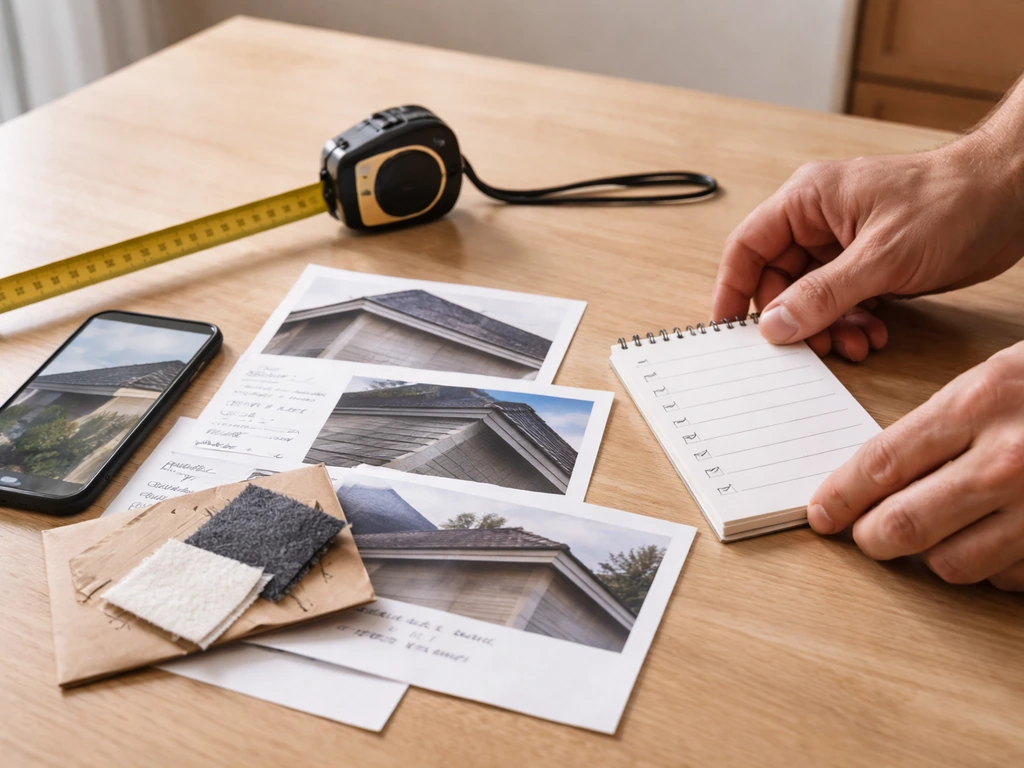
The single biggest reason homeowners get wildly different quotes is that they describe the problem vaguely. 'Birds on my roof' can mean anything. The more specific you are upfront, the more comparable and accurate your quotes will be. If you are dealing with a dryer vent, make sure your scope also includes a proper dryer vent bird guard so birds cannot nest in the exhaust opening how to install dryer vent bird guard.
Measure and document before you call
- Measure the linear footage of ledges, rooflines, and gutters where birds are landing or nesting.
- Measure the square footage of any areas you want netted or screened (length x width is sufficient for rectangular spaces).
- Count the number of solar panels and measure the perimeter of the array.
- Count the number of entry points you can identify (vents, eave gaps, gutter openings).
- Note the height of problem areas from ground level.
- Take photos from multiple angles, including close-ups of damage or droppings and wide shots showing overall access conditions.
- Identify the bird species if you can (pigeon, starling, sparrow, gull) since this affects which methods will work and what permits may be involved for certain protected species.
Questions to ask every contractor
- Does the quote include materials, labor, and cleanup, or are any of those separate?
- What materials are you using and what is their expected lifespan?
- Do you offer a workmanship warranty, and what does it cover?
- Will you need to remove or replace any existing materials (shingles, fascia boards) before installation?
- Is scaffolding or a lift required, and is that included in the quote?
- Are any permits required for this job, and who is responsible for obtaining them?
- If you're using chemical repellents: are you a licensed applicator for those products?
- What maintenance will the system require, and do you offer a maintenance contract?
How to avoid getting under- or over-quoted
Get at least three quotes for any job over $500. If one quote is dramatically lower than the others, ask specifically what materials they're using and whether the quote includes cleanup and all access equipment. Low quotes often exclude scaffolding, debris removal, or use shorter-lifespan materials. Conversely, some contractors quote for methods that are more robust than your situation actually requires. If you have a single ledge with a pigeon problem, you probably don't need an electric bird barrier system. If you're also comparing guard options like the best dryer vent bird guard, ask your contractor whether the quote includes the right screening or netting for vent openings rather than a generic deterrent setup.
Ask each contractor to walk you through what they're recommending and why. A good contractor will explain the bird pressure on your property, the method they think is appropriate, and what they'd recommend against. If someone just hands you a number without an explanation, that's a reason to ask more questions.
Finally, think in terms of total cost of ownership rather than just upfront cost. A $400 spike installation that lasts 12 years with zero maintenance is a much better value than a $150 deterrent device that needs replacing every two years and doesn't fully solve the problem. Physical exclusion almost always wins on long-term cost when the bird pressure is consistent.
FAQ
Is there a typical minimum price I should expect when asking how much bird proofing costs?
It depends on what “bird proofing” covers. If you mean sealing entry points like vents and ledges, most homes land in the $500 to $2,500 all-in range, but one overlooked hotspot (for example, a soffit gap or a dryer vent) can add $150 to $800. To avoid surprise pricing, describe each location, whether birds are nesting or just landing, and whether cleanup is needed before install.
Why do quotes for the same bird proofing method vary so much?
Yes. Even within the same method, the unit rate changes with reach and access. If the contractor cannot access the area from a ladder, they may price higher due to staging, safety gear, or a longer install sequence (net anchors, fascia work, ridge work). Ask whether scaffolding or a lift is included, otherwise your “per-foot” or “per-square-foot” number may not reflect your real total.
Does the price include removing nests or debris, or is that extra?
Many estimates only cover materials and installation, not cleanup. If there is active nesting, expect either an added labor line item for debris removal or a scheduled restriction window before work starts. Ask whether the quote includes removing old nesting material and hauling it away, and whether the installer will coordinate timing to avoid disturbing protected birds.
If I treat one ledge, will I usually need to pay for additional areas later?
Often, yes. Spikes usually stop landing and nesting on ledges, but birds may switch to nearby gaps if the full perimeter is not treated. If you have pests at multiple elevations, budget for multiple “zones” (for example, roof edge plus eaves plus vents). A common mistake is treating only the visible spot where birds perch, then paying again when the problem reappears 10 to 20 feet away.
Are there ongoing costs after the initial bird proofing purchase or installation?
For DIY, electrical costs are usually minor. For ultrasonic devices, electricity or replacement batteries should be treated as a recurring expense. A more important ongoing cost is replacement due to weather exposure, plus the risk of habituation if you do not pair the devices with physical barriers. For physical exclusion, the main maintenance cost is occasional inspection after storms and tightening or replacing any damaged anchors.
What should I check in a contractor warranty so I am not overpaying?
Warranties vary, especially between netting/exclusion and cheaper deterrent products. Ask what the warranty covers specifically, for example system integrity, labor to re-tension or re-anchor, and whether it excludes storm damage. Also ask the warranty duration for materials versus installation workmanship, since those are sometimes listed separately.
How do I tell whether I need bird deterrents for nesting, or anti-collision treatment for glass?
Bird proofing costs can be very different if the issue is actually window strikes rather than nesting. If birds are hitting glass, anti-collision film or patterned decals are a separate category, and pricing is typically per square foot of treated window area, not per linear foot of ledge. Ask the contractor to confirm the problem type (landing/nesting versus collisions) before you compare method-based quotes.
When does DIY stop being a good way to save on how much bird proofing costs?
DIY can be cheaper, but safe access is the deciding factor. If work is above one story, involves fragile roofing (like tile), or requires extensive anchoring, the labor and risk may erase the DIY savings. A good decision aid is to request the contractor’s proposed access plan (ladder only versus scaffolding or lift) and compare that to your DIY comfort level and tools.
Will bundling eaves, gutters, and patio work reduce my total cost, and how can I confirm it?
Bundling helps most when the contractor can cover multiple zones in one mobilization, like eaves, gutters, vents, and nearby patios. However, bundling may not reduce cost if the job spans incompatible specialties, such as solar mesh work plus engineered commercial netting. Ask for a line-item breakdown so you can see which parts are grouped and which parts are priced independently.
What questions should I ask to make solar panel bird proofing quotes comparable?
For solar critter guards, price can be per panel, per linear foot of guard length, or per system depending on the installer. Variability also comes from whether the guard covers only the underside access or includes additional barriers to prevent nesting at edges and nearby gaps. Ask whether the quote includes every panel row affected, any trim or mounting adjustments, and post-install verification of panel access for maintenance.
What is the most cost-effective approach, layered deterrents or full physical exclusion?
In many cases, it is cost-effective to prevent entry points at the source, like soffit gaps, vent openings, and dryer vents, rather than only adding visual deterrents. If you choose chemicals, expect reapplication and regulatory constraints, which can increase your long-term cost. A practical next step is to request a layered plan that starts with physical exclusion where feasible, then uses supplementary methods only where exclusion is impractical.
Next Article
Best Bird Proof Dryer Vent: How to Choose and Install
Choose and install the best bird-proof dryer vent cap to stop nesting while staying safe, weatherproof, and lint-code co