
The best bird control for your situation depends on two things: which species you're dealing with and exactly where they're landing or nesting. This means the best bird killer is usually the one that prevents birds from returning without creating new risks for people or pets. Get those two details right, and the solution becomes straightforward. Pigeons roosting on a roofline need physical exclusion like spikes or netting. Songbirds raiding a garden respond better to visual deterrents or netting over plants. Geese around a pool need a completely different approach. There's no single best product for everyone, but there is a best method for your specific problem, and this guide will walk you through finding it. Bird control refers to the practical methods used to prevent birds from roosting, nesting, or causing damage in specific areas around your property.
Best Bird Control: Methods, Products, and Placement Tips

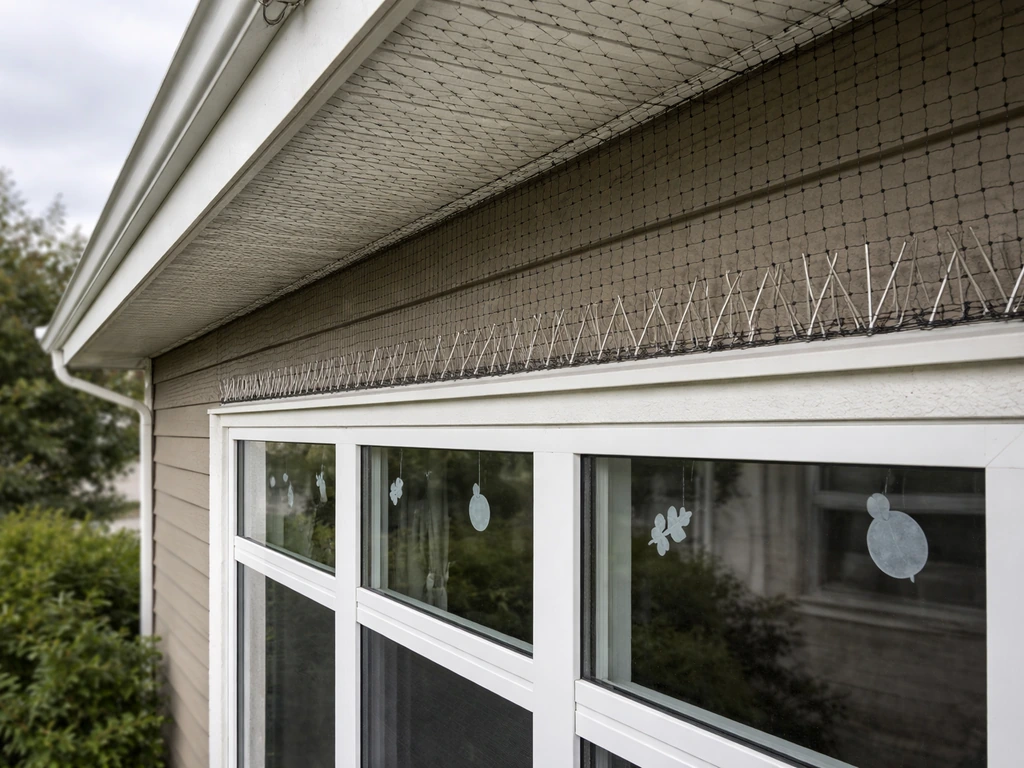
Step one: figure out what bird you have and where it's causing trouble
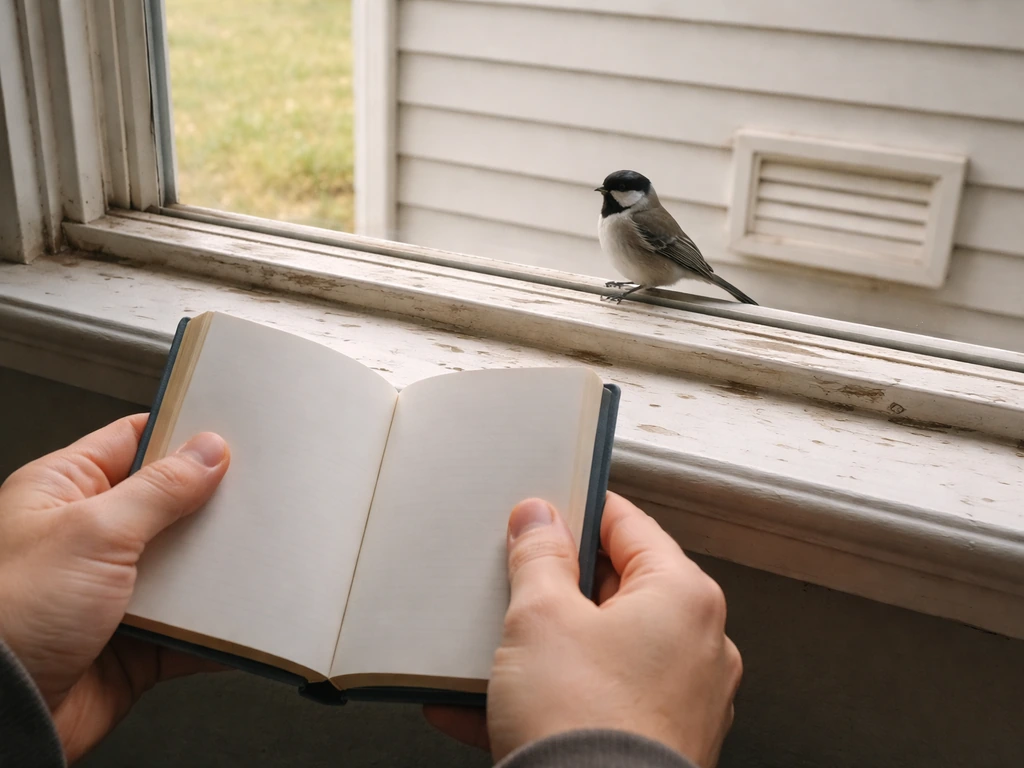
Before you buy anything, spend five minutes observing. According to Audubon, the most accurate identification combines size, body shape, behavior, and sound, not just color. A bird that looks brown from a distance could be a house sparrow, a starling, or a song sparrow, and the right control strategy differs between them.
The three most common pest birds in residential and commercial settings are pigeons, European starlings, and house sparrows. These three are the only ones not protected under the Migratory Bird Treaty Act, which matters a lot when you're deciding what methods you can legally use. Nearly every other species has federal protection, so confirming your species before acting is not optional.
After you know the species, map the exact trouble spots. Pigeons leave heavy droppings concentrated in specific roost areas, usually gutters, ledges, and flat roofline sections. Sparrows and starlings tend to nest in vents, soffits, and tight eaves. Geese and ducks gravitate toward pool decks, ponds, and open lawns. Write down the specific surfaces they're landing on, because your coverage plan has to match those surfaces exactly.
- Watch for 10-15 minutes at the same time each day to observe landing patterns and entry points
- Check for droppings concentrated in specific spots, which reveals regular roost locations
- Look for nesting material (twigs, feathers, debris) in vents, gutters, soffits, and under solar panels
- Listen as well as look, distress calls and territorial singing can help confirm species
- Note the width of landing surfaces, any flat area wider than about 2.5 cm (roughly an inch) is fair game for a bird
Best bird control methods by area of your property
Different areas of a property have different control needs. Here's what actually works in each zone.
Yard and garden
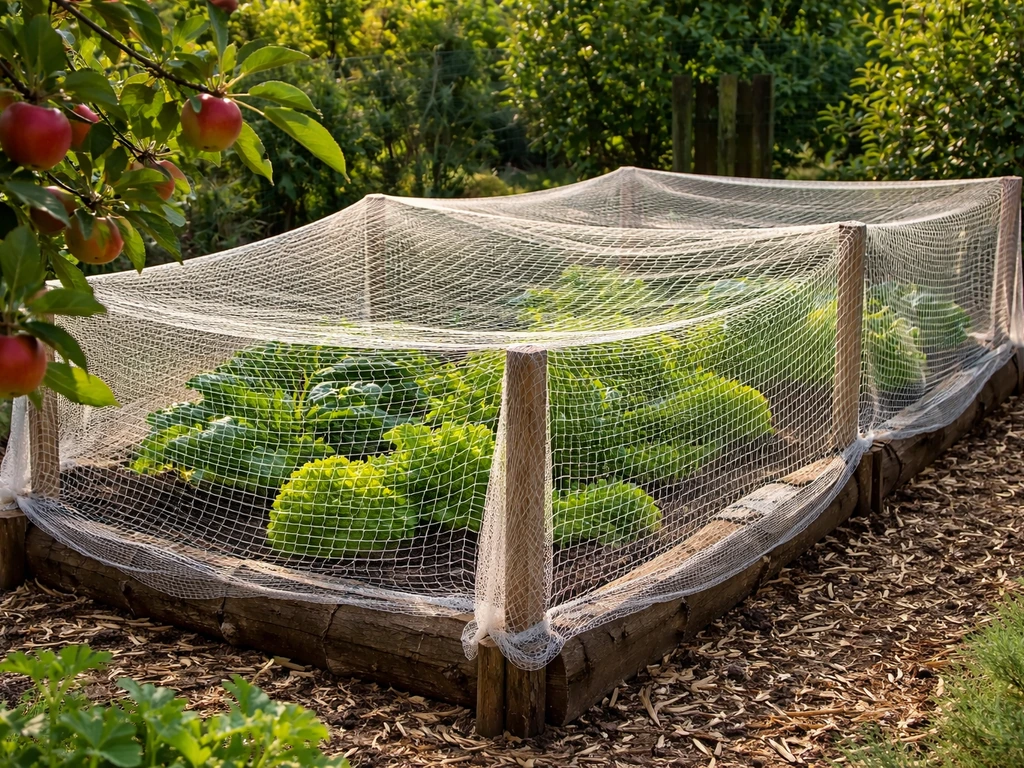
For gardens, netting is the most reliable option. Drape bird netting directly over fruit trees, berry bushes, or vegetable beds and secure the edges so birds can't get underneath. Visual deterrents like reflective tape, predator kites, or owl decoys can help in open yard spaces, but birds habituate to static objects quickly. Move them every few days or combine them with sonic deterrents that play alarm or distress calls. Research on deterrent effectiveness at industrial sites shows that combinations of methods (reflective materials, moving predator models, distress calls) outperform any single tactic deployed alone.
Windows
Window strikes are a separate problem from roosting. If birds are hitting windows, the fix is applying external visual breaks on the glass surface, like UV-reflective decals, adhesive dot patterns, or external screens. If birds are perching on window ledges, spikes or gel repellent on the ledge surface work well. Keep in mind that bird gel should only go on horizontal surfaces, never vertical ones.
Roof, gutters, and soffits
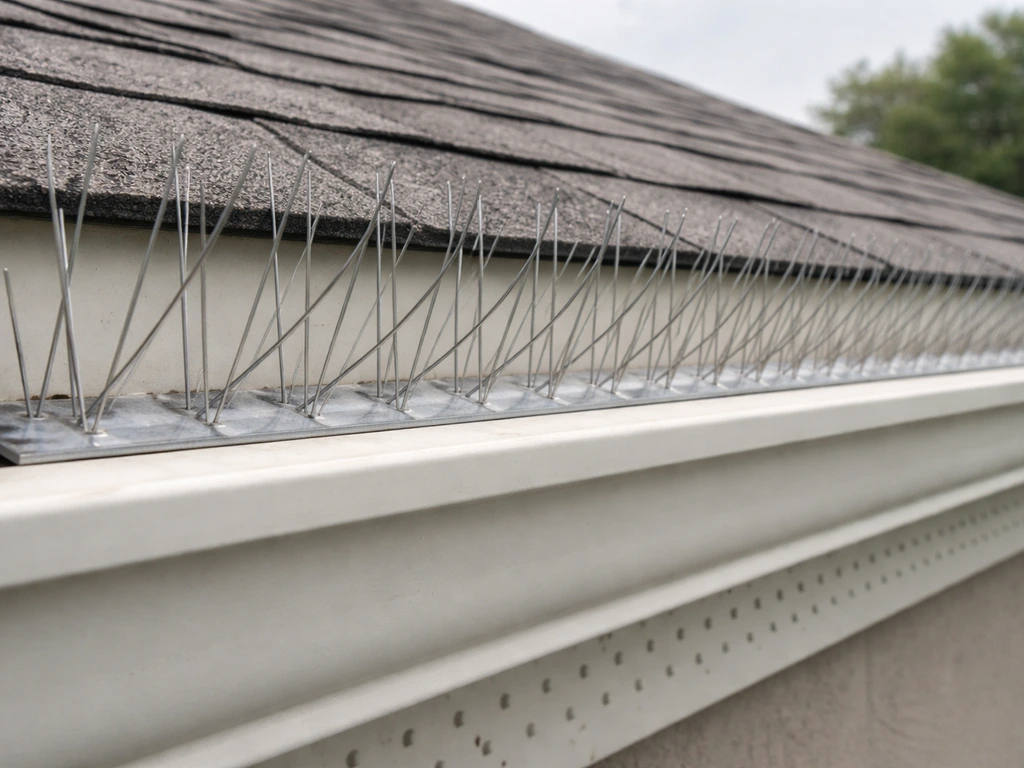
Pigeons and starlings are the main offenders here. The key principle is that any flat surface wider than about 3 inches that isn't covered by bird-proofing is a usable landing spot. That means you need full coverage, not just a strip on the most visible ledge. Spikes work well on gutters and ridgelines. For soffits and vents, mesh exclusion or vent guards prevent nesting. After removing any existing birds or nests (more on legality below), block re-entry with hardware cloth or purpose-built vent covers.
Solar panels
The gap between solar panels and the roof is a magnet for pigeons and sparrows looking for a sheltered nesting spot. The standard solution is solar panel mesh (also called critter guard), which attaches to the panel frames and seals the perimeter gap without affecting panel function or voiding warranties. This is one area where I'd lean toward professional installation if you're not comfortable on the roof, since the job involves working around electrical components and the mesh needs to be tensioned correctly to stay in place.
Pool and patio areas
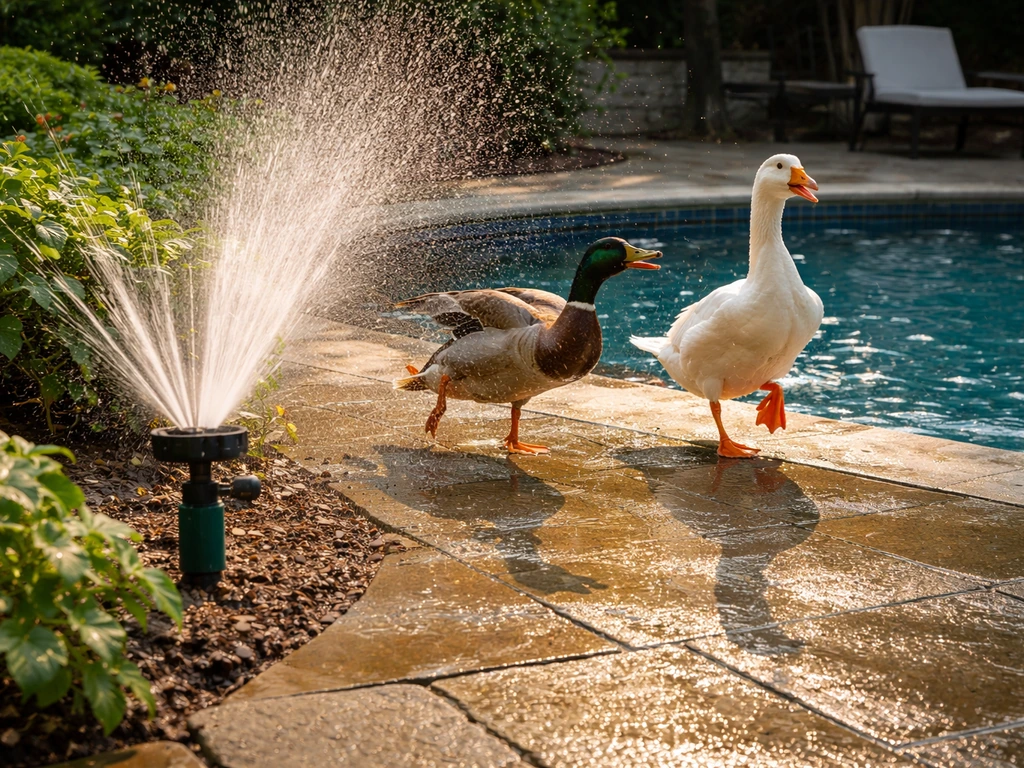
Geese and ducks near pools respond well to motion-activated sprinklers, since the sudden water burst is startling and consistent. For patios where pigeons or sparrows are perching on railings and furniture, spikes on railings or bird wire strung along the top edge of fences and walls are effective. Patio overhead areas (pergolas, eaves) can be covered with bird netting. Sonic devices that broadcast distress calls can help open areas but need to be rotated in position to stay effective.
The main categories of bird control products
Every bird control product falls into one of three categories: physical exclusion, sensory deterrence, or chemical repellents. Understanding what each does (and what it doesn't) saves you money and frustration.
| Category | Examples | Best for | Limitations |
|---|---|---|---|
| Physical exclusion | Spikes, netting, bird wire, vent guards, solar mesh | Ledges, roofs, vents, solar panels, gardens | Requires precise installation; gaps defeat the purpose |
| Sensory deterrence | Reflective tape, predator decoys, sonic/distress call devices, motion sprinklers | Open areas, yards, gardens, pools | Birds habituate to static devices; ultrasonic devices have weak evidence |
| Chemical repellents | Transparent bird gel, methyl anthranilate sprays | Horizontal surfaces, open ledges, small areas | Requires reapplication; sticky gels can trap small birds if over-applied |
Physical exclusion tools
Stainless steel spikes are the workhorse of bird control. They don't hurt birds, they just remove the flat surface needed for landing. Standard spikes run about 4.5 inches tall including the base, and you need to cover every inch of the target surface. Bird wire systems (posts anchored to the ledge with stainless wire strung at alternating heights, typically around 3.5 and 5 inches above the surface) are less visible than spikes and work well on historic buildings or architectural ledges where aesthetics matter. Wire rows should be no more than 3 inches apart and posts no more than 5 feet apart for proper deterrence. Bird netting is the right choice for larger areas like under a pergola, around a garden, or beneath solar panels.
Sensory deterrents
Visual deterrents work best when they move. Reflective tape that spins in the wind, predator kites (hawk silhouettes on poles), and holographic owl decoys that rotate are more effective than static plastic owls. Sonic devices that play species-specific alarm and distress calls have real evidence behind them. Ultrasonic devices (high-frequency sound above human hearing) do not, and published research consistently shows no measurable effect on bird activity after deployment. Don't waste money on ultrasonic-only products.
Chemical repellents
Transparent bird gel creates a sticky, uncomfortable surface that birds avoid landing on. It's EPA-registered (products like Bird-B-Gone Transparent Bird Gel carry an EPA registration number and must be used according to label instructions). Apply it only to horizontal surfaces using a caulking gun, and prep the surface first for proper adhesion. Never apply gel near areas where small songbirds might get stuck. Follow the label for reapplication intervals and first-aid precautions. Methyl anthranilate sprays (a grape-derived chemical that irritates birds' trigeminal nerve) work well for open areas like turf and are commonly used for geese management.
Installation tips, what works, and what fails
The most common reason bird control fails is incomplete coverage. A bird needs only about 3 inches of uncovered flat surface to land. If you install spikes on the front half of a ledge and skip the back, birds move to the back. If you net a garden but leave the sides loose, birds walk in from the bottom. Coverage has to be complete.
- Clean and dry the surface before installing spikes or gel (dirt and moisture prevent adhesion)
- Use screws to anchor spike strips, not just adhesive, on permanent outdoor surfaces
- Plan for about one tube of construction adhesive or caulking per 10 feet of spike installation
- Inspect from above or from multiple angles after installation, missed surfaces are often only visible when looking down from a window
- For bird wire, keep post spacing at 5 feet maximum and rows no more than 3 inches apart
- For netting, secure every edge and seam so there are no gaps larger than the target bird can squeeze through
Habituation is the second most common failure mode. Birds are smart and will test deterrents repeatedly. If a predator decoy never moves, they'll figure out it's fake within a few days. Move visual deterrents every 3-5 days. Rotate the location and timing of sonic deterrent broadcasts. Combine methods rather than relying on one alone, the research backs this up consistently.
Weather is the third factor. Bird gel softens in high heat and becomes ineffective. UV exposure degrades plastic components. Inspect your installations after major weather events and after winter. A quick walk-around every couple of months catches problems before birds move back in.
DIY vs. calling a professional
Honestly, most residential bird control jobs are DIY-friendly. Installing spikes on a gutter, netting a garden bed, or hanging reflective tape in a yard doesn't require professional training. The products are widely available, and with careful installation following the coverage rules above, they work well.
Hire a professional when any of the following apply:
- The job involves working at height (multi-story rooflines, steep pitches) where ladder safety is a real concern
- Birds are nesting inside the structure (in attic spaces, wall cavities, or HVAC systems) and you need to confirm the nest is inactive before sealing entry points
- Solar panel mesh installation is needed and you're not comfortable working around panel wiring
- You have a large commercial property with multiple problem areas and need a coordinated exclusion plan
- Birds have caused structural damage (water intrusion from blocked gutters, droppings corroding roofing material) that needs assessment alongside the control work
- You're dealing with a protected species and need a licensed wildlife professional to advise on legal removal
Professional bird control companies bring tools and materials in bulk, which can actually make them cost-competitive for large jobs compared to buying retail quantities of netting and hardware. Get at least two quotes and ask specifically what areas they'll treat and what guarantee (if any) they offer.
Legal rules, safety, and treating birds humanely
The Migratory Bird Treaty Act protects nearly every wild bird species in the US at the federal level. The U.S. Fish & Wildlife Service notes that the blank" rel="noopener noreferrer">Migratory Bird Treaty Act sets federal rules for protecting most wild birds and requires the appropriate permits, including under 50 CFR 21. It prohibits trapping, killing, or disturbing active nests, eggs, or chicks without a federal permit. This is also why you should avoid any “top 10 bird killers” type of list and focus on legal deterrents and exclusions instead killing. This isn't a minor technicality, it's a real legal constraint. Only three common pest species are exempt: pigeons (rock doves), European starlings, and house sparrows. If you're dealing with any other species, including swallows, sparrows other than house sparrows, or any raptor, exclusion and deterrence are your only options until you confirm the nest is no longer active.
For active nests: do not seal entry points or remove nesting material while eggs or chicks are present. Wait until the nest is fully abandoned after the breeding season, then remove the nest, clean the area, and install your exclusion. Trying to rush this will either cause legal issues or result in a bird dying inside your wall and creating a worse problem.
For chemical repellents: follow the EPA label exactly. The label is the law, and it includes first-aid information, application rates, and surface restrictions for a reason. Sticky gel used excessively can trap small non-target birds, so apply it sparingly in a thin bead rather than a thick coat, and don't use it on surfaces where small songbirds are likely to perch.
For sonic and electronic devices: the EPA regulates claims made by device manufacturers. Be skeptical of products promising broad bird repellency through ultrasound, those claims are not well-supported by evidence, and the research is clear that high-frequency sound devices lack efficacy in repelling birds. If you want the best bb gun for bird control, remember that pellet guns are generally not an effective or humane method, and legal protections often limit what you can do ultrasound.
A maintenance plan that keeps birds away for the long term
Installing bird control is not a one-and-done job. Birds are persistent, and over time, hardware loosens, gel degrades, and gaps appear. Build a simple maintenance routine so you're not starting from scratch every spring.
- Do a full property walk-around in early spring (before nesting season begins) to check all installed hardware for damage, gaps, or displacement
- Reapply bird gel on treated horizontal surfaces according to the product label interval, typically every 6-12 months depending on sun and weather exposure
- Move any visual deterrents (predator decoys, reflective tape) to new positions every 3-5 days during active pest seasons
- Clear gutters and remove any debris that could become nesting material before birds scout locations in late winter
- Seal any new gaps in eaves, soffits, or fascia boards that appear after winter weather damage
- After any major storm, check that netting is still secured at all edges and that spike strips haven't shifted or been knocked loose
- Remove attractants wherever possible: cover garbage, pick up fallen fruit, eliminate standing water that birds drink from or bathe in
The principle behind long-term bird control is removing both the opportunity and the incentive. Physical exclusion removes the opportunity to land or nest. Removing food, water, and debris removes the incentive to return. Do both, and you'll spend far less time managing birds each year. Skip one, and you'll be back to troubleshooting the same spots next season.
If you want to dig deeper into specific product categories, comparing different lethal versus non-lethal approaches, or understanding what falls under what control method, those are topics worth exploring separately. The most important thing you can do today is identify your species, map your problem surfaces, pick the right exclusion or deterrent method for each one, and install it with full coverage. That combination solves about 90% of residential bird problems without any specialist help. A good life bird control plan focuses on keeping the right birds away with the right methods for each surface.
FAQ
What should I do if I see a nest near the area I want to seal or spike?
If birds are still active, don’t install exclusion that would trap them inside a wall or vent. Wait until the nest is fully abandoned, then remove any remaining nesting material afterward and only then seal gaps with hardware cloth or vent covers. For non-exempt species, this timing is also a legal requirement.
How do I know I’m getting complete coverage, especially on ledges and gutters?
Measure the full flat area birds can land on, including the parts you cannot see from the ground. Many failures come from partial coverage, for example spiking only the front edge of a ledge. Use a flashlight at night or a ladder mirror to verify there are no 3-inch gaps.
Will putting decals or film on the inside of my windows prevent bird strikes?
For window strike issues, install external visual breaks on the outside face of the glass (decal patterns, external screens, or other outside-mounted solutions). Inside-only changes usually don’t prevent the birds’ approach line, because birds see reflections and the sky through the outer surface.
Can I use bird gel on my porch railing or vertical siding?
Don’t rely on gel in spots where small birds might perch and get coated. Use gel only on horizontal, prep-cleaned surfaces and follow label reapplication timing, because heat and UV can reduce performance quickly. If you need control on ledges where perching is common, spikes, mesh, or vent guards are often safer options.
Are ultrasonic bird repellents worth it if I’m already trying other deterrents?
Not really. Ultrasonic-only devices have not shown measurable, reliable results in published testing, and birds can ignore them after repeated exposure. If you want electronics, pair a sonic device with moving visual deterrents and reposition on a schedule.
What’s the quickest way to troubleshoot bird control that stops working after a week or two?
If a deterrent fails, first check coverage and then habituation. Birds usually move to the nearest uncovered landing strip or to a corner where your pattern doesn’t reach. Next, rotate visual deterrents every 3 to 5 days and change sonic timing or location instead of repeating the exact same setup.
How important are bird wire spacing and post distance for results?
Bird wire spacing and post spacing matter. Keep rows close enough (about 3 inches apart) and ensure posts are spaced no more than about 5 feet apart, or birds will bridge the gap or land between lines. Also maintain correct heights so the bird cannot step around the wires.
What’s the most common mistake when installing bird netting around gardens?
With netting, use the right tension and secure the edges so birds cannot enter from the sides or underneath. If you leave gaps at the bottom edge, birds walk in and nest inside. For high-traffic areas, consider installing netting with rigid border supports rather than tying it loosely to decorative elements.
Can I mix products, like gel and deterrent tape, to improve performance?
Yes, but only certain products and claims are appropriate. The safest approach is to use methods aimed at exclusion or deterrence and to rely on label instructions for any chemical repellent, including first-aid and surface restrictions. If you’re unsure about a chemical’s fit for a surface or species, switch to physical exclusion first.
What if I’m not sure whether the birds on my property are protected species?
If you have a protected species or aren’t certain, treat it as protected and avoid killing or disturbing active nests. You can still deter with non-lethal exclusion and remove nesting only after it is fully abandoned. When in doubt, confirm the species before acting.
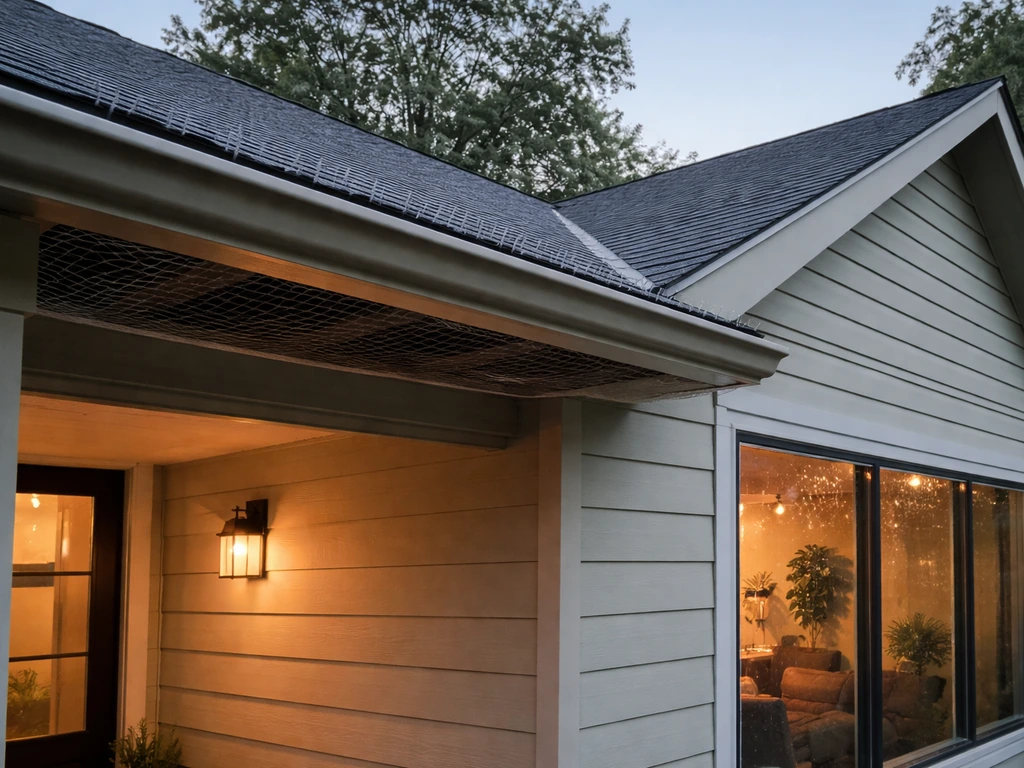
Top 10 bird killers framed by humane prevention, mapping common hazards to safe deterrents for homes and businesses.
Practical, humane steps to reduce bird–drone collisions: preflight checks, deterrents, tactics, and legal guidance.
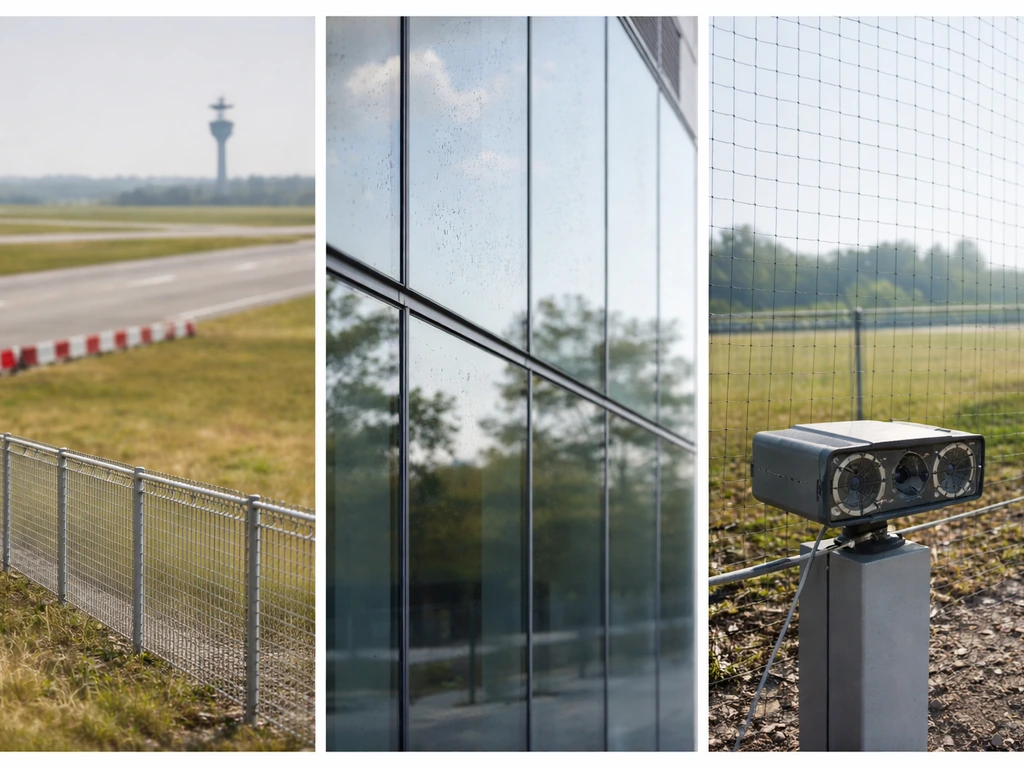
Learn what’s already used to prevent bird collisions, from airport safeguards to building glass and humane deterrents, p