
Bird repellent gel works by creating a sticky, uncomfortable surface that birds hate landing on. You apply it in a thin bead along ledges, rails, sills, and other perching spots using a standard caulk gun, and a single application can keep birds away for up to 12 months. The key to getting results is prepping the surface properly, placing the gel in the right spots, and not overdoing the amount.
How to Apply Bird Repellent Gel Step by Step Guide

Marcus Weatherby
9 Jul 2026
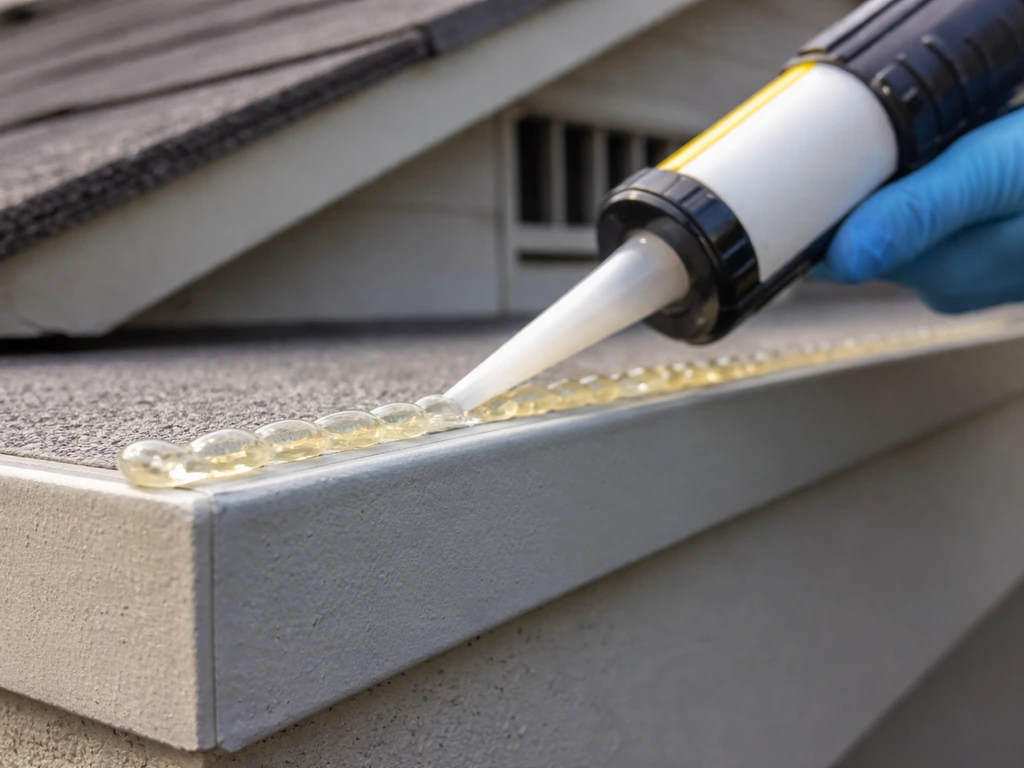
What bird repellent gel is for and where it works best
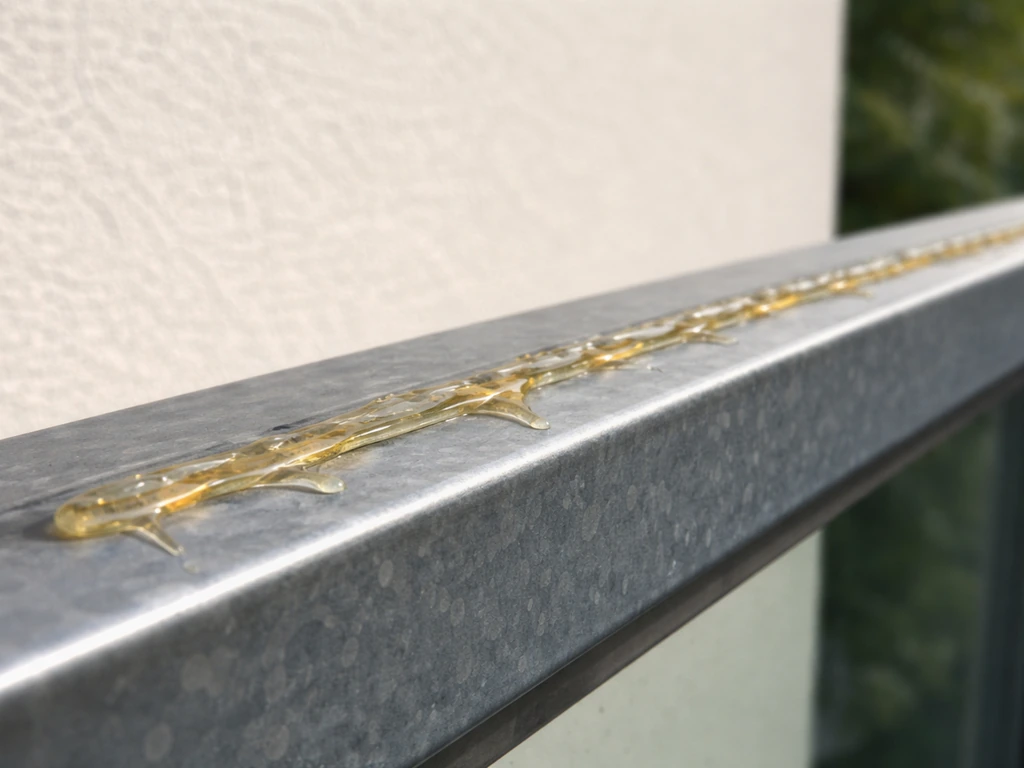
Bird repellent gel is designed for hard, structural surfaces where birds land, perch, or roost repeatedly. If you are wondering whether bird protectors work, this surface-specific design is a key reason they can be effective when used in the right places Bird repellent gel. It works best on narrow, defined surfaces: window ledges, roof peaks, gutters, railings, beams, rafters, eaves, ornamental trim, and column tops. It is not a broad-area spray and is not meant to cover open ground or large flat rooftop expanses.
The gel deters pigeons, starlings, house sparrows, and similar nuisance birds. When a bird steps onto the treated surface, the sticky, slightly tacky feel makes it an unpleasant place to land. Some gel products, like Bird-X Optical Gel, add a multi-sensory element using sight and smell as well, but the core mechanism across most gels is the same tactile discomfort.
It is particularly effective in spots where birds have established a routine, meaning places you see droppings or nesting material building up regularly. Those are your priority targets. If you are trying to figure out whether this product category actually delivers results, that question is worth exploring separately before you commit to a full application. If you are trying to figure out whether this product category actually delivers results, that question is worth exploring separately before you commit to a full application, which is similar to the “does bird repellent gel work” topic.
Prep the surface first, or the gel won't stick around
Surface prep is the step most people skip, and it's the reason gel fails early. Bird repellent gel bonds to clean, dry material. If there's old droppings, dust, grease, or leftover residue from a previous gel application on the surface, the new gel won't adhere properly and will start lifting away within weeks instead of lasting months.
Here's what the prep process looks like in practice:
- Remove all visible droppings, nesting material, and debris with a stiff brush or scraper. Wear gloves and a dust mask, since dried bird droppings carry pathogens.
- Clean the surface with a suitable cleaner. For surfaces that had old gel applied before, use a solvent cleaner designed to remove gel residue (Bird-X makes a Safety Solvent Cleaner for exactly this purpose). Apply it, let it sit briefly, then wipe or rinse clean.
- Rinse any remaining cleaner residue with water and a damp cloth.
- Let the surface dry completely before you open the gel cartridge. Any moisture will compromise adhesion. On humid days, you may need to wait longer than you expect.
If you are reapplying because an old treatment has become completely coated in dust or debris, do not layer new gel on top. Remove the old gel fully, clean the surface, and start fresh. 4 The Birds gel (Nixalite) guidance specifies that if it becomes completely coated, you should remove the existing gel, clean the surfaces thoroughly, and reapply Remove the old gel fully, clean the surface, and start fresh.. Dirty, clogged gel no longer works as a deterrent.
How to apply bird repellent gel correctly
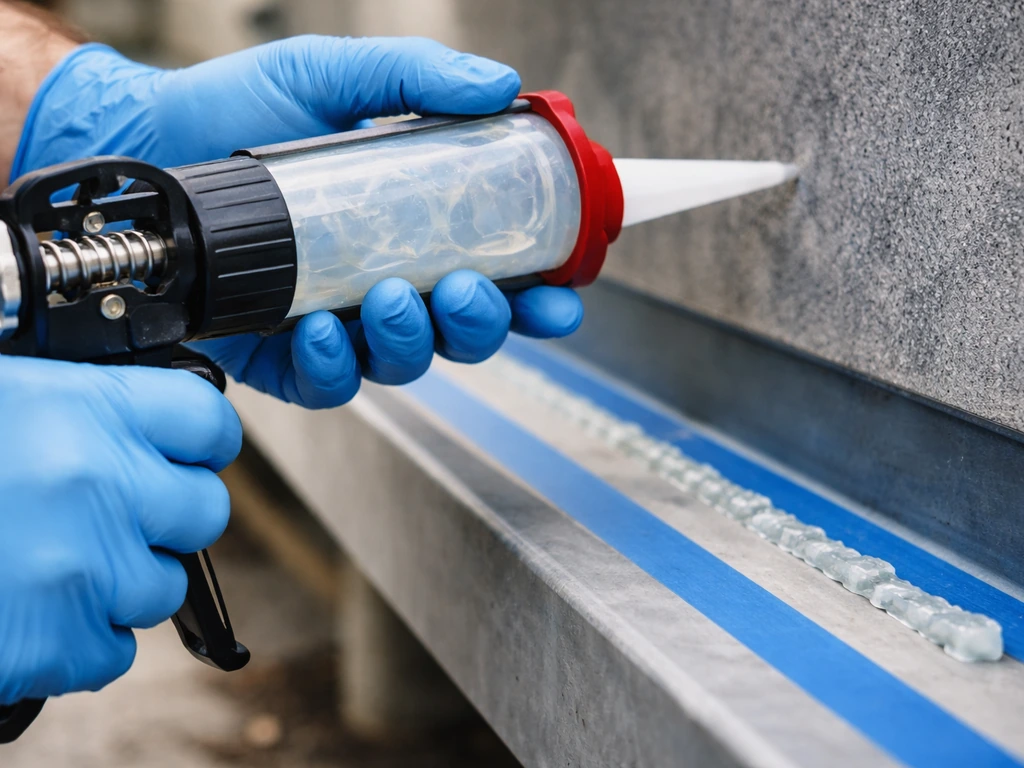
Tools you'll need
- A standard caulk gun (most gel cartridges, including Birdzout and Bird-X Bird Proof Gel, fit a standard caulking gun)
- Disposable gloves (nitrile or latex)
- A utility knife or scissors to cut the cartridge tip
- A spatula or putty knife for any spreading or touch-up work
- A damp cloth for cleanup
The application technique
Load the cartridge into your caulk gun and cut the tip to produce roughly a half-inch opening. The key technique from Bird-X instructions is to keep the tapered, flat section of the spout facing upward while resting the tip lightly on the surface as you squeeze. This lets you lay a clean, consistent bead without digging into the material or leaving an uneven line.
Apply the gel as a continuous bead, not a thick blob. Bird repellent spray is a different product category, and it often depends on the formulation and where you apply it does bird repellent spray work. A bead roughly half an inch wide is the standard. Running more than that is wasteful and can cause the gel to spread into areas you don't want it. Keep the line approximately 1 inch from the outside edge of the surface.
For wider surfaces, add additional beads. A reliable rule: apply one bead 1 inch from the outer edge, then add one more bead for every additional 2 inches of surface depth. So a 6-inch-wide ledge would get roughly three beads running parallel. The goal is to make sure a bird cannot find a comfortable landing spot anywhere on that surface.
Some installers use a slight zig-zag pattern rather than a perfectly straight line to ensure birds are more likely to make contact with the gel regardless of where they step. This is not required, but it can be useful on surfaces that are slightly irregular or have gaps.
Where to place it on common surfaces
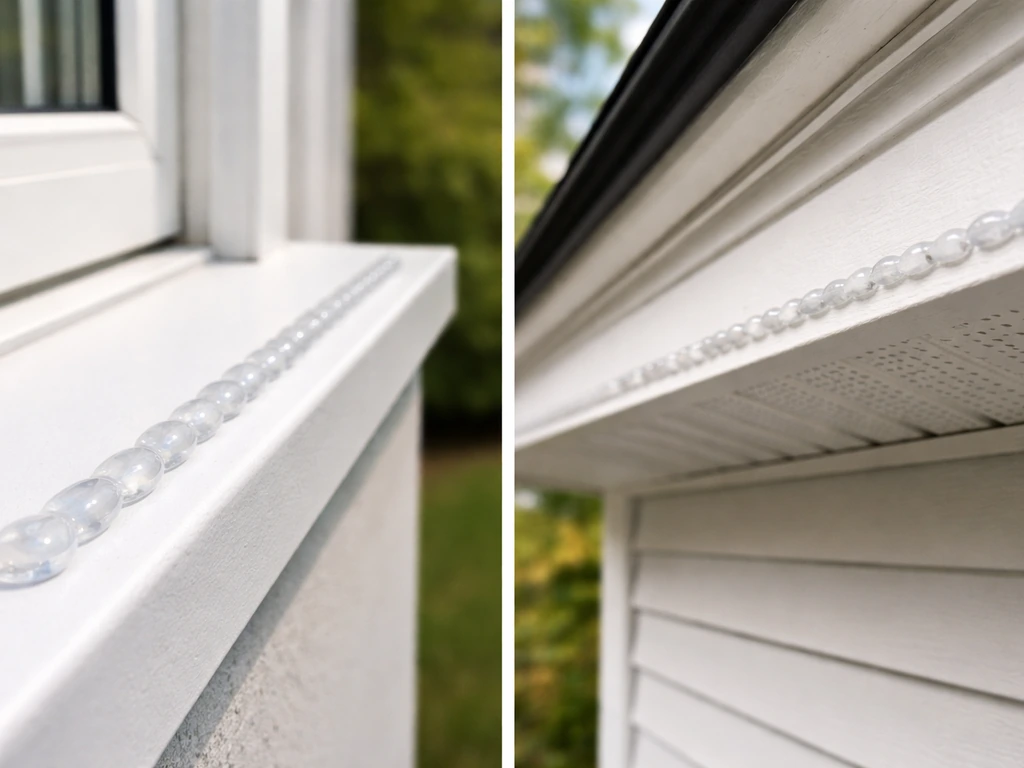
Here's a surface-by-surface breakdown so you know exactly where the bead goes:
| Surface | Placement guidance |
|---|---|
| Window ledges and sills | Run one bead 1 inch from the outer edge; add a second bead if the sill is 4 inches or wider |
| Eaves and soffits | Apply along the bottom edge of the fascia board where birds roost; one bead along the outer edge |
| Roof peaks and gutters | Apply along the ridge or inner lip of the gutter where birds perch; one thin bead is usually enough for narrow surfaces |
| Railings and handrails | Apply a single bead along the top flat surface of the rail, centered or slightly toward the outer edge |
| Beams and rafters (indoor/outdoor) | Apply to the top face of the beam where birds land; match bead count to beam width using the 2-inch rule |
| Vents and trim | Apply gel around the perimeter of the vent casing or along ornamental trim where birds perch |
| Solar panel edges | Apply to the panel frame or mounting rail edges where birds land or nest underneath; keep gel away from the panel glass |
| Columns and pillars | Apply around the capital (top) of the column where birds roost |
For disk-based optical gels specifically, such as Bird-X Optical Gel, the placement rules are different: disks go no more than 6 inches apart center-to-center on ledges up to 6 inches wide. That product works through a combination of sensory deterrents rather than direct contact, so the logic behind placement is slightly different from standard tacky gels. If you are using an optical gel version, its deterrent effect relies on how the disks disrupt birds' vision rather than the same sticky-contact feeling as standard tacky gels.
How much to use and when to reapply
Less is more with gel. The biggest mistake people make is applying it too thickly, thinking more gel means more deterrence. It doesn't. Thick gel actually collects dust and debris faster, which coats the sticky surface and renders it ineffective sooner. Follow the half-inch bead guidance and resist the urge to pile it on. Follow Bird-X guidance that most surfaces need only a ½ inch bead and that instructions warn against over-application.
A properly applied gel treatment should last around 12 months under normal conditions. That timeline shortens in a few situations:
- Heavy rain can wash or dilute some gel formulas, especially on surfaces with no overhead shelter
- High dust environments (near construction, unpaved areas, or grain storage) coat the gel faster
- Regular pressure washing of the building will remove gel from treated surfaces
- Extreme heat can cause some gels to become too runny, reducing effectiveness
Inspect treated surfaces every 3 to 4 months. If the gel looks dusty, dry, or discolored, or if you start seeing birds returning, it is time to clean the surface fully and reapply. Do not just top it up.
Safety for people, pets, and surfaces
Most bird repellent gels are labeled as non-toxic, but that does not mean you should be careless with them. Here are the practical precautions that matter:
- Always wear gloves during application. The gel is extremely sticky and difficult to remove from skin without a solvent cleaner.
- Keep gel away from any surface where food is prepared or where pets or children could lick or touch it. That means avoiding low horizontal surfaces within reach of dogs or cats.
- Do not apply gel to painted or finished surfaces you care about without testing a small patch first. Some gels can stain or lift certain coatings over time.
- Keep children and pets away from treated areas until the gel has set (usually a few hours at minimum).
- When using solvent cleaners to remove old gel, follow the product's safety guidance: avoid prolonged skin contact and keep it away from children.
- Do not apply gel near open water sources or where runoff could reach ponds or streams, as a precaution even with non-toxic formulas.
- On vertical surfaces, make sure the bead is recessed or protected enough that it cannot drip down onto pedestrian areas below.
For commercial properties, it's worth noting that some facilities have specific rules about what can be applied to exterior surfaces. Check your building's maintenance guidelines before applying gel to shared or managed structures.
Quick application checklist and what to do if birds keep coming back
Application checklist
- Identify all active perching and roosting spots (look for droppings)
- Clear debris, nesting material, and old droppings from each surface
- Remove any old gel residue with solvent cleaner, then rinse and dry
- Put on gloves and load the gel cartridge into your caulk gun
- Cut the tip to produce a half-inch opening
- Apply a continuous half-inch bead 1 inch from the outer edge of each surface
- Add parallel beads for surfaces wider than 4 inches (one bead per 2 additional inches of depth)
- Allow the gel to set before the area sees foot traffic or rain
- Check treated surfaces every 3 to 4 months and reapply when the gel looks degraded
If birds aren't deterred after a week or two
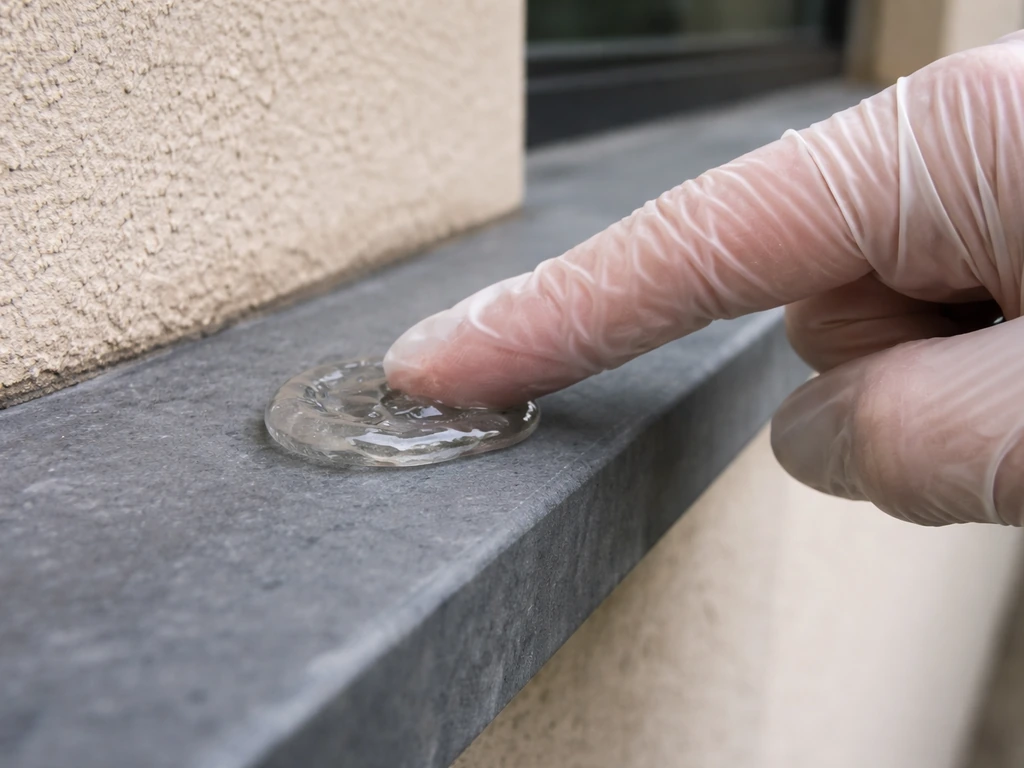
First, check whether the gel is still tacky. Press a gloved finger lightly to the surface. If it feels dry or dusty, the gel is already compromised and needs to be reapplied. If the gel still feels sticky but birds are landing anyway, you likely have coverage gaps. If you are trying to switch to a spray format, use a bird repellent spray designed for outdoor surfaces and follow the label for safe application timing and coverage how to make bird repellent spray. Look for where the birds are actually landing and add gel to those spots.
Sometimes gel alone isn't enough for heavily established bird populations, particularly persistent pigeons. In that case, combining the gel with physical deterrents like spikes on wider surfaces can close off the areas that gel doesn't cover as effectively. For problem areas under solar panels or inside vents, netting or mesh may need to work alongside the gel.
Also make sure you have not missed a nearby landing spot that birds are using as a stepping stone. Birds are persistent, and if there's a comfortable perch nearby that is untreated, they will wait there and occasionally test the treated surface. Mapping out all the connected roosting points and treating them together gives you a much better outcome than treating one ledge at a time.
FAQ
How can I tell whether my bird repellent gel is still working or already failed?
Use a gloved-finger touch test. If it feels dry, powdery, or no longer tacky, clean the surface and reapply a fresh bead. If it is still sticky but birds are landing, you likely have missed spots or an edge gap, so add gel to the specific perching line rather than layering thicker gel over the existing spots.
Can I apply a new layer of bird repellent gel over an older one that looks dirty?
Do not stack a new application on top of gel that has become coated, clogged, or gray with debris. Remove the old gel fully, then wash and dry the surface before applying new beads. Layering on dirty or lifting material is one of the fastest ways to shorten the effectiveness window.
Where should I place the gel if I keep seeing birds return to the same general area?
Plan for good coverage at the landing and “approach” zones, not just the most visible edge. Birds often test the treated surface by landing slightly inside the area, so keep your beads about 1 inch from the outer edge and run additional parallel beads for depth. If birds keep returning, reassess where droppings are showing up along the surface.
What’s the best way to switch from gel to spray (or vice versa) without wasting product?
First remove the old treatment and clean the surface, especially if you are switching from gel to another formulation. Then follow the new product’s label for cure time and coverage, because spray and gel behave differently and can spread unevenly. Avoid mixing products in the same area without explicit instructions from the manufacturer.
Will bird repellent gel work on brick, stucco, painted wood, or other porous surfaces?
Yes, but only on surfaces the gel is meant to bond to. For porous or flaky materials (peeling paint, crumbling stucco, chalky surfaces), adhesion is less reliable, so you may need to scrape loose material, then clean and dry thoroughly. If the surface cannot stay dry and stable, physical deterrents or a different product type may work better.
Is it better to apply thicker gel to make birds avoid the area sooner?
Keep the bead consistent and narrow, roughly half an inch wide as a starting point. More thickness does not create extra deterrence, it mainly collects dust faster. If you need wider protection, add more parallel beads rather than piling up the same line.
How should I time application around rain, sprinklers, or coastal humidity?
If you must treat during wet or high-humidity conditions, wait until the surface is completely dry and the product label supports that timing. Applying to damp surfaces can weaken bonding and lead to early lifting. After application, avoid washing or heavy rain runoff directly onto the fresh gel until it has set according to the label.
When do I need to reapply, and what are the signs it’s time to do it now?
For surfaces where birds roost repeatedly, inspect every 3 to 4 months and reapply when the gel looks dull, dusty, or less tacky. If birds return earlier than that inspection window, check for coverage gaps along edges or near nearby stepping-stone perches, then clean and reapply rather than simply topping up.
What if birds avoid the treated ledge but still hang around nearby?
Start by treating the direct landing/perching surface and then check for nearby “stepping stones” that birds can use, such as an untreated railing, nearby beam, or adjacent ledge. Birds will sometimes continue to test the area from a comfortable nearby perch, so coordinated treatment around connected roost points improves results.
Are there any safety or property rules I should consider before applying bird repellent gel?
Yes, with two important caveats. Some buildings and managed properties have exterior coating or pest control rules, so verify before application. Also, even if labeled non-toxic, avoid getting gel on food-prep areas, routinely handled surfaces, or places where people may touch it, especially around entrances.
What should I do if persistent pigeons keep coming back after I apply the gel correctly?
If the gel does not feel tacky anymore, assume the birds may be getting through coverage gaps or the deterrent has failed. Re-clean the surface fully, then reapply with correctly spaced beads, aiming where droppings or nesting materials show the birds are landing. If birds still persist, combine gel with barriers like spikes, netting, or mesh depending on the site.
Next Articles
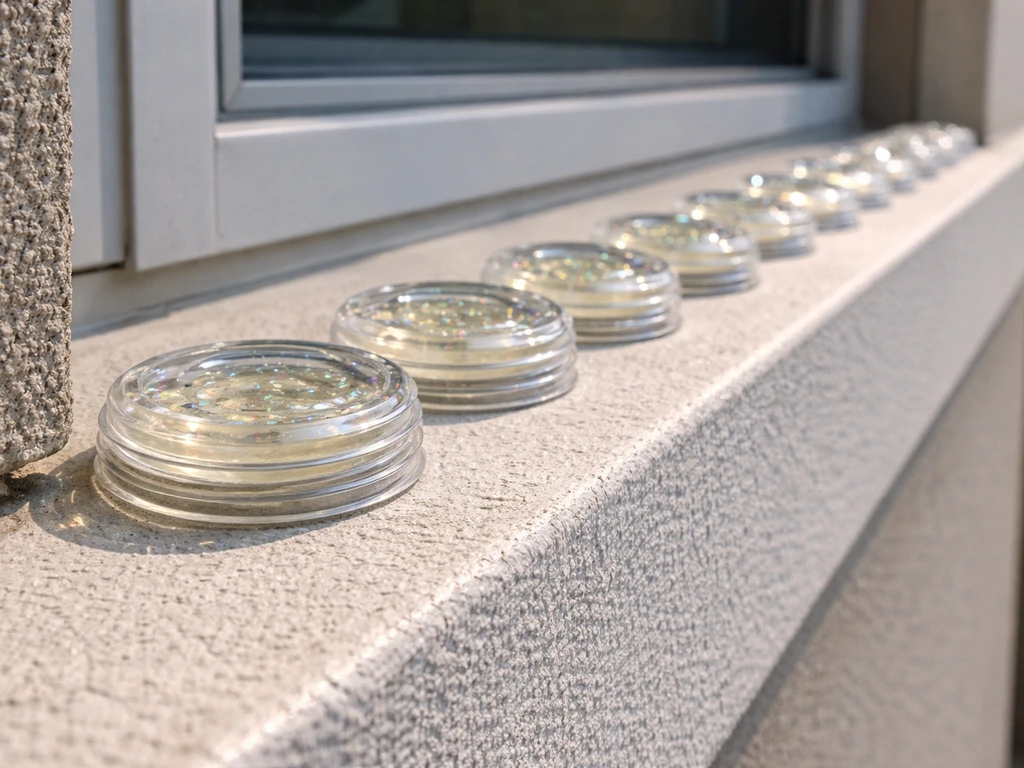
How Does Bird Barrier Optical Gel Work for Deterrence?
Learn how bird barrier optical gel deters birds using optics, what results to expect, and safe, lasting application step
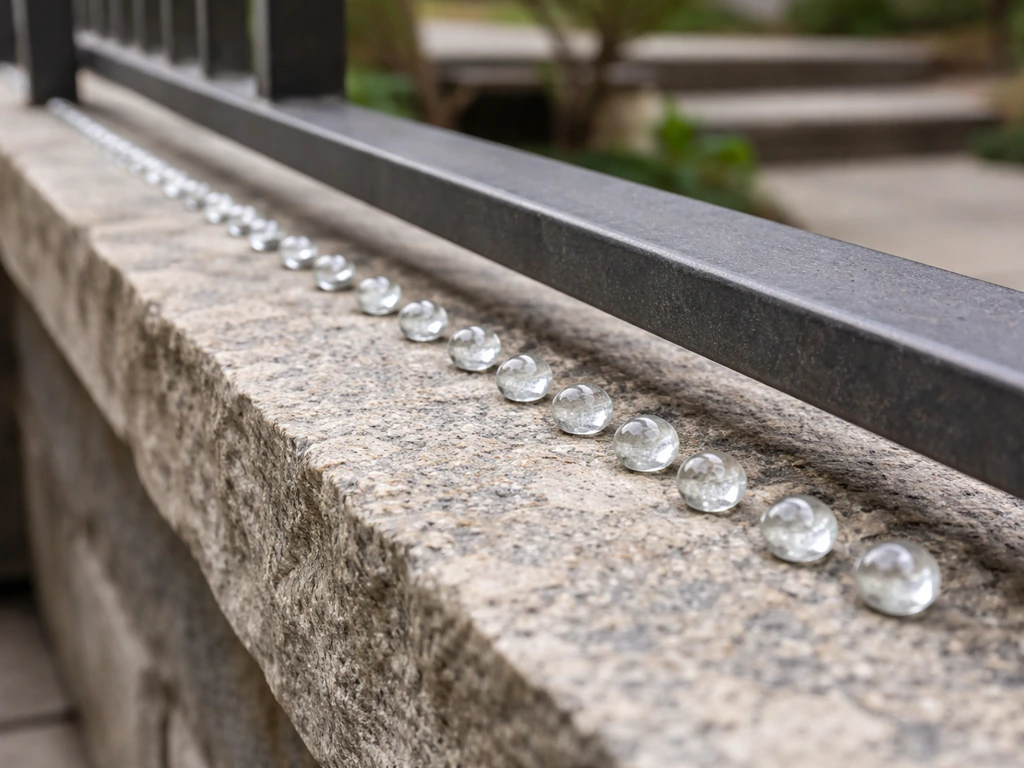
Does Bird Gel Work? Effectiveness, Setup, and Alternatives
Find out if bird gel works on ledges, rails, roofs and patios, plus setup tips, timeline, safety, and better alternative
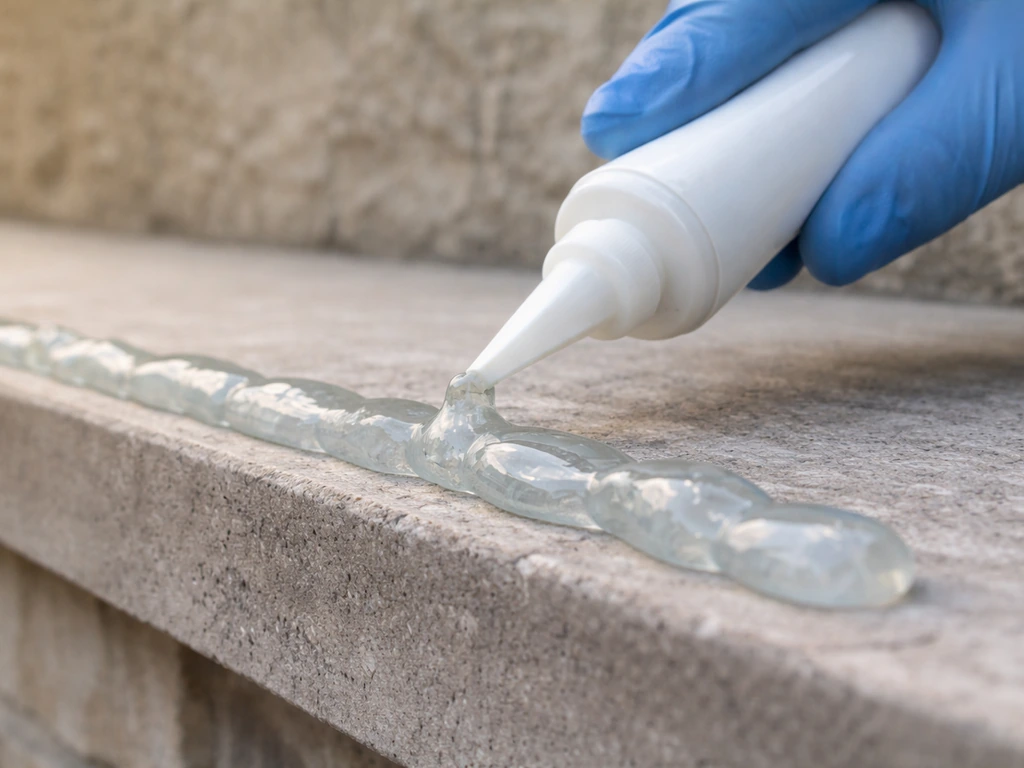
Does Bird Repellent Gel Work? Real Results, How to Apply
Find out if bird repellent gel works, how to apply it correctly, and when it fails versus safer combined deterrent optio