
There is no single 'best bird trap in the world' that works for every situation. The best trap for you depends on which species you're dealing with, where you are, what your local laws allow, and whether you need to release the bird or remove it permanently. If you want the best bird trap ever for your situation, start by matching the trap type to the species, your goal, and local laws.
Best Bird Trap in the World: Pick, Set, and Use It Safely

Marcus Weatherby
20 Jun 2026
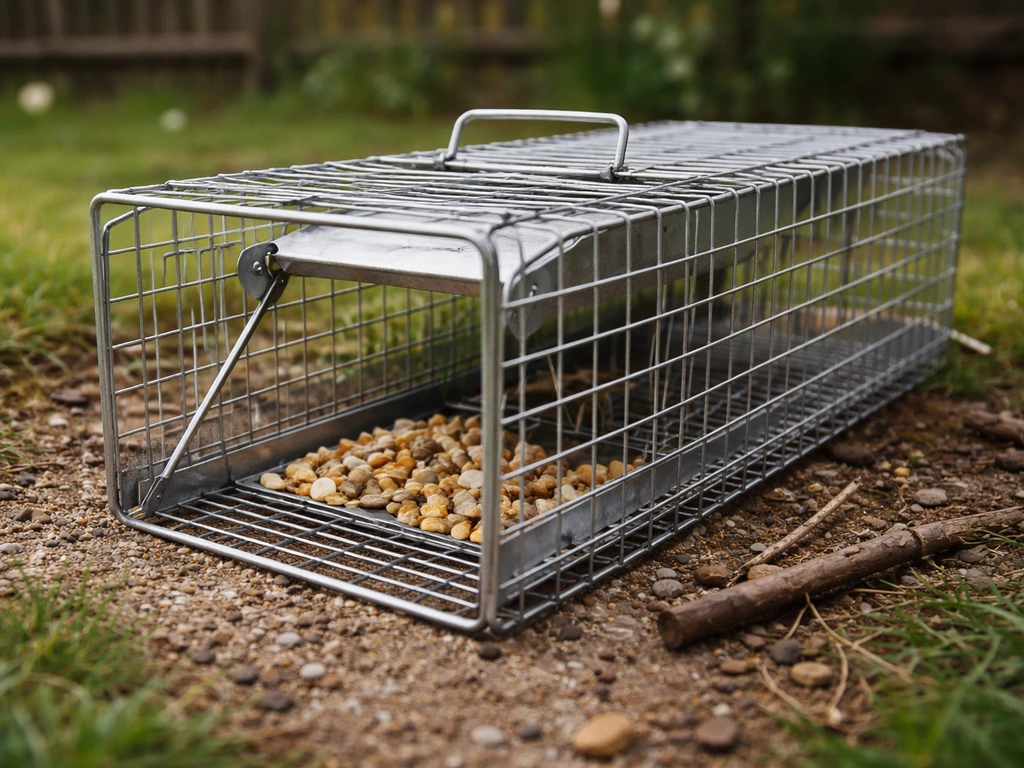
That said, for most residential and commercial scenarios, a walk-in live capture trap (like the Tomahawk or Havahart multi-catch cage trap) is the most practical, legal, and versatile starting point. For pigeons specifically, a repeating cage trap with a landing platform is widely considered the most effective live-capture option available today.
What 'best' actually means for your situation
Before you buy anything, you need to nail down four things: the target species, your goal, your location, and the law. These four factors determine everything else. A trap that works brilliantly for feral pigeons in a warehouse will be useless (and possibly illegal) if you're trying to manage European starlings on a fruit farm.
Species matters a lot. A bird catcher is the person who uses trapping methods to manage or remove problem birds. Pigeons, starlings, sparrows, crows, and Canada geese all behave differently, have different feeding habits, and respond to different trap designs. Some species are ground feeders, others roost at height. Some are bold and quick to enter new structures; others are extremely trap-shy.
Your goal shapes your choice too. Are you capturing and relocating, capturing and euthanizing under a permit, or just trying to discourage birds from a specific area? Humane live capture is usually the right answer for residential use. Lethal control is sometimes necessary for large-scale agricultural or aviation contexts, but it comes with serious legal strings attached.
Location affects both trap type and legal requirements. Rooftop trapping looks different from garden trapping. And legality is non-negotiable: in the U. S.
, most wild birds are protected under the Migratory Bird Treaty Act, and you need a federal Migratory Bird Depredation Permit (under 50 CFR 21. Those requirements are set out in 50 CFR 21. 100 [federal Migratory Bird Depredation Permit (under 50 CFR 21. 100)](https://www.
law. cornell. edu/cfr/text/50/21. 100).
100) before you can legally trap or kill them for depredation control. In the UK, the Wildlife and Countryside Act 1981 is the governing statute, and most trapping activities require a General Licence from Natural England or Defra. In the EU, the Birds Directive restricts capture and killing with derogations only available under very specific conditions. Always check your local regulations before setting any trap.
If you're near an airport or airfield, bird management becomes part of an integrated wildlife hazard management plan. The FAA has specific guidance on airport wildlife hazard management, and trapping alone is rarely sufficient in those environments. In that context, get a professional involved early.
Choosing the right trap type
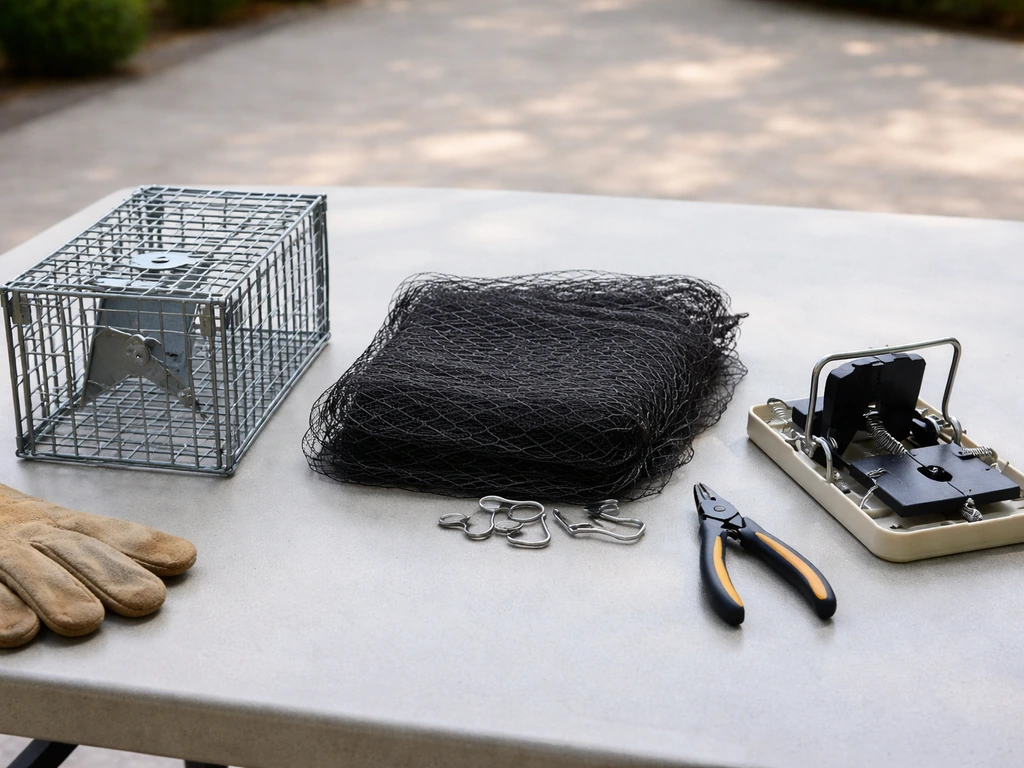
There are three broad categories of bird traps, and they are not interchangeable. Understanding which one fits your situation is more important than any specific brand recommendation. If you are trying to figure out what is a bird snare and whether it is legal or humane where you live, compare snare approaches against live-capture and exclusion options.
Live capture traps
These are cage-style traps that capture birds without harming them. They range from single-catch wire box traps to large repeating walk-in traps that can hold dozens of birds. Repeating cage traps with a one-way funnel or bob entrance are the gold standard for pigeons and sparrows. The Tomahawk Pigeon Trap and similar multi-catch designs are widely used by pest controllers and are available to homeowners. For crows or larger birds, ladder traps (a type of walk-in funnel trap baited with food) work well. Live capture is the legal default in most residential and commercial settings.
Exclusion and temporary capture methods
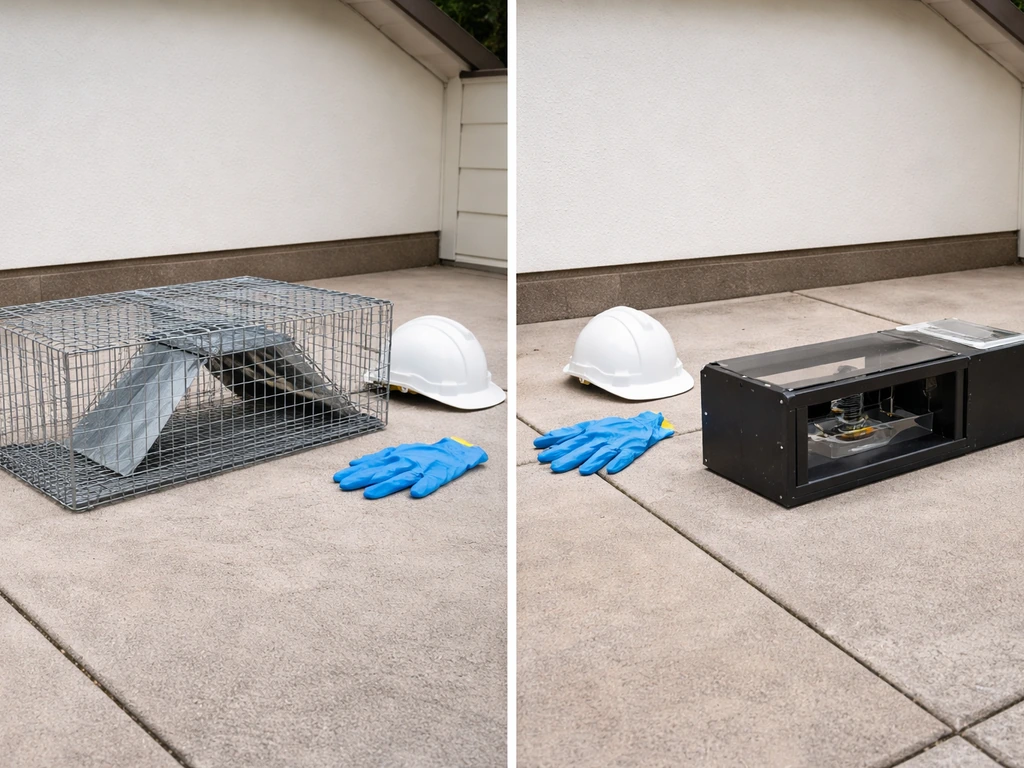
Some situations call for trapping birds out of a space rather than trapping them to remove them. One-way exclusion funnels installed over entry points let birds exit a building but not re-enter. These are technically not traps in the traditional sense, but they accomplish the same removal goal. They work especially well for starlings and sparrows that have nested inside roof voids or soffits.
Lethal traps and control methods
Lethal options include kill traps (similar to rodent snap traps, scaled for birds), shooting, and chemical euthanasia. These are rarely appropriate for DIY residential use. In the U.S., lethal control of most migratory species requires a federal depredation permit, and the U.S. Fish & Wildlife Service requires that nonlethal measures are still being used alongside any permitted lethal activity. In other words, you can't just skip straight to lethal methods. Invasive or non-native species like feral pigeons, European starlings, and house sparrows have fewer legal protections in the U.S. and some other countries, but check your local and state rules regardless.
| Trap Type | Best For | Legal Complexity | DIY Friendly |
|---|---|---|---|
| Multi-catch live cage trap | Pigeons, sparrows, starlings | Low (most species/locations) | Yes |
| Ladder/funnel walk-in trap | Crows, larger birds | Medium | Yes with practice |
| One-way exclusion funnel | Starlings/sparrows in roof voids | Low | Yes |
| Lethal kill trap | Permitted depredation control | High (permit required) | Usually no |
| Shooting/chemical control | Large-scale agricultural/aviation | Very high (permit required) | No |
How to bait and place your trap for real results
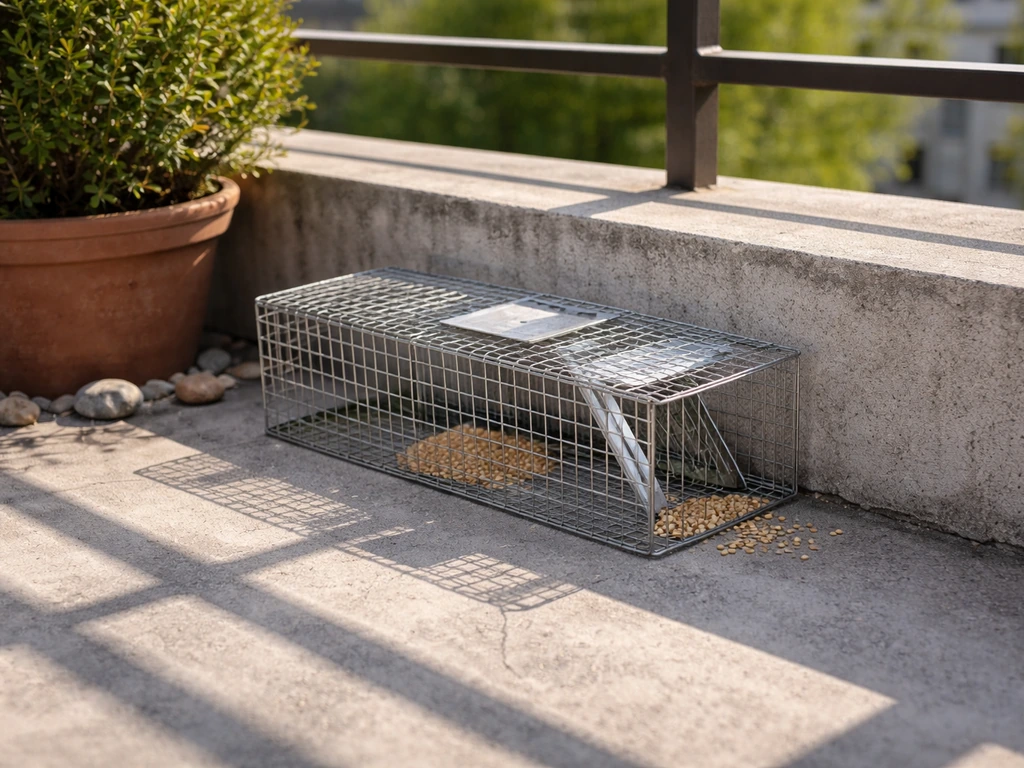
Placement is the biggest factor most people get wrong. A perfectly designed trap in the wrong spot catches nothing. Birds need to feel safe approaching a trap, so you need to put it where they already spend time: on a roof ledge where pigeons congregate, near a feeding area, or close to a water source. Don't guess. Watch the birds for a couple of days and map their patterns before you set the trap.
For pigeons, place the trap on a flat rooftop surface or concrete ledge where birds already land. Sparrows respond well to traps placed on the ground near grain or seed. Starlings can be attracted to traps near water, especially if you add a shallow pan of water inside or near the trap. Crows are extremely wary, so ladder traps placed near established feeding areas with pre-baiting over several days work much better than a freshly set trap.
Bait choices matter. The best bait for most seed-eating species (sparrows, pigeons) is cracked corn, millet, or bread crumbs. For omnivorous birds like crows and starlings, you can use kitchen scraps, eggs, or dog food. Bait the area around (and inside) the trap for two or three days before triggering the capture mechanism. This builds confidence and gets birds comfortable approaching the structure. The topic of best bait for bird traps goes deep enough that it's worth its own research if you're dealing with a specific or trap-shy species. If you are dealing with a coke can bird trap setup, use bait and placement that match the species you are targeting.
Once birds are actively visiting the pre-baited trap, set the mechanism. Spread bait from outside the trap leading inward, with the heaviest concentration at the back. For multi-catch traps, keep a few decoy birds (if your design includes a holding area) to attract others. This is particularly effective for pigeons, which are social feeders.
Setting up, running, and monitoring your trap properly
Once you've placed and baited the trap, follow these steps every time to avoid harming captured birds and to stay on the right side of the law.
- Set the trap in the morning, when birds are most active and seeking food.
- Check the trap at least every 4 to 6 hours. Leaving birds in a trap for more than 12 hours causes stress, dehydration, and potential injury. In hot weather, check every 2 hours.
- Provide shade if the trap is in direct sun. A piece of cardboard or burlap over part of the cage reduces heat stress significantly.
- Place a small container of water inside the trap if you expect more than a few hours between checks.
- When removing captured birds, wear gloves. Wild birds can carry parasites and may bite or scratch.
- Transfer captured birds to a holding bag or dark box to reduce stress before transport or release.
- If releasing, take birds at least 5 to 10 miles from the capture site to reduce return rates. Research your specific species. Pigeons, in particular, have strong homing instincts and will return from much shorter distances.
- If euthanizing under a valid permit, follow the method specified in your permit documentation.
- Reset the trap immediately after each capture. Clean bait residue and refresh with fresh bait.
- Keep a simple log: date, time, species, number captured, and what you did with them. This is important if you need to demonstrate compliance with any permit conditions.
Safety considerations and common setup mistakes
Bird traps can cause unintended problems if you're not careful. Here are the risks that matter most and how to avoid them.
Pets and children
A live cage trap baited with food is attractive to cats, dogs, and curious kids. Place traps in locations that are inaccessible to household pets and children, or use a secondary physical barrier like a wire mesh surround to prevent pets from reaching the trap. Never use a kill-style trap in any area where pets or children can roam freely.
Non-target species
Traps set for pigeons or sparrows will occasionally catch protected species. This is a serious legal issue in most countries. If you capture a non-target species, release it immediately and gently. If it appears injured, contact a licensed wildlife rehabilitator. Reduce non-target captures by using species-specific bait, adjusting entrance size, and placing traps in locations that target specific feeding or roosting behaviors.
Aviation and airfield proximity
If you're managing birds near an airport, do not attempt DIY trapping as a standalone solution. The FAA requires airports to follow integrated wildlife hazard management plans, and trapping in aviation contexts is typically handled by credentialed wildlife biologists working within formal management programs. Trapping that attracts more birds temporarily (through concentrated bait) can actually increase strike risk.
Common setup mistakes
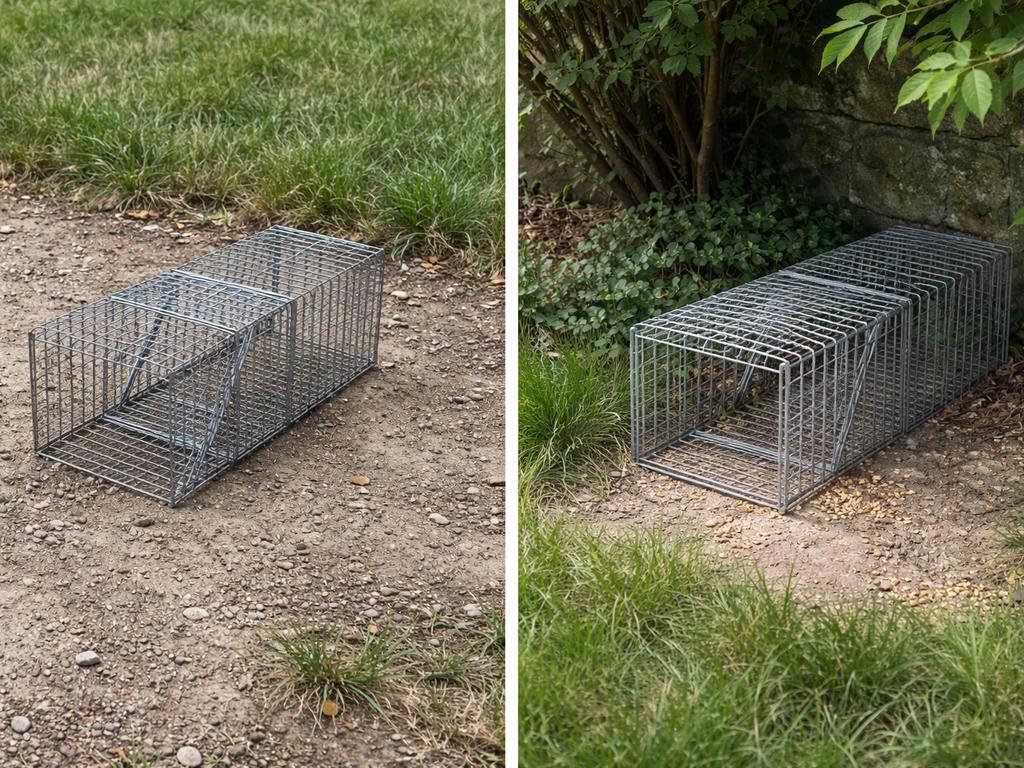
- Setting the trap without pre-baiting first. Birds avoid unfamiliar objects. Give it 2 to 3 days of pre-baiting before triggering.
- Placing the trap in an exposed location birds don't already visit. Watch first, then place.
- Checking the trap too infrequently. Distressed birds attract predators and can injure themselves against the wire.
- Using too little bait or using bait that doesn't match the target species.
- Leaving a dirty trap in place. Feces, feathers, and leftover food deter new birds and can spread disease.
- Trapping without confirming legal status of the target species. Even 'pest' birds sometimes have protections in certain states or localities.
When it's not working: troubleshooting and knowing when to change tactics
If you've pre-baited correctly, placed the trap where birds feed, and are still catching nothing after 3 to 5 days, something specific is going wrong. If your OSRS bird snare isn’t working, use this same troubleshooting mindset to narrow down what’s going wrong before you switch gear osrs bird snare not working. Work through the following before giving up or buying a different trap.
First, check for human scent contamination. Handle traps with gloves. Birds, especially crows and corvids, are sensitive to scent and visual novelty. If you touched the trap with bare hands, wipe it down and give it another day or two. Second, look at the entrance geometry. If the trap opening is too large or too small for the target species, birds may eat bait near the entrance but not enter. Adjust or switch to a model designed for your specific species.
Seasonal behavior matters too. Birds that are nesting in spring are more territorial and less likely to wander into traps. Late summer and autumn, when juveniles are dispersing and food competition is higher, are generally better trapping periods for most species. Weather also plays a role: birds feed more aggressively before a storm and less during one.
Habituation is a real problem with smart species like crows. If you've been running the same trap in the same location for weeks without success, the local population has learned to avoid it. Move the trap at least 20 to 30 feet, refresh the bait type, and try again. If you've been trapping the same flock for a long time, individual birds that escaped once may warn others. This is when professional trapping or switching to a different control strategy becomes worth considering.
Know when to call a professional. If you've run a trap correctly for two weeks with minimal results, if the bird problem is inside a building, if you're dealing with a large established flock, or if the species is protected and requires a permit you haven't obtained, a licensed pest controller or wildlife management professional is the right move.
Trapping is only part of the solution
This is the point most people miss. Trapping removes individual birds, but if the conditions that attract them remain unchanged, new birds will move in within days or weeks. To actually solve a bird problem, you need to pair trapping with exclusion and deterrents. If you’re dealing with cats that chase birds, the best cat collars to stop bird catching can help reduce successful hunts while you use exclusion and deterrents.
Exclusion is the most permanent solution. Once you've reduced the flock through trapping, install physical barriers so the area is no longer accessible or appealing. blank" rel="noopener noreferrer">Bird netting is the most complete solution for enclosed spaces like courtyards, canopies, and solar panel gaps. Bird spikes work well on ledges, parapets, and roof edges where pigeons and gulls roost. These physical controls address the root cause rather than just the symptom.
Sensory deterrents add another layer. Sonic and ultrasonic devices, visual deterrents like reflective tape or predator decoys, and motion-activated water sprayers all make an area less attractive to birds. None of these are 100% effective on their own, but combined with exclusion after trapping, they significantly reduce the chance of re-infestation. For gardens and patios specifically, visual deterrents are often enough on their own if the trapping has already reduced the local population.
Chemical repellents, applied to roosting ledges, can deter birds from landing. These are most useful as a supplement on surfaces where spikes or netting aren't practical. They need to be reapplied periodically and are more effective as part of a multi-method approach.
The overall sequence that works best is: trap to reduce the active population, then install exclusion to close off entry and roosting points, then use deterrents to discourage birds from returning. Skip any of these steps and you'll likely be back to square one within a season. Trapping alone, even with the best trap in the world, is a short-term fix without the prevention layer behind it.
FAQ
What should I do if trapping works for a week, then suddenly stops even though birds are still around?
If your goal is “best bird trap in the world” for long-term results, prioritize live-capture cages or one-way exclusion plus deterrents, because trapping alone usually stops the current birds but does not remove the reasons birds keep coming back. The practical check is whether you can also change access (exclusion), not just catch individuals.
How do I prevent accidentally catching a protected non-target bird?
Species mix is common. If you trap a non-target bird, release it immediately, avoid handling longer than necessary, and if it looks injured or tangled, contact a licensed wildlife rehabilitator right away. To prevent repeats, tighten your approach by switching to species-matched bait and adjusting the entry size so the wrong species cannot access the food effectively.
Can I use traps when the birds are already inside a building or roof void?
Yes, but the “best” trap still changes with behavior. If birds roost in a structure, using a one-way exit funnel at the entry point is often more effective than a cage because it avoids continuous trapping and reduces stress from repeated capture attempts. This is especially useful when you can confirm birds are inside but cannot easily locate nesting sites.
How often should I check a live capture trap to keep birds safe?
For live cage traps, keep the trap shaded when possible and check frequently, since holding time affects welfare, heat stress, and panic behaviors. A simple decision aid is to schedule checks at the times birds are most active, and never leave a trap unattended during peak heat or storms.
Is relocating trapped birds legal, and is it humane?
In many places, “relocating” is more regulated than people assume, and moving birds can be illegal or harmful if it transfers disease or places them in unsuitable habitat. If relocation is allowed where you live, release near the original capture area and only after confirming the species and method are permitted; otherwise use exclusion and deterrence as the safer default.
Why would birds eat near the trap but never enter it?
A new trap in the same spot can still fail due to hesitation and learned avoidance, even after successful pre-baiting. Before switching brands, confirm three basics: entrance geometry fits the target species, bait concentration is strongest at the back, and the trap is placed where birds already land or feed. Also refresh the scent and bait daily, because corvids notice changes quickly.
When is the best time of year (and time of day) to set a trap?
For pigeons and sparrows, timing after nesting or during periods of juveniles dispersing often improves entry rates, but do not assume the same timing everywhere. Use your own observation window, watch for regular visits, then set when birds are actively feeding the most, and avoid periods when birds are actively defending nests.
What should I do if the birds are near an airport or runway?
If you are in or near an airport, trapping can increase bird presence and temporarily concentrate birds, which can raise hazard risk. The practical next step is to stop DIY trapping and contact the airport’s wildlife hazard management contact or a credentialed wildlife biologist to integrate the control method into the formal program.
Can a live cage trap still be unsafe for pets or children?
Yes. Even “humane” live traps can expose birds to cats, dogs, or curious kids, so use physical barriers such as a surrounding wire mesh setup or place traps in areas pets cannot access. Also avoid using any kill-style trap where there is a realistic chance of pet interaction.
What is the quickest, practical troubleshooting checklist when my trap catches nothing?
The fastest troubleshooting path is to treat it like a controlled test. If no captures after 3 to 5 days, change only one variable at a time: relocate 20 to 30 feet if habituation is likely, adjust bait type to match diet, re-check entrance size, and confirm the trap is on the bird’s natural route. If you already changed bait and location and you still have little progress after two weeks, call a professional.
Why do I still see more birds a week after I catch some?
You often need two layers to stop re-infestation: reduce active birds with trapping, then block access routes so new birds cannot establish. After trapping, install exclusion like netting for enclosed areas or spikes for ledges, then add deterrents to keep the surface unappealing. This sequence prevents the “empty trap” problem where birds return from nearby areas.
When should I stop DIY and hire a professional?
If the situation involves a large established flock, an indoor roost with possible protected nesting, or a species you suspect is protected, calling a licensed pest controller or wildlife management professional is the safest next step. Also call sooner if the bird problem is persistent and trapping attempts are repeated without measurable results, because professionals can identify the correct species, entry points, and legal pathway.
Next Articles
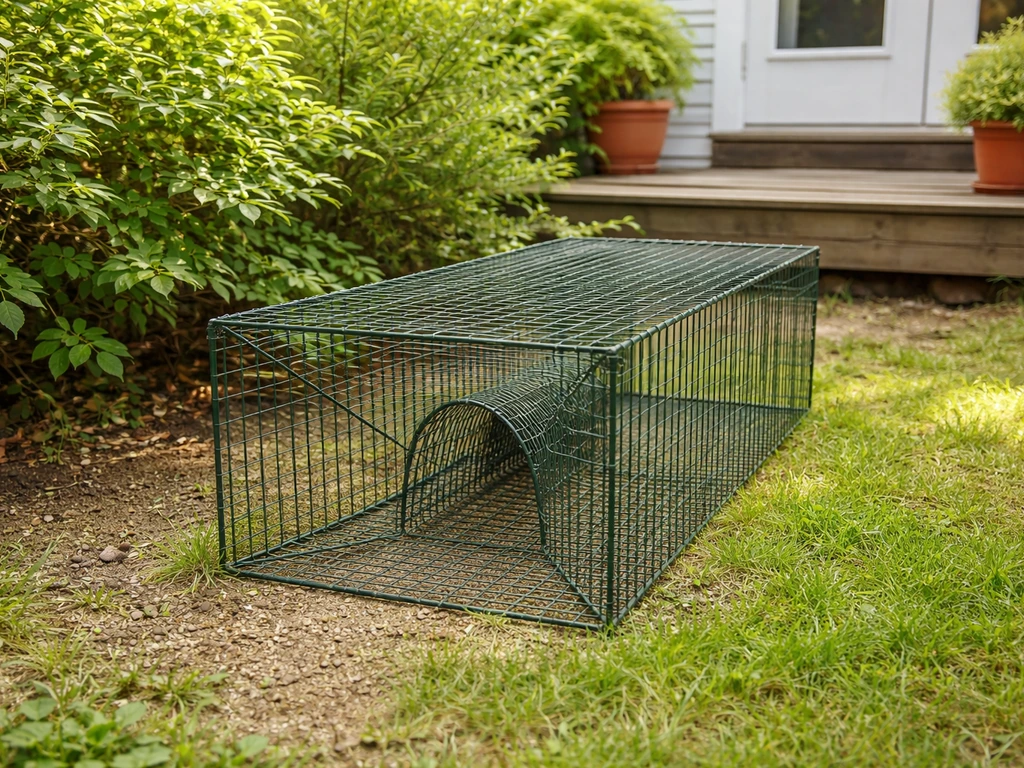
Best Bird Trap Ever: Choose and Set It Humanely Safely
Choose the best bird trap ever by species and location, set it humanely and legally, then prevent repeat entry.
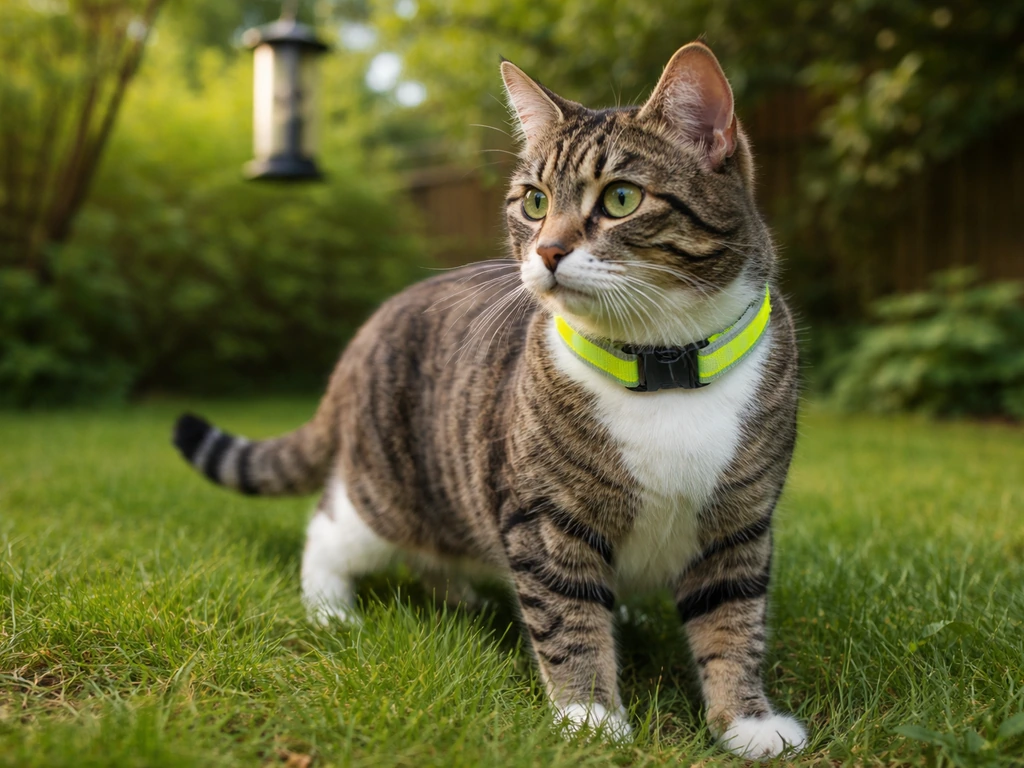
Best Cat Collars to Stop Bird Catching: A Practical Guide
Choose the best cat collars to reduce bird catching with safe, breakaway fit, visibility options, and testing plus backu
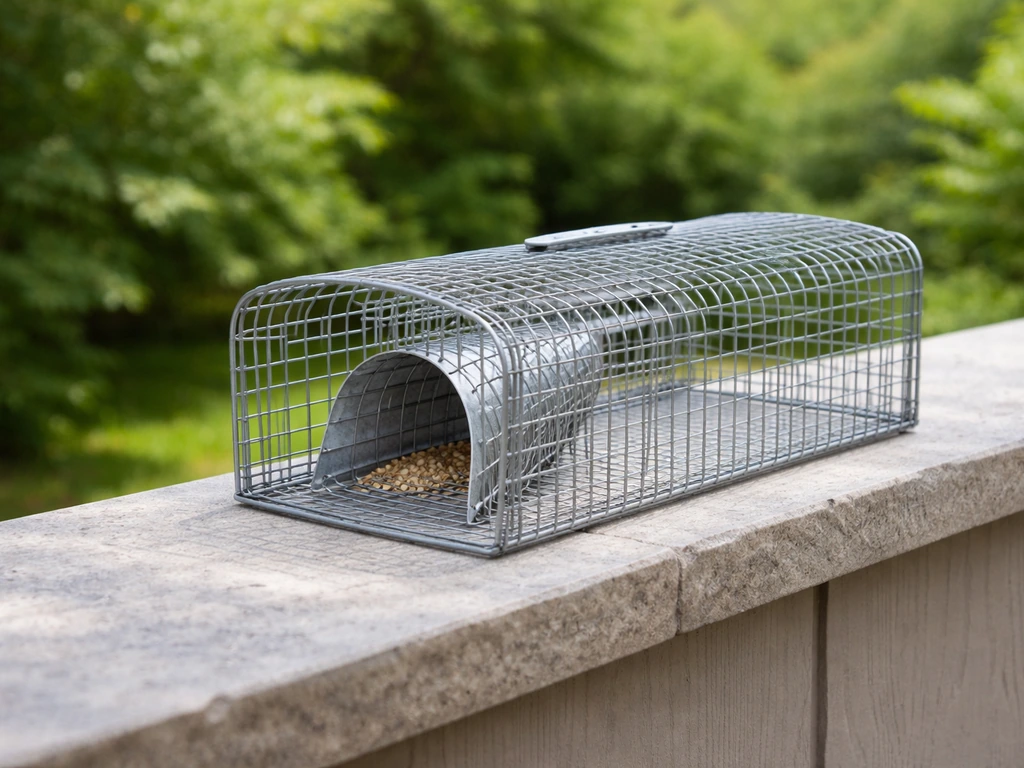
Best Bird Trap Guide: Choose, Install, and Prevent Returns
Buyer setup guide for the best bird trap: choose humane options, install correctly, prevent returns, avoid common mistak