
Yes, bird protectors work, but not equally, not forever, and not without the right match between the deterrent and the problem. Physical barriers like netting and spikes are the most reliably effective options across a wide range of settings. Visual and sonic devices can help, especially in the short term, but birds habituate to them quickly unless you keep varying what you use. Chemical repellents are situational. Ultrasonic devices aimed at consumers have repeatedly failed independent testing and are not worth the money. The key is picking the right tool for your specific bird species, site, and pressure level, then installing and maintaining it properly.
Do Bird Protectors Work? Evidence-Based Guide for Homes

Marcus Weatherby
23 Jul 2026
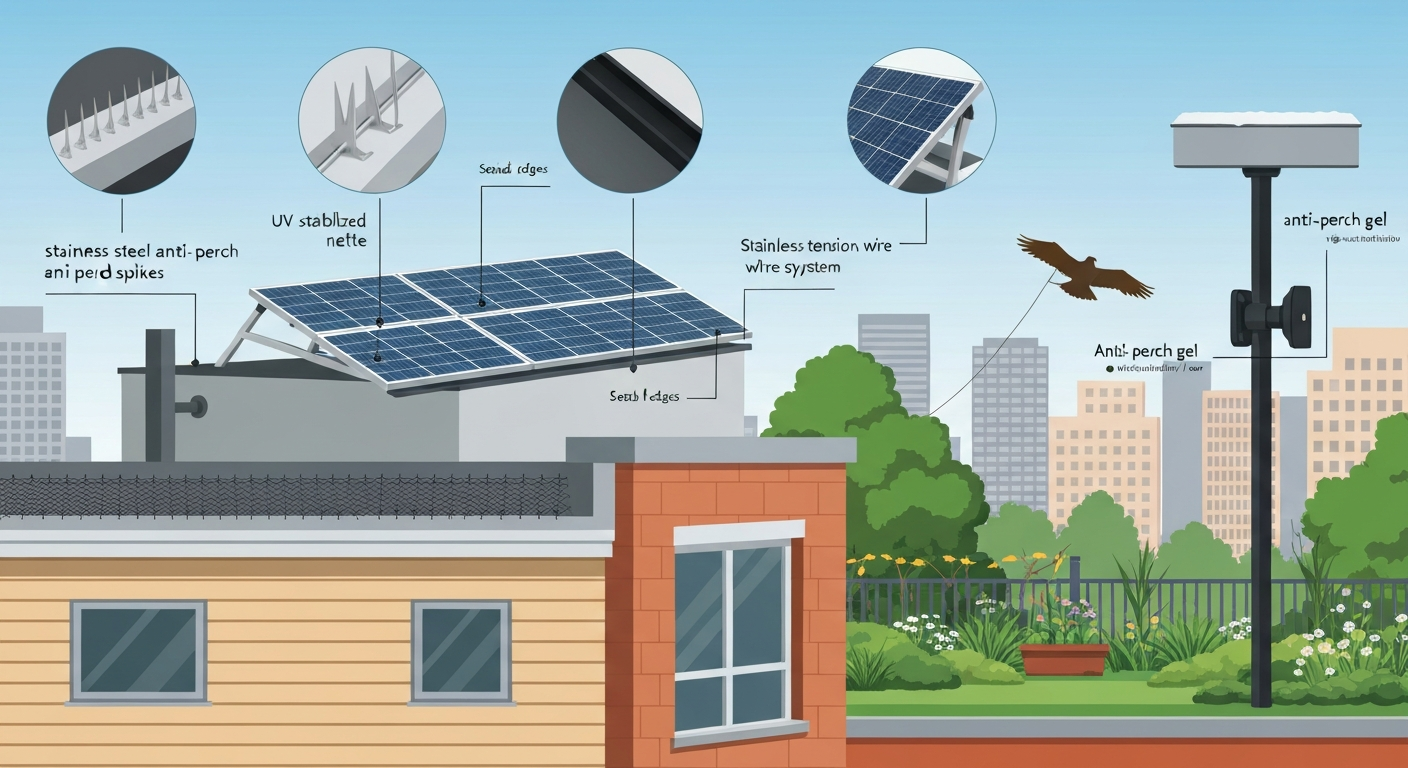
Quick verdict at a glance
| Deterrent type | Effectiveness | Best setting | Durability | Main limitation |
|---|---|---|---|---|
| Exclusion netting | High | Roofs, solar panels, gardens, building voids | 5–10+ years if UV-rated | Must be sealed at all edges; degraded nets can trap birds |
| Anti-perch spikes | High (narrow ledges) | Ledges, parapets, gutters, window sills | 5–10 years | Pigeons can build over them on wide ledges |
| Tension wire / birdwire | Moderate–high | Ledges, cables, railings | 7–10 years (stainless) | Needs correct tension; less effective on wide flat surfaces |
| Visual deterrents (decoys, reflective tape) | Low–moderate, short-term | Gardens, patios, small open areas | Weeks to months | Rapid habituation without variation |
| Sonic / distress call systems | Moderate, context-dependent | Airfields, large open sites, agricultural | Hardware: 3–5 years | Habituation; noise regulations limit urban use |
| Ultrasonic devices | Not proven | Any setting (marketed widely) | N/A | No reliable field evidence of efficacy |
| Chemical repellents (methyl anthranilate) | Moderate, short-term | Water features, crops, turf, temporary fogging | Hours to days | Dissipates rapidly under UV; variable by species |
| Optical / tactile gels | Moderate | Ledges, signage, beams | Months, needs reapplication | Messy; can trap small birds if over-applied |
Why bird species and behavior matter before you choose anything
A deterrent that works brilliantly against pigeons on a city rooftop may do almost nothing against starlings roosting in a barn or Canada geese grazing a corporate lawn. Before you spend money, spend five minutes observing: which species are causing the problem, what are they doing (nesting, feeding, roosting, landing), at what time of day, and how many are there?
Species behavior drives everything. Pigeons are stubborn, site-faithful urban birds that will push through or around poorly installed barriers and have been documented nesting on top of spikes when they're spaced too wide. Starlings are agile and will exploit any gap in netting. Geese on open grass don't care about spikes at all. Gulls at a coastal warehouse respond to predator calls, but the same sound replayed on a loop will be ignored within days.
Site-specific factors are equally important. Consider the pressure level (a single seasonal visitor vs. a permanent flock), the protected status of the species in your area (many birds are legally protected and active nest removal is illegal), and the physical environment: wind, UV exposure, and foot-traffic frequency all affect how long a deterrent lasts. Systematic reviews consistently show that deterrent outcomes are species- and context-dependent, so there is no universal solution.
The main categories of bird deterrents
Bird protectors fall into three broad groups: physical barriers that prevent birds from landing or accessing a space, sensory devices that make a location uncomfortable or frightening, and chemical repellents that irritate or discourage feeding and roosting. Each category has sub-types with very different performance profiles, and the best results almost always come from combining at least two approaches.
Physical barriers: spikes, netting, tension wire, and exclusion screens
How physical barriers work
Physical barriers don't try to frighten birds away. They simply remove the physical possibility of landing, perching, or nesting in a given spot. That's why they consistently outperform scare devices in controlled comparisons. A peer-reviewed study on a university campus found that physical exclusion (spikes and netting) produced sustained reductions in pigeon presence on buildings, while visual scare devices alone delivered only short-term results.
Anti-perch spikes
Spikes are rows of stainless steel or polycarbonate pins that make it physically uncomfortable to land on a ledge. They work best on narrow ledges up to about 200mm wide. On wider surfaces, pigeons will simply land between or behind the rows, or collect nesting debris that eventually buries the spikes entirely. Stainless steel spikes outperform polycarbonate in UV and weather resistance, but plastic versions are fine for lighter-pressure scenarios and indoor use. Installation requires a clean surface, the right adhesive or screws, and no gaps longer than about 150mm at corners or joints.
Exclusion netting
Netting is the most versatile physical barrier available. It can cover entire roof voids, garden fruit cages, solar arrays, loading bays, and building facades. The critical variables are mesh size (matched to the target species), UV stabilization rating, and how well it's sealed at every edge. Any gap larger than the bird's head is a potential entry point. Improperly installed or UV-degraded netting can trap and injure birds, which is a welfare and legal issue in most jurisdictions where birds are protected species. For solar panel under-panel exclusion, purpose-specified PV netting with UV resistance and appropriate mesh is essential, as standard garden netting can sag, degrade, and interfere with maintenance access.
Tension wire and birdwire systems
Stainless steel tension wire systems run parallel wires at a low height above a ledge, creating an unstable landing surface. They're less visually intrusive than spikes and suit heritage buildings or public-facing environments where aesthetics matter. They require correctly tensioned springs and fixings at each end and work less well on wide flat surfaces where birds can simply land between wires.
Installation steps for spikes and netting
- Clean the surface thoroughly: remove all guano, nesting material, and debris, disinfecting where necessary (dried guano is a health hazard).
- Inspect for existing nests and confirm no active nests with eggs or chicks are present before installation.
- For spikes: apply adhesive in a continuous bead or pre-drill fixing holes, press spike bases firmly, and check that no gaps exceed 150mm especially at joints and corners.
- For netting: install perimeter fixings (hooks, anchors, or battens) first, then tension the net across the frame, pulling it tight enough to prevent sagging.
- Seal all edges: use clips, ties, or wire at intervals of no more than 150–200mm. A single unsealed corner will be found.
- For solar arrays: run the net behind a purpose-made PV mesh clip or rail system to maintain a tidy edge and allow future panel maintenance without cutting.
- Check the entire installation on completion for gaps, loose sections, or potential entrapment points.
- Schedule maintenance inspections at least once a year to clear debris and check for UV degradation, loose fixings, or sagging.
Pros and cons of physical barriers
| Method | Pros | Cons |
|---|---|---|
| Spikes | Durable, low maintenance, humane, effective on narrow ledges | Ineffective on wide flat surfaces; can be buried by debris over time |
| Netting | Highly versatile, effective for enclosing large areas | Requires careful installation and maintenance; risk of bird entrapment if degraded |
| Tension wire | Low visual impact, long-lasting stainless hardware | Less effective on wide surfaces; needs periodic re-tensioning |
| Exclusion screens | Blocks vents, soffits, gaps permanently | Must be installed before nesting season; removal during active nesting is illegal in many areas |
Surface exclusion for buildings: soffits, vents, gutters, ledges, and balconies
Buildings offer birds a surprising number of entry and roosting points that aren't immediately obvious from ground level. Soffits with gaps at the fascia, open or louvered vents, weep holes in brick courses, gaps behind gutters, and open eaves are all common nesting sites for sparrows, starlings, and pigeons. Balconies and ledges above the ground floor are prime pigeon territory.
For soffits and vents, purpose-made mesh screens fixed with appropriate fixings for the substrate are the right answer. Stainless steel or PVC-coated galvanized mesh (not basic chicken wire, which corrodes quickly) is preferable. Mesh openings should be 20mm or smaller for sparrow exclusion and up to 50mm for pigeon control. Install all screens before the breeding season in your area, as removing or blocking an active nest is illegal under most national wildlife protection laws.
Gutters need a slightly different approach. Gutter guards with fine mesh tops prevent nest building and leaf build-up simultaneously. On ledges and balconies, combining spikes or tension wire on the perimeter ledge with a thorough clean-out and block-off of any nesting recesses is the standard professional approach. Anti-perch gel applied to specific surfaces (beams, thin ledges, window sills) can supplement spikes where fixing is not possible, though it requires periodic reapplication.
Repair considerations matter more than many people realize. When netting or screens degrade, they can trap birds in cavities rather than excluding them. If you're dealing with an older installation, inspect it fully before nesting season: replace any UV-brittle material, re-fix any loose edges, and look for gaps created by building movement or repairs to the structure itself.
Visual deterrents: decoys, reflective tape, predator silhouettes, and eye-spot devices
How they work
Visual deterrents exploit birds' natural wariness of predators or sudden movement. A plastic owl on a rooftop, reflective tape spiraling in the breeze, a hawk kite over a garden, or large eye-spot balloons all aim to trigger the same response: a bird sees something it associates with danger and leaves. The problem is that birds are not stupid. Within days to a few weeks of a static scare device being installed, most species learn it poses no actual threat and start ignoring it entirely.
What the evidence actually shows
Static decoys and fixed reflective devices provide only short-term deterrence before habituation sets in. USDA Wildlife Services guidance is explicit on this: immediate displacement happens, but it rarely lasts. The most promising recent development is predator-mimicking devices that move unpredictably. A peer-reviewed 2023 field trial of a robotic falcon (RobotFalcon) found it significantly reduced flocks of corvids, gulls, starlings, and lapwings, and crucially showed no evidence of habituation during the trial period, unlike conventional drone-based and static methods. The key was the unpredictable, falcon-like flight pattern.
Best placements and tips to avoid habituation
- Move decoys to a new position every 2–3 days rather than leaving them fixed.
- Use reflective tape or foil in areas with air movement so it spins and flutters unpredictably.
- Rotate between different visual deterrent types over a season rather than relying on one continuously.
- Combine visual deterrents with a secondary method (such as distress calls or physical barriers) to reinforce the perceived threat.
- Position predator silhouettes or kites at height and in the birds' line of sight when approaching the site.
- For gardens and patios, place deterrents near the food or water source rather than at the site perimeter.
Pros and cons of visual deterrents
- Low cost and easy to install, making them a practical first step for homeowners.
- No permits, chemicals, or specialist installation typically required.
- Rapid habituation is the core limitation: expect diminishing returns within days to weeks without active management.
- Most effective when used as part of an integrated approach rather than as a standalone solution.
- Robotic or moving predator-mimic systems are more effective but significantly more expensive.
Sonic deterrents, distress call systems, and the truth about ultrasonic devices
How sonic systems work
Acoustic deterrents use sound to discourage bird presence. The most effective type uses recorded species-specific distress calls and predator alarm calls broadcast at intervals from weatherproof speakers. When a pigeon or starling hears a distress call from one of its own species, the instinctive response is to flee. Active systems cycle through multiple call types and vary the timing to slow down habituation. These are genuinely useful in the right setting: large open areas like agricultural fields, warehouse rooftops, golf courses, and critically, airfields.
Effectiveness summary
The evidence for distress-call systems is moderately positive in open, low-urban-density environments where the calls can carry and birds have space to disperse. However, habituation still occurs, particularly when the same call is broadcast on a fixed schedule. The most effective setups vary the call type, volume, and timing, and pair the acoustic deterrent with at least one other method. Commercial systems used at airports and large agricultural sites typically include this variability by design.
Ultrasonic devices: the verdict
Consumer ultrasonic bird repellers (plug-in or solar-powered units that emit high-frequency sound) have been independently reviewed multiple times by university researchers and government wildlife agencies. The consistent conclusion is that they lack reliable field efficacy across bird species. Birds don't have particularly sensitive high-frequency hearing compared to mammals, and there is no peer-reviewed evidence that these devices produce meaningful, lasting deterrence. I'd avoid spending money on them.
Aviation and large commercial sites: special considerations
Bird strikes are a recognized safety risk in aviation. The FAA requires airports to conduct Wildlife Hazard Assessments and implement Wildlife Hazard Management Plans (WHMPs) tailored to local species and risk profiles. ICAO has issued parallel guidance promoting standardized bird-strike monitoring and reporting internationally. See ICAO working paper on bird‑strike prevention and detection systems (assembly document), ICAO for international guidance on standardized wildlife‑hazard monitoring and reporting ICAO working paper on bird‑strike prevention and detection systems (assembly document) — ICAO. At airports and heliports, acoustic deterrents are used as one component of an integrated system that typically includes habitat management (removing attractants like standing water and long grass), falconry, pyrotechnics, and in some cases active radar-triggered systems. No single deterrent is considered sufficient for aviation safety contexts.
Placement guidance for sonic systems
- Position speakers so they face the area where birds roost or land, not away from it.
- For large open sites, use multiple speaker zones to avoid the birds simply moving to an adjacent untreated area.
- Mount speakers high enough to clear obstructions and maximize sound coverage.
- Keep cables and fixings weatherproofed and inspect annually.
- At airports and regulated sites, ensure any acoustic system complies with local noise ordinances and obtain necessary permits before installation.
Safety, legal, and compliance considerations
In urban and suburban environments, noise ordinances frequently restrict when and at what decibel level acoustic systems can operate. Residential neighbors and wildlife themselves can be affected by prolonged broadcast of distress calls. Check local authority requirements before installing any active acoustic system on a commercial property. At regulated facilities such as airports, acoustic systems must be part of a formally reviewed WHMP and operated by or under the oversight of a qualified wildlife control professional.
Habituation mitigation strategies for sonic systems
- Program systems to vary the call type, interval, and volume rather than looping a single track.
- Rotate between distress calls from the same species and calls from predators known to the target birds.
- If possible, pair with a secondary visual or physical stimulus (such as a falcon kite or trained bird of prey) to reinforce the threat signal.
- Take the system offline periodically (a day or two per week in low-pressure periods) so birds don't establish that the calls are permanently non-threatening.
- If habituation is already established, switch to a different call library or sound profile before resuming regular use.
Troubleshooting sonic systems
- Birds returning within hours of calls starting: likely habituation. Vary call type and timing immediately.
- No apparent response from day one: check speaker placement and that the correct species-specific calls are loaded for the birds you're targeting.
- Sound level complaints from neighbors: reduce volume, restrict operating hours, or redirect speakers.
- System stopping unexpectedly: check weatherproofing, power supply connections, and speaker condition after exposure to prolonged UV or moisture.
- Birds relocating to a nearby untreated area: expand coverage or add a complementary physical barrier at the new location.
Chemical repellents: sprays and gels
Chemical bird repellents work primarily through sensory irritation. The most widely used active ingredient is methyl anthranilate (MA), a naturally occurring compound found in grape skin that irritates the trigeminal nerve in birds (their equivalent of a burning sensation in the eyes, nose, and mouth). It's EPA-registered in the US and available in spray and fogging formats under brands like ReJeX-iT and Bird Shield. For DIY options and simple recipes, see how to make bird repellent spray. It works best as a deterrent for waterfowl and gulls on water, turf, or crops, and has shown positive results in some field and pen trials.
The limitation is dissipation. One study found MA degrading under UV light within approximately 64 hours, which means reapplication is needed frequently in outdoor settings, particularly in direct sun. Meta-analyses of MA efficacy across agricultural contexts show variable results: it works in some scenarios with some species, but is not reliably effective across the board. It's a useful supplemental tool for short-term protection of specific resources (a newly seeded lawn, a pond during migration season) rather than a permanent standalone solution.
Tactile and optical gels form a sticky or optically irritating surface on ledges and beams. Applied correctly in thin beads, they make landing uncomfortable without trapping birds. Over-application is a real risk: thick deposits of gel can trap small birds, which is both a welfare issue and a legal one. Gels also collect dust and debris, lose effectiveness over time, and need reapplication every few months in exposed conditions. If you want more detail on applying these products correctly, the guidance on how to apply bird repellent gel covers the specifics, and if you're wondering whether these products justify the effort, the article on does bird repellent gel work covers the evidence in depth. For step-by-step instructions on correct technique and safety when using tactile gels, see how to apply bird repellent gel (resource ID 5a32eb94-ca29-41f4-a360-a72eb62993bc). For a focused review of efficacy and practical considerations, see the article 'Does bird gel work'. For a focused explanation of how bird barrier optical gel works and when to use it, see how does bird barrier optical gel work. For a focused review of spray-based products and the field evidence, see does bird repellent spray work.
Safety and environmental precautions for chemical repellents
- Always read and follow the product label: EPA-registered products have legally binding use instructions.
- Wear gloves and eye protection when applying MA sprays or gels, as they can irritate skin and eyes.
- Do not apply MA products near water bodies unless the label specifically permits aquatic use. MA formulations can be moderately toxic to fish and aquatic invertebrates.
- Store concentrates away from children and pets in a cool, dry location.
- For DIY repellent sprays, note that homemade mixtures using grape seed extract or essential oils are far less consistent in concentration than registered products and have limited evidence of efficacy.
Solar panels: why bird protection here matters more than you might think
Birds nesting under solar panels and depositing guano on panel surfaces aren't just a nuisance. Guano on PV modules creates localized shading and hotspots, and experimental studies have shown single-cell shading causing 20–40% local power loss. Research measuring the cumulative effect of bird dropping accumulation found reductions in overall panel output and efficiency of 26–43% in controlled tests, with thermography confirming elevated module temperatures at dropping sites. That's a meaningful financial impact on any system.
The standard solution for under-panel exclusion is purpose-made PV mesh (a form of netting or rigid mesh with clips designed for solar array edges) that seals the gap between the panels and the roof without impeding airflow or panel maintenance. Standard garden netting is not appropriate here: it can sag onto the panels, UV-degrade quickly, and complicate access for cleaning or repairs. Professional installation is advisable for whole-roof systems; some installers include bird proofing as a standard add-on at point of installation, which is far easier than retrofitting.
Choosing the right approach for your situation
For most homeowners dealing with pigeons on ledges or starlings in soffits, the answer is physical exclusion: spikes or tension wire on accessible ledges, mesh screens over soffits and vents, and netting over any enclosed area you want to protect entirely. Add a visual deterrent as a temporary measure while the physical barrier goes in, but don't rely on it long-term.
For gardens and patios, a combination of physical protection over crops (netting), reflective deterrents on a rotation, and a methyl anthranilate spray for short-term coverage of specific resources covers most situations. If you're dealing with Canada geese on a lawn or waterfowl on a pond, MA fogging is a legitimate short-term tool, but habitat management (reducing accessible water edges and short grass) is the only sustainable long-term answer.
For commercial operators, property managers, and aviation stakeholders, the integrated approach is the professional standard: physical exclusion for structural access points, acoustic systems with variability programming for open areas, habitat management to reduce attractants, and specialist falconry or robotic deterrent services for high-pressure sites. At airports, all of this must sit within a formally documented WHMP that satisfies FAA or applicable national authority requirements.
When to call a professional
DIY bird control is perfectly reasonable for most homeowner-scale problems, but there are situations where professional expertise saves money and avoids legal risk. If you have an active nest with eggs or chicks, stop and wait: removal is illegal in most jurisdictions until the nest is naturally vacated. If you're dealing with large-scale infestations, guano accumulation in enclosed spaces (a health hazard requiring proper PPE and disposal), or a commercial site with regulatory obligations, a licensed pest control or bird management contractor is the right call. They can identify species accurately, assess legal status, specify the right products, and install barriers correctly the first time. For another relevant comparison, see does bird repellent gel work.
FAQ
Do bird protectors actually work?
Yes — some do and some don’t. Physical exclusion (netting, spikes, under‑panel barriers) is the most reliably effective approach when properly specified and installed. Sensory devices (visual alarms, distress calls, ultrasonic) can give short‑term reductions but commonly fail long‑term because birds habituate. Chemical repellents such as methyl anthranilate (MA) can work in some contexts (waterfowl, gulls) but are often short‑lived and species‑dependent. Effectiveness depends on species, site, correct product/installation and sustained maintenance.
Which deterrents are best for homeowners and patios/ledges/windows?
For ledges and narrow perches, anti‑perch spikes are cost‑effective and usually work for pigeons and starlings if securely fixed and sized correctly. For window collisions and decking, use bird‑safe window film, decals applied correctly (covering area within birds’ flight path), and short‑range netting for small enclosures. Visual scare items (reflective tape, hawk kites) can help briefly but should be rotated/varied. Avoid unmanaged sticky gels on high‑touch areas (pets/children hazard).
What works in gardens, vegetable patches and fruit trees?
Exclusion netting tailored to the crop (mesh size, UV‑stabilized material, tensioned and sealed) is the most reliable option for protecting fruit and vegetable crops. Scare tactics (visual, auditory) can supplement but usually lose effectiveness without rotation and integration. Chemical repellents such as methyl anthranilate may reduce bird feeding on some crops short‑term; always follow label restrictions and local pesticide law.
Are bird spikes and ledge‑exclusion systems safe and legal?
When installed to avoid injuring birds and not used to trap nesting protected species, spikes and ledge‑exclusion devices are legal and commonly permitted. Avoid placing spikes where they will entangle or injure birds. Netting or devices that can cause entrapment of protected species may be restricted or require mitigation. Check local wildlife protection laws and guidance before installing.
How effective is netting for balconies, roofs, gardens and solar panels?
Netting is highly effective when correctly chosen (appropriate mesh, UV‑stability), tensioned, anchored and sealed at all edges, and regularly inspected. For solar arrays, under‑panel exclusion netting and perimeter barriers reduce nesting and soiling but must be specified to resist sagging, UV degradation and to prevent entrapment. Poorly installed or degraded nets can trap and kill birds and reduce effectiveness.
Which methods are best for protecting solar panels from birds and guano?
Under‑panel exclusion (netting with proper tension/attachment), perimeter skirts, and professionally designed anti‑roosting barriers are the primary measures. Regular cleaning programs and module inspection reduce soiling impacts. Because bird droppings can cause significant localized shading and hotspots (studies show large % losses), use exclusion combined with maintenance. Avoid ad‑hoc netting that sags or creates hidden entrapment zones.
Next Articles
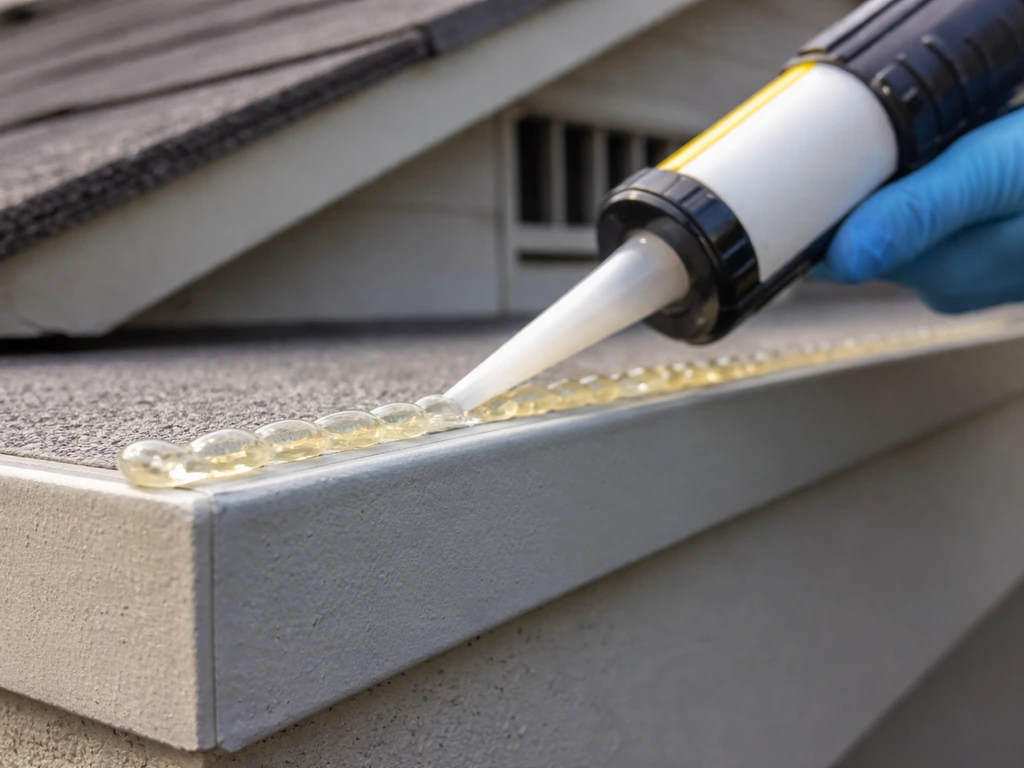
How to Apply Bird Repellent Gel Step by Step Guide
Step by step instructions to apply bird repellent gel on ledges, rails, vents, and eaves for lasting deterrence.
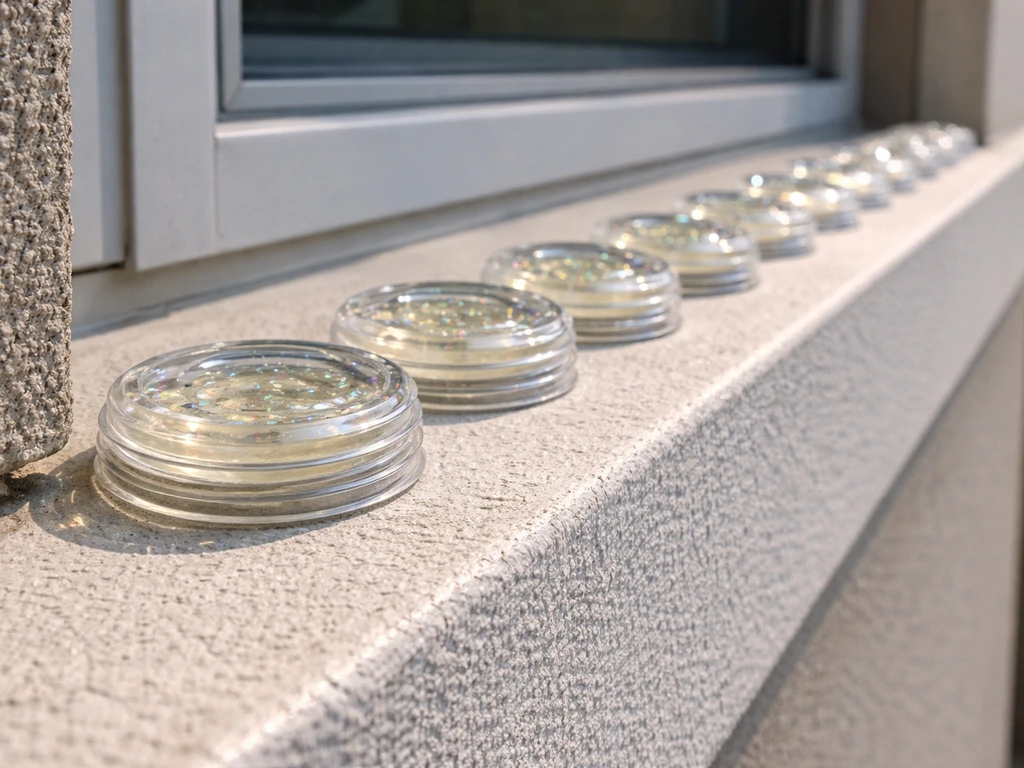
How Does Bird Barrier Optical Gel Work for Deterrence?
Learn how bird barrier optical gel deters birds using optics, what results to expect, and safe, lasting application step
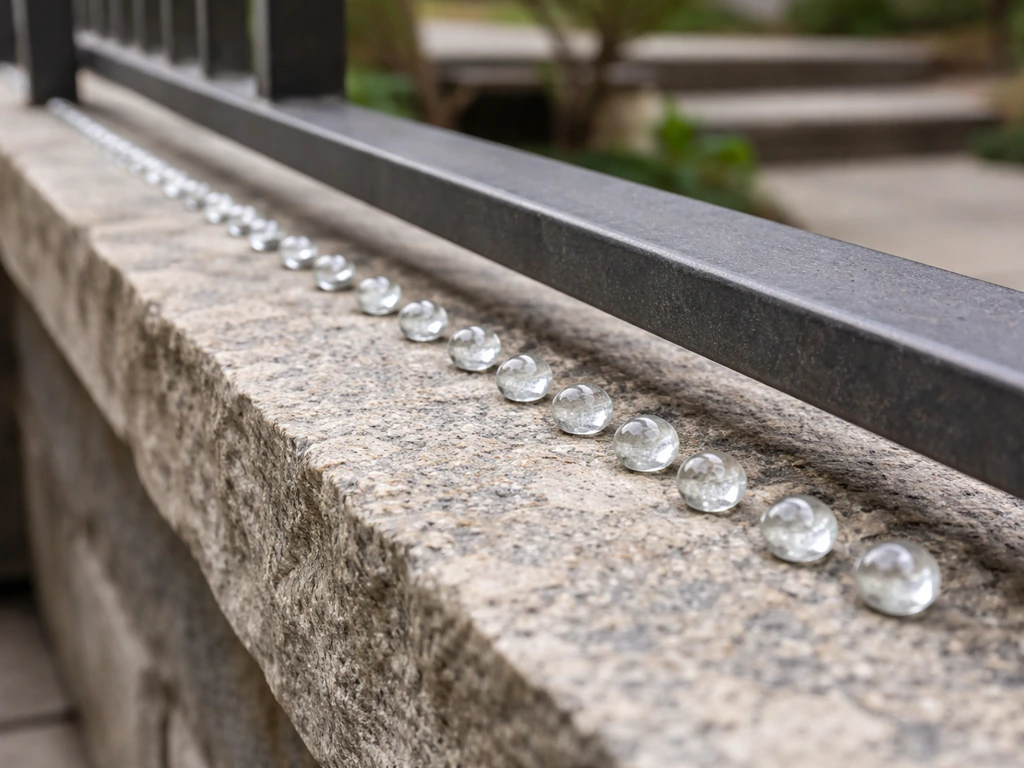
Does Bird Gel Work? Effectiveness, Setup, and Alternatives
Find out if bird gel works on ledges, rails, roofs and patios, plus setup tips, timeline, safety, and better alternative