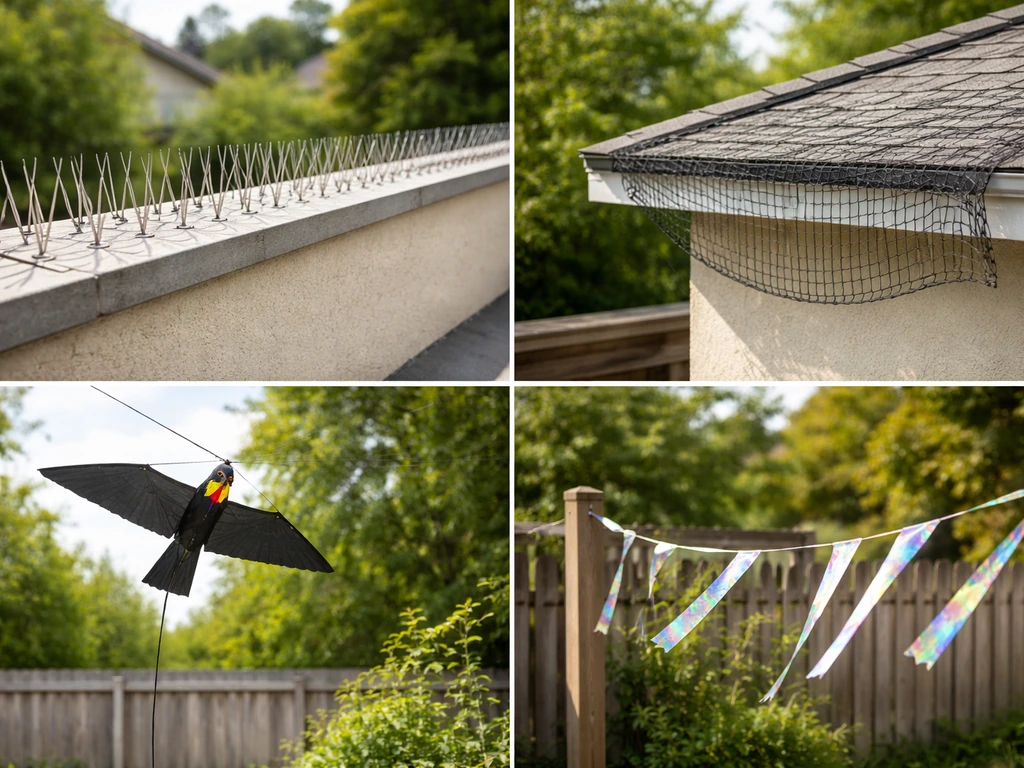
For most pigeon problems on ledges, balconies, and roofs, physical exclusion methods like anti-perch spikes or netting are the most reliable long-term fix. Visual deterrents (reflective tape, predator decoys, kites) work best as short-term supplements, sonic devices can help in open outdoor spaces, and ultrasonic devices have essentially no proven effect on pigeons. If you are shopping for the best bird scaring device, focus on proven deterrent types first, since some options are ineffective once pigeons habituate sonic devices. The right combination depends on where exactly your problem is and how established the pigeons have become.
Best Bird Scarer for Pigeons: Choose and Install the Right Fix

Marcus Weatherby
24 Jun 2026
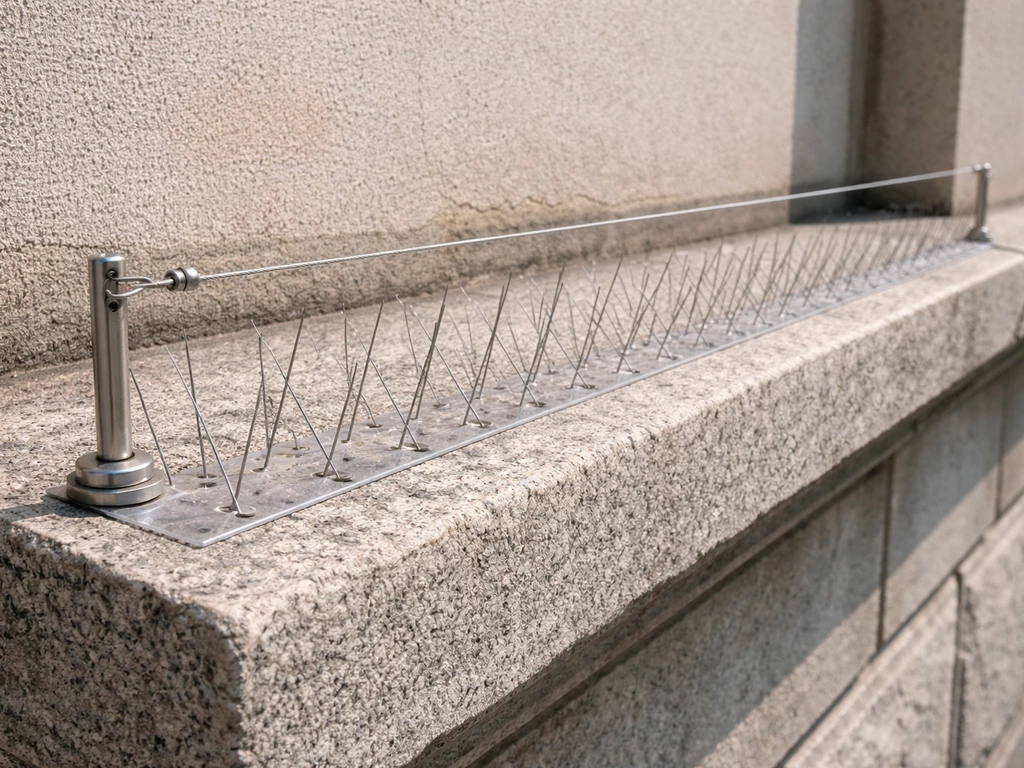
The best scarer type for your specific situation
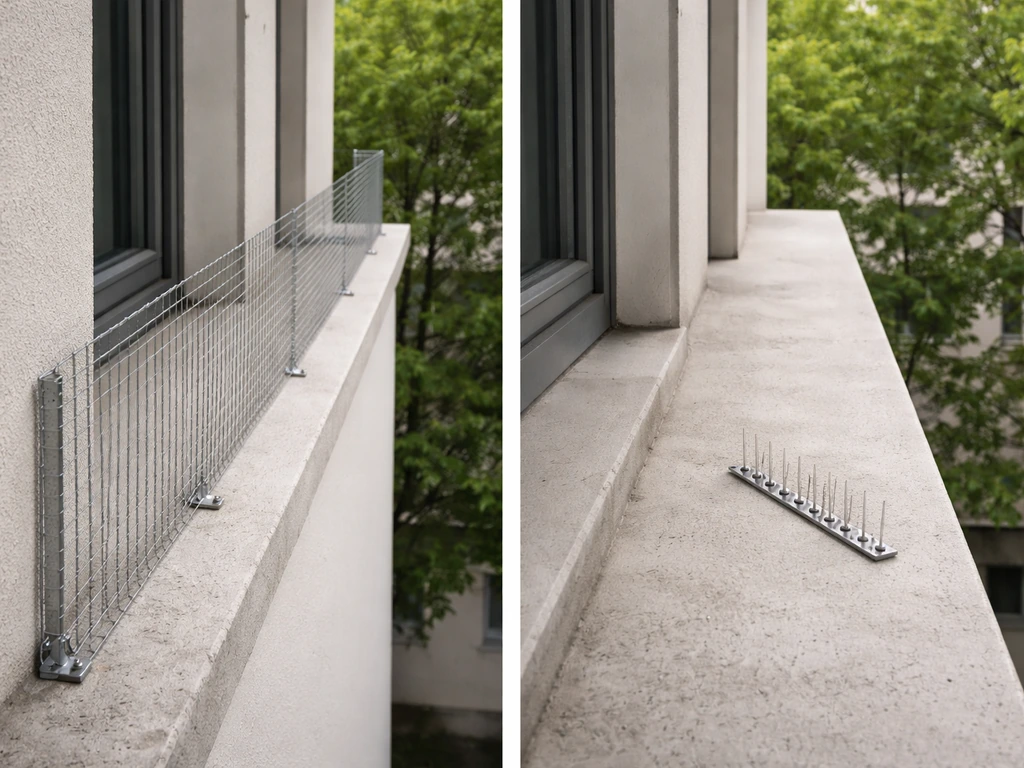
There is no single universal answer, but there is a useful decision rule: if pigeons are roosting or nesting (sitting still in one spot repeatedly), you need a physical barrier. If they are just passing through or occasionally landing in a garden or open area, a visual or sonic deterrent may be enough. Here is a quick breakdown by location:
| Location | Best primary approach | Useful supplement |
|---|---|---|
| Window ledge or narrow sill | Anti-perch spikes or track | Reflective tape nearby |
| Flat roof or parapet | Netting or spikes across full surface | Sonic device for open area |
| Balcony | Netting on open sides, spikes on rails | Visual decoy (hawk kite) |
| Garden or patio | Visual deterrents (reflective tape, hawk kite) | Sonic/ultrasonic as supplement |
| Solar panels | Mesh skirting pinned around panels | Spikes on surrounding roof edge |
| Pool area | Visual scarers and sonic device | Remove food/water sources first |
| Commercial building facade | Professional netting system | Gel repellent on remaining ledges |
Why pigeons are so hard to shift (and what actually scares them)
Feral pigeons are creatures of habit. Once they find a spot they like, whether a sheltered ledge, a warm roof, or a quiet balcony, they return to it day after day. They are not easily startled by things that stay still. A plastic owl or a strip of tape that has been in the same place for a week stops registering as a threat. This habituation is the single biggest reason DIY scarers fail.
Pigeons respond best to unpredictable movement, sudden loud noise, physical discomfort underfoot, and the genuine presence of a predator. Reflective or moving objects buy you time by creating visual uncertainty. Sonic devices mimic predator calls or distress signals, which triggers avoidance in the short term. Spikes and netting simply make a site physically unusable, which is why they last longer than any scarer that relies on a fear response the bird can eventually learn to ignore.
blank" rel="noopener noreferrer">One research study comparing ultrasonic, visual, and sonic devices found that visual and sonic scarers did reduce pigeon numbers, but only for the first two days of the treatment period. After that, birds began returning as they adapted. blank" rel="noopener noreferrer">The ultrasonic device showed no measurable effect at all across a 20-day observation period. That lines up with warnings the U.S. Federal Trade Commission has issued to ultrasonic device manufacturers about making unsupported efficacy claims.
Comparing the main scarer categories
Visual deterrents
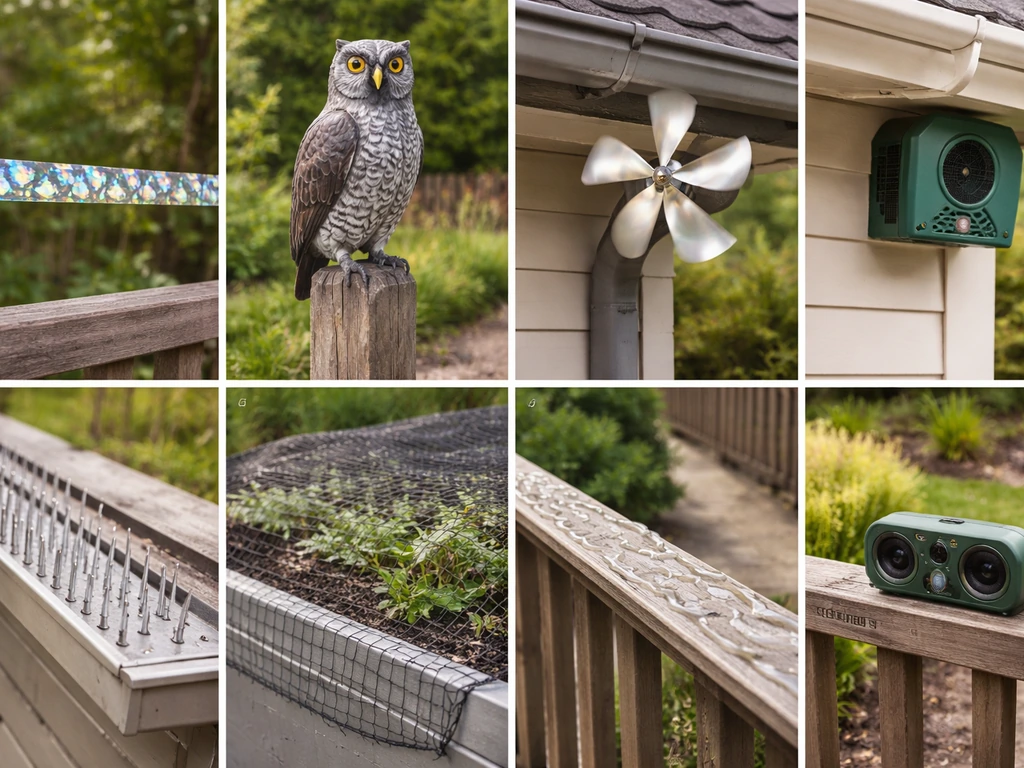
Reflective tape, holographic flash tape, spinning windmills, predator decoys (plastic hawks or owls), and bird scarer kites all work on the same principle: creating visual disruption that pigeons interpret as potential danger. They are inexpensive, easy to install, and completely safe. The downside is that effectiveness is variable and often short-lived. USDA APHIS guidance explicitly notes that reflective tape and flags are not guaranteed to work. Move them regularly (every few days) and combine them with other methods to get the most out of them.
Sonic and ultrasonic devices
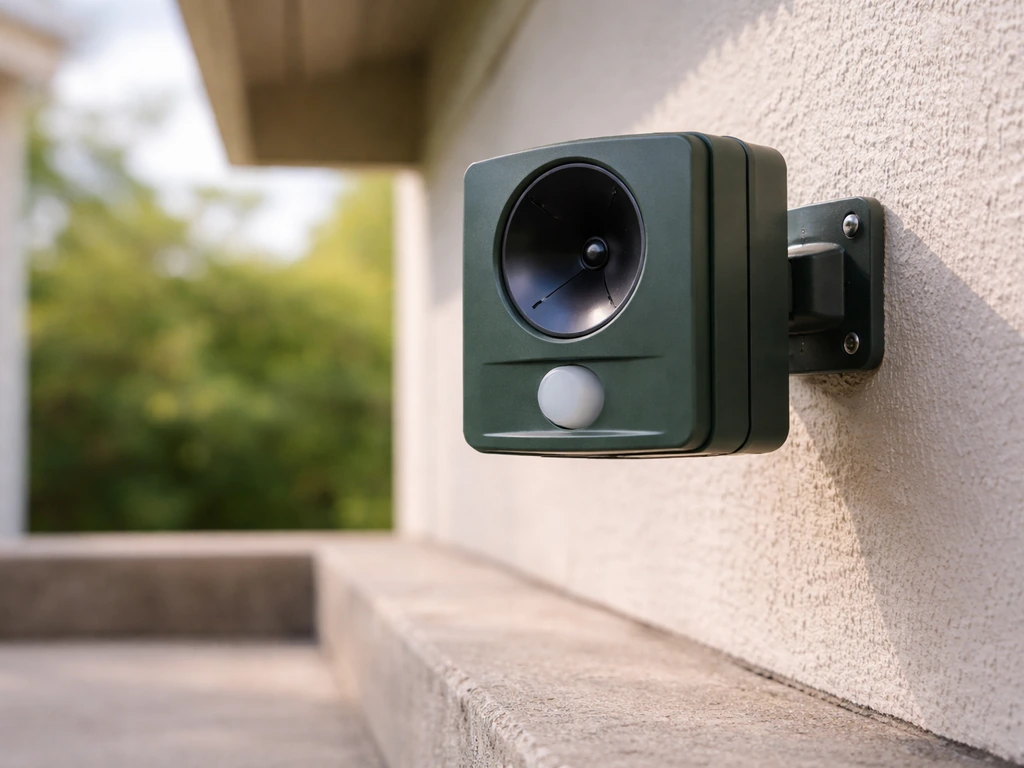
Sonic devices play predator calls, distress calls, or broad-spectrum sound patterns at audible frequencies. They can be effective in open spaces like gardens, patios, and flat roofs, especially when set to randomize the sound type and timing so birds cannot predict the pattern. If you want the best bird scarer for a garden, prioritize options with proven results like properly placed sonic deterrents or a physical barrier, depending on how the birds are using the space Sonic devices can be effective in open spaces like gardens. Ultrasonic devices, which operate above human hearing range, have not been shown to affect pigeons in research settings. Save your money there and put it toward something with better evidence behind it.
Physical barriers: spikes, netting, and track systems
Anti-perch spikes are the most widely used and most consistently effective pigeon deterrent for ledges, parapets, railings, and window sills. They do not harm birds; they simply make it impossible to land comfortably. Stainless steel spikes last far longer than plastic ones outdoors. Netting is the best option for large areas like full roof sections, balconies, or solar panel arrays because it physically excludes birds from the entire zone. The UK's RSPCA endorses properly installed spikes and netting as humane deterrent options. Physical barriers work regardless of habituation because there is no fear response involved.
Chemical and gel repellents
Pigeon gel repellents create a sticky or tacky surface that pigeons find uncomfortable underfoot. Research on gel repellents found they do reduce the frequency and duration of landings, but they do not fully eliminate pigeon activity. The same research concluded that mechanical barriers remain more reliable than gels alone. If you are choosing among categories and want the best bird scarer for your layout, remember that mechanical barriers usually stay more reliable than gel repellents alone. Gels are best used as a supplementary measure on surfaces where spikes cannot be fitted aesthetically, or to reinforce the edges of a netted area. They need reapplying periodically and can trap small birds or insects if applied too thickly, so use them carefully.
| Method | Effectiveness | Longevity | Best for | Main limitation |
|---|---|---|---|---|
| Anti-perch spikes | High | 3-10+ years (steel) | Ledges, sills, parapets, rails | Needs full coverage, no gaps |
| Netting | Very high | 5-10 years | Roofs, balconies, solar panels | Installation cost and complexity |
| Visual deterrents | Low to moderate | Days to weeks | Gardens, patios, open areas | Pigeons habituate quickly |
| Sonic devices | Moderate | Ongoing (needs power) | Open outdoor areas | Less effective in enclosed spaces |
| Ultrasonic devices | None proven | N/A | Not recommended for pigeons | No scientific evidence of efficacy |
| Gel repellents | Low to moderate | Weeks to months | Supplement on narrow surfaces | Needs reapplication; can trap small birds |
How to install deterrents properly
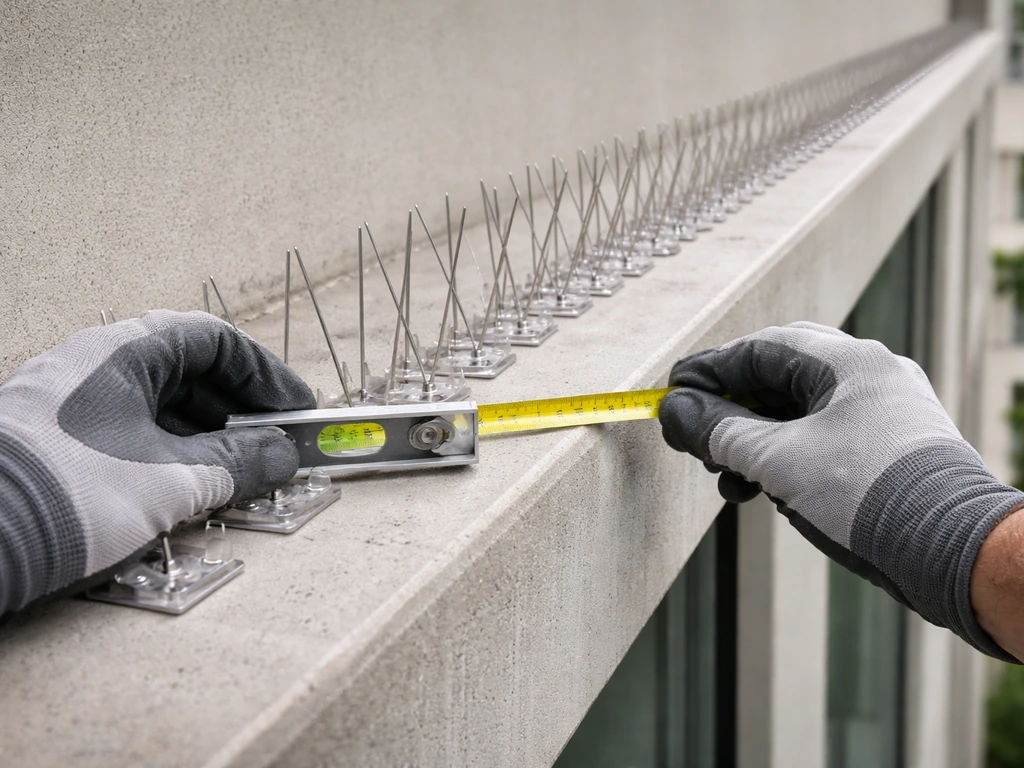
Coverage: the number one thing people get wrong
Pigeons will find any gap. If you fit spikes along 90% of a ledge and leave a 20 cm gap at one end, they will use that gap. The same is true for netting: any loose edge, unsealed corner, or undersized anchor point becomes an entry point. Before you buy anything, measure the full area you need to cover and add at least 10% extra material to account for corners, overlaps, and fixings.
Placement and line of sight for visual and sonic devices
Visual deterrents need to be visible from the approach direction pigeons use. Hang reflective tape or kites at the height where birds are landing or gliding in, not just at ground level. Sonic devices should face the area where pigeons congregate and be mounted high enough to project sound across the full zone. Most units have a coverage radius stated in the product specs; do not assume one device covers a large commercial space.
Timing your installation
Install deterrents before pigeons establish a strong roosting routine if possible. A site where a pair has been visiting for two weeks is much easier to clear than a ledge that has had 30 birds on it for two years. If pigeons are already well-established, clean the area thoroughly before installing (removing droppings, nest material, and feathers removes scent cues that draw birds back), then put your barriers in place immediately after cleaning.
Weather resistance and durability
Anything going on a roof or external ledge needs to be UV-stable and corrosion-resistant. Stainless steel spikes with UV-stabilized polycarbonate bases outlast galvanized or plain plastic options by years. Netting should be UV-treated polyethylene or nylon with a minimum 10-year life rating for outdoor use. Check that all fixings (screws, clips, tensioning wires) are also corrosion-resistant, since a failed fixing is how netting comes loose and pigeons get back in.
Safety and legal considerations
Protecting birds, people, and pets
In most countries, feral pigeons are not a protected species, so using humane deterrents to prevent roosting is legal without a permit. However, you must not use methods that injure or kill birds without the appropriate authorization. Spikes and netting, correctly installed, are non-harmful. Gel repellent, as noted, should be applied thinly to avoid trapping small birds. If you are dealing with nesting birds that have eggs or chicks already present, check your local wildlife regulations before disturbing the nest.
Noise considerations for sonic devices
Sonic devices that emit audible sounds (predator calls, distress cries) can disturb neighbors if used in residential areas, particularly at night. Most units let you set active hours; restrict operation to daytime hours if you are in a built-up area. Check local noise ordinance rules before running any sound-emitting device continuously. Ultrasonic devices, while ineffective against pigeons, do not carry noise nuisance risks for humans, though they may affect dogs and cats.
Historic and listed buildings
If your property is a listed building or a scheduled historic structure, you may need consent before fitting spikes, netting, or any fixing to the fabric of the building. Historic England guidance specifically flags this requirement and recommends deterrent systems designed to be reversible and to avoid permanent damage to facades. The U.S. General Services Administration has similar guidance for federal buildings, emphasizing reversible netting installation techniques. If in doubt, contact your local planning authority before you drill anything.
DIY or professional installation?
For a single ledge, a balcony railing, or a small garden area, DIY is entirely reasonable. Spikes are simple to fit with adhesive or screws, and visual deterrents need no tools at all. If you are comfortable working at height, fitting a small netting section over a solar panel array or a balcony opening is also manageable with the right fixings kit.
Bring in a professional when the area is large, the access is difficult or dangerous, the infestation is established and heavy, or you are working on a commercial or historic property. A professional installer will survey the site properly, identify all roosting and access points (including ones you may not have noticed), and provide a guarantee on the installation. For aviation-adjacent properties or large commercial rooftops, professional bird management is not optional: the scale and complexity of the problem genuinely requires specialist equipment and experience.
The escalation signal to watch for is this: if you have installed a deterrent correctly and pigeons have returned within two weeks, either the coverage has a gap, the method is wrong for the site, or the infestation is severe enough to need professional intervention. Do not keep repeating the same approach expecting a different result.
Why deterrents fail and how to keep them working
The habituation problem
Visual and sonic deterrents fail most often because birds habituate to them. The fix is rotation: move visual items every three to five days, change the sound patterns on sonic devices, and if you use a decoy predator, reposition it regularly. A static decoy that has not moved in a month is furniture, not a threat, as far as a pigeon is concerned.
Gaps and failed fixings
Physical barriers fail when they develop gaps through wear, weather, or poor initial installation. Inspect spikes and netting every six months, and after any significant storm. Look for bent spike bases, loose adhesive, frayed netting edges, and corroded fixings. Replace any degraded section promptly; pigeons will probe the perimeter of a barrier and exploit any weakness within days.
Gel repellent degradation
Gel repellents dry out, collect dust and debris, and lose their tacky quality over time, often within a few months in exposed conditions. If you use gel, put a reminder in your calendar to check and reapply it every three to six months depending on the exposure level. Once it has hardened or been covered in debris, it provides no deterrent effect at all.
Removing attractants
No scarer works well if you are inadvertently feeding pigeons. A tin can bird scarer is a common homemade option, but it usually only works briefly unless you rotate it or combine it with other deterrents No scarer works well. Unsecured bin areas, pet food left outdoors, bird feeders (pigeons raid these aggressively), and standing water on flat roofs or pool surrounds all draw birds back regardless of what deterrents are in place. Address the food and water sources at the same time as fitting your deterrents, and your chances of lasting success improve dramatically.
FAQ
Can I use a single pigeon deterrent on only one side of a building, like one balcony edge?
Yes. Even the best bird scarer for pigeons will underperform if birds can still land on a nearby “alternative” surface you did not treat. Do a 360 degree scan from the pigeon approach path (where they come from in the air), then treat every adjacent ledge, railing segment, or roof edge within the same flight corridor.
What should I do if pigeons come back even after installing the deterrent correctly?
If pigeons keep returning after correct installation, first check for a coverage gap at the ends and corners, then verify placement height and facing direction. For sonic units, sound should project across the roosting zone, not just at the nearest landing spot. If you still see returns after about two weeks, switch the method category (for example, add spikes or netting rather than only rotating visuals).
Is it safe to install spikes or netting if pigeons are already nesting?
If the birds are nesting, the most practical approach is to avoid disturbing eggs or chicks until you confirm local wildlife rules. A safer next step is often to exclude future use by installing barriers after removal is legally permitted, or to consult a local wildlife authority or licensed bird control pro for a compliant plan.
Will pigeon gel stop pigeons completely if I apply it everywhere?
No, unless the gel is used on the exact surface pigeons land on and is kept thin and fresh. Gel repellents reduce landings but rarely stop all activity, and they can become ineffective once they dry, get dusty, or collect debris. Consider gels only as reinforcement where spikes or netting cannot be fitted.
Are ultrasonic pigeon scarers worth it?
Ultrasonic devices are the most common “buy twice” mistake. Research shows they have no measurable effect in long observation periods, so it is usually better to spend on physical barriers or on audible, randomized sonic deterrents for open spaces.
How often should I rotate reflective tape, kites, or predator decoys?
You should rotate based on what pigeons are doing. For visuals, moving items every few days helps prevent habituation, and for decoys you must reposition regularly so they do not become part of the background. For sound, change timing or patterns if your unit allows scheduling or randomization.
Do sonic devices cover a whole roof or garden automatically?
Not necessarily, and assuming “coverage radius” claims can lead to failure. Coverage depends on mounting height, obstructions, and the size and shape of your zone. Treat it like zoning: place enough units or choose a physical barrier so the entire approach and landing area is covered.
Why do my pigeons ignore the scarer when there is still a food or water source?
Start by addressing feeding and water. If there are outdoor pet foods, unsecured bins, active bird feeders, or standing water, pigeons will return regardless of deterrents. Secure food, remove standing water, and then install barriers immediately so the site is not re-attractive during the transition.
How can I calculate how much netting or spikes I actually need?
A common failure mode is underestimating the amount of material and leaving an unsealed edge. Measure the full treated footprint, then add at least 10% for overlaps, corners, and fixings. For spikes and netting, ensure there are no gaps at ends where birds can land and probe the perimeter.
What should I do if my property is a listed building or historic structure?
Yes, but you must use humane, reversible approaches. On historic or listed buildings, the key risk is getting approval before any drilling or permanent attachment. If consent is required, a compliant plan often uses reversible systems and avoids permanent damage to facades.
How do I maintain spikes and netting so pigeons do not find new entry points?
Inspect on a schedule and after storms. Look for bent spike sections, loosened adhesive, frayed net edges, and corroded fixings, because birds exploit weak points quickly. A mid-year check and a post-storm check usually catches issues before pigeons find the gap.
Should I keep trying visual rotation, or is it time to switch to spikes or netting?
If the deterrent has been in place and pigeons still land within two weeks, do not keep repeating the same category. Use the decision rule: if pigeons roost repeatedly, prioritize physical exclusion, and if they are only occasional visitors, visuals or randomized audible sound may be enough. Then adjust placement and zone coverage before escalating further.
Next Article
Best Bird Scarer: Choose the Most Effective Deterrent by Area
Decision guide to pick the best bird scarer by area, species, and setup for fast, layered deterrent results.