
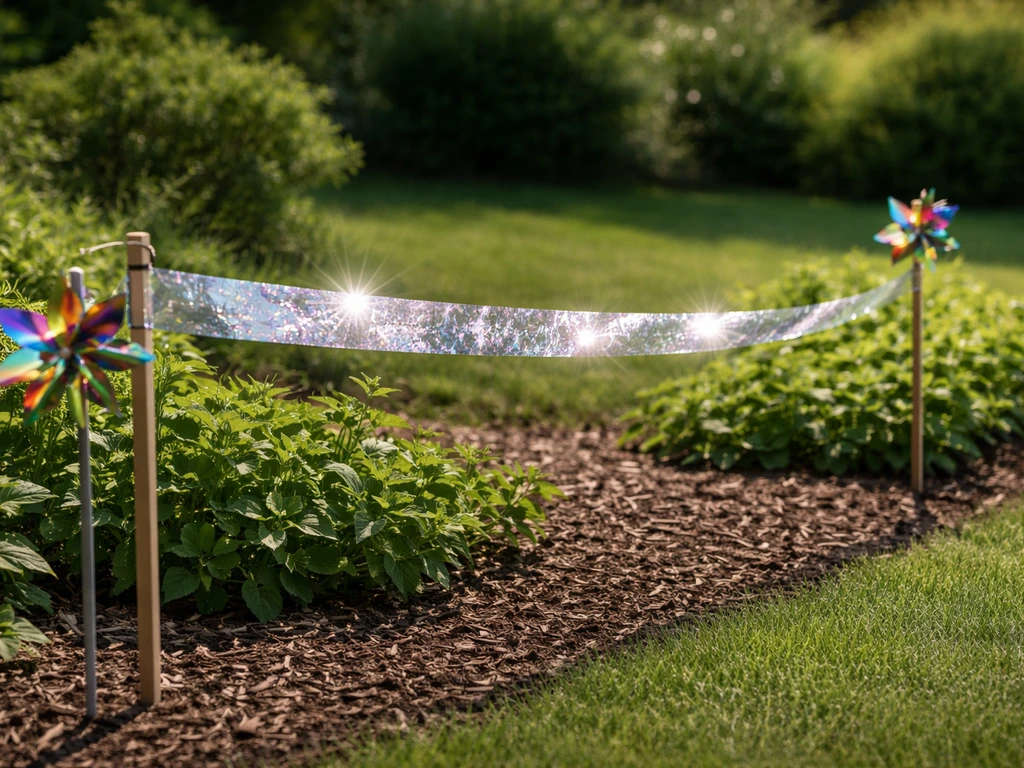
The best reflective bird deterrent for most homeowners and small commercial setups is iridescent mylar reflective tape, ideally double-sided (red on one side, silver on the other), strung in loose horizontal runs across the problem area at 12 to 18 inch spacing so it catches wind and spins freely. It's fast to deploy, cheap to replace, and genuinely effective in the short term when sunlight and breeze are present. Yes, they can work effectively in the short term, but birds often habituate within a couple of weeks if you don't rotate or layer methods do reflective bird deterrents work. The catch is that birds figure it out in roughly 10 to 15 days if you don't move things around, so you need a rotation plan from day one, and you'll likely need to layer in a second deterrent method within a few weeks. Here's how to pick the right product, install it correctly, and avoid the common traps that make reflective deterrents fail.
Best Reflective Bird Deterrent: How to Choose and Use It

How reflective bird deterrents actually work
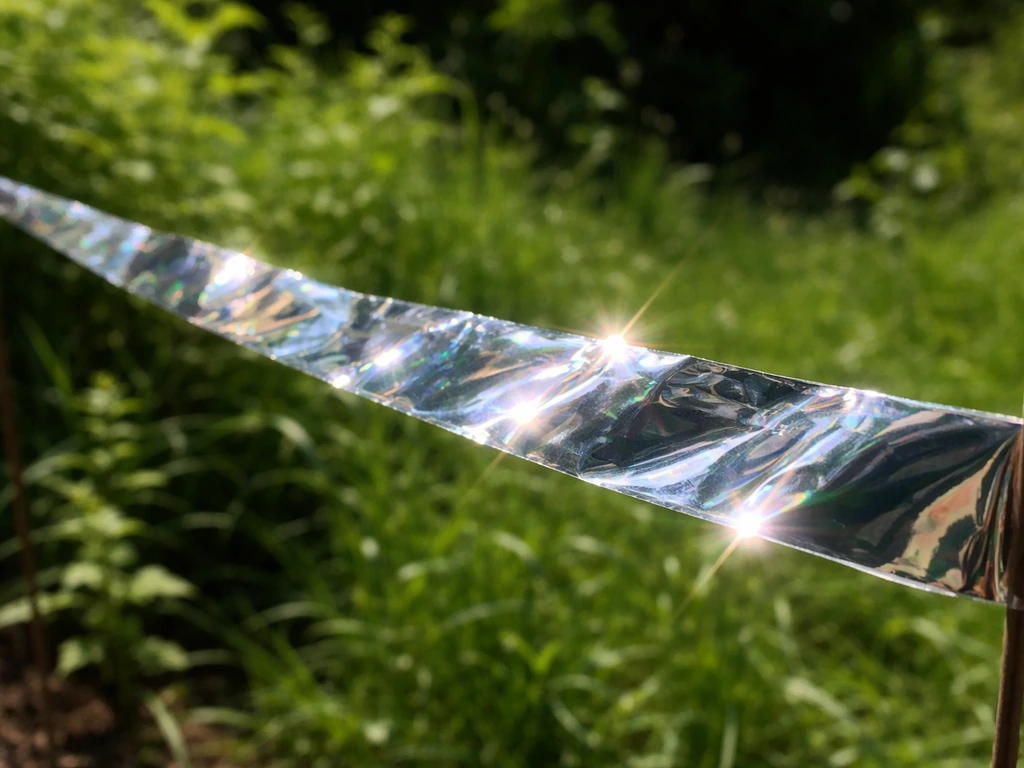
Reflective deterrents exploit a bird's hardwired caution response. When a bird approaches an area and sees rapid, unpredictable flashes of light, it interprets that as a potential threat and veers off. The key variables are direct sunlight hitting the material and enough wind movement to keep it flashing erratically. A stationary piece of reflective tape lying flat in the shade does essentially nothing.
Standard mylar reflective tape is roughly 0.025 mm thick and about 11 mm wide. The metallic surfaces catch sunlight and throw bright, scattered reflections across a wide angle. When the wind moves it, the tape also produces a low-level humming or crackling sound, which adds a mild auditory component on top of the visual one. That combination, light flash plus unpredictable movement plus sound, is what produces the initial startle and avoidance response. If you're wondering whether sonic bird repellers work instead of visual options, the results depend heavily on how the sound is delivered and whether birds habituate do sonic bird repellers work.
The problem is that birds learn quickly. Because the flashing tape never actually harms them, the fear stimulus has a weak biological basis. Birds start to recognize that the flashes are harmless, and the response fades. That's habituation, and it's the central limitation of every reflective product on the market. Understanding this upfront shapes everything about how you should deploy these deterrents.
Where reflective deterrents work best
Reflective tape and similar products work best in open, sunny, exposed areas where there's consistent airflow. Gardens, patios, balconies, pool decks, flat rooftops, loading dock overhangs, and the eaves of commercial storefronts are all solid candidates. Any place where sunlight reaches the material for several hours a day and wind can keep it moving is a good match.
They're particularly effective against birds that rely on sight during approach, including gulls, pigeons, starlings, crows, and most garden pest species like sparrows and finches that are raiding fruit trees or vegetable plots. Birds that roost in dense sheltered spots, like swifts nesting in wall cavities or swallows under tight eaves, are harder to deter with reflective methods because the material can't cover the confined approach path effectively.
For residential use, reflective tape strung across a garden row protects ripening crops well in the short term. On a patio or pool surround, spinning reflective pinwheels or hanging holographic scare discs at the entry points intercept birds before they land. For rooftops and flat commercial surfaces, longer tape runs suspended above the roofline at intervals are the practical choice. Warehouse and loading dock situations can benefit from reflective foil strips hung in doorway approaches, though bear in mind that large covered docks with low light are exactly the conditions where effectiveness drops off sharply.
Picking the right reflective product
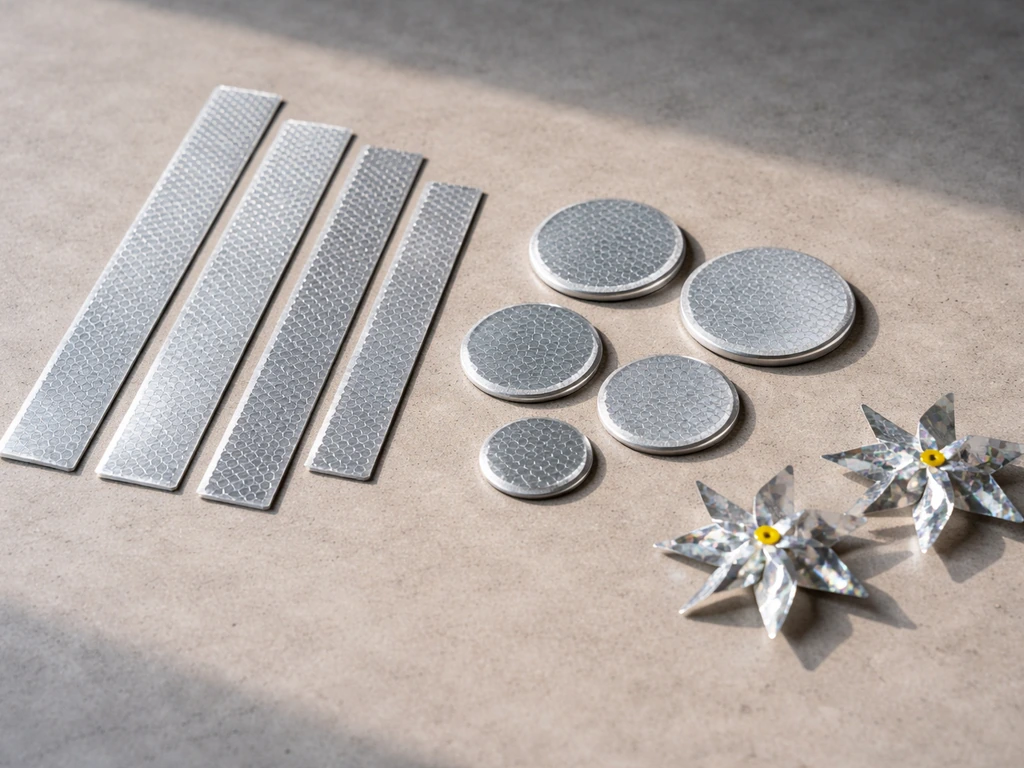
Not all reflective products are equal. Here's how the main options compare so you can match the right one to your setup. If you are comparing non-auditory options like solar powered ultrasonic animal and bird repeller manuals, also check coverage range and how you will power and maintain the unit reflective products.
| Product Type | Best Use Case | Weather Resistance | Movement Required | Typical Lifespan |
|---|---|---|---|---|
| Double-sided mylar tape (red/silver) | Gardens, orchards, pool decks, patios | Moderate (degrades in UV over months) | Yes, needs breeze | 1 to 3 months per placement |
| Holographic scare discs / foil discs | Eaves, fences, balconies, storefronts | Good (heavy-gauge foil) | Yes, hangs and spins | 6 to 12 months |
| Reflective pinwheels / wind spinners | Garden rows, low fences, planter borders | Moderate (metal stakes corrode) | Yes, wind-driven spin | One season |
| Reflective window film / tape strips | Windows, glass doors | Good (adhesive film) | Minimal, relies on flash angle | 1 to 2 years |
| Reflective bird tape rolls (wide format) | Large open areas, rooftops, loading docks | Moderate to good (depends on grade) | Yes, suspend loosely | 2 to 4 months outdoors |
When comparing products, prioritize these four things. First, look for double-sided or iridescent holographic surfaces rather than plain silver, because they produce light scatter at more angles. Second, make sure the product can move freely in wind at the gauge and weight you're buying. Thick, heavy tape that hangs rigid is a waste of money. Third, check UV and weather ratings if you're in a high-sun or wet climate, since cheap mylar breaks down fast and turns dull, killing its effectiveness. Fourth, choose products that are easy to reposition, because you will need to move them.
How to install reflective deterrents correctly
Timing matters. Install reflective deterrents before birds establish a roosting or feeding habit in the area, not after they've been using the spot for weeks. Early-season deployment, right as birds start scouting locations, gets you the best initial response. If birds have already colonized a spot, expect weaker initial results and a faster habituation curve.
Tape and strip installation
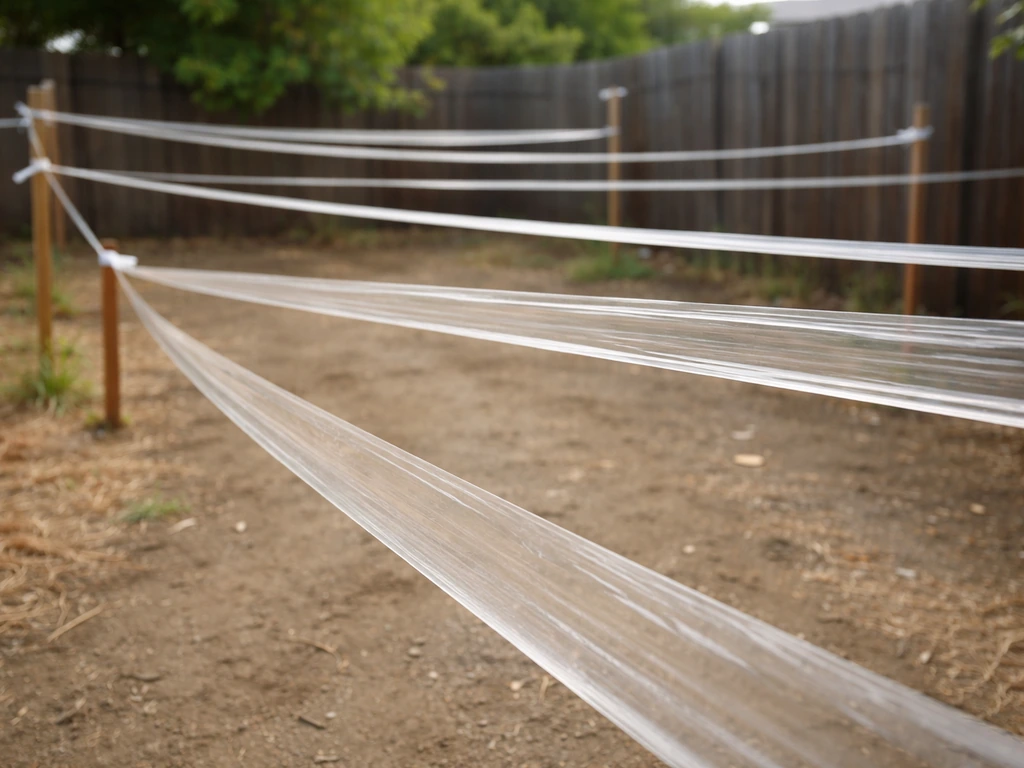
- Run tape in horizontal lines spaced 12 to 18 inches apart across the area you want to protect, not just around the perimeter.
- Suspend it loosely between anchor points so it can twist and flutter. Tension kills movement. Leave a small amount of slack.
- Mount tape runs at or just above the bird's approach height, typically 2 to 4 feet above a flat surface for ground-feeding birds, or at roofline level for perching birds.
- Angle attachment points so that the tape faces the primary sun exposure direction for your site, ideally catching morning and afternoon light.
- In still-air areas like under an overhang, attach a lightweight streamer or twist the tape into a loose spiral before hanging to maximize any small air movement.
- Check coverage: aim for no open corridor wider than 2 to 3 feet that a bird can fly through without passing near a reflective element.
Discs and pinwheels
- Hang scare discs at 6 to 8 foot intervals along a fence line, eave, or overhead wire using swivel clips so they can rotate freely.
- Place pinwheels at the edges of garden beds and along paths birds use to approach, not just in the middle of the planting area.
- Keep hanging discs at bird approach eye level, not up high where they're out of the flight path.
- After 10 to 14 days, move each disc or pinwheel to a different position, even just shifting a few feet left or right resets some of the novelty effect.
The rotation strategy
Plan your rotation before you install anything. Habituation typically starts setting in around days 10 to 15. Every two weeks, move tape runs to different heights or lateral positions, swap disc locations, or replace one style of reflective product with another (for example, switch from tape runs to spinning discs). The goal is to keep the visual stimulus unpredictable. Birds stop fearing what they can predict.
Where reflective deterrents fall short
Reflective deterrents are a daytime-only tool. If you are wondering whether bird decoys work, reflective deterrents can help in certain daylight situations but have clear limits do bird decoys work. They depend entirely on sunlight, so they offer zero protection at night or in low-light conditions. If you're dealing with nocturnal roosting, dawn arrivals before sunrise, or birds moving through heavily shaded areas, reflection alone won't help.
Dense nesting situations are another weak spot. Once birds are committed to a nesting site, the motivation to stay overrides the startle response from flashing tape. Established colonies of starlings, pigeons, or swallows in structural voids will largely ignore reflective deterrents placed nearby. Physical exclusion becomes necessary at that point.
Persistent or food-motivated birds, especially gulls at commercial waste sites or pigeons near consistent food sources, habituate faster than average. In these cases, reflective methods might buy you a week of relief before the birds resume normal behavior. High bird pressure situations nearly always require layering in a second deterrent type from the start rather than relying on reflection to carry the whole load.
Large covered spaces like warehouses, parking garages, and interior loading docks are also poor candidates. Without direct sun penetration and open airflow, the two things that make reflective deterrents function, the material is essentially decorative.
Combining reflective deterrents with other methods

The most reliable bird control outcomes come from pairing reflective deterrents with at least one physical or sensory method. USDA APHIS assessment materials describe blank" rel="noopener noreferrer">Mylar or reflective tape as a visual scaring technique, but they also note that results can vary and works best as part of integrated wildlife damage management. Ultrasonic bird repellers, in contrast, have mixed results because birds often habituate to non-harmful cues quickly. Think of the reflective layer as your first line that disrupts approach, and the secondary method as the barrier or ongoing pressure that stops birds from landing even after they've habituated to the flash.
- Bird netting: The gold standard for physical exclusion. Netting over fruit trees, garden beds, or under solar panel arrays stops birds from accessing the space entirely, independent of light conditions or habituation. Use it wherever reflective deterrents can't provide continuous coverage.
- Bird spikes: Ideal for ledges, rooftop edges, and parapet walls where pigeons and gulls perch. Spikes deny landing spots physically, so there's nothing for a bird to habituate to. Combine with reflective tape on approach lines above or below the spike line for a stronger combined effect.
- Sonic and ultrasonic repellers: Sonic repellers broadcast predator calls or distress sounds that work at night and in low-light conditions, covering the gap reflective deterrents leave. Ultrasonic devices are debated in effectiveness for most bird species, but sonic devices with rotating species-specific calls can add meaningful pressure. Pairing a sonic device with reflective tape gives you around-the-clock deterrence across two sensory channels.
- Chemical repellents: Taste-aversion products like methyl anthranilate sprays or polybutene-based landing gels can be applied to surfaces where birds land or feed. These work independently of light and add tactile and olfactory deterrence that birds can't habituate to as easily. They're particularly useful on flat surfaces where reflective tape isn't practical.
- Physical exclusion and habitat modification: Blocking entry points to structural voids, removing food and water sources, and trimming vegetation that provides shelter address the root cause rather than just deterring birds from a specific spot.
If you're comparing reflective deterrents to sonic or ultrasonic alternatives, the main tradeoff is this: reflective methods are cheaper upfront and require no power, but they're limited to daytime and susceptible to habituation. Sonic repellers cost more and require power or batteries, but they work at night and can be programmed to vary calls and timing to slow habituation. For persistent or high-pressure bird problems, a sonic or ultrasonic device combined with reflective tape outperforms either method alone.
Safety, compliance, and fixing common problems
Aviation proximity rules
If your property is near an airport or within regulated airspace, be aware that highly reflective materials that can redirect light toward pilots during approach and departure may be restricted or require coordination with airport authorities. Transport Canada and the FAA both treat airport bird management as a specialized field, and reflective scaring devices used airside are evaluated under formal efficacy and safety protocols. If you're within a few miles of an active runway, check local regulations before installing large-format reflective systems on rooftops.
Property and neighbor considerations
Reflective tape and discs can bounce intense light into neighboring windows or onto roadways if positioned carelessly. Angle reflective elements so they face upward or into your own property rather than toward adjacent buildings, parked vehicles, or traffic lanes. In residential neighborhoods, spinning foil discs mounted high on fence posts can create a nuisance reflection across the street. A quick walk-around at midday to check where the reflections actually fall saves a lot of neighbor complaints.
Maintenance and troubleshooting
Reflective materials degrade with UV exposure and weather. Mylar tape becomes dull and brittle within a few months outdoors. Inspect your setup every two to three weeks and replace any tape that has lost its shine, torn, or gone limp. A dull piece of tape provides no deterrence and actually teaches birds that the object is harmless, accelerating habituation at the next installation.
If birds are returning to the area despite fresh tape, run through this checklist before giving up on reflective deterrents entirely: check that tape is moving freely in typical wind conditions; verify that at least one tape run or disc is in direct sun for several hours a day; reduce the spacing between tape runs to eliminate fly-through corridors; move all elements to new positions; and add a second deterrent type. If birds are still returning confidently after all of these adjustments, that's a clear signal that habituation has set in and it's time to switch to or add a physical barrier or sonic device as the primary control method. If you want to add a high-impact option, a best ultrasonic bird deterrent can serve as that secondary sensory layer alongside reflective tape sonic device.
Protected bird species
Reflective deterrents are non-harmful and passive, so they're generally safe and legal to use around any bird species. They don't trap, injure, or kill birds, which means you don't need permits for the deterrent itself. That said, if you're dealing with a protected migratory species that has already nested on your property, physically removing nests or eggs may require a permit regardless of what deterrent method you use. The deterrent is fine; disturbing an active nest is a separate legal question.
FAQ
How much sunlight do I really need for the best reflective bird deterrent to work?
Use the “direct sun test.” If a section of tape is never directly sunlit for at least a few hours, or it only reflects when you walk into the light, treat it as ineffective and reposition, add more runs, or switch that zone to a different method (for example, discs at entry points or netting).
Will reflective tape work if it is attached tightly so it does not move much?
Yes, but only if it creates erratic motion. Instead of laying tape tight and flat, keep slack so it flutters, and stagger heights (for example, one run higher, one run lower) so birds cannot find a single predictable approach line.
What should I do if birds keep coming back after I install new reflective tape?
If you can see birds ignoring the setup, assume habituation has begun. Don’t just replace worn tape, move everything to new lateral and height positions, reduce spacing between runs to close fly-through corridors, and add a second deterrent type (like spinning discs or a physical exclusion layer) rather than repeating the same layout.
Can spacing between tape runs make the difference between success and failure?
Yes. When tape is too far apart, birds can thread between runs. A practical fix is to tighten spacing locally in the birds’ favorite landing path, and make sure at least one element sits in the shade only briefly (it must re-enter sun movement during the day).
What does “layering methods” look like in a real yard or rooftop setup?
Layering means changing both “what they see” and “how they approach.” For example, keep tape runs for the initial disruption, then use discs or pinwheels at landing zones. In high bird pressure areas, adding physical exclusion first often works better than trying to rely on reflection alone for weeks.
When is the best time to install reflective deterrents, especially if birds are already visiting?
Start before the birds settle, but if you are already seeing daily visits, act immediately and treat the first two weeks as a setup phase. Place deterrents at approach corridors, not just at the exact damage spot, and plan to reposition on a two-week schedule from day one.
Do reflective bird deterrents help at night or during early morning?
Usually not. Reflection offers no meaningful control during darkness or heavy shade, so dawn activity and nighttime roosting will continue. If you have early morning arrivals or birds roosting under eaves, plan for a daytime-reflection layer plus a barrier method.
Will the best reflective bird deterrent work for birds nesting in wall cavities or under tight eaves?
If the problem is dense nesting in structural voids, reflective tape nearby may not change the birds’ behavior because the birds are already committed to the site. The higher ROI move is physical exclusion at the entry points (for example, screens or sealing appropriate after nesting is inactive), while using reflective elements mainly to protect adjacent exposed surfaces.
How often should I inspect and replace reflective tape, and what signs mean it’s failing?
Check for “lost shine” and stiffness. Replace tape that looks dull, has torn edges, or droops so it no longer flutters freely in normal wind. Also verify the mounting does not prevent movement, since rigid mounting can quietly turn a deterrent into decoration.
How do I prevent the reflective deterrent from causing glare for neighbors or onto roads?
Aim reflections inward to your own property, and avoid mounting that could bounce toward windows, roads, or neighbors’ yards. If you see glare from a midday walk-around, rotate, lower, or redirect the elements. If glare is unavoidable, switch to a different deterrent style in that direction.
If I add a sonic or ultrasonic device, how should I combine it with reflective tape?
Yes, and the key is what you’re trying to stop. Tape and discs disrupt daytime approach, while sonic or ultrasonic tools can be useful for dawn or low-light gaps, but even those can habituate. For reliable outcomes, combine reflection with a barrier at roosting or landing sites rather than expecting one product to solve everything.
Do I need permits if birds are already nesting on my property?
In protected or rapidly escalating issues, treat it as an “exclusion before deterrence” problem. Passive deterrents are fine, but if there is an active nest, disturbing it can be regulated. Confirm whether nests are active before removing or blocking access, and use deterrence mainly to prevent new settling elsewhere.