
A solar powered ultrasonic animal and bird repeller can reduce bird activity in a targeted area, but only if you set it up correctly, manage your expectations about coverage and habituation, and know when to switch tactics. These devices work best as part of a broader deterrent strategy, not as a standalone fix. To find the best sonic bird repeller for your situation, focus on reputable brands, proven coverage, and realistic expectations about habituation. Here is how to get the most out of one.
Solar Powered Ultrasonic Animal and Bird Repeller Manual

Marcus Weatherby
11 Jun 2026
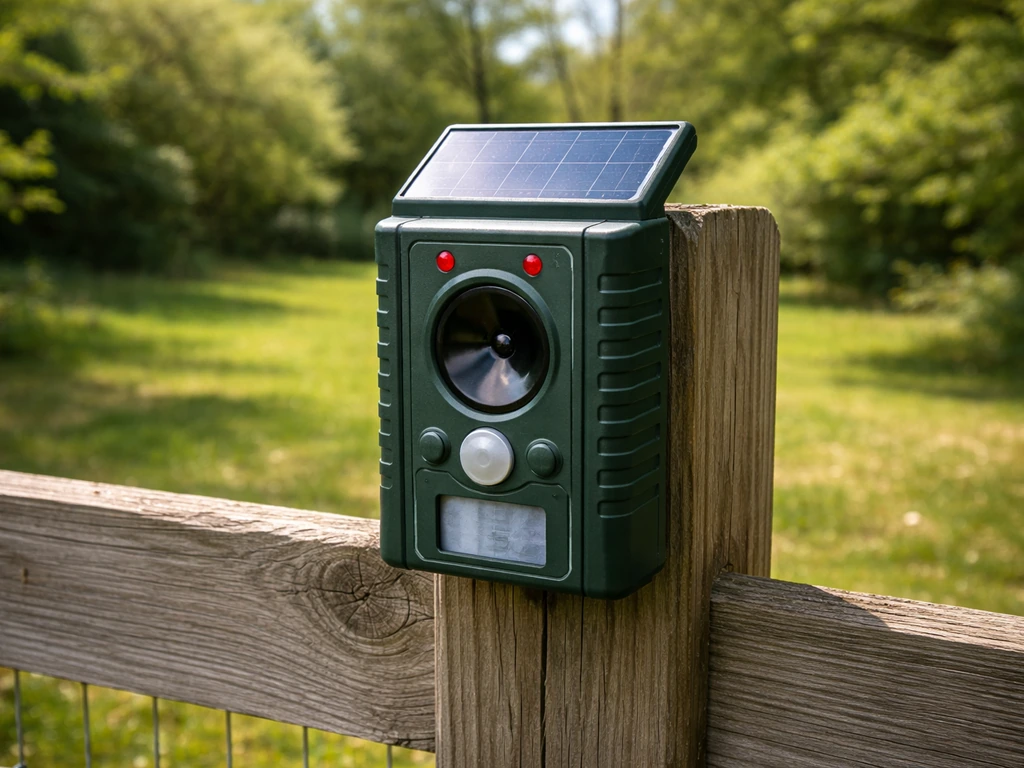
What this device actually is and how it works
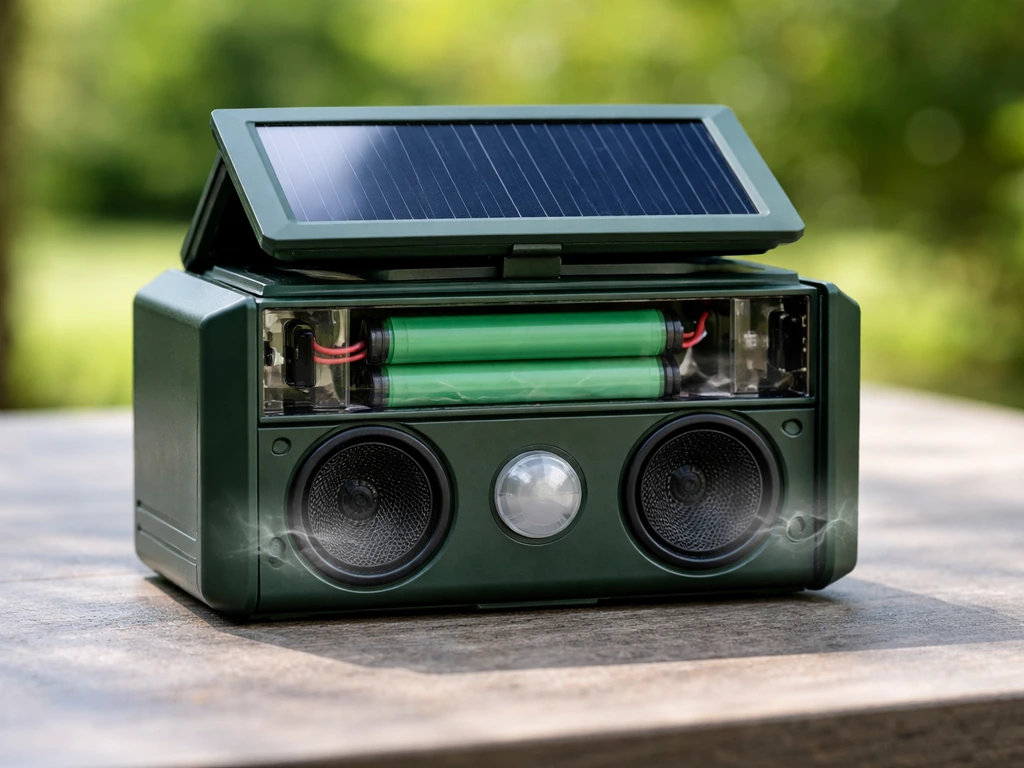
A solar powered ultrasonic repeller is a weatherproof unit with a built-in solar panel, a rechargeable battery, and one or more ultrasonic transducers (speakers). It emits high-frequency sound pulses that are above the normal range of human hearing. Depending on the model, the frequency typically fluctuates between 13,000 and 60,000 Hz, and pulses are fired periodically, sometimes roughly every 30 seconds, to create an unpredictable irritant for birds and small animals like squirrels, raccoons, cats, and deer.
Nature Power's owner’s manual for the Solar Pest Repeller (21110) claims it transmits vibrations and ultrasonic sound about every 30 seconds and provides an effective range of up to 650 square meters (7,000 square feet) radiating in all directions pulses are fired periodically, sometimes roughly every 30 seconds.
The theory is that the sound causes discomfort or a startle response that drives animals away from the protected area. Some units combine ultrasonic pulses with audible distress calls, flashing LEDs, or ground vibration to layer the deterrent effect. The solar panel charges the internal battery during daylight so the unit can run through the night without wiring.
Here is the honest limitation you need to know upfront: independent research, including a widely cited review by Bomford and O'Brien, found no strong scientific evidence that ultrasound reliably controls birds long-term. The Institute for Environmental Research and Education echoes this, pointing to habituation as the core problem. Birds figure out quickly that the sound does not actually hurt them, and they stop responding.
This does not mean the device is useless, but it does mean you should treat it as one layer of a deterrent plan rather than a complete solution. If you want a deeper look at the evidence, the companion articles on whether ultrasonic and sonic bird repellers actually work are worth reading.
If you are wondering whether ultrasonic bird repellers work in the real world long-term, the evidence is mixed and you should compare results to the science-based discussion in the companion article companion articles on whether ultrasonic and sonic bird repellers actually work. That is also why many people ask whether reflective bird deterrents work when sound alone stalls, and the answer depends on layering the right cues.
Setup guide: placement, coverage, and installation
Getting placement right is the single biggest factor in whether the device does anything useful. Most manufacturers claim coverage ranges anywhere from 100 square meters up to 650 square meters or more, but those numbers assume the area is open with no obstructions. In a real garden, patio, or roofline, your effective coverage will be much smaller.
Choosing the right spot
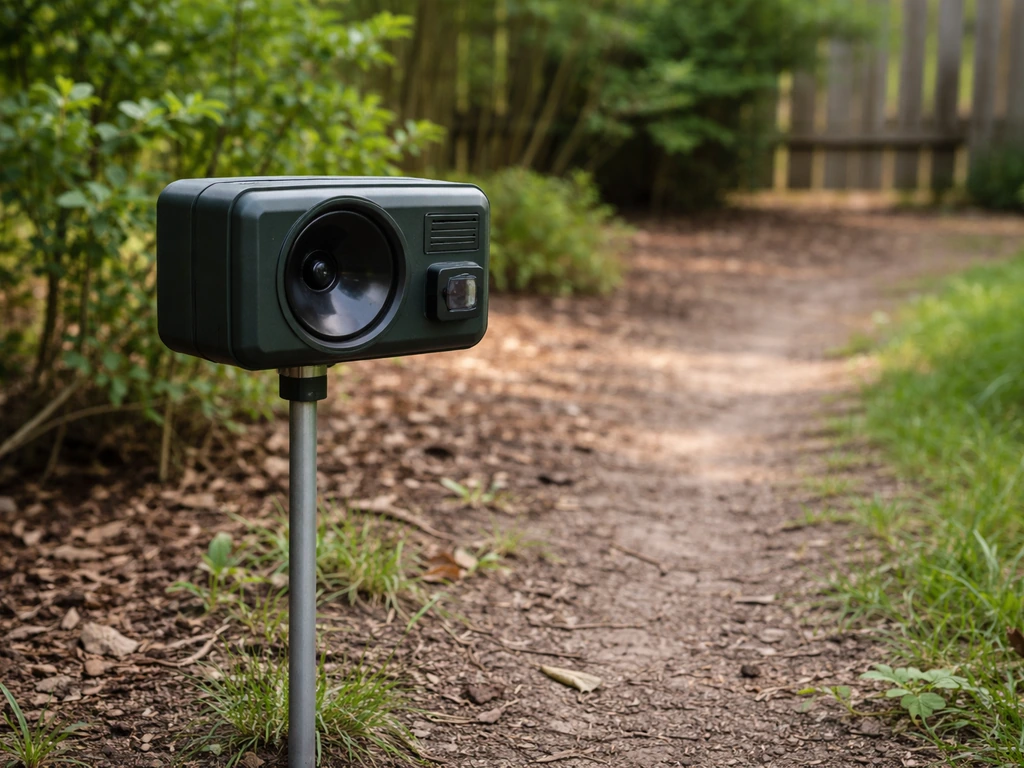
Ultrasound does not pass through solid objects. Walls, fences, dense shrubs, garden furniture, parked vehicles, and even thick foliage will block the signal and create dead zones. This means you need line-of-sight from the unit to the area you want to protect. Place the device so its speaker faces directly into the problem zone with as few obstructions as possible between it and where birds land or roost.
- Mount at a height of 1 to 1.5 meters for ground-level animal pests (cats, squirrels, foxes). For birds roosting on ledges or fences, mount at the same height as the roost or slightly above, angled down toward it.
- For roof and gutter birds, mount the unit at the roofline or fascia so it faces along the roofline rather than projecting outward into open air.
- On patios, position the unit at one end facing inward along the length of the space. A 6 x 4 meter patio is well within effective range; a large open terrace may need two units.
- Near solar panels, mount the unit at the panel edge so the signal sweeps across the panel surface where birds perch or nest underneath.
- Keep at least 3 to 5 meters of clear, unobstructed space between the unit and the first dense obstacle.
Mounting and weatherproofing
Most units come with a ground stake, a wall-mount bracket, or both. For permanent installations on walls or fences, use the bracket and secure it with weatherproof screws. If you are using the ground stake, push it into firm soil so the unit does not tilt after rain softens the ground. The solar panel on top needs to face as close to due south as possible (in the Northern Hemisphere) and be angled toward the sky, not horizontal, to maximize charging. Avoid shading the panel with nearby plants or eaves. Check the IP rating on your unit: IP44 handles rain splashes but not submersion; IP65 or higher is better for exposed locations.
Initial setup steps
- Fully charge the battery before first use. Leave the unit in direct sunlight for one to two full days before activating it, or use the USB charging port if your model includes one.
- Set the sensitivity or frequency mode according to your target pest. Most units have a selector for small animals, medium animals, or birds. Choose the bird or broadband setting if birds are your primary problem.
- Insert the ground stake or attach the wall bracket at your chosen location. Confirm the speaker faces into the target zone.
- Switch the unit on and confirm the indicator light or test LED activates. Some units emit an initial burst you can just barely hear at the upper limit of human hearing.
- Walk the protected area and identify any shadow zones (spots that furniture, posts, or dense plants could be blocking). Reposition or add a second unit if you find significant dead zones.
- Log the installation date. Habituation tends to set in after a few weeks, so you will want to track when you need to rotate or supplement the device.
Testing the device and troubleshooting problems
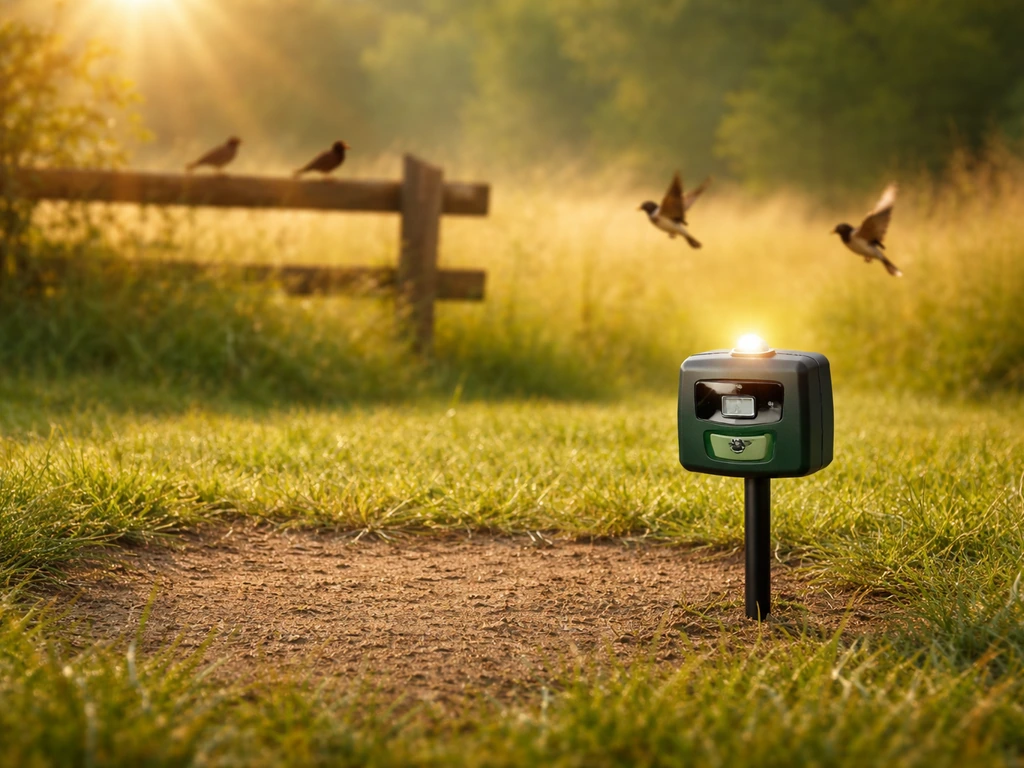
After a few days of operation you should see a change in bird behavior: fewer landings, more nervous or abbreviated visits, or birds avoiding the area entirely. If you see no change after one to two weeks, work through these checks before concluding the device has failed.
Birds are ignoring it
This is the most common issue, and it is usually one of three things: habituation, obstructions, or the wrong frequency for the species. First, try rotating the unit to a new position or angle, even a modest shift can reset the birds' response. Second, check whether dense foliage has grown up near the unit since you installed it and is now blocking the signal. Third, if your unit has adjustable frequency or sensitivity settings, try a different mode. Some species respond better to broader frequency sweeps. If birds have been nesting in the area for months, established nesters are particularly resistant to ultrasonic deterrence and you will almost certainly need to add physical barriers like netting or spikes.
Coverage seems inconsistent or patchy
Ultrasound behaves like a narrow beam rather than an omnidirectional bubble, especially at higher frequencies. If birds are being deterred from one part of the zone but not another, you have an obstruction or an angular coverage problem. Try tilting the unit slightly to broaden the sweep, or add a second unit covering the gap. For L-shaped patios, corners of buildings, or gardens with raised beds and furniture, one unit is rarely enough to cover the full space effectively.
The unit cycles on and off oddly or stops working
Irregular cycling is almost always a battery or charging issue. Check that the solar panel is clean and unobstructed. A thin film of dust, bird droppings, or tree sap on the panel can cut charging efficiency significantly. If the unit works during the day but stops at night, the battery is not holding a full charge, either because the panel is not getting enough sun or the battery is aging. Most solar repeller batteries are NiMH or lithium and last two to four years. A unit that shuts off randomly during daylight may have an overheating protection circuit triggering, try relocating it out of prolonged direct afternoon sun while keeping the panel angled toward the sky.
Quick troubleshooting reference
| Symptom | Likely Cause | Fix |
|---|---|---|
| Birds ignore device after 1–2 weeks | Habituation or obstructions | Reposition unit, change frequency mode, or add physical deterrents |
| Only part of the area is deterred | Signal blocked by obstacles or angle too narrow | Adjust angle, remove obstructions, or add a second unit |
| Unit stops working at night | Battery not fully charging | Clean solar panel, check shading, or replace battery |
| Unit cycles on/off randomly | Overheating or faulty PIR sensor trigger | Relocate to reduce afternoon heat exposure, check sensor setting |
| No observable response from any animals | Wrong frequency setting or species-specific insensitivity | Switch to broadband/bird mode, consider combining with sonic or visual deterrents |
Safety: birds, pets, people, and local wildlife
Ultrasonic repellers are generally considered low-risk compared to chemical or physical methods, but there are real safety considerations worth knowing before you deploy one, especially if you have pets or are protecting an area close to neighbors.
Birds and wildlife
A properly used ultrasonic device causes discomfort rather than injury. It should not harm birds physically. However, if birds are actively nesting in the area, deploying a repeller can cause chronic stress during the nesting period, which can affect nesting success. In many countries, disturbing active nests of protected bird species is illegal regardless of the method used. In the U.S., the Migratory Bird Treaty Act protects most wild bird species. In the UK, the Wildlife and Countryside Act applies. If you suspect an active nest, consult local wildlife guidelines before activating any deterrent device in that zone.
Dogs and cats
This is the most common concern for homeowners. Dogs and cats can hear into the ultrasonic range, and some units operate partly in the upper audible range too. If your unit is set to a frequency that overlaps with your dog or cat's hearing range, they may show signs of distress: avoidance, restlessness, barking at the device, or anxiety. Keep the device out of areas where your pets spend time, or turn it off when pets are in the yard. Do not place the unit near a kennel, run, or indoor pet area. Check whether your model includes a pet-safe mode that limits output frequency to ranges above typical domestic pet hearing.
People
Most ultrasonic output above 20,000 Hz is inaudible to adults. However, children and teenagers can hear higher frequencies than adults, and some individuals are sensitive to the upper edge of audible sound. If the unit emits any audible component as a deterrent layer (some models do), keep it away from bedroom windows, nurseries, and areas where people spend extended time. At night, even a faint clicking or buzzing from an active unit close to a window can disrupt sleep. Mount it at least 5 meters from occupied rooms and do not point it directly at a window or door.
Regulatory note
In the U.S., the EPA classifies ultrasonic animal repellers as devices rather than pesticides, so they are not subject to pesticide registration requirements. However, device manufacturers are still prohibited from making false efficacy claims. Elsewhere, regulations vary. If you are deploying these in a commercial, agricultural, or aviation-adjacent context, check with your local authority or pest management body for any applicable rules, especially around protected species and noise ordinances.
Solar power realities: charging, runtime, and maintenance
The solar-powered design is genuinely convenient, but it comes with performance trade-offs that vary significantly by season and location. Understanding them prevents frustration when the unit underperforms in winter or during prolonged cloudy weather.
Charging requirements
Most solar repellers need 6 to 8 hours of direct sunlight to fully charge the battery from empty. A fully charged unit should run the ultrasonic function through the night for 8 to 12 hours, depending on how frequently it fires pulses and whether it also powers LEDs or a PIR motion sensor. In summer at mid-latitudes, this is usually fine.
In winter, shorter days and lower sun angles can mean the panel generates only 30 to 50 percent of its summer output, and in overcast conditions even less. If your unit has a USB or DC charging port, use it to top up the battery during long cloudy spells rather than letting the battery sit at low charge repeatedly, which degrades it faster.
Seasonal performance
Bird pressure often peaks in spring and autumn during migration and in late summer when juvenile birds are establishing territory. These are also the times of year when solar charging is reliable. Winter performance is where you will notice the biggest gap: the unit may run intermittently or stop operating at night altogether. If winter bird control is critical (for example, protecting greenhouse crops or preventing winter roost establishment), consider a wired ultrasonic unit or supplementing with battery power.
Keeping the unit running well
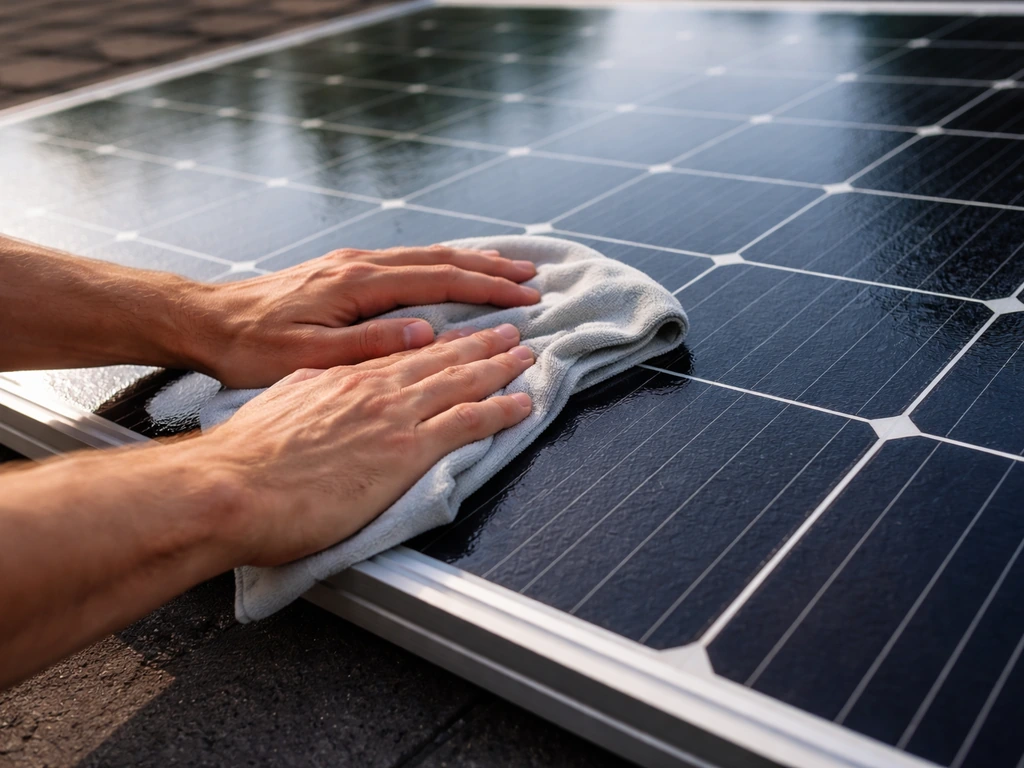
- Clean the solar panel with a damp cloth every two to four weeks, or immediately after heavy bird activity overhead. Dust, droppings, and sap are the most common causes of reduced charging.
- Check for water ingress at the battery compartment after heavy rain, especially on ground-stake units that can partially sink.
- Inspect the speaker membrane (the grille or mesh) for insect debris or spider webs, which can muffle output.
- At the start and end of each season, test the unit by switching it on and observing the LED indicator or using a bat detector / ultrasonic meter app to confirm the speaker is emitting.
- Replace the internal battery every two to three years, or sooner if you notice the unit stops holding charge overnight.
When ultrasonic is the right tool, and when it isn't
Ultrasonic repellers are at their best in a fairly narrow set of situations. They are a reasonable first step when bird pressure is light, the area is open and unobstructed, you want a non-invasive option, and you can accept some ongoing management to prevent habituation.
Scenarios where they tend to work reasonably well
- Smaller, open residential patios or decking areas with low to moderate bird traffic
- Garden beds and vegetable patches where casual foraging by pigeons, starlings, or corvids is the problem
- Temporary protection during specific seasons (fruit ripening, seed germination) when combined with other tactics
- Small animal deterrence (cats, squirrels, foxes) around garden perimeters where the unobstructed line-of-sight is achievable
Scenarios where ultrasonic alone will not be enough
If birds are already nesting or roosting in the area, if you are dealing with highly motivated species (gulls, pigeons in urban cores, starlings in large murmurations), or if the area is large and broken up by obstacles, an ultrasonic device on its own is unlikely to give you reliable control. For commercial properties, rooftops, warehouses, and aviation-adjacent zones, the stakes are too high to rely on a device with documented habituation problems.
What to combine with or switch to
Physical barriers are the gold standard where birds are persistently roosting or nesting. Bird spikes on ledges, gutters, and roofline edges deny the landing surface entirely and do not rely on animal behavior. Bird netting over larger areas like roof voids, solar panel undersides, or fruit cages provides complete exclusion. These methods work regardless of habituation because they are physical, not sensory.
For open areas where physical barriers are impractical, layering deterrent types improves outcomes significantly. Reflective deterrents (flash tape, holographic discs, mirror tape) add a visual startle component that works on a different sensory channel than sound. Reflective options like mirror tape can complement an ultrasonic setup by adding a visual startle that birds notice quickly reflective deterrents.
Sonic deterrents that use recorded predator calls and distress calls are generally considered more effective than pure ultrasonic units for birds, because birds already understand and respond to those calls instinctively. If you are deciding whether decoys should be part of your bird control plan, do bird decoys work as a comparison point to non-decoy deterrents sonic deterrents.
So if you are wondering whether do sonic bird repellers work better than ultrasonic units, the evidence generally favors sonic deterrents like predator or distress calls. The evidence on sonic versus ultrasonic approaches is worth reviewing if you are trying to choose between them.
For commercial contexts, property managers and facility operators dealing with persistent or large-scale bird problems should look at professional bird management assessments. Ultrasonic devices can play a supporting role, but a programme that combines exclusion, habitat modification, and professional-grade sonic or visual deterrents will outperform any single consumer device. Aviation-adjacent sites with bird strike risk should not rely on ultrasonic deterrents at all; those environments require coordinated, proven bird management programs under regulatory guidance.
The bottom line: set up your solar ultrasonic repeller correctly, keep the panel clean, reposition it every few weeks to slow habituation, and pair it with at least one other deterrent type. If birds are still winning after a month of honest effort with the right setup, move toward physical exclusion. That is the approach that actually holds.
FAQ
How often should I move or reposition my solar powered ultrasonic animal and bird repeller to slow habituation?
A practical approach is to change the unit’s angle or location every 2 to 4 weeks (or sooner if you see renewed activity). Use small adjustments first, like tilting 10 to 20 degrees or shifting a few feet, because moving too far can temporarily reduce coverage in the area you already trained them to avoid.
Should I run it all day, or only at night?
If your main problem is roosting at night, keep the unit active overnight and let it charge during the day. For daytime nuisance birds, test daytime operation, but watch battery performance, because heavy LED or motion-sensor modes can drain power faster than the solar panel replenishes, especially in winter.
What if my unit has multiple modes, but birds still return immediately after each cycle?
Try modes that vary pulse timing and frequency, not just sensitivity. Also confirm that the speaker faces the landing or roost target, since ultrasonic output is directional and birds may be hitting a “dead zone” that you did not cover even if the unit seems to be running correctly.
Can I use one repeller for a whole yard or driveway?
Only if the space is relatively open and the unit has clear line-of-sight to the areas you want to protect. If birds can approach from different angles, plan on either repositioning the unit more frequently or adding a second unit aimed at the missing segment, because ultrasound does not behave like an omnidirectional “bubble.”
Does rain or snowproofing affect how well the repeller works at night?
Yes. Water reduces charging and can create panel shading from dirt buildup, even if the unit is weatherproof. After wet spells, wipe the solar panel and remove debris near the unit, then verify it still cycles regularly at night, since intermittent operation often traces back to power rather than the sound output.
How do I tell if the problem is “wrong frequency” versus “blocked signal”?
Start with a simple test: walk around the perimeter (or observe from where birds enter) and look for areas where they land despite the unit running. If birds avoid one side but use the other, it is usually blockage or angle. If they ignore the entire area consistently, try an alternate frequency mode, if available, before changing hardware placement.
My battery runs low in winter. What charging habits extend its life?
Avoid letting the battery sit for long periods near empty. If your model has a USB or DC charging input, top up during long cloudy stretches, then return it to normal solar charging. Also keep the solar panel unobstructed and maintain its clean surface, since reduced charging in winter is a common root cause of overnight shutdowns.
Is it safe around pets, especially dogs and cats?
Use extra caution if your household includes pets that stay outdoors. Even when devices are marketed as animal deterrents, dogs and cats can sometimes respond to ultrasonic or upper-audible components. Keep the repeller away from kennels, runs, and spots your pets routinely rest, and switch the unit off during their outdoor activity if you notice avoidance, restlessness, or anxiety.
What if the repeller seems to bother people, not just animals?
Some units include an audible deterrent layer, or a faint noise that can be noticeable near windows. Mount it so it is not aimed toward doors or bedroom windows, and keep it away from places where people spend extended time at night, especially in rooms with thin walls or open window coverage.
Should I use it if there are active nests or roosting birds in the target area?
Do not deploy as a default if you suspect active nests or protected species. Even if the device is not designed to injure birds, ongoing distress during nesting can reduce nesting success and may be illegal in many places. If you find nests, follow local wildlife guidance and consider non-auditory exclusion like netting or spikes instead.
What is the fastest way to troubleshoot if the unit appears to “do nothing”?
Confirm power first (panel clean, unobstructed sunlight, regular nighttime cycling). Then check line-of-sight, remove obstructions that block the speaker path, and verify the unit is aimed at where birds actually land. Only after those checks should you conclude failure, then test alternate modes or repositioning before adding more units.
Do I need professional help for a commercial or high-risk bird problem?
Often yes. If the stakes include large populations, protected species issues, or locations where bird strike risk matters, consumer ultrasonic devices should not be your main control method. Use a professional assessment and consider a combined program (exclusion, habitat modification, and proven sonic or visual deterrents) tailored to the site.
Next Articles
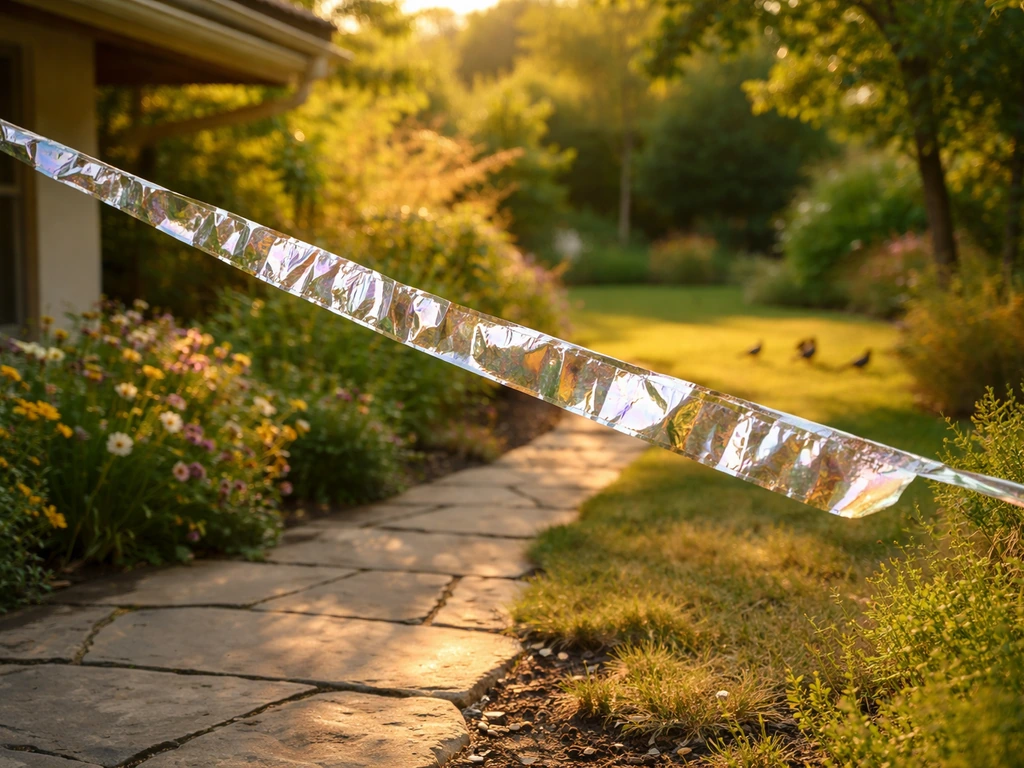
Do Reflective Bird Deterrents Work? What Actually Helps
Answer if reflective bird deterrents work, how to place and test them, and when to switch to stronger options.
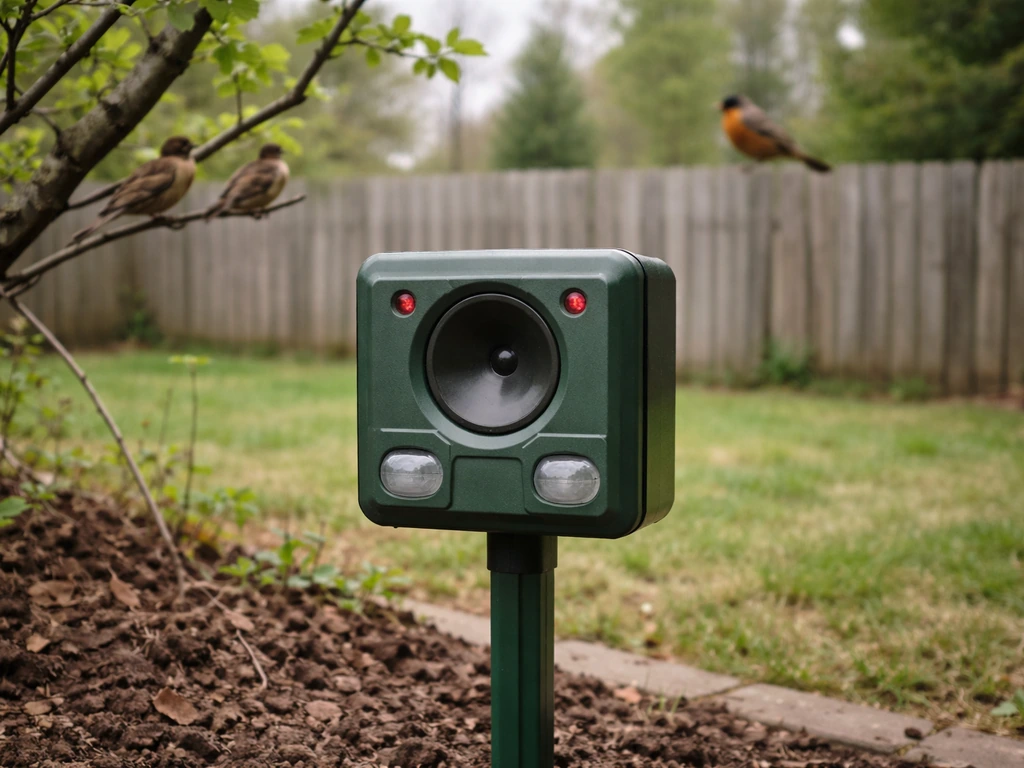
Do Ultrasonic Bird Repellers Work? Real-World Results
Get real results on do ultrasonic bird repellers work, when they fail, and step-by-step setup and alternatives.
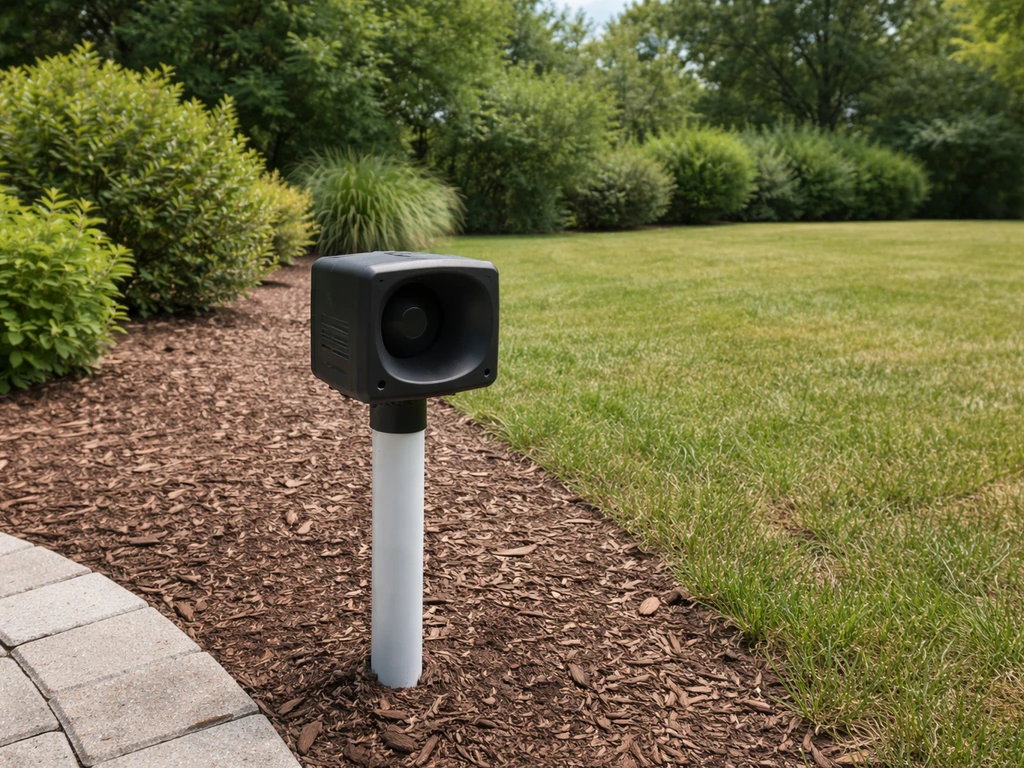
Do Sonic Bird Repellers Work? What to Expect and How to Test
Learn if sonic bird repellers work, how to test fast, set them up correctly, and switch to stronger fixes if not.